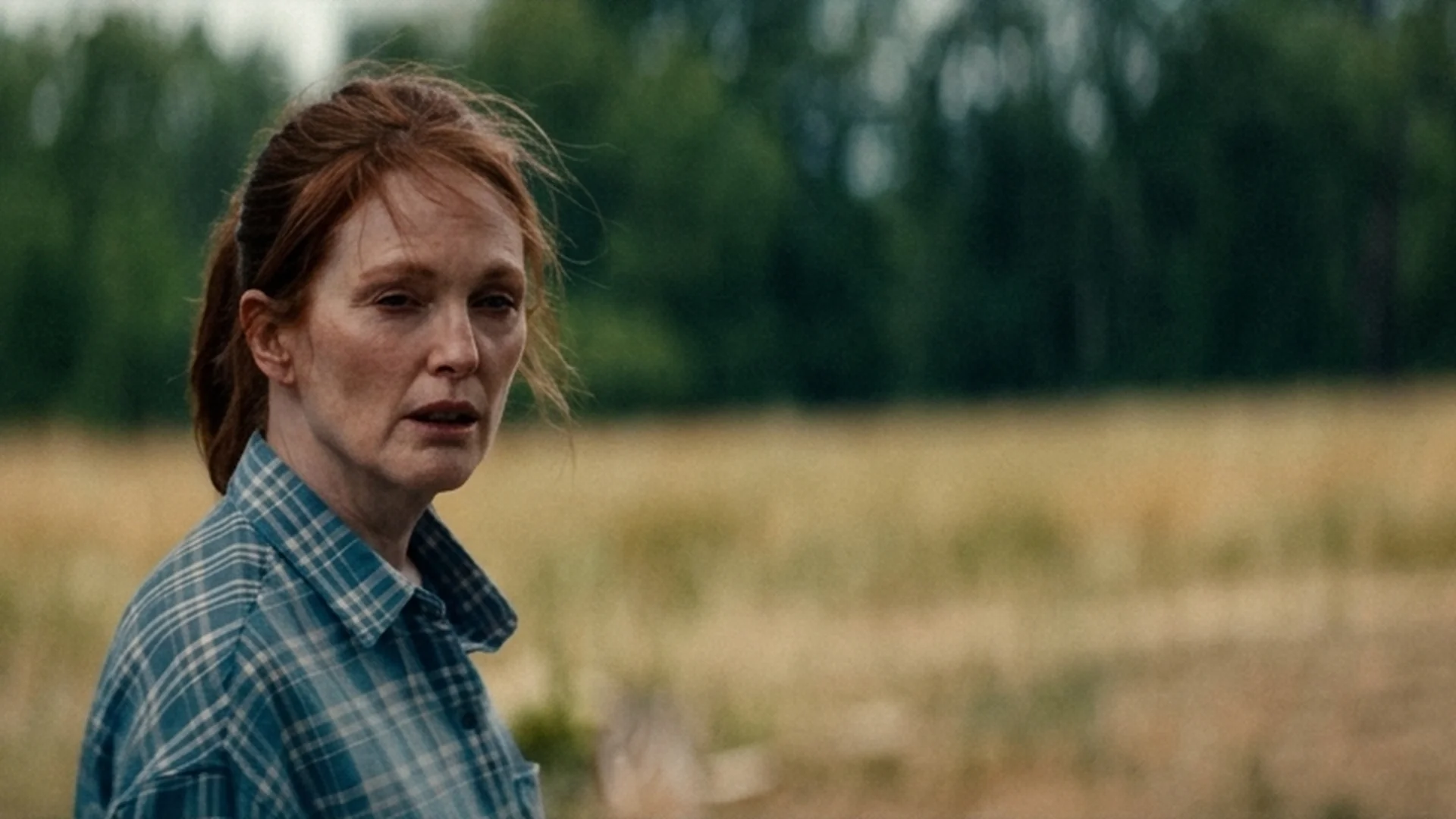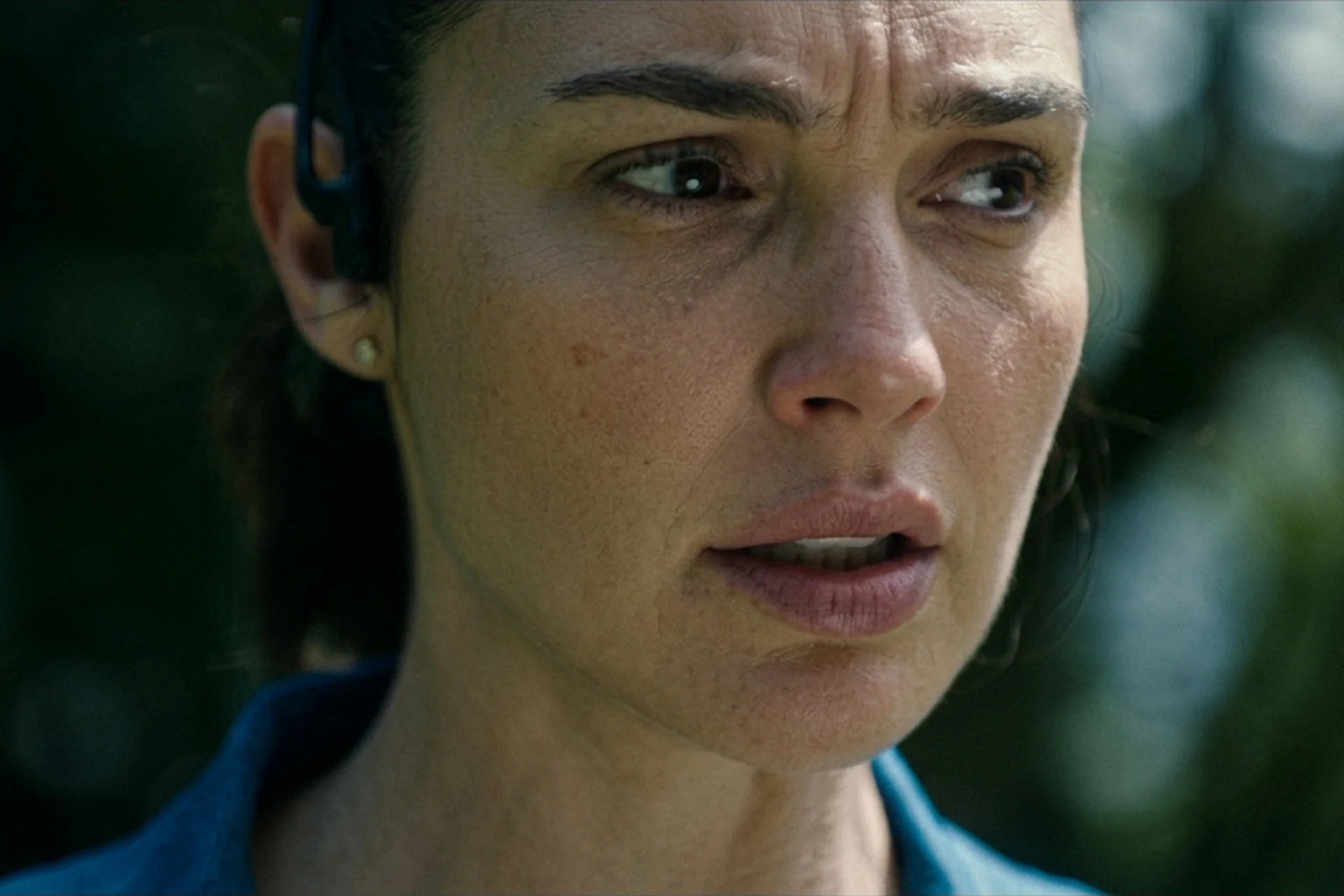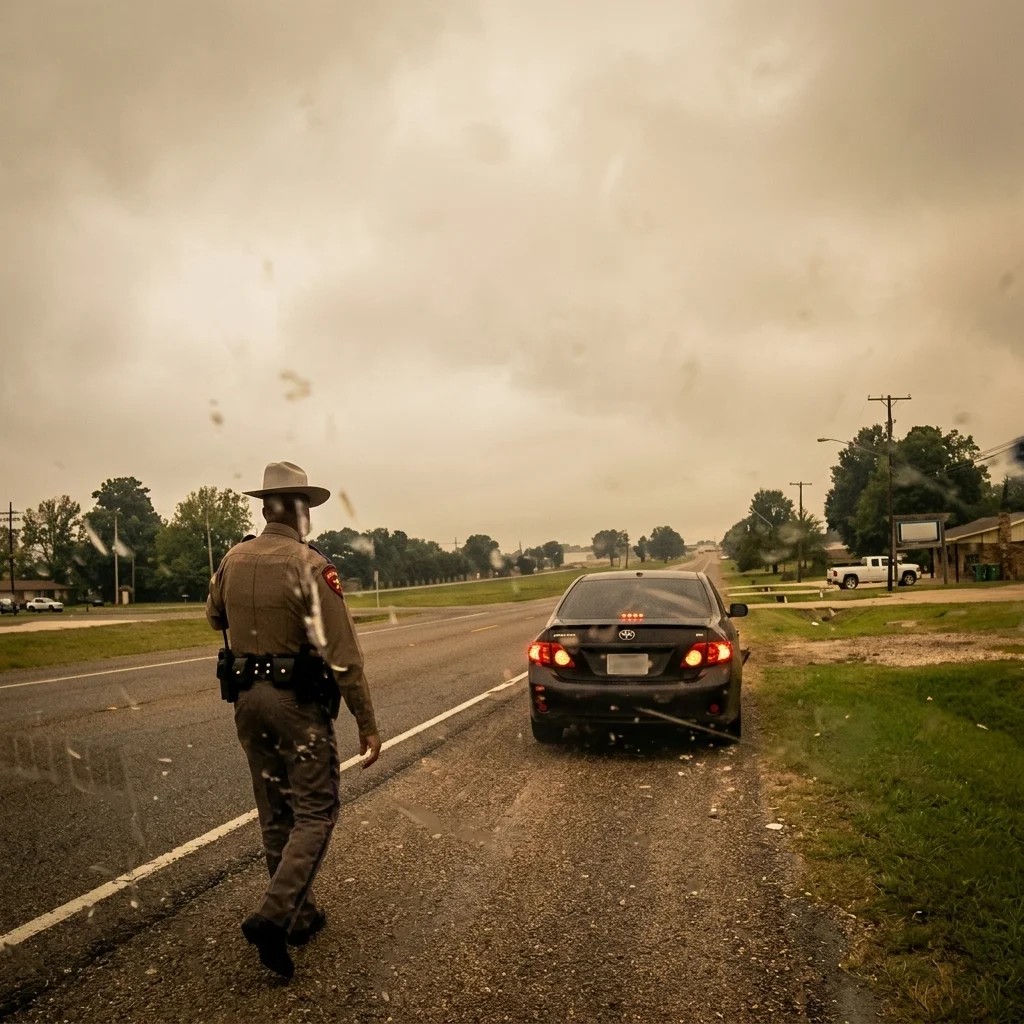
Yes, Stolen Girl is based on a true story, though you would never guess the real one from the trailer. The film hands Kate Beckinsale a gun, a stack of wigs, and a way into a CIA espionage web to pull her abducted daughter out of Beirut. The woman it is actually based on, Maureen Dabbagh, got her daughter back a very different way: a phone call at four in the morning, seventeen years after the girl was taken. That distance between the rescue movie and the real case is the most interesting thing about Stolen Girl, so it is worth walking through both.
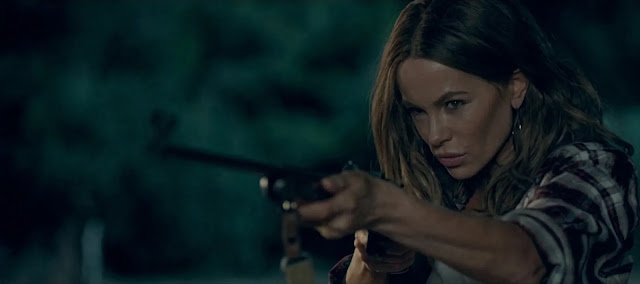
The Rescue Movie It Wants to Be
On screen, Maureen is an ordinary American mother until her ex-husband spirits their young daughter, Amina, out of the country. She teams with Robeson, a mysterious ex-marine played by Scott Eastwood, who teaches her to shoot, to disguise herself, and to move through the underworld of international child recovery. The trail runs through Mexico, Albania, and Beirut, and it widens into a conspiracy with the CIA’s fingerprints on it. Director James Kent shoots it as a lean 105-minute thriller, and on those terms it moves well enough. But the espionage plumbing, the guns, the betrayals stacked on betrayals are the parts the screenwriters built. Take them away and the real case is quieter, slower, and in its own way harder to sit with. You can see why a studio flinched at the truth. A mother winning a ten-year bureaucratic war is every bit as brave as a mother with a rifle, and much harder to fit on a poster. It is the same trick Pressure pulled, dressing a real case in genre clothes.
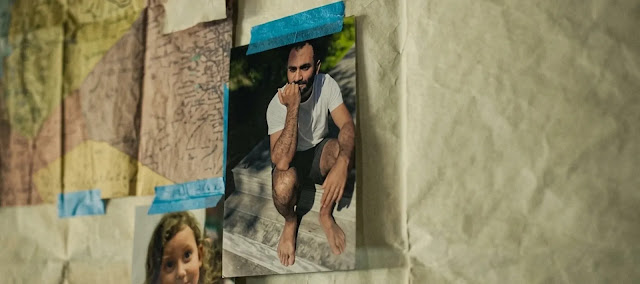
The Real Maureen Dabbagh
The real Maureen Dabbagh lost her daughter, Nadia, in 1993. Nadia was two and a half when her father took her to Syria. Maureen did the slow, unglamorous work the movie has no patience for. She won full custody in American courts. Then she went further and won custody in the Syrian courts too, which almost no one manages. And it changed nothing. The same Damascus ruling came with a trap attached: to keep her daughter, Maureen had to live in Syria and could never take Nadia out of the country. She had won on paper and still could not bring her child home. Nothing broke that wall down. Not the State Department, not the FBI, not even a United States Senate resolution. Years passed. Then more years.
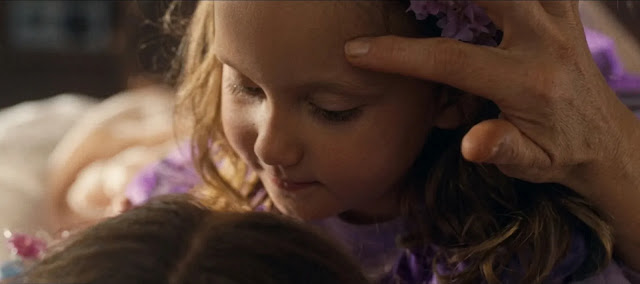
So Maureen did the thing no movie can sell as a third act: she went home and got to work. She founded PARENT, a network for other parents whose children had been taken across borders. In Virginia she trained as a court mediator. And she wrote two books on international parental abduction, one of them titled The Recovery of Internationally Abducted Children. Her weapon was not a pistol. It was paperwork, expertise, and a refusal to disappear. The film skips this stretch entirely. That is a strange thing to leave out, because it is the only part that actually worked. It is also the part that says the most about who she is. Anyone can be brave for the length of a shootout. Staying brave for seventeen years, in courtrooms and on hold with bureaucrats who have forgotten your name, is a rarer and harder kind of nerve, and it is exactly the kind the movie has no idea what to do with.
How Nadia Actually Came Home
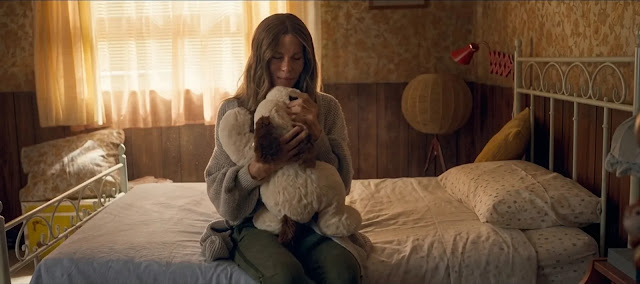
The reunion, when it finally came in 2010, arrived by telephone. Maureen’s phone rang at four in the morning, and it was her ex-husband, telling her their daughter wanted to talk to her. Seventeen years of searching ended not with an extraction team but with a familiar voice on the line who happened to be her own child. What came after was not a triumphant flight home either. By then Nadia was a grown woman who had spent nearly her whole life in the Middle East, and she barely knew the mother she had been taken from. There was no extraction team to undo that, only the slow, unglamorous work of two near-strangers deciding to become a family again. They eventually met once more in Damascus, two people who had to build a relationship almost from scratch. I understand why a film reaches for wigs and gunfire instead. A phone call does not cut together into a trailer, and seventeen years of waiting does not fit in a ninety-second sell. But that waiting is the part no film can show. It is what Maureen actually did, on all the ordinary days when nothing happened and no one was coming. The true version asks something the action version never bothers to: what it costs to keep loving a child across seventeen silent years, and to still answer when the phone finally rings.