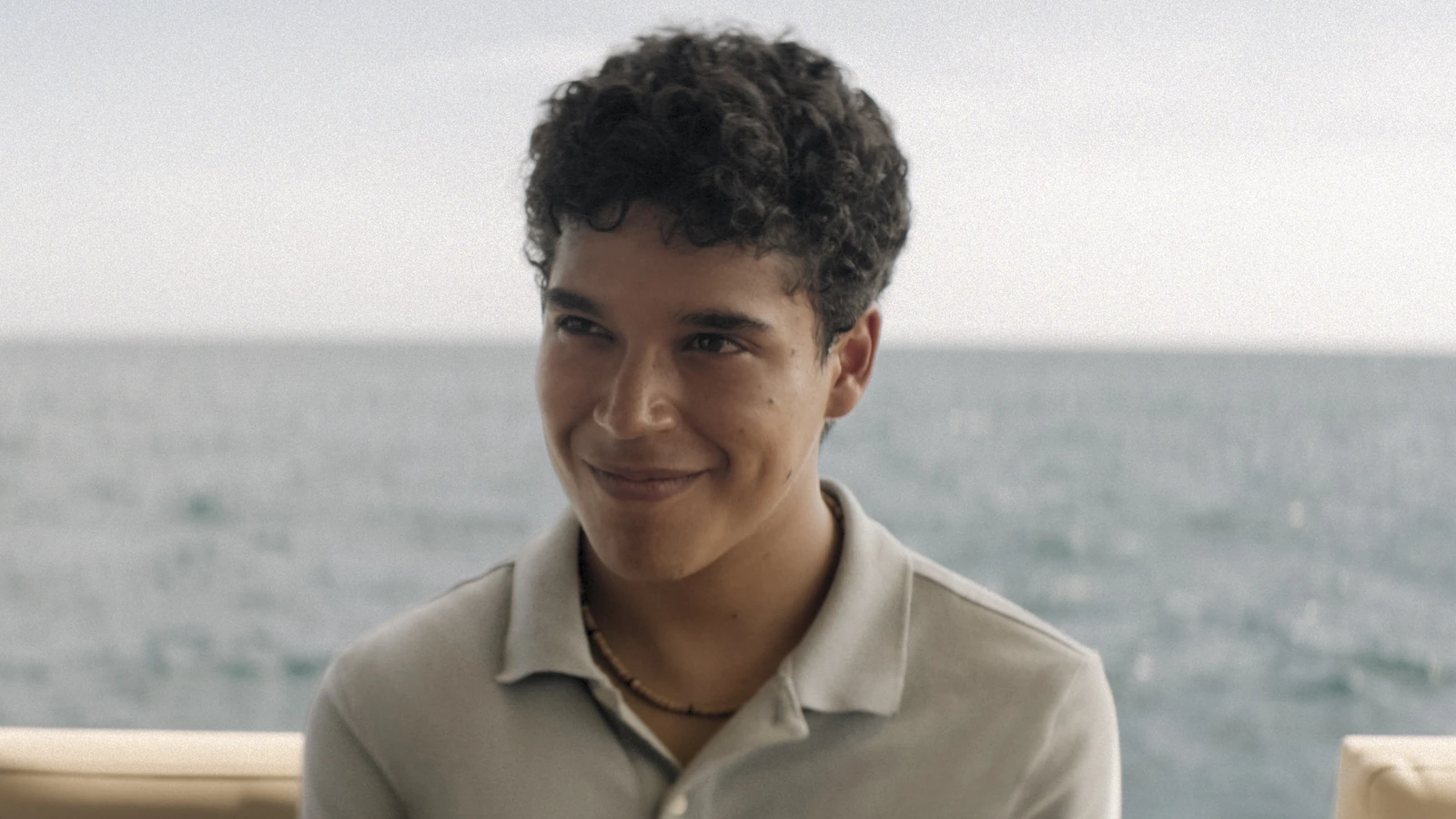
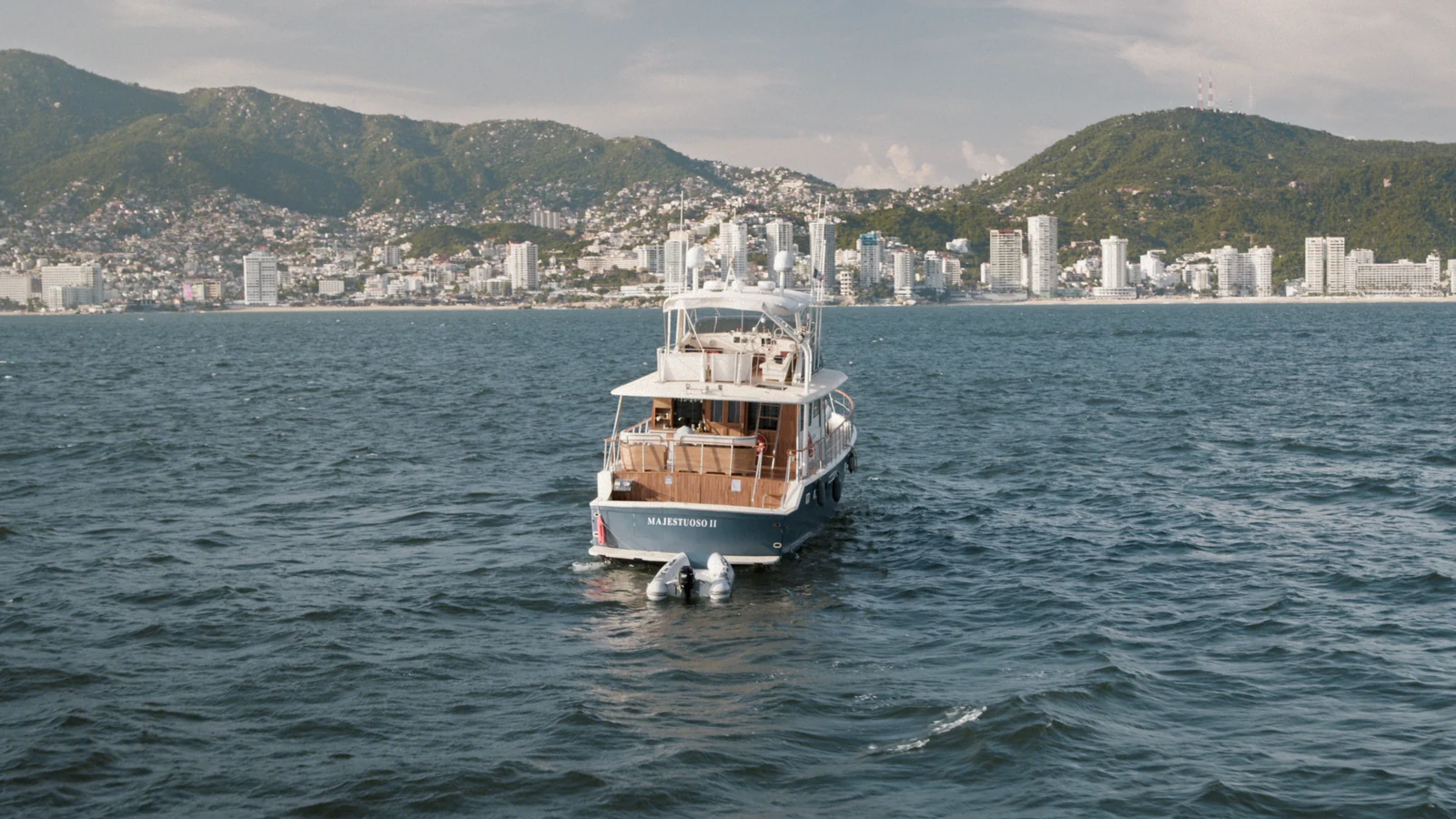
Leaving the yacht ought to be the easiest decision Wirpul makes in Surviving Hurricane Otis. From the safety of shore, it certainly sounds that way. But he has only just become captain, and his employer is telling him to stay. The job gives him something he wants to be proud of, which makes the order harder to refuse. Nor does the water beyond the yacht offer a safe exit. What frustrates me is how firmly his employer’s demand holds as every available choice becomes dangerous. Still, calling him foolish leaves out the uncomfortable part: he is trying to be the kind of employee we usually tell people they should become.
Understanding that attachment does not excuse everything Wirpul does. His half-brother Candi is on the yacht too. Whatever the job means to Wirpul, another person is being asked to live with the consequences of his attachment to it.

The Job He Has Barely Begun
The timing of the promotion matters. In Lucero Calderón’s interview with the director and cast for Excélsior, Wirpul’s appointment comes just before the hurricane, with Candi brought aboard to work alongside him. There has been little time for the title to become ordinary. I can understand why risking that position would feel different from walking away from a job that has disappointed him for years. He is still close to the promise of it, still able to imagine that doing this properly will lead somewhere better.
There is something painful about ambition on that scale. Wirpul is not asking for a life of extraordinary privilege; being trusted with a boat is already an achievement. That modesty makes his pride sympathetic, but it also gives his employer considerable power over him. An instruction can reach further when it seems to come from the person who has opened a door for you. Refusing it may feel ungrateful before it feels sensible. The film’s setup invites that possibility without requiring us to believe that Wirpul has consciously worked through all of it.
The trouble is that protecting the yacht and protecting the people aboard it can stop being the same task. Wirpul’s commitment offers no simple way to recognize that point. Working harder is a familiar response to trouble; deciding that the assignment itself has become unacceptable demands a different kind of confidence. It means trusting his assessment of the danger more than the approval he hopes to earn. For someone at the beginning of a career, that can be a much larger demand than the person issuing the order is willing to acknowledge.
Who Gets to Wait on Shore
The expectation that a crew should remain aboard has a real background. In Beatriz Guillén’s reporting for EL PAÍS, director Jorge Michel Grau discusses the practice of sending workers to guard boats during storms, known as velar. He wanted the disaster to expose social inequalities. That context makes the apparently simple question of why someone stayed feel less innocent. It is easier to call an order absurd when refusing it will not affect your own livelihood, or your hope of being offered work again.
The threat is also more concrete than wounded pride. AFP’s interview with the actors describes his employer threatening their jobs if the yacht is damaged. That gives Wirpul a consequence he can readily imagine, while the storm forces decisions whose outcomes he cannot know. Leaving might save them; entering that sea might also kill them. I would hesitate to judge him as though he were choosing between a dangerous boat and a clear path home. The pressure of work matters, but so does the absence of a reassuring alternative.
I do not read that as a reason to take every decision out of Wirpul’s hands. Doing so would make him little more than an illustration of unfair working conditions. What interests me is the room between being ordered to stay and making that order his own. His hope, pride, and need for recognition may all help keep him there, alongside the employer’s demand. Those feelings deserve attention precisely because they are not contemptible. Wanting to do a job well should not require someone to become suspicious of the very qualities that made him want it.
There is also a distinction worth keeping between the film and the lives behind it. The real survivors whose experiences helped shape the story were friends; Wirpul and Candi are fictional half-brothers. Their family conflict should not be treated as testimony about those men. The change gives the film a particular emotional problem to explore: accepting help from someone whose opinion already irritates you. Danger does not conveniently remove that history. It can make the need to listen more urgent while leaving the reasons for resisting painfully intact.
Listening to the Brother He Resents
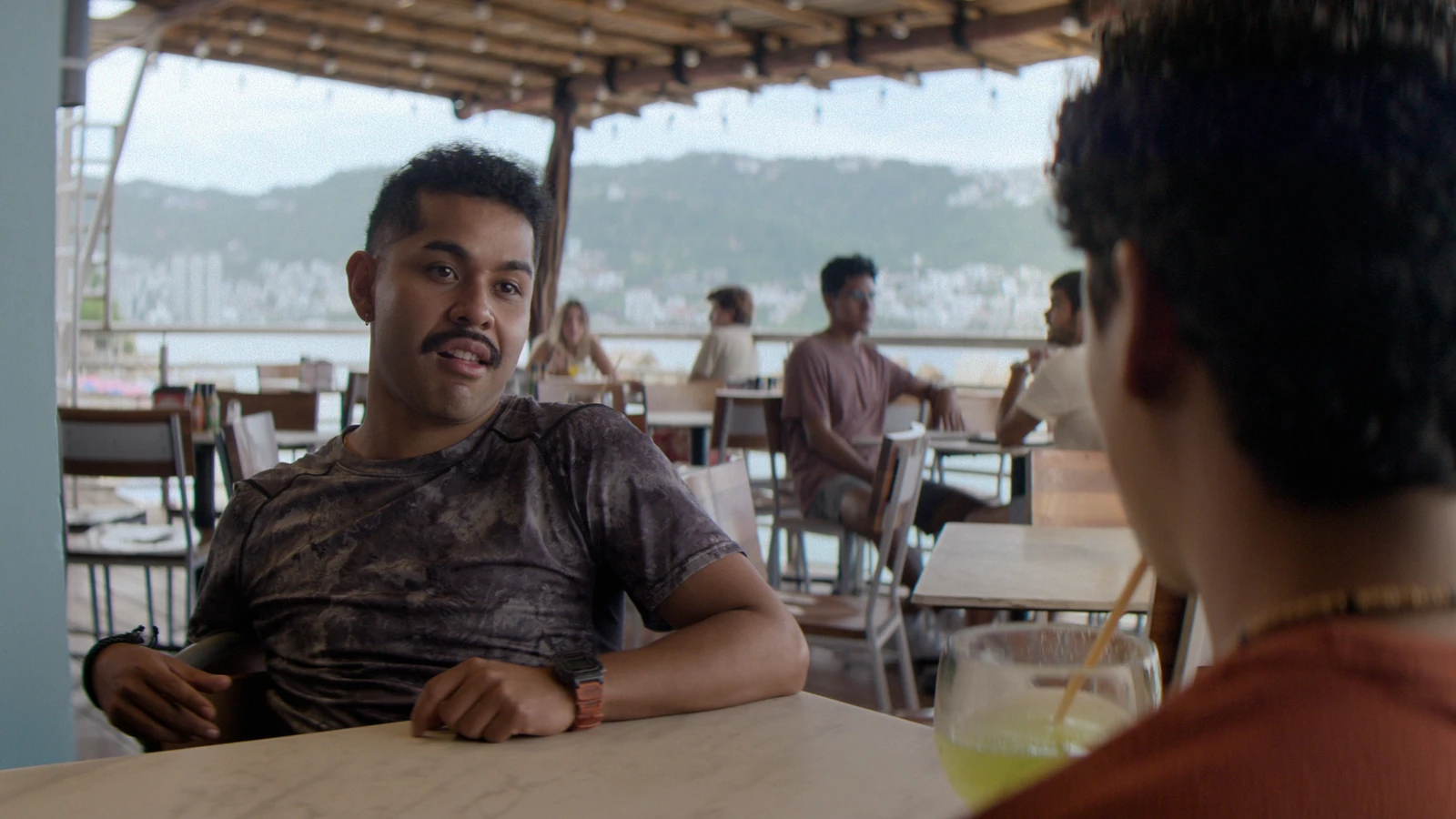
Grau describes the damaged bond between the brothers as central to the film in the Excélsior conversation. That makes Candi’s presence more complicated than simply giving Wirpul a companion in danger. A warning from a person you respect is one thing; a warning from someone with whom you have been arguing can sound like another attempt to undermine you. Wirpul has to hear a concern about their lives through a relationship that has made listening difficult. Being correct about the danger would not necessarily make Candi any easier for him to hear.
This is where the captain’s authority becomes uncomfortable for me. The title may help Wirpul feel capable, but it cannot settle an argument about what the two of them owe each other. Candi has not acquired the same reason to take pride in the yacht. Asking him to share its danger means asking him to protect an ambition that is not his. Their unequal investment in the job gives the disagreement a sharpness that a general message about brotherhood would miss. They need a way to make a decision together without requiring Candi to value the promotion as much as Wirpul does.
Looking back at his hesitation, what troubles me is how much he has allowed the job to decide about his worth. He has only just earned the chance to lead, yet refusing an impossible demand can already feel like admitting he was never fit for it. Candi complicates that judgment simply by being there: his life cannot depend on whether Wirpul feels he has proved himself. I can sympathize with the young captain’s pride and still wish he had given his brother’s fear more weight. Both feelings belong in an account of why leaving was so difficult.