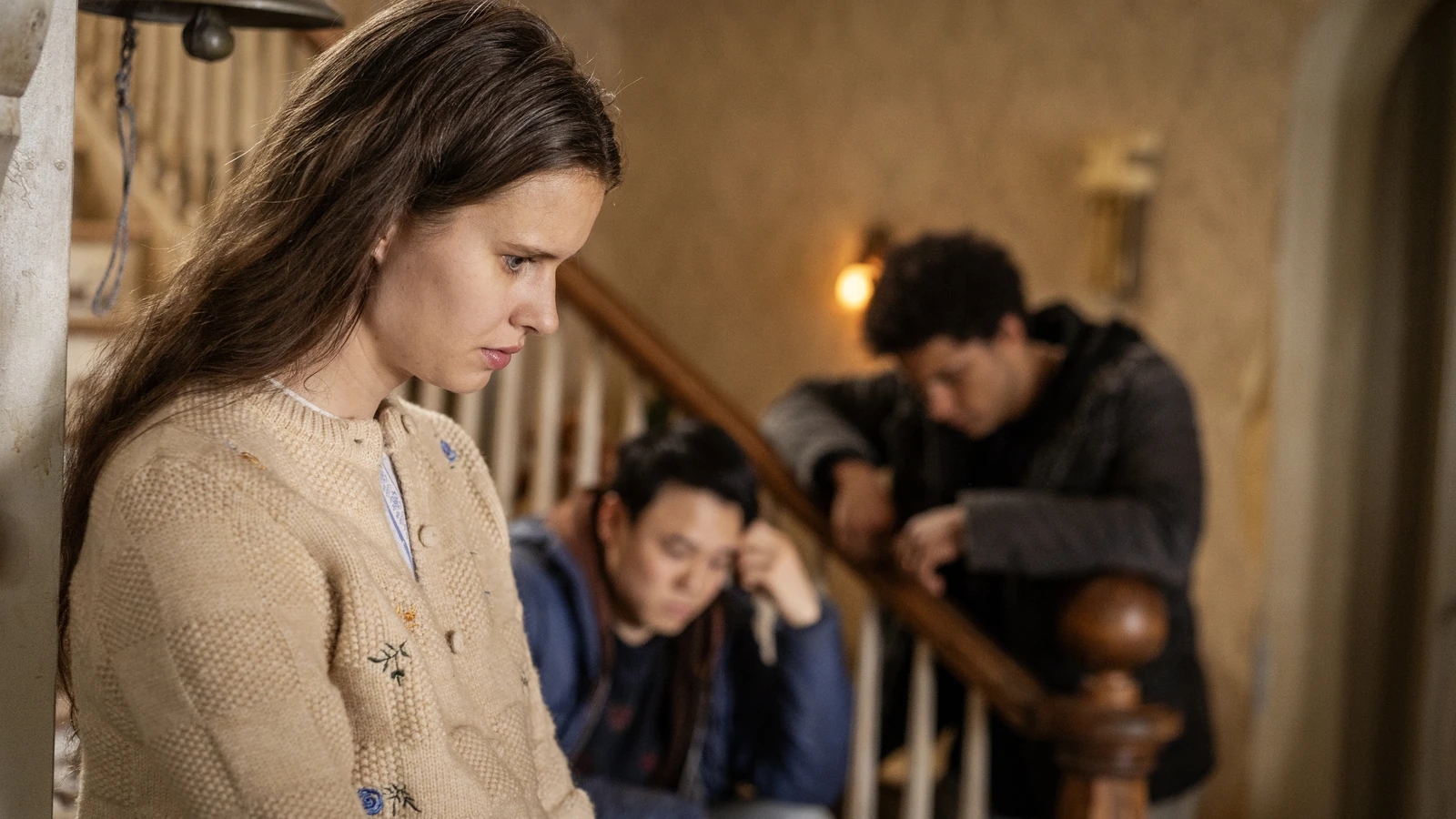
Sara wants to save something in Boyd that she no longer believes she can save in herself. In FROM’s Season 3 finale, she tortures Elgin to learn where he has hidden Fatima, taking over after Boyd has already attacked him. Her intervention gets the information they need. Sara, rather than Boyd, inflicts the further injury. But calling this his salvation asks us to accept a troubling distinction: that Boyd still has a soul worth protecting, while Sara has nothing left to lose. That is how she explains herself. It need not be how we understand her.
The urgency is real. Fatima is missing, Elgin will not reveal her location, and every delay could matter. A reading that ignores her danger would make the scene easier to judge by removing the very thing that makes it difficult. Yet the rescue does not settle what happens between the people searching for her. Sara’s loyalty to Boyd leads her to hurt someone else, and the explanation she gives makes her own capacity for change seem irrelevant. There is care in that loyalty, but there is also a disturbing lack of care for herself.
Sara Believes She Has Less Left to Lose
Sara describes the town as having already taken her soul. The distinction she draws between herself and Boyd is worth resisting. Her past violence matters; recognizing her pain cannot erase the people she has hurt. But there is a difference between accepting responsibility for those acts and deciding that further harm can no longer change who she is. The latter leaves her with a frightening kind of freedom. If she considers herself beyond recovery, another act of cruelty can begin to look like a useful service she is uniquely able to provide.
That makes her wish to protect Boyd more painful than a simple declaration of devotion. She gives him the possibility of remaining a good man while speaking as though that possibility has closed for her. The unequal generosity is what troubles me. It is possible to understand why she values him without agreeing that she should become the person who does whatever he cannot bear to do. Boyd’s limits matter to her. Her own limits, in this moment, seem to matter much less.

Elgin Met Sara Before He Knew Her History
Their earlier relationship makes this harder to reduce to a ruthless person dealing with an obstacle. In a Season 2 interview with LadyJenevia, Avery Konrad explained that Elgin’s unfamiliarity with Sara’s history allowed them a connection she had been missing: he could approach her as a person rather than immediately as a killer. That observation belongs to their earlier meeting, not to an explanation of the finale. Still, it gives the later encounter a particular sadness. Someone who once offered Sara room to be more than her past becomes the person she hurts while insisting that her past has already decided what she is.
Elgin’s behavior is not harmless because he believes he is helping. He has hidden Fatima and refuses to tell the others where she is. His certainty places her in danger, and Sara recognizes the pattern of being persuaded that terrible actions will produce a rescue. There is a possibility of understanding between them that would not exist with just any interrogator. It does not persuade him. That failure matters, but it does not establish that understanding itself was foolish, or that violence was the only conceivable answer.
The temptation is to let the information Sara obtains answer every objection. Fatima can be found; therefore, the brutality has worked. Within the emergency, that result has undeniable value. Outside that narrow measure, Elgin remains a person who has been grievously injured. He does not become less real because his beliefs are disastrously wrong. Holding on to that fact does not require pretending he would have talked if someone had found the perfect words. It requires leaving his suffering in the account when we decide what Sara has accomplished.
Boyd’s Responsibility Does Not End When Sara Takes Over
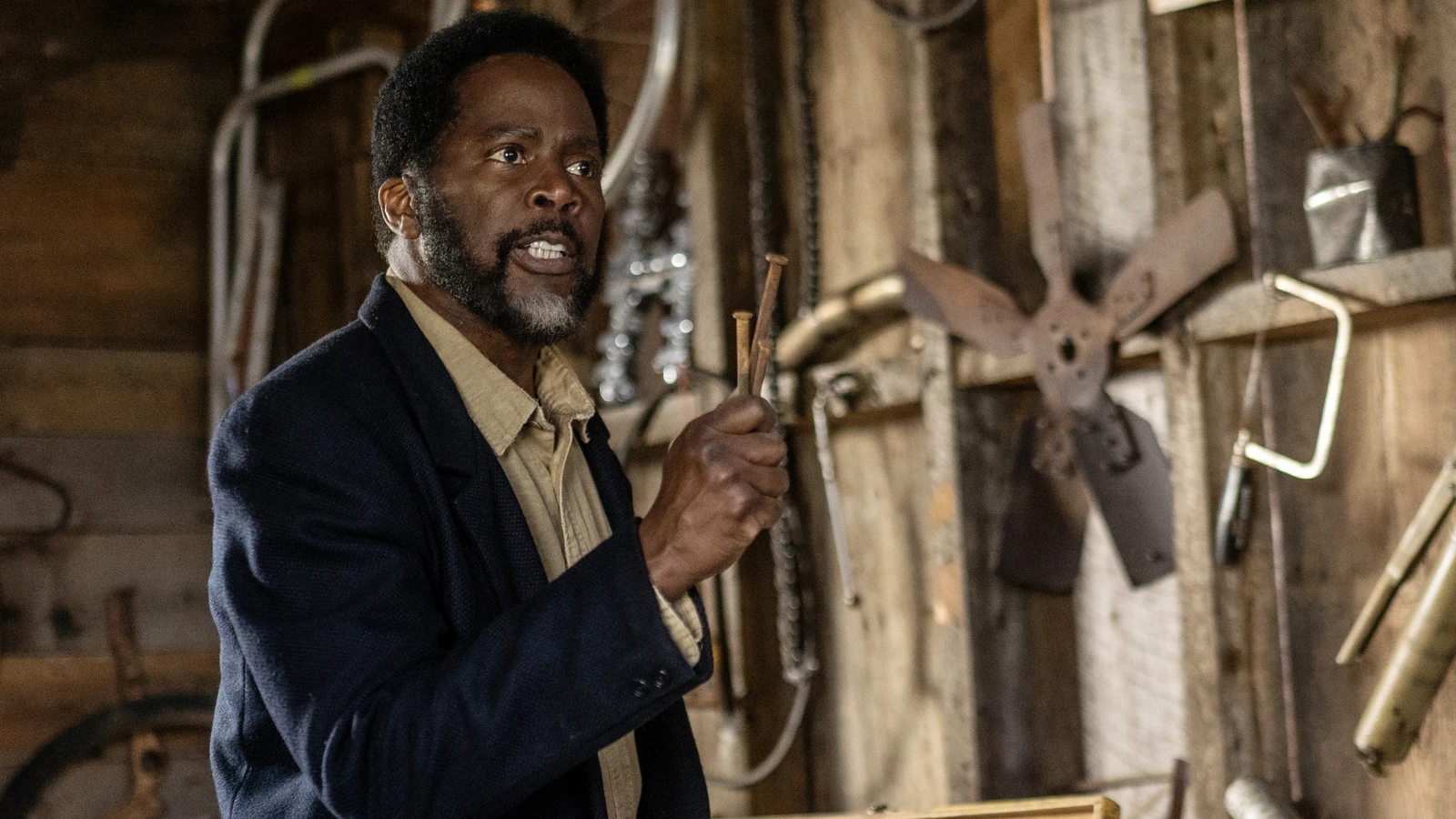
Boyd has already used a hammer on Elgin before Sara intervenes. This is the difficult fact that a generous account of her protection cannot get around. He has begun the violence himself, so her intervention cannot preserve an innocence he has already compromised. By taking over, Sara puts the next act of violence on her own conscience, but she cannot give him back a version of the evening in which he chose differently. Her action changes who commits the next injury. It does not change who committed the earlier one.
Harold Perrineau offered a more hopeful view of Boyd in his finale interview with BeatsBoxingMayhem, describing Sara as a protector and Boyd as not yet broken. That reading has room for what he still might become, and it is worth taking seriously. A person who has done something terrible has not necessarily lost every chance to act differently. But extending that possibility to Boyd should make it harder, not easier, to withhold it from Sara. If there is still something in him to preserve after he has hurt Elgin, her own history cannot automatically settle the question of what remains in her.
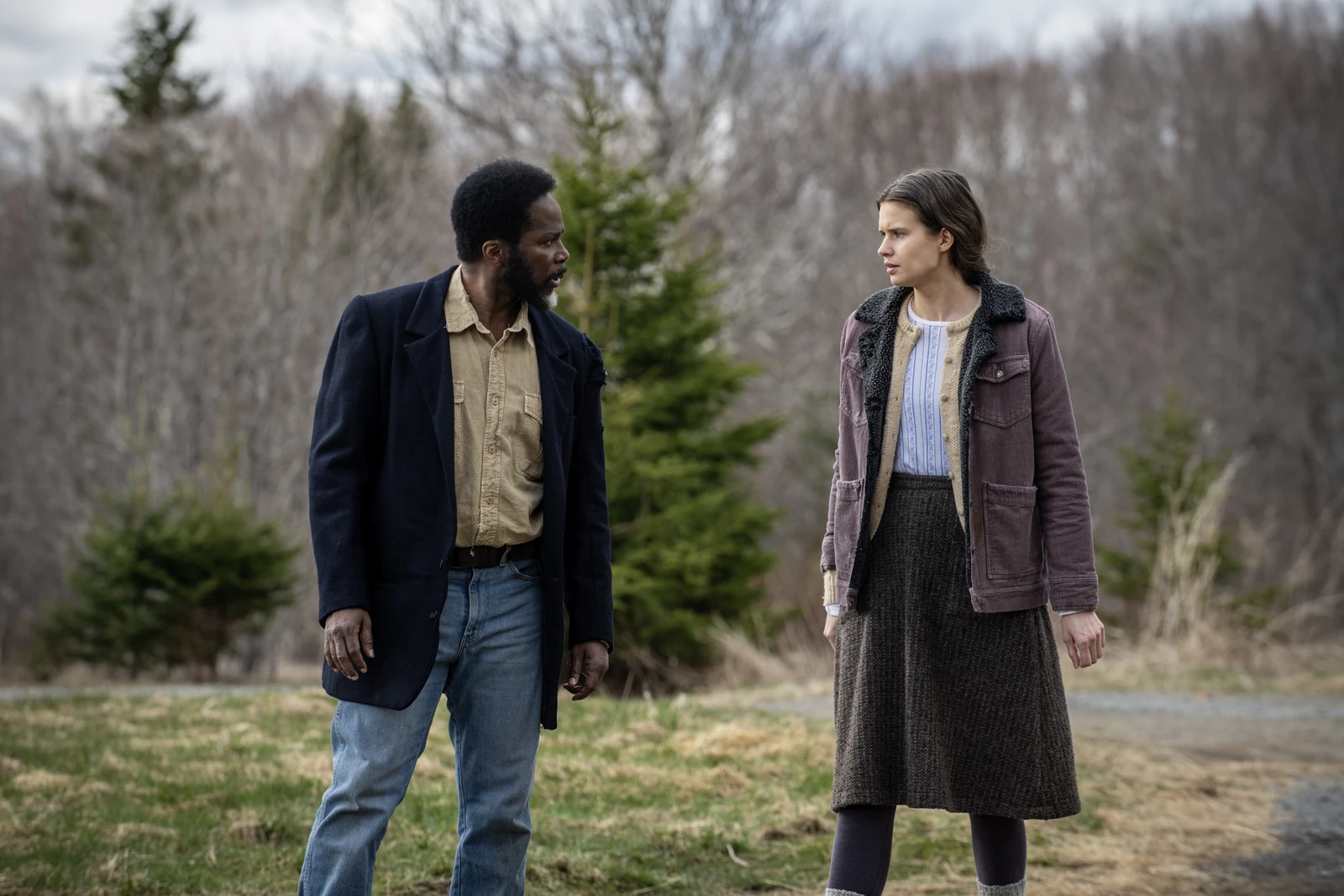
Calling Sara Boyd’s savior can sound like praise while leaving her trapped in a role she has assigned herself. She becomes useful because she is willing to do the damage, and his goodness becomes the reason she should keep doing it. The more generous response to her would be to refuse that arrangement. Her loyalty need not be dismissed, and the harm she causes must not be excused. Both can be true without accepting that she has finished being someone whose next choice matters.
By the end of this encounter, Sara has helped the others find Fatima and has inflicted an injury that cannot be wished away. Boyd still has to answer for what he did before she entered the room. Sara, meanwhile, deserves to be understood as more than the person prepared to go further. Her claim that she has nothing left to protect is part of the tragedy here. Accepting it as the truth about her would leave her alone with the harshest judgment she has made about herself.