The mother at the center of Nothing to Lose asks for something hospitals run every day: one blood test. The boy who could give it is not her own sick son but a stranger, a possible donor being raised by another family a car ride away. That family says no, the law backs their no, and every official she meets is sympathetic and useless in the same breath. So Jada carries a gun into a pediatric ward, and Netflix’s French drama stops being a medical weepie and becomes the number three movie in America.
Everything past this sentence spoils the film to its last scene, so step out now if you are mid-watch. The short answer: the transplant happens, Noa lives, and the person who makes that possible is a ten-year-old who overrules his own mother and father. That last part is what the movie is actually asking you to sit with.
A Blood Test Nobody Will Run
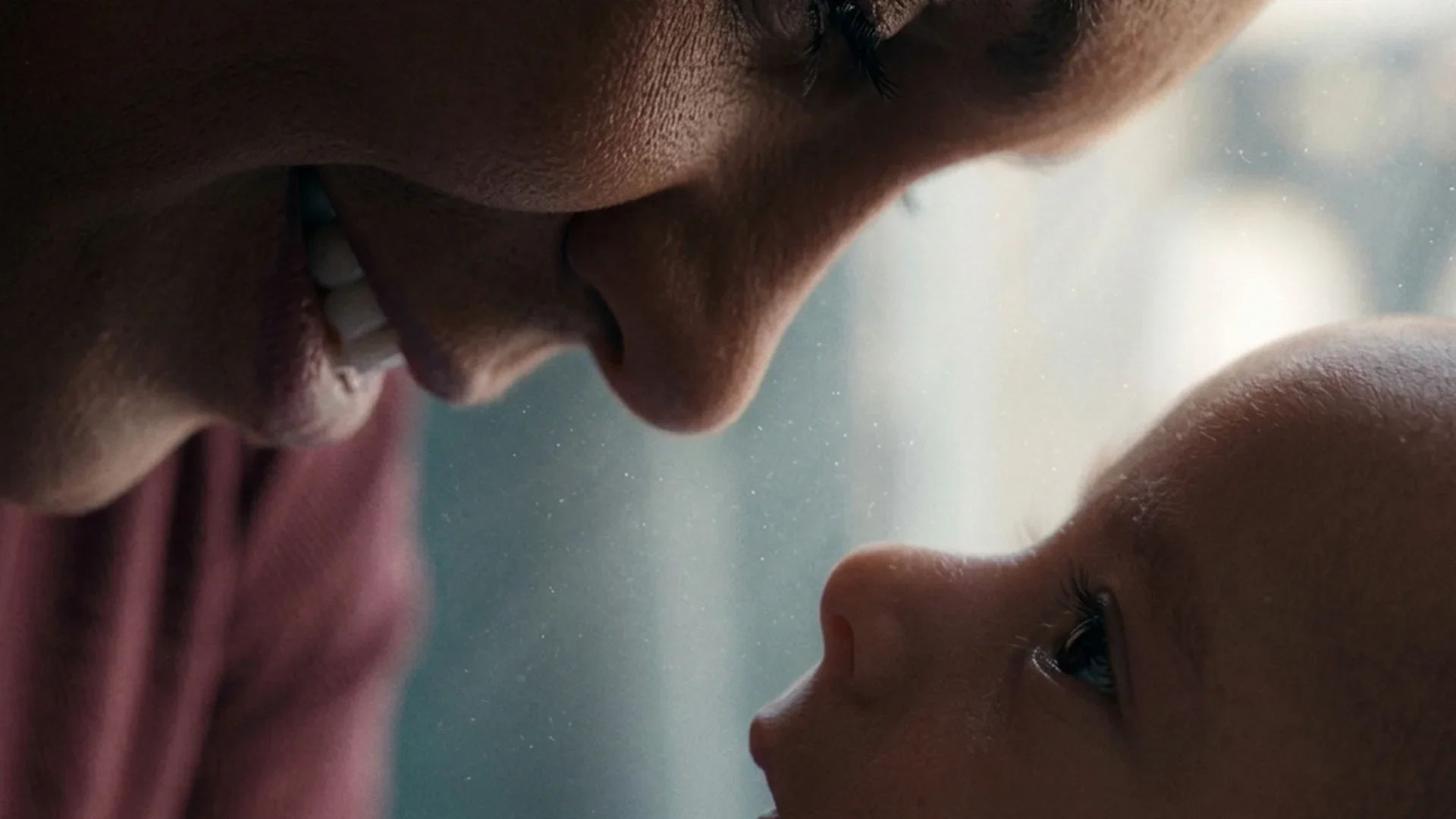
Jada (Nawell Madani, who also co-directed the film with Ludovic Colbeau-Justin) spent years trying to become a mother before she and her husband Paul (Guillaume Gouix) conceived through embryo donation. A decade later their son Noa is diagnosed with an aggressive leukemia, and his one realistic hope is a bone marrow transplant from a compatible donor. The premise hides a cruel wrinkle. Because Noa was born from a donated embryo, a genetic sibling exists, raised by another family. The fertility clinic knows exactly who he is. Privacy law forbids anyone from saying, and when the other family is quietly approached, they decline to have their son tested. They do not want a hospital anywhere near their healthy child. No villain in sight, and Noa is dying anyway.
The Standoff
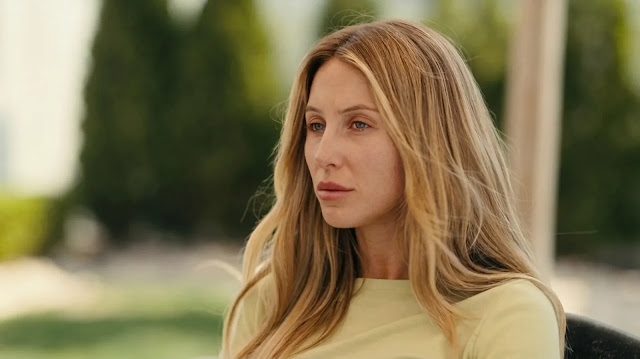
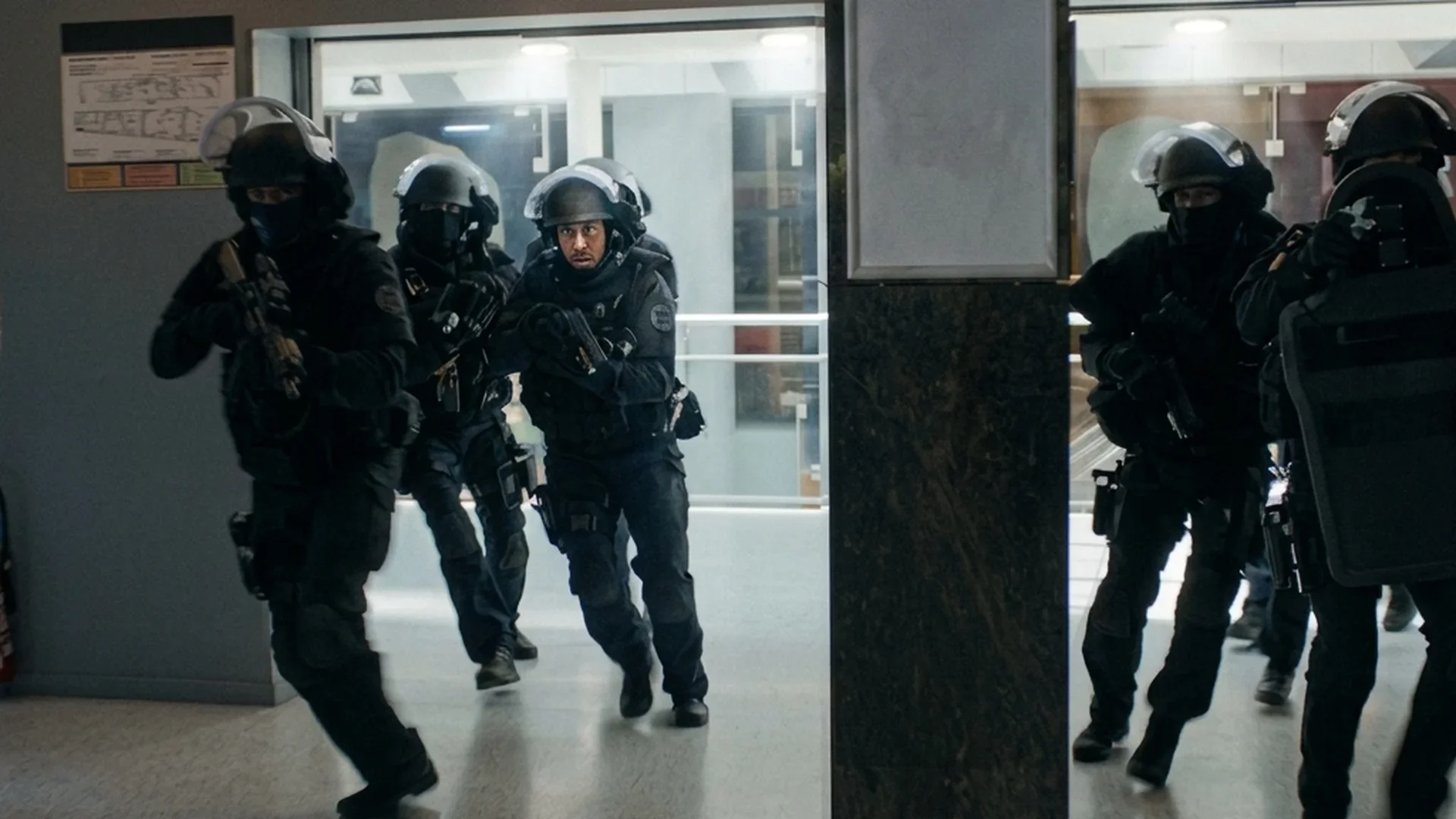
The hostage act is not a plan so much as a detonation. Jada seizes the pediatric oncology ward where Noa is being treated and puts one demand on the table: find the donor, run the test. She makes her case on live television, about waiting lists, about a registry nobody signs up for, about a system that answered her at every window with a form. The movie gives her a doctor, Bonfanti, who bends further than any real one would, and it gives the crisis enough hours for the country outside to start arguing about her. Some of it stretches belief, and critics have said so loudly. What holds the stretch together is Madani herself, who plays Jada less like an action hero than like a woman astonished at what her own hands are doing.
How Adrien Says Yes
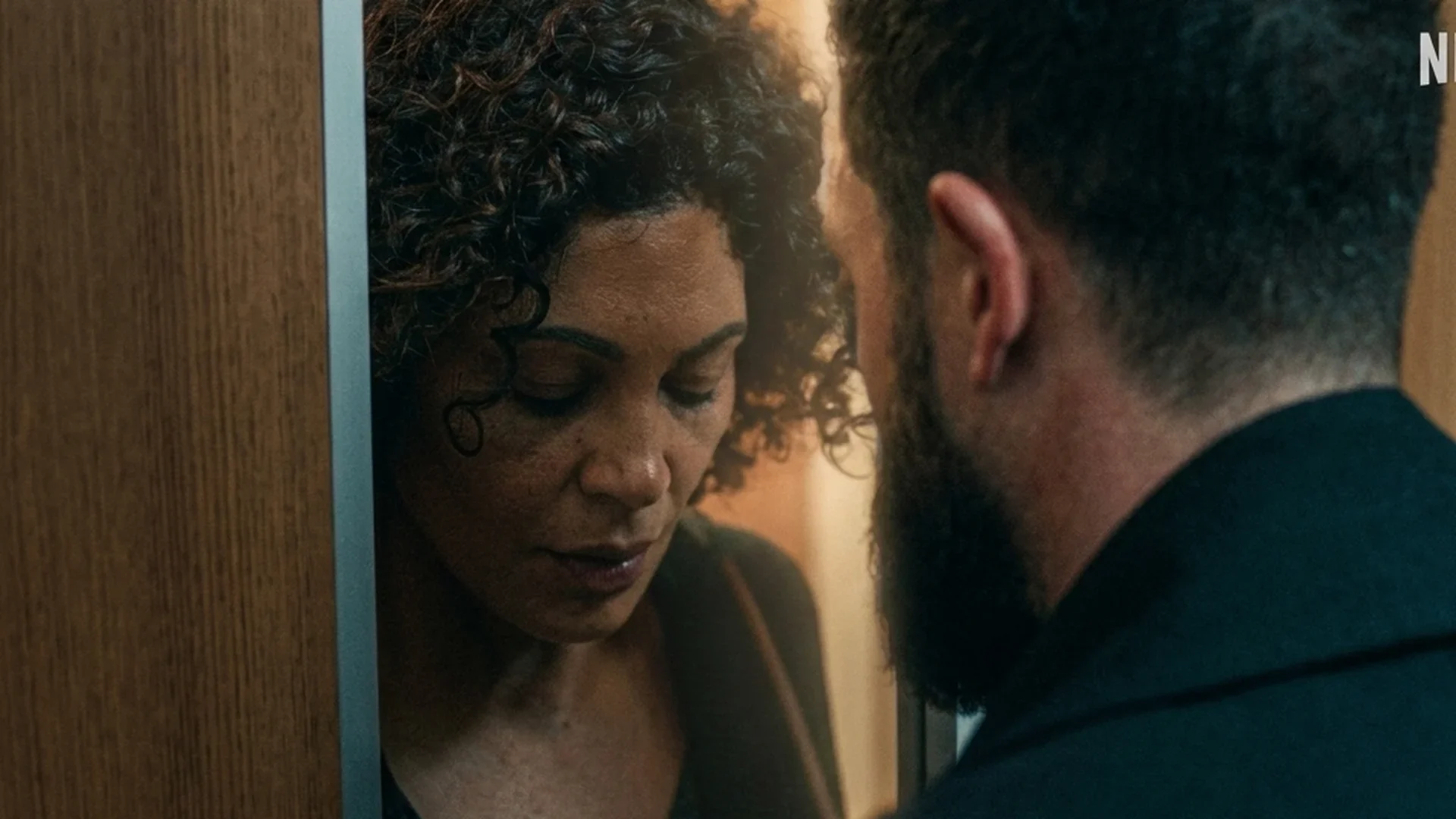
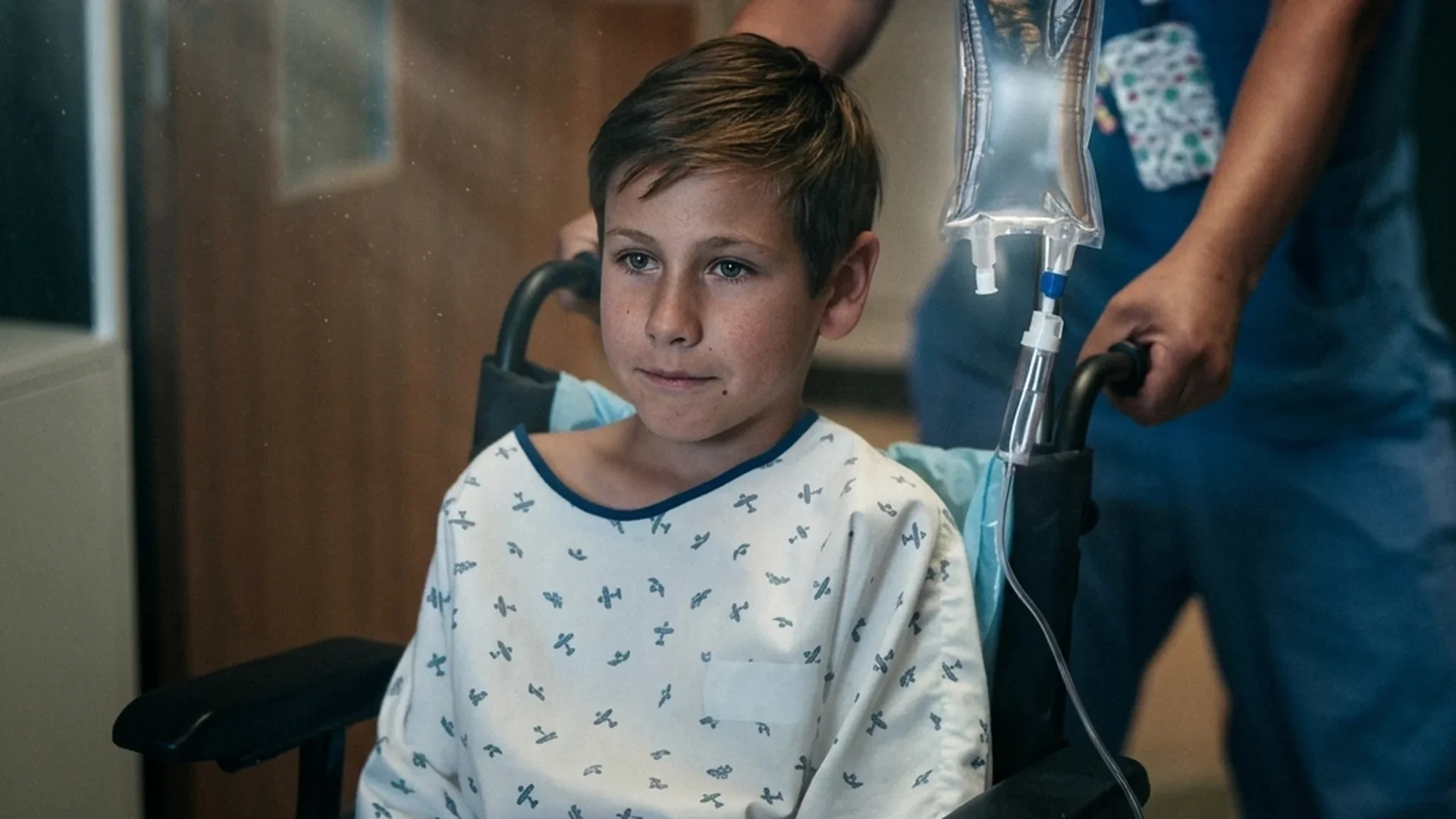
The ending moves fast. With the authorities closing in, Bonfanti helps Jada slip out of the hospital, and she and Paul drive to the home of Agnes, the other mother. The scene inside that house is the tensest in the film, two families who owe each other nothing, one terrified of losing a son and one terrified of risking him. The knot is cut by the person every adult has been talking over: Adrien, the boy himself. Once he understands that the donation will not endanger him and that the stranger dying in a hospital bed shares his blood, he says he wants to do it. The transplant goes ahead, and it works. Jada and Paul are taken in for what they did; the film does not linger on the charges. Its last images belong to Noa and Adrien recovering side by side, two boys who arrived as strangers and leave as something like brothers, before a closing card asks viewers to consider joining a bone marrow registry.
The No the Movie Cannot Argue With
Most of the coverage treats Agnes and her husband as the obstacle. Watch their scenes again and they are simply correct. They are asked to volunteer their healthy child for anesthesia and a needle in the hip on behalf of a family they have never met, and everything they know about the situation arrived attached to a woman holding a ward at gunpoint. Refusing that is not cowardice. It is parenting. Which is why the film has to reach past them to Adrien. The only character who can grant the happy ending is a child claiming a say over his own body, against both of the people whose job is to protect it. I admire the movie for planting that discomfort, and I am not convinced it knows the discomfort is there; the closing card about donor registries suggests it believes it made a film about a system, when the harder film it half-made is about consent. That gap is why the thriller turn rings hollow for some viewers, and why the ending stays with you anyway.
Is Any of This a True Story?
No. The film is fiction, written for the screen, and no real hostage case sits behind it. What is real is the shape of the problem: registries are short of donors, matches between strangers are rare, and privacy rules around embryo donation do wall genetic siblings off from each other in real life. The original title is Jusqu’au bout, roughly “to the very end,” which tells you what the movie thinks it is about. It runs a brisk 99 minutes, it arrived on Netflix on July 8, and within a week Americans had pushed a subtitled French-Belgian drama into their top three. Some of that is the premise doing its work. My guess is the rest is parents pressing play and quietly running the question on themselves: which set of them would I be?