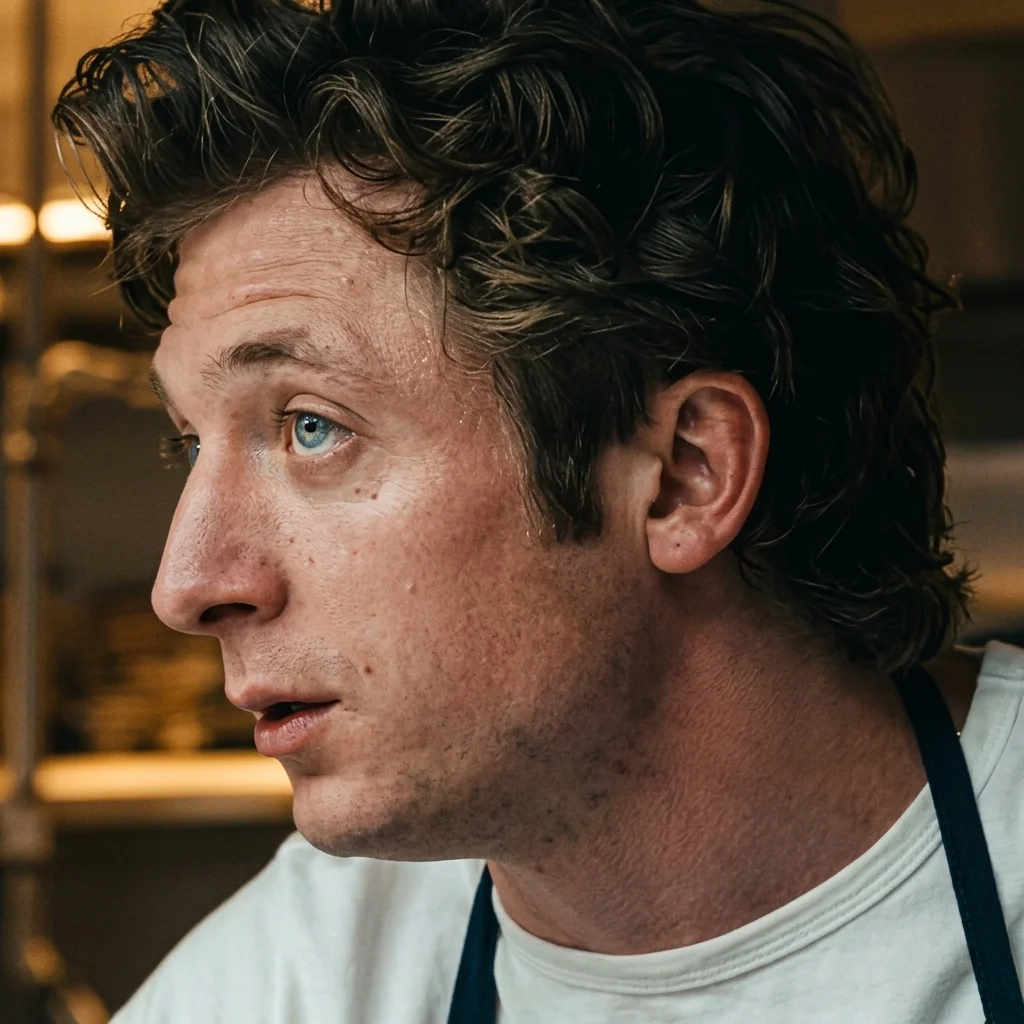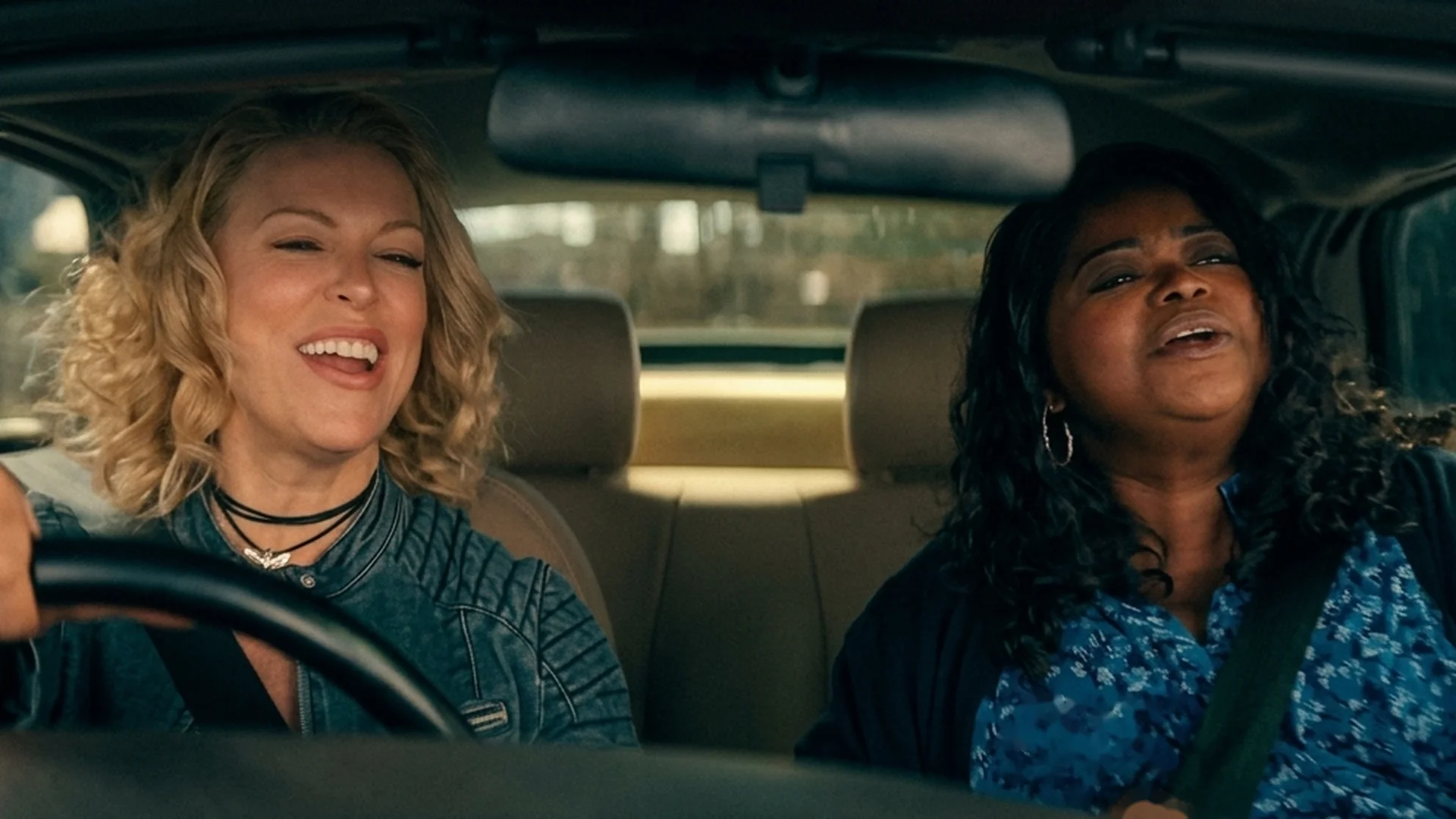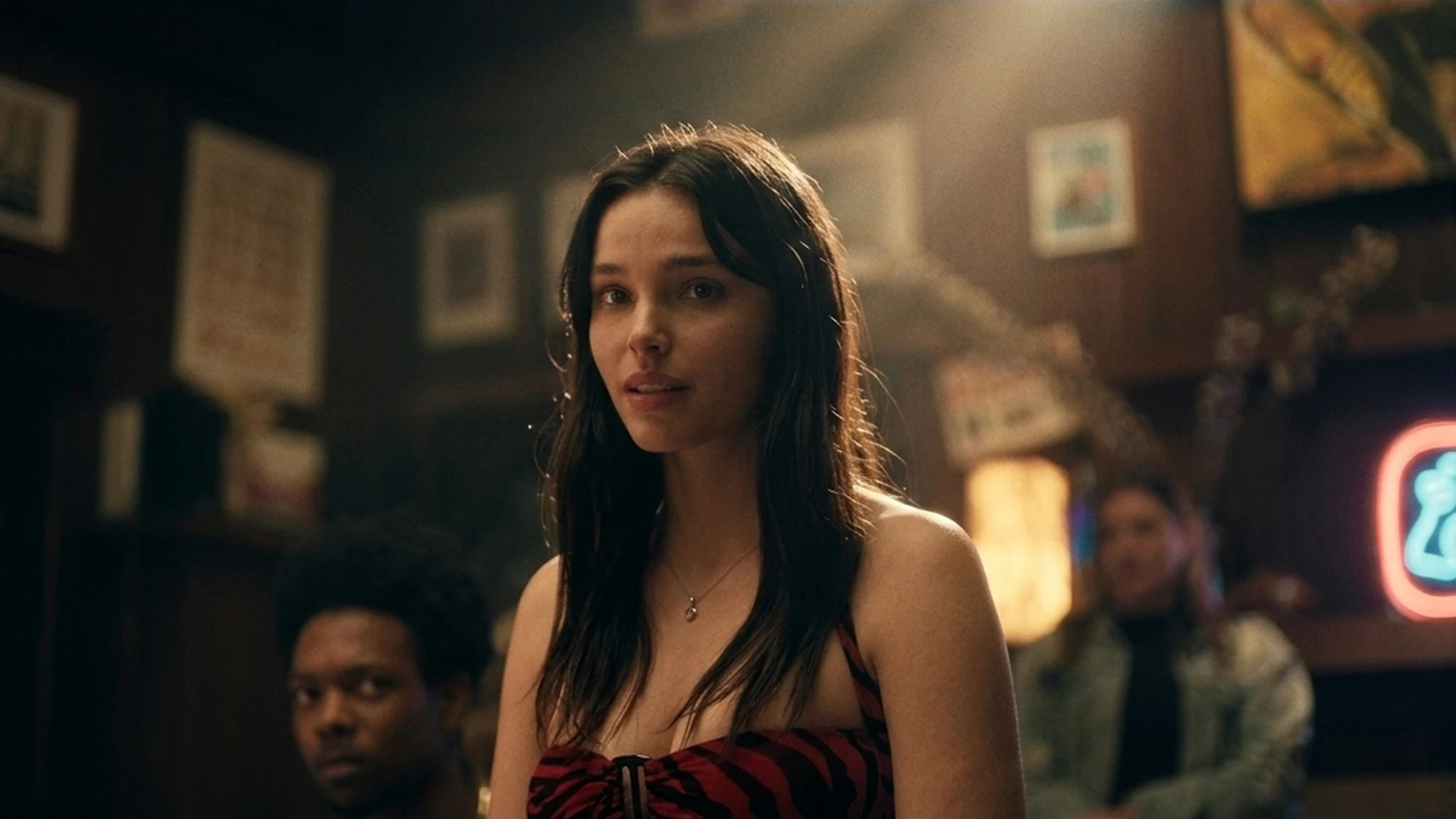
Bear gets exactly what he wishes for. The tragedy is that it works. He asks a cheap occult trinket to make the girl he loves want him more than anyone in the world, and it obeys him to the letter, which turns out to be a kind of murder. If you are here because you just finished Obsession and want the ending laid out plainly: yes, people die, most of them at Nikki’s hand, and no, the girl doing the killing is not really Nikki by the end. Here is how the wish works, who it takes, and why the only switch that turns it off costs Bear the one thing he never meant to spend.
What the One-Wish Willow Actually Does
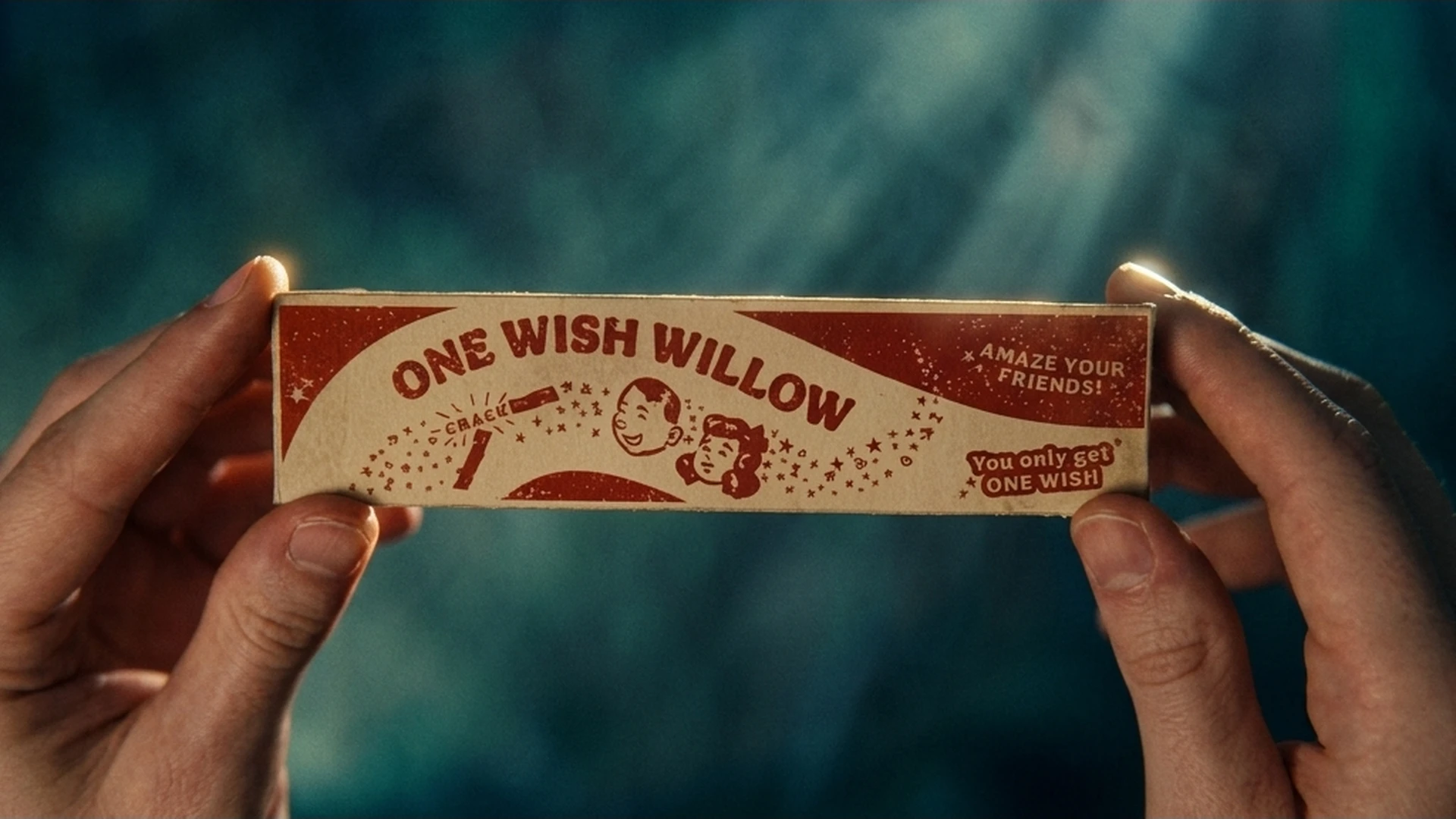
Bear (Michael Johnston) buys the willow as a joke, a piece of occult-shop junk he never believes in for a second. He makes one wish: that Nikki (Inde Navarrette) would love him more than anyone in the whole world. The film’s cruelty is in how literally it listens. It does not hand him Nikki’s affection. It gives him something willing to love him at that impossible volume, and to manage that, it has to hollow out the real girl and move into the space she leaves. What looks like a dream arriving is a possession getting started. The trinket keeps its own cold rules, and the movie states them clearly enough: a wish, once made, cannot be argued with or taken back. It ends one way only, and that way is a death.
Who Dies Along the Way
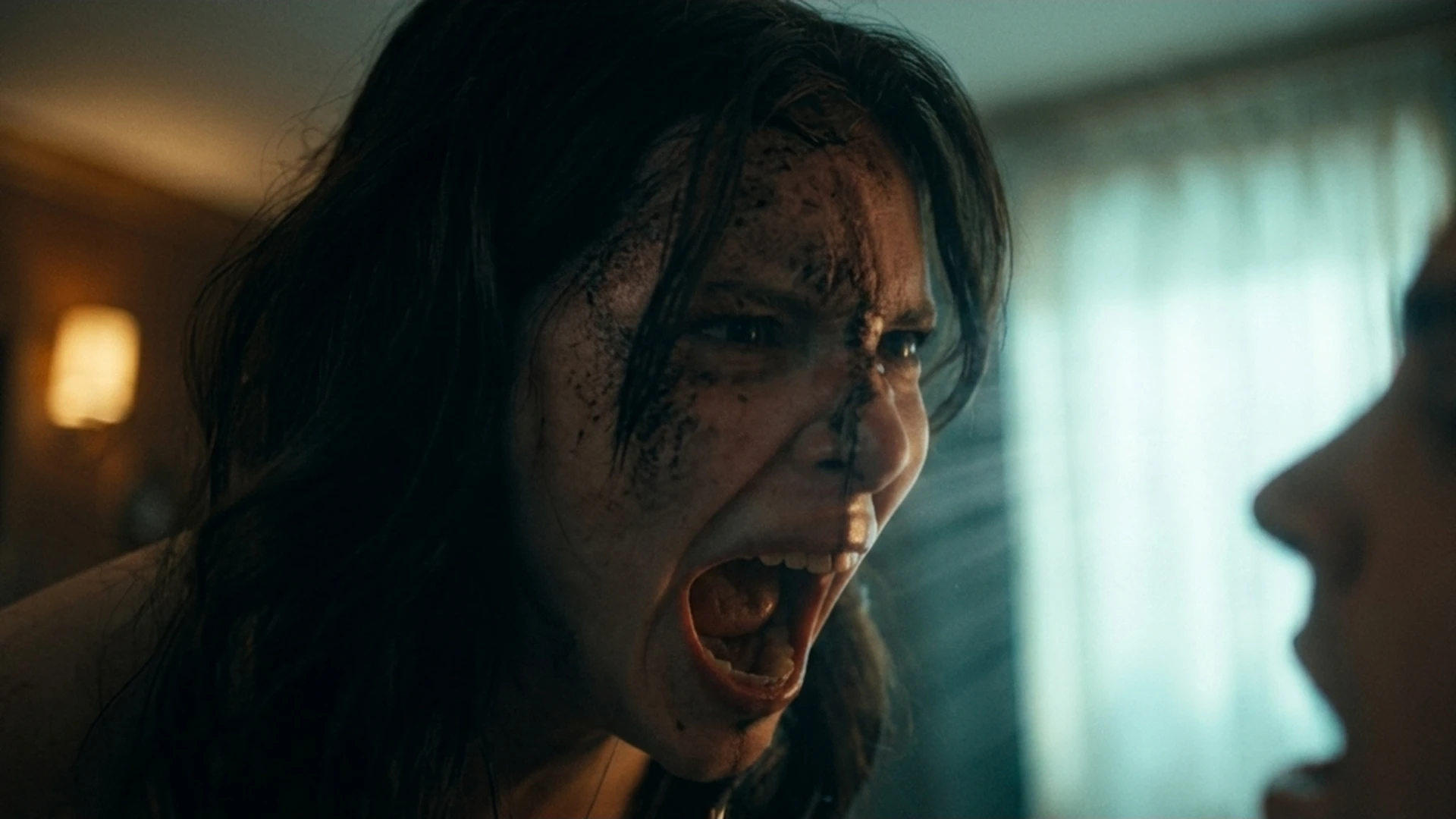
Once the wish takes hold, the body count is not shy. The thing wearing Nikki turns first on the friends who saw the change coming, killing Sarah and then Ian in stretches of violence graphic enough that the film reportedly trimmed itself to dodge an NC-17. Each death clears one more person from the space between Bear and the total, airless devotion he asked for, which is the real engine of the horror: the spell reads his want literally and deletes every obstacle to it. Bear spends the back half of the movie understanding, too slowly, that the girl he wanted is mostly gone, and that whatever is running her now is doing unspeakable things in her name and, in a sense he cannot wriggle out of, on his behalf.
The Only Thing That Breaks the Spell
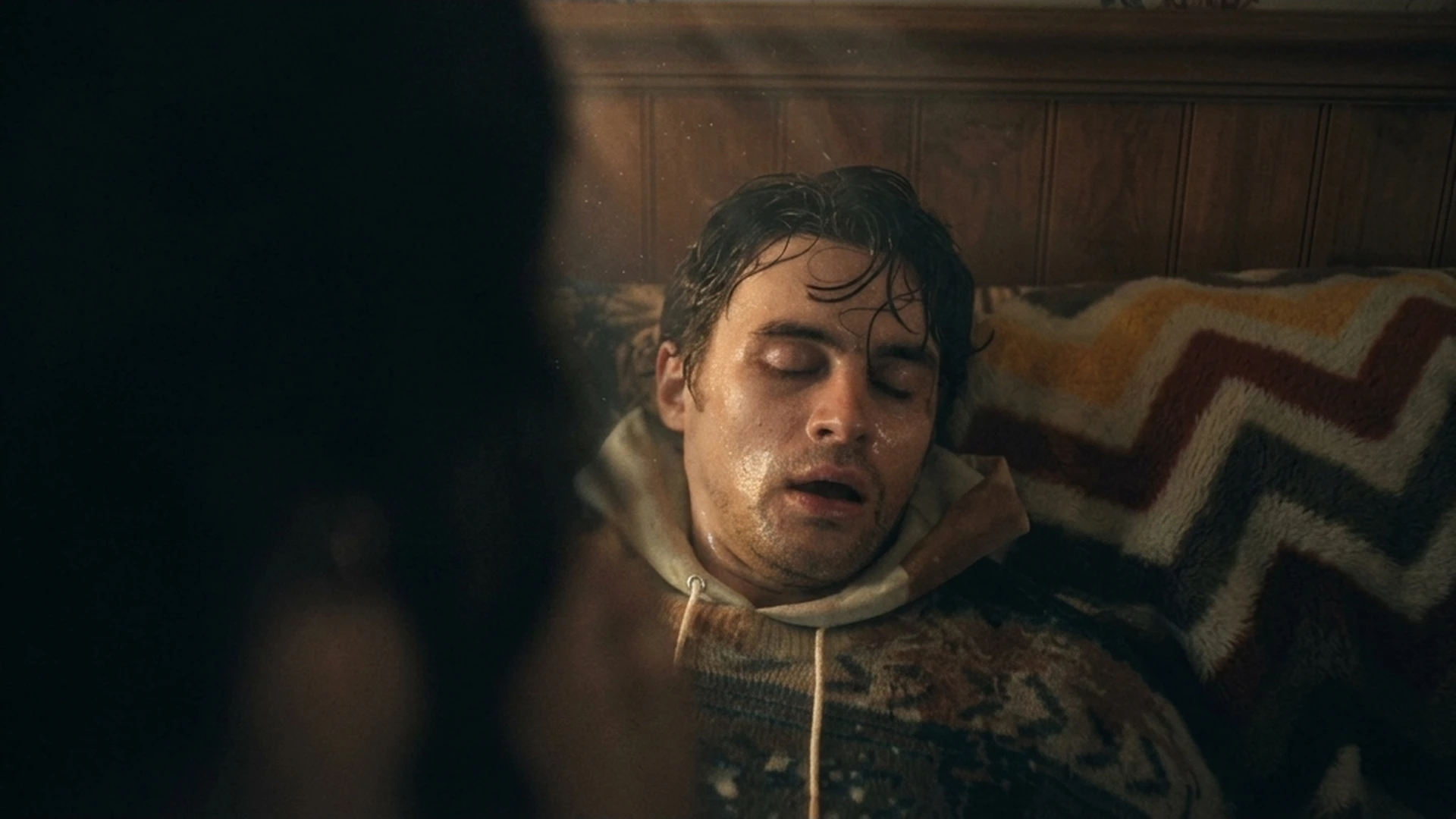
Bear finds out there is exactly one exit, and it is the one nobody wants. The wish dies when the wisher does. He tries to shoot himself and cannot go through with it, so he swallows his prescription instead, an overdose meant to end the whole nightmare by ending him. And then, under the scene, the willow’s small chime rings a second time. It is not his wish now. It is hers. Somewhere in the wreckage Nikki made the same wish he did, that he would love her past all reason, which means the boy dying in her arms is the one now keeping her spell alive. His death breaks it. The obsession drains out of her in real time, and the first clear-eyed thing she does is shove him away in disgust as she understands, fully, what the two of them wished on each other. If you have read the ending of Undertone, you already know this year’s horror trusts its final image to sit there unresolved rather than tie a bow on it.
The Ending Barker Almost Shot
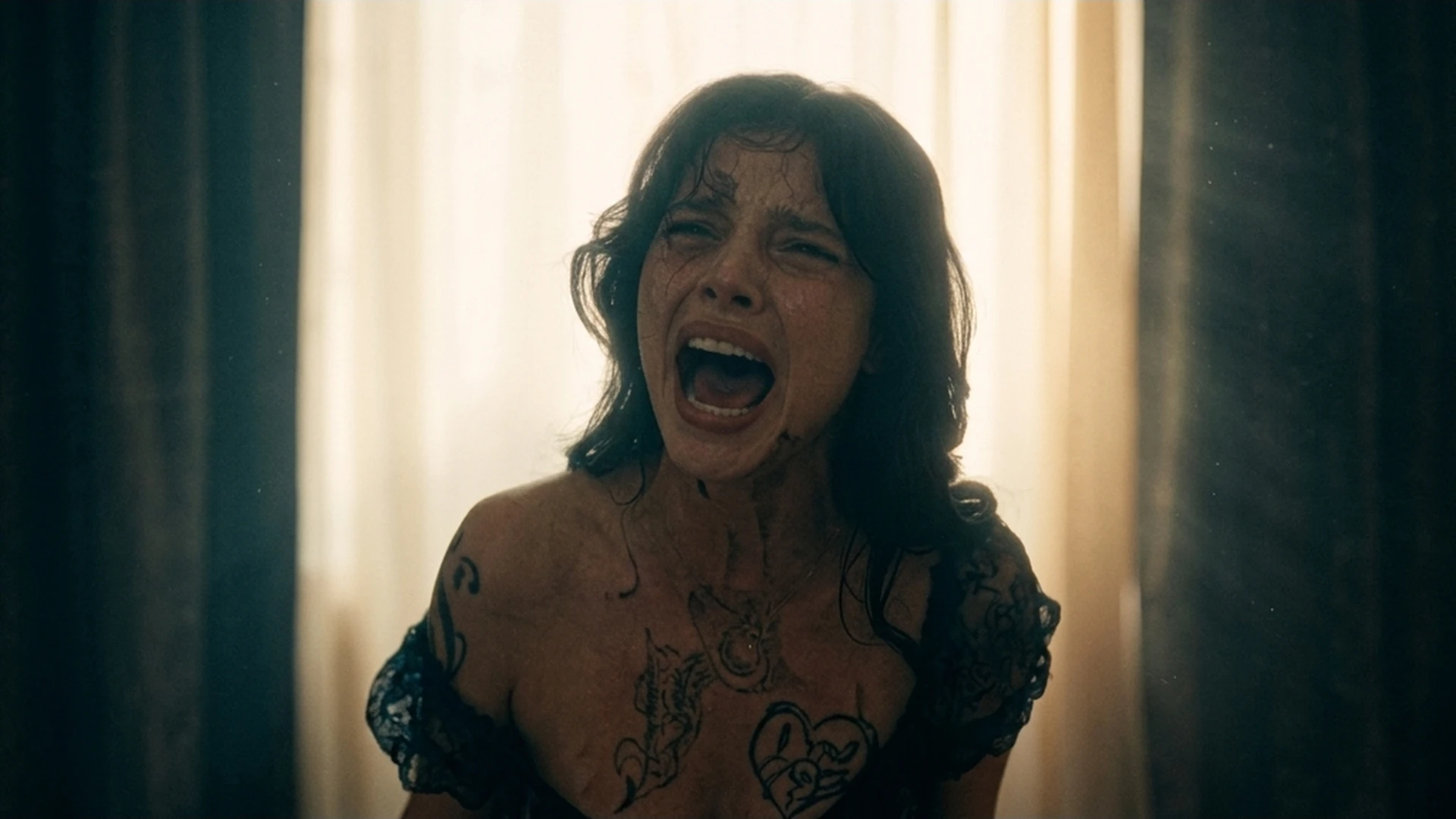
Curry Barker, who wrote, directed, and edited the film, has said the version audiences see was not the one he first cut. In the original ending, Nikki takes her own life in the grief that comes after. He changed it late, and his reasoning is worth sitting with: she is a final girl, and a final girl does not do that. She stays. She sits with the grief. It is a small edit that quietly rewrites the whole meaning. A double death would have been tragic and clean, the kind of ending that lets an audience file out feeling the shape of a tragedy. Leaving Nikki alive and gutted, holding the boy whose death is the only reason she is free, is worse, and closer to what the movie is actually chasing.
The Curse Was Being Loved That Much
Strip the monster machinery away and Obsession is about a boy who asked to be loved more than anyone in the world, got it, and paid for it, and the film’s real argument is that the wish itself was the curse. Devotion at that volume is not romance. It is possession with softer lighting, and the only mercy left in it is to end it. Bear’s death is a sacrifice, but the movie refuses to let the sacrifice redeem him. It just moves the grief off him and onto Nikki, who now has to carry it wide awake. That is the last turn of the knife. Love that big does not save anybody. It only decides who has to keep living with it.
None of this was supposed to reach past a small crowd of horror fans. Obsession was shot in Los Angeles for about 750,000 dollars, opened to a modest 17 million, and then simply refused to leave, riding word of mouth to roughly 238 million dollars domestic and 375 million worldwide. That makes it the highest-grossing film Focus Features has ever released, past Downton Abbey, and one of the few original movies with no franchise behind it to clear 200 million in the US, the same rare air as Sinners. It is the year’s other small movie that outgrew everyone’s math. For now it is a digital rental sitting at number one on the iTunes movie chart, with a Peacock stream expected to follow. A 750,000 dollar wish, it turns out, was worth a great deal more than anyone bet on it.