Glen Powell smiles, and you forgive him almost anything. That is the entire engine of How to Make a Killing, and it is also the reason critics and audiences walked out of this movie into two completely different rooms.
The film opened in theaters back in February and barely registered. Twenty million dollars, a number it only just cleared past its budget, an A24 release that comes and goes before you have decided whether to see it. Then on June 19 it arrived on HBO Max, and within a day it was the most-watched movie on the service. A film about a man who gets away with everything got away with its own failure the moment it landed on streaming. It is the second life that quiet movies sometimes find long after theaters, the same way Pierce Brosnan’s Fast Charlie did.
The Pitch Is Murder, the Tone Is a Wink
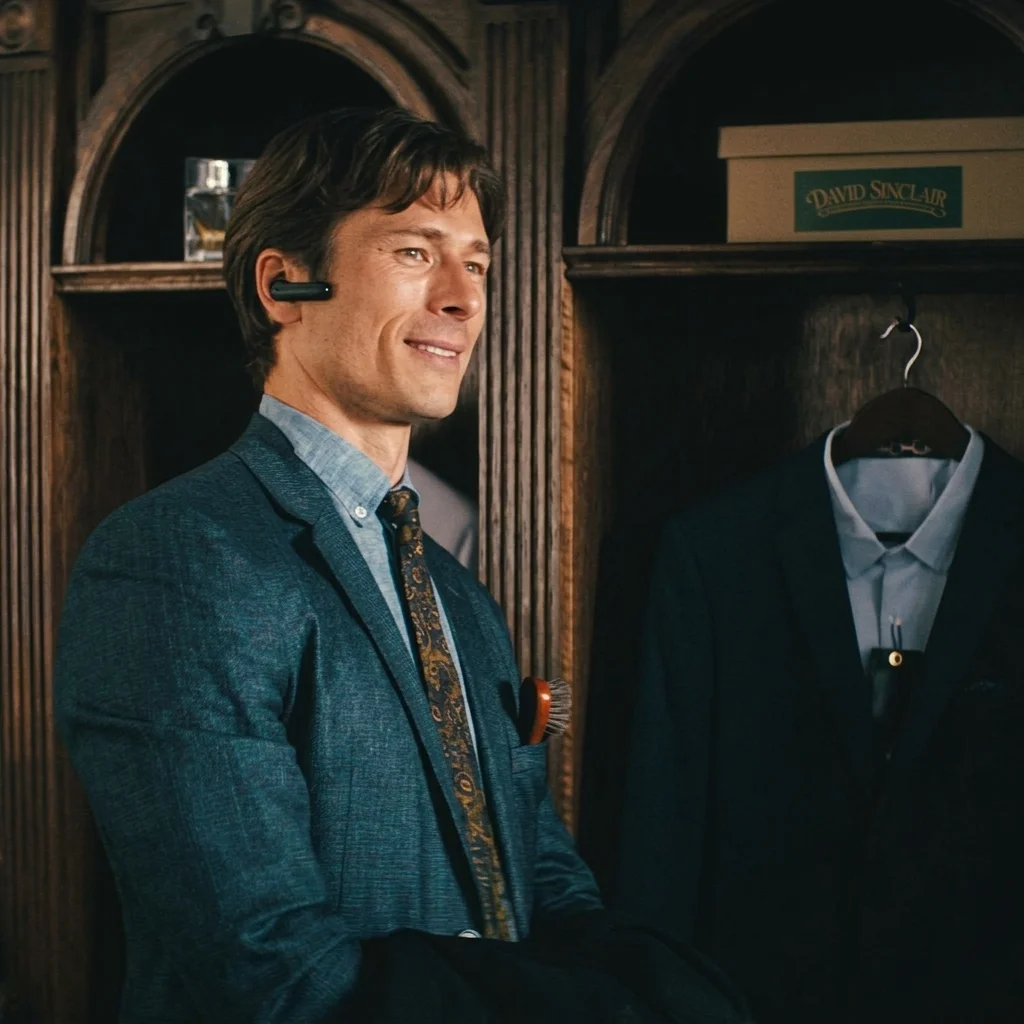
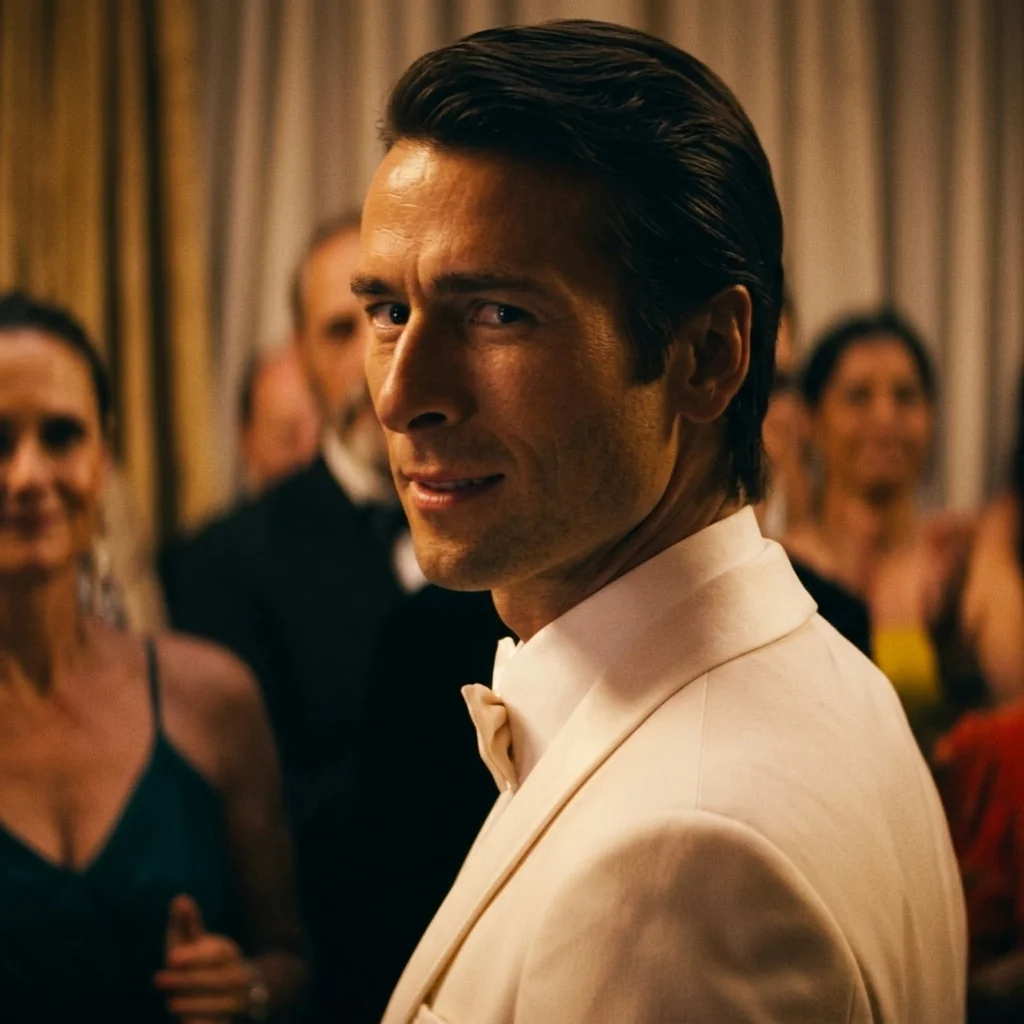
Powell plays Becket Redfellow, the blue-collar son of a woman the obscenely rich Redfellow family disowned for marrying beneath her. Becket was cut out before he was born. He decides he wants back in, and the people standing between him and the family fortune begin dying in inventive ways. He narrates his own descent with the easy confidence of a man telling you a story he already knows ends well for him.
John Patton Ford, who writes and directs, knows how to make money feel dangerous. His first film, Emily the Criminal, was a lean, angry thriller about debt and class, a movie that leaves a bruise. You can feel him reaching for the same nerve here. The targets are sharp. Each Redfellow cousin is a different American hustle: the media-slick megachurch, the finance bro who treats other people’s money like a dare, the Manhattan art world that mistakes boredom for taste. Becket slips into every one of them with a new outfit and the same grin.
The Problem Is How Easy He Is to Like
And the grin is the problem. The original worked because its narrator was cold. You watched a man do monstrous things, and the film never asked you to root for him, only to admire the precision. Powell cannot help being warm. He is, as one critic put it, sleek enough to cruise through a movie the way Tom Cruise does, and that likability sands the venom off everything it touches. Becket should feel like a predator. Instead he feels like a guy you would split an appetizer with. The murders stop reading as satire and start feeling like obstacles a charming person is clearing on the way to a happy ending.
That split is written into the film’s own numbers. Critics gave it a 44 percent, and you can hear the disappointment in the reviews, a black comedy with the black scrubbed out. Audiences gave it 77, and you can hear something simpler, people enjoying a movie star at full wattage. Both are right. It is a film critics and viewers cannot agree on, and the disagreement may be the most honest thing about it.
What It Is, Once You Stop Asking What It Should Be
So stop holding it up against the original, and something watchable appears. Measured as pitch-black satire, it has no bite. Measured as a Saturday-night watch, it works. It moves fast, it looks expensive, and Powell is doing the most charming work of his career. The bench helps. Ed Harris, Topher Grace, and Margaret Qualley all seem to understand they are playing types, and they lean in without ever tipping into camp

The irony is one the 1949 version would have appreciated. How to Make a Killing is about a man who fails at the front door and slips in through a side one, which is exactly what the movie itself did. It could not make a killing in theaters. It made one at home instead.
Maybe that is the version of this story that fits 2026. The original was furious at the world it skewered. This remake is not angry at anything. It just wants to charm you, and it does. One of those has teeth. The other is a great deal easier to watch.