Lee Cronin’s The Mummy started streaming on HBO Max on July 3, and anyone pressing play expecting bandages and a cursed pharaoh is about to be thrown. There is no shambling corpse in wrappings here. Cronin, the director of Evil Dead Rise, has called his version “one part Poltergeist, one part Seven,” and that is almost exactly how it plays: a family possession horror wearing the name of a franchise it barely resembles. So if you reached the credits unsure who the mummy even was, that confusion is by design, and it is where the ending gets interesting.
Full spoilers follow from here. If you have not watched it yet, consider this your one warning before we open the sarcophagus.
What the Nasmaranian Actually Is
The evil at the center of the film is not Egyptian royalty. It is a demon called the Nasmaranian, known in folklore as the Destroyer of Family, and it works nothing like a slasher villain. Instead of chasing and killing, it moves from body to body, and wherever it settles, it slowly turns the people who love its host against each other. The thing cannot be destroyed, only contained: bound inside a living vessel, wrapped in protective spells, and sealed away where it can reach no one. That is what a mummy is in Cronin’s film. Not a creature, but a prison with a human being locked inside.
What Happened to Katie
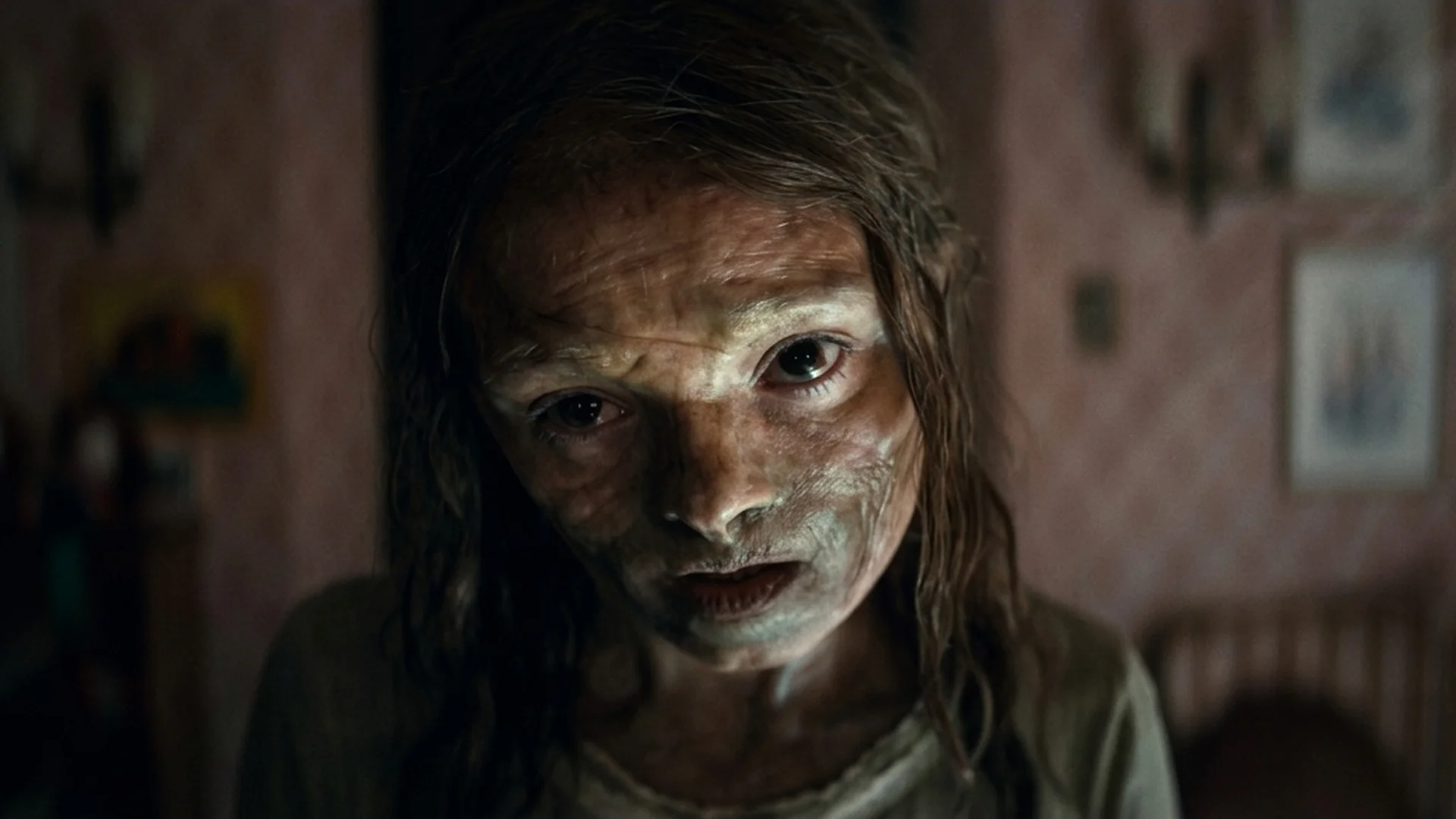
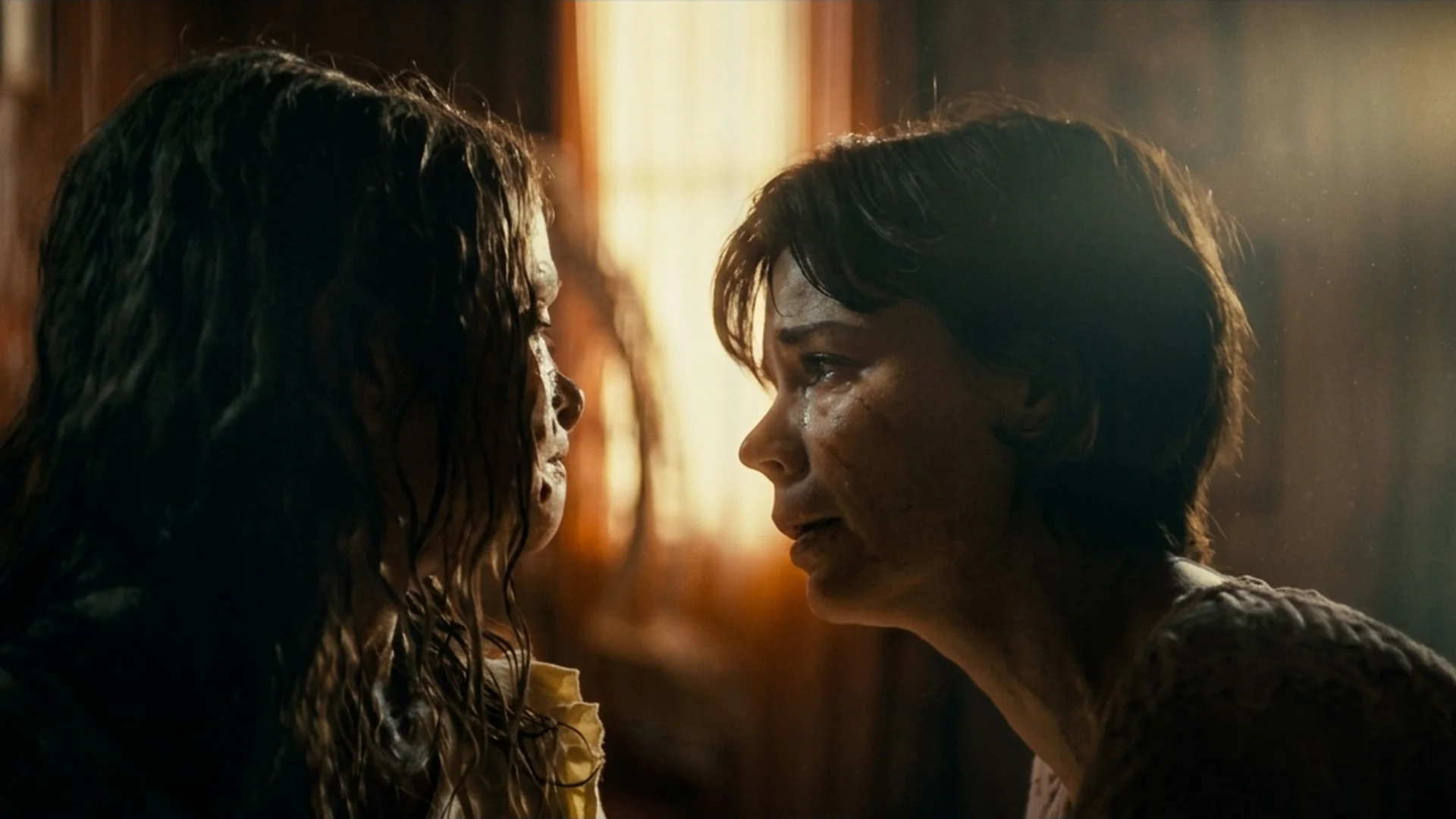
Eight years before the story opens, an American girl named Katie disappears into the desert outside Cairo, where her family had been living. She is gone so long that everyone but her parents has stopped hoping. Then she is found: alive, unaged in the ways that matter, sealed inside an ancient sarcophagus. Her father Charlie and mother Larissa bring her home to Albuquerque, praying they can nurse her back to the child she was. What they do not understand is that Katie came back as the demon’s host, and the reunion they longed for is the very thing that lets it loose. Her frightening bouts of self-harm are not what they look like either. She is trying to tear open the binding spells written into her own skin so the Nasmaranian can spread to the family around her.
The Ending: Who Becomes the Mummy
The climax turns on that one rule: the demon cannot be killed, only relocated. As the curse begins spreading to Katie’s younger siblings, Charlie, Larissa, and Detective Dalia Zaki find a recording of the original binding ritual and recite it aloud. It works. The Nasmaranian is pulled out of Katie, and she survives, waking as herself for the first time in years. But the demon has to go somewhere, and Charlie has already decided where. He offers himself as the vessel. In the final stretch he becomes the new host, the new mummy, sealed inside a coffin in the basement of the family home, tapping out messages to the people he loves in Morse code. Katie is free because her father took her place. The evil survived intact. It simply changed address.
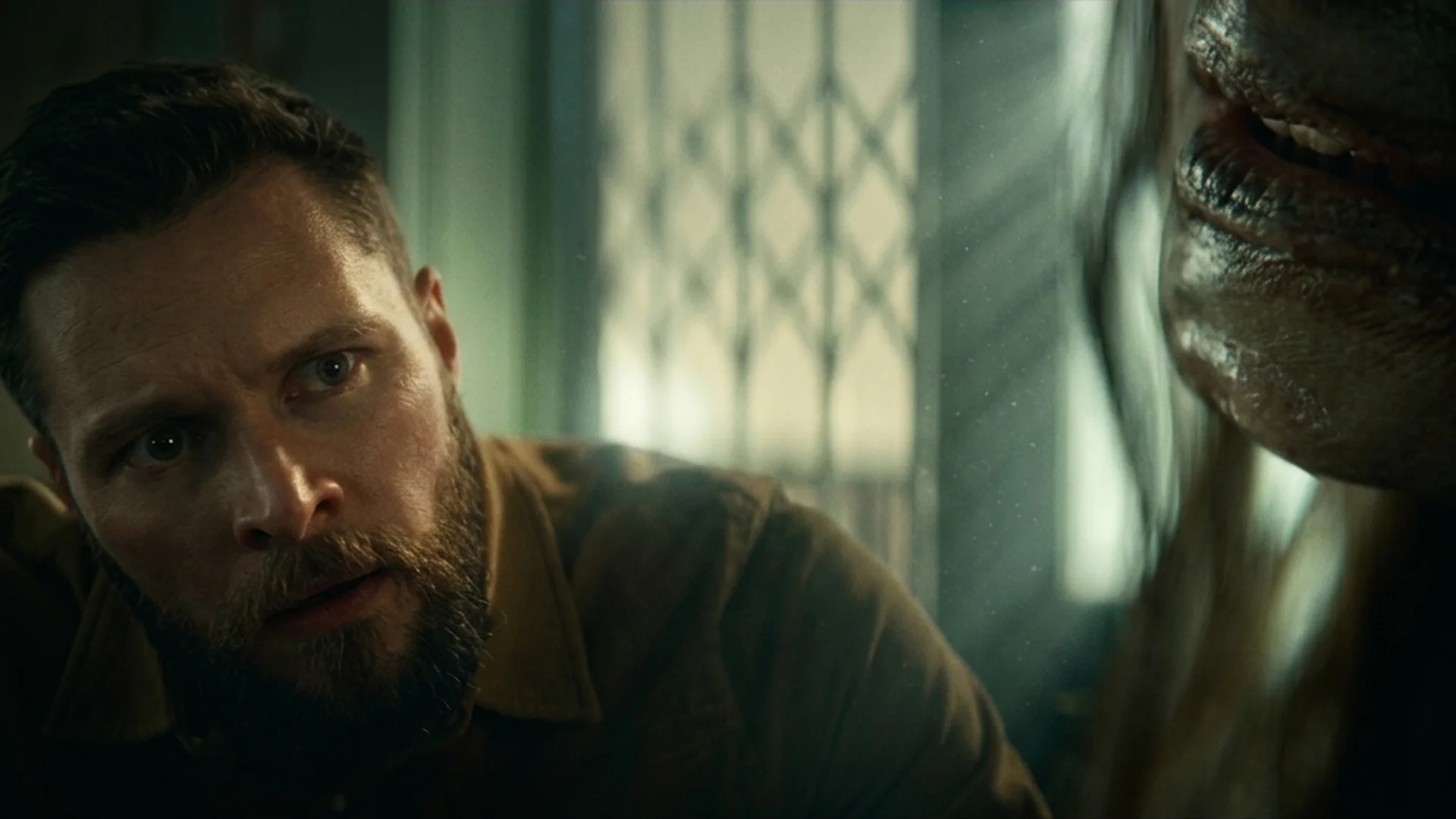
The Final Twist Explained
For a moment the film looks like it is closing on something quiet and sad, a father boxed away so his daughter can live. Then the last scene arrives. The Magician, the practitioner whose ancestors first trapped the Nasmaranian and who engineered Katie’s abduction to begin with, has survived her wounds and sits in a holding cell. Larissa and Zaki come to her, and they run the ritual one more time, drawing the demon out of Charlie and forcing it into the Magician instead. It reads as revenge, and it is. But remember the rule the film has been laying down all along: an innocent child was the safest possible vessel, precisely because a child has no power to feed the thing. Locking a family-destroying demon inside a trained practitioner of dark magic is the most dangerous container imaginable, and the movie knows it. That is the door left open for a sequel. Cronin has said his original cut ended on an even bleaker note, which tells you how thin the line was between closure and catastrophe.
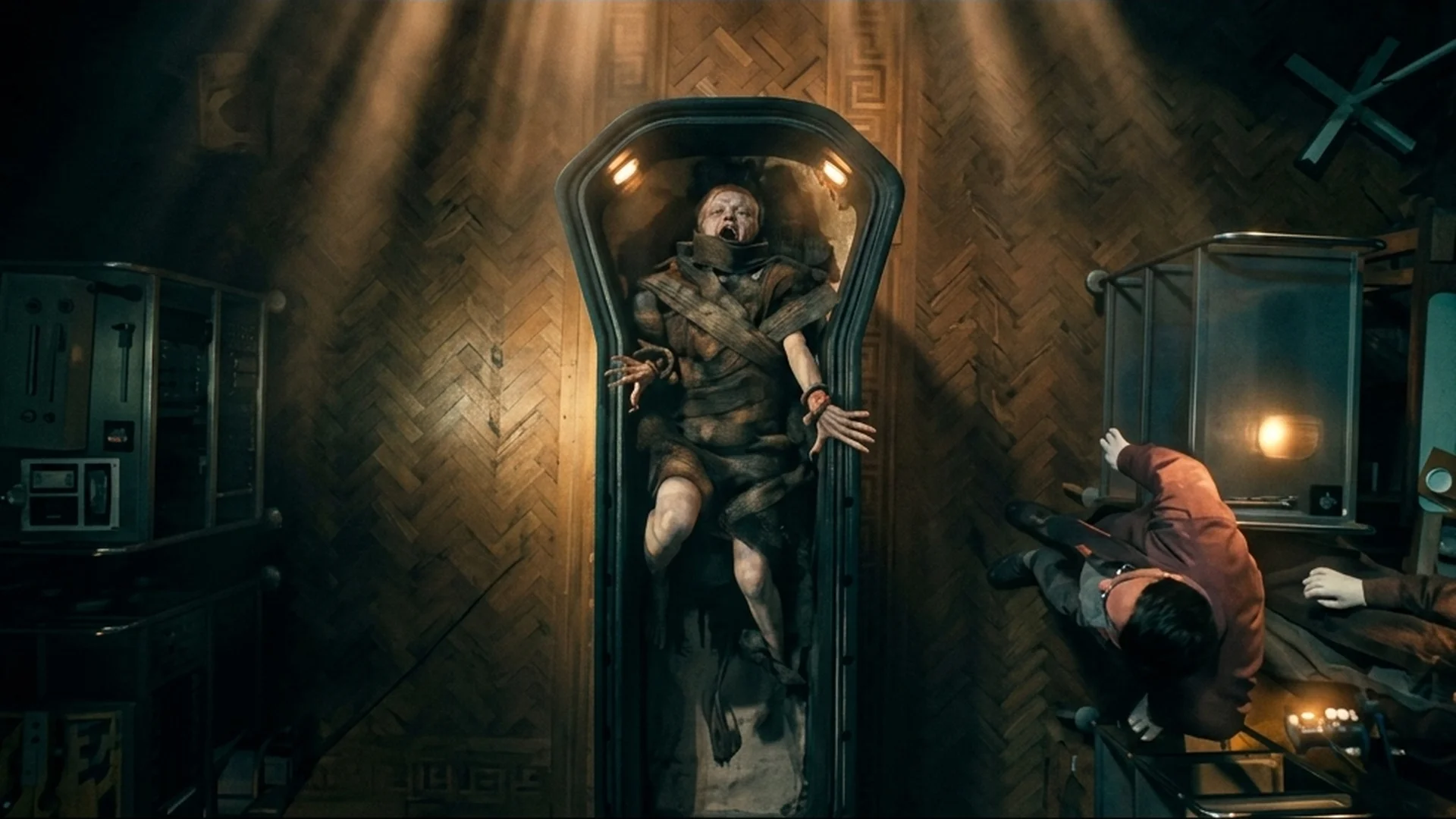
The Bargain at the Center
Here is why the structure matters more than the scares. The Destroyer of Family never gets destroyed, because that was never on the table. Every apparent victory in this film is really a choice about who to condemn. Charlie’s sacrifice is the movie at its most tender: a parent volunteering to become the tomb so his child can walk out into the sun. And then the closing move undoes it. Larissa, choosing vengeance over mercy, does the one thing the demon most wants a family to do, which is to weaponize their love and turn it outward. Read that way, the twist works less as a franchise cliffhanger than as the Nasmaranian quietly winning. The real horror here was never the wrapped body in the basement. It was the bargain a family keeps being asked to make, and the terrible ease with which love slides into revenge.
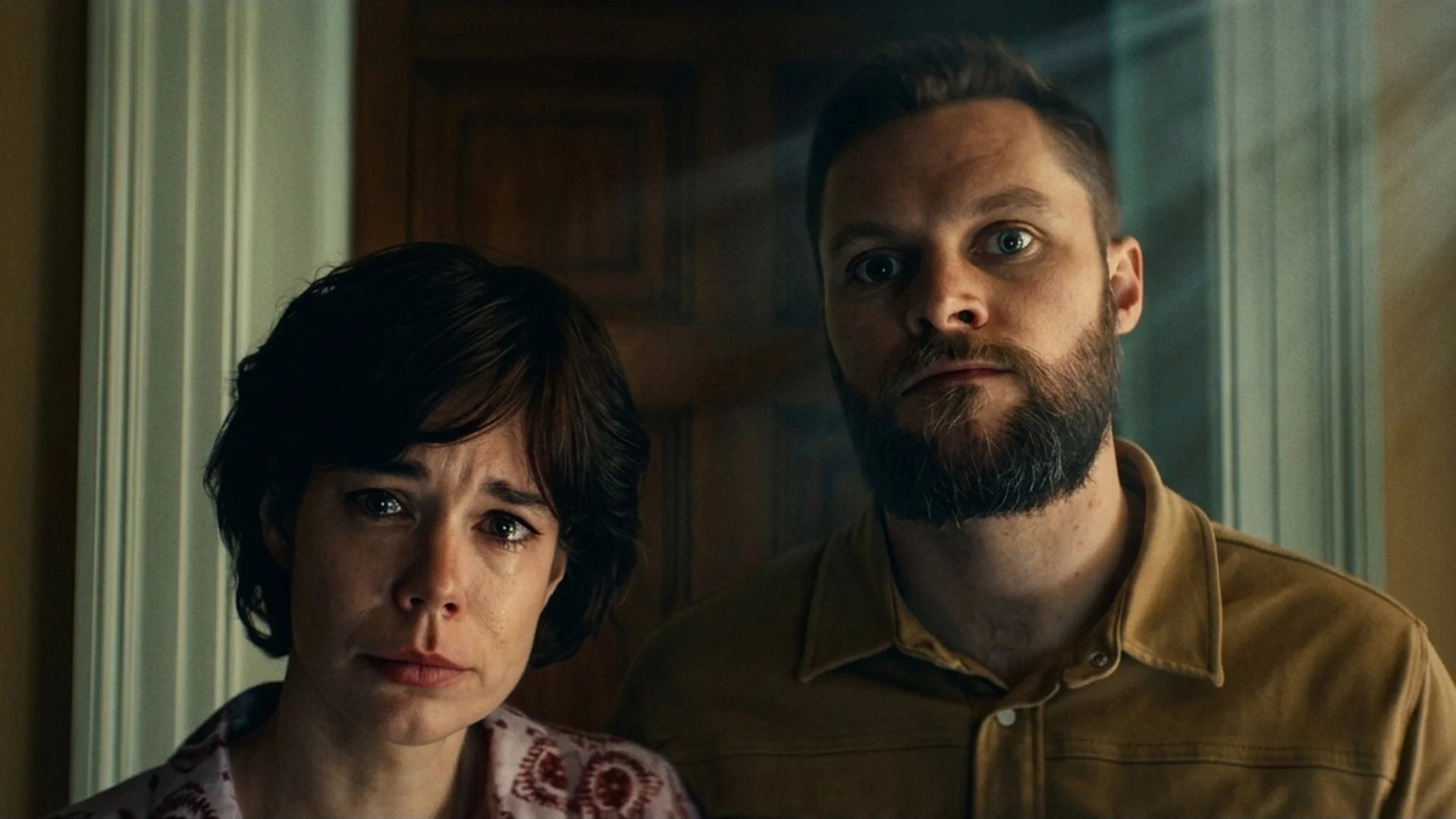
That is the trick worth staying for. Cronin took a title that promises a monster in bandages and used it to smuggle in something closer to a domestic tragedy, where the scariest thing a person can become is the family member who no longer knows you. If you have seen how another recent horror lets a loved one turn into something unrecognizable, or how a curse can only end when someone chooses to take it onto themselves, this one is playing in the same haunted register, just with the sand and the sarcophagus for cover.