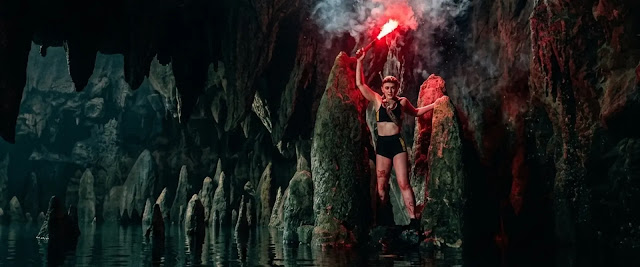
The scariest movie on HBO Max right now cost less than a used car and barely shows you its monster. Undertone, a tiny Canadian horror film that slipped into theaters in March and reached the platform on June 25, spent its first weekend as the most-watched thing on the service. It works because it understands one very specific fear: the sound of someone you love calling your name in a voice that is no longer quite theirs.
What the Podcast Unleashes
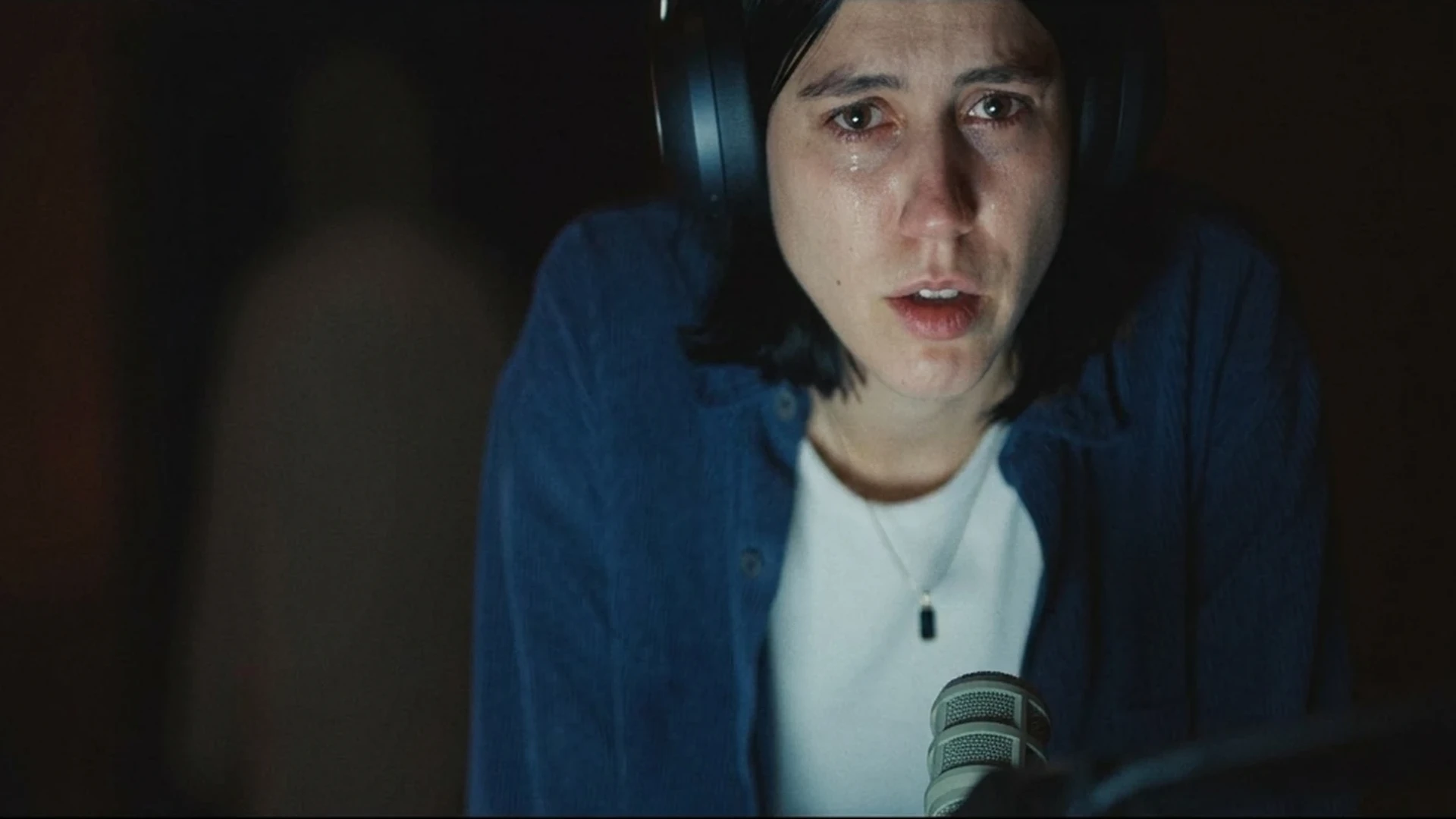
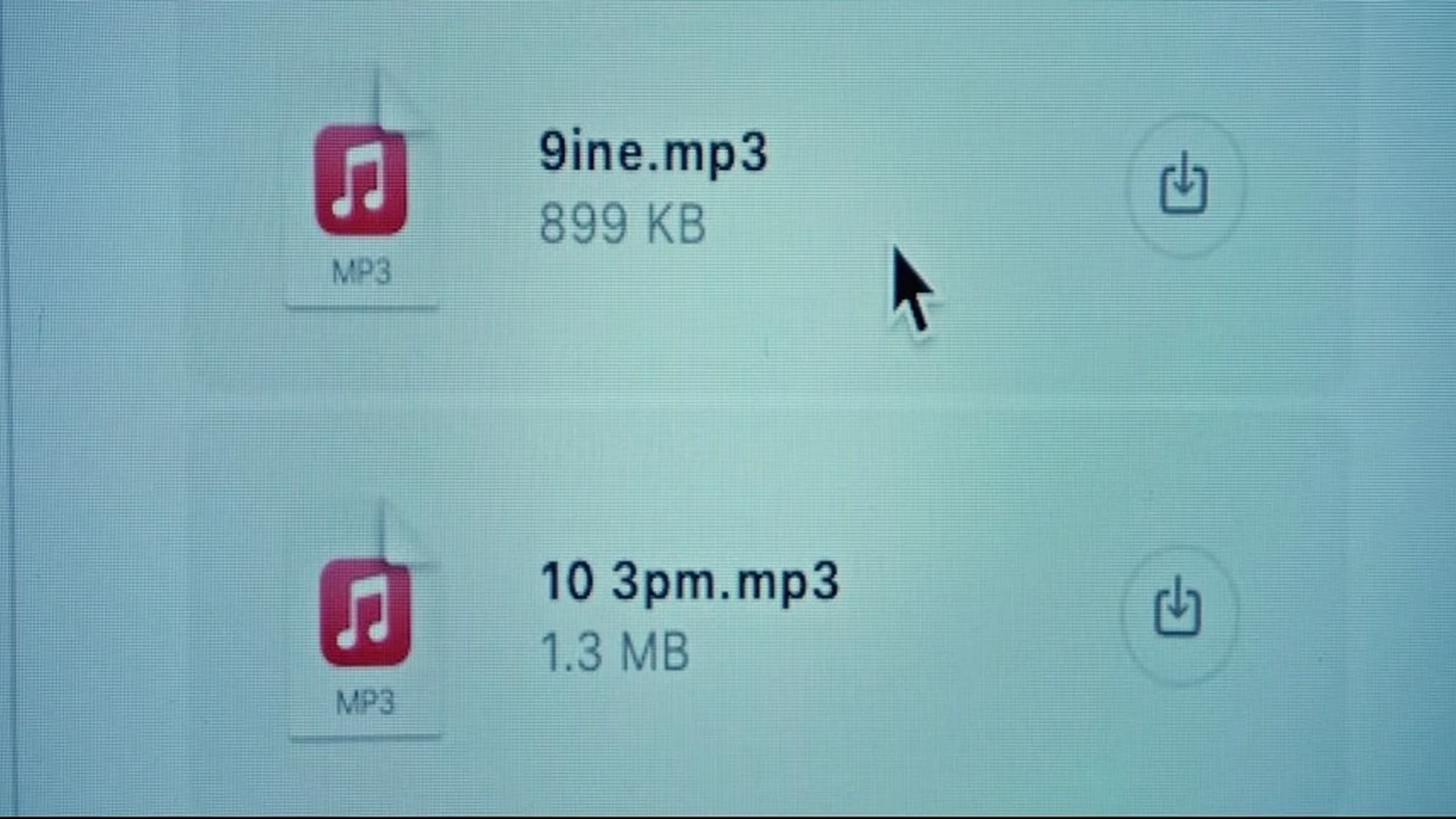
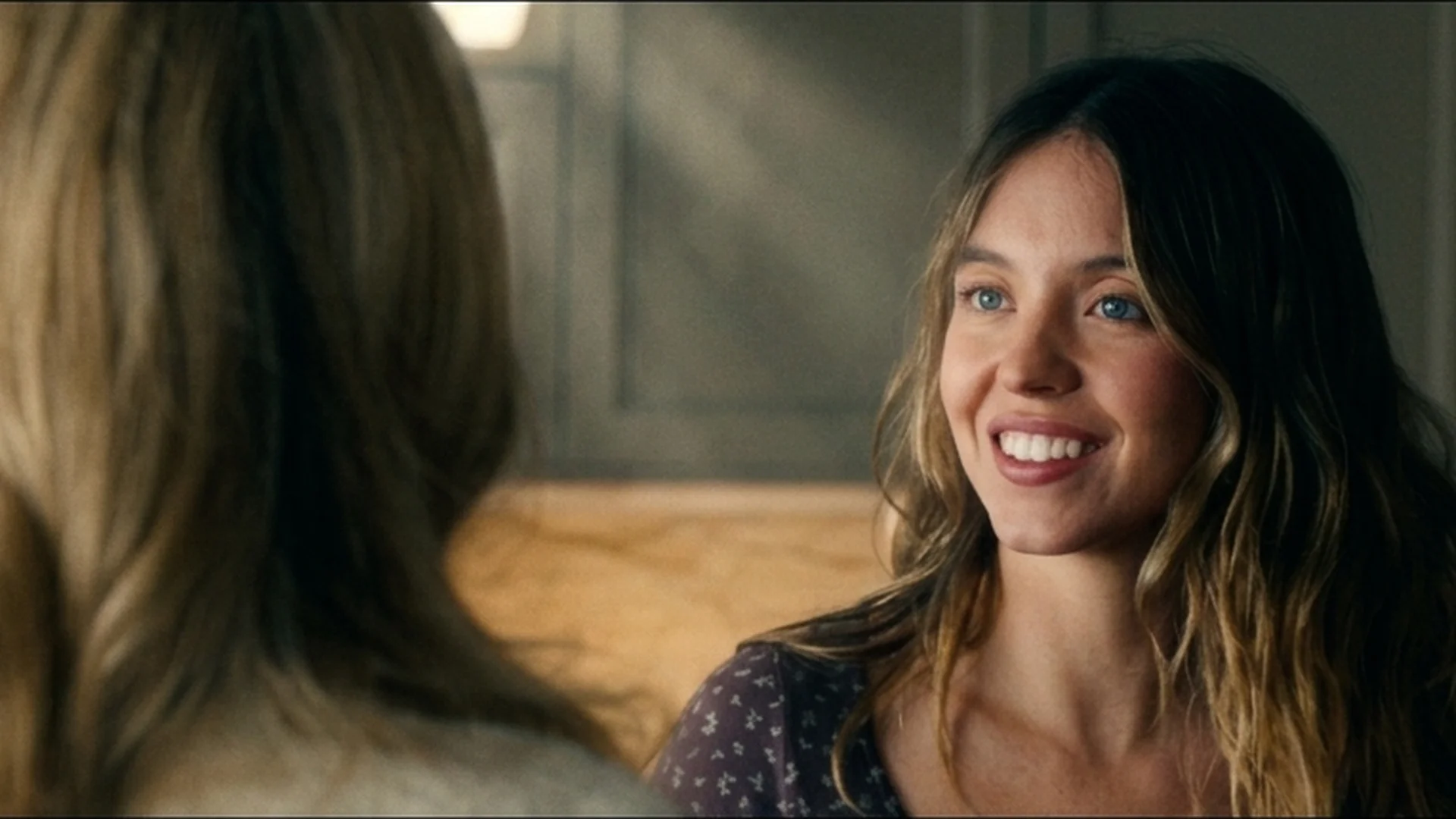
Evy (Nina Kiri) lives alone with her mother, who is dying slowly in an upstairs room. To keep that life running, she and her friend Justin (Adam DiMarco) host a podcast called Undertone, where they pick apart creepy stories and unexplained recordings. When Justin forwards her a strange email containing ten audio files, they do the only thing podcasters know how to do: they press record and start listening on the show. The first nine tracks are merely unsettling. The tenth one is a door.
The Ending, Explained
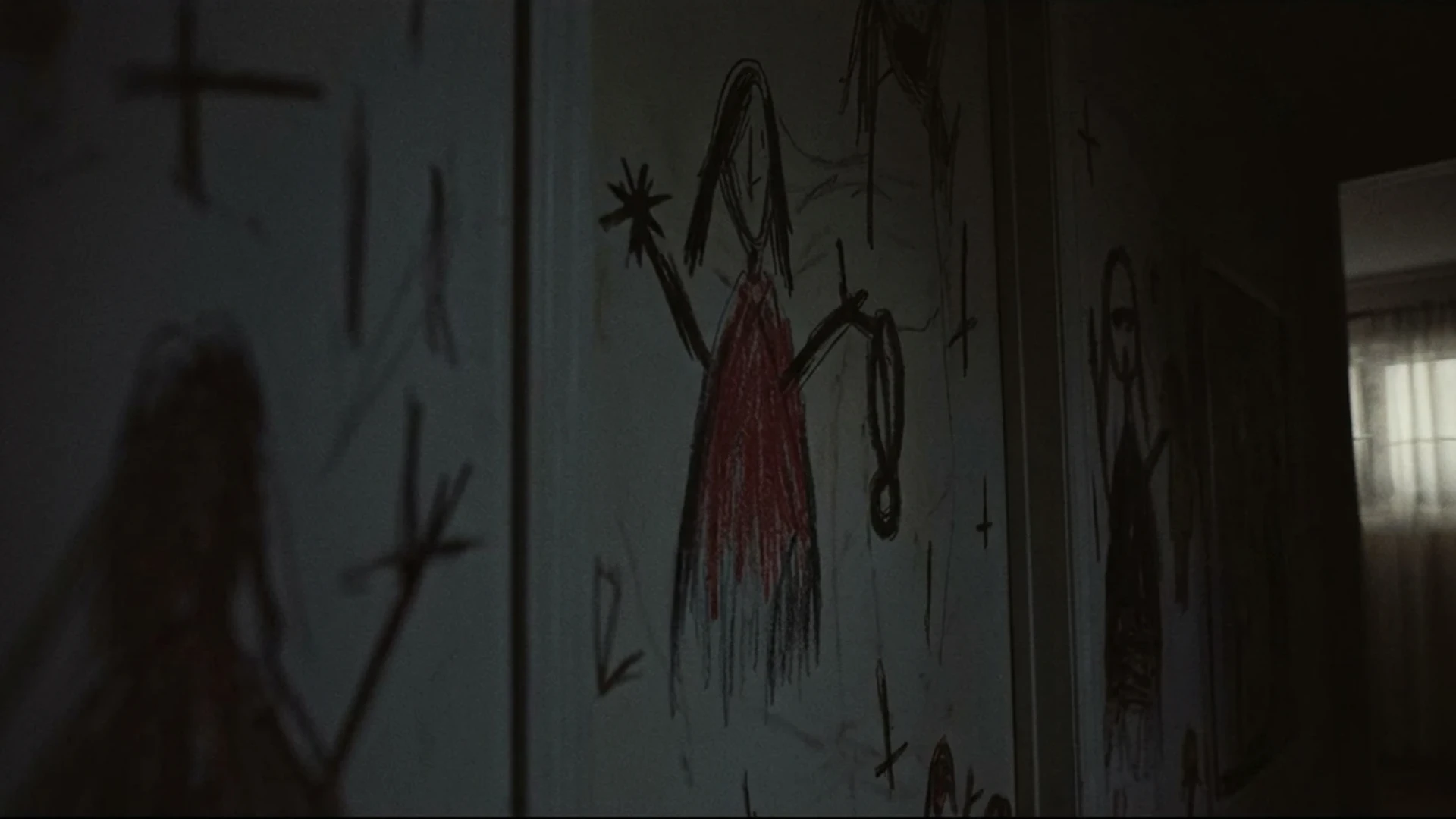
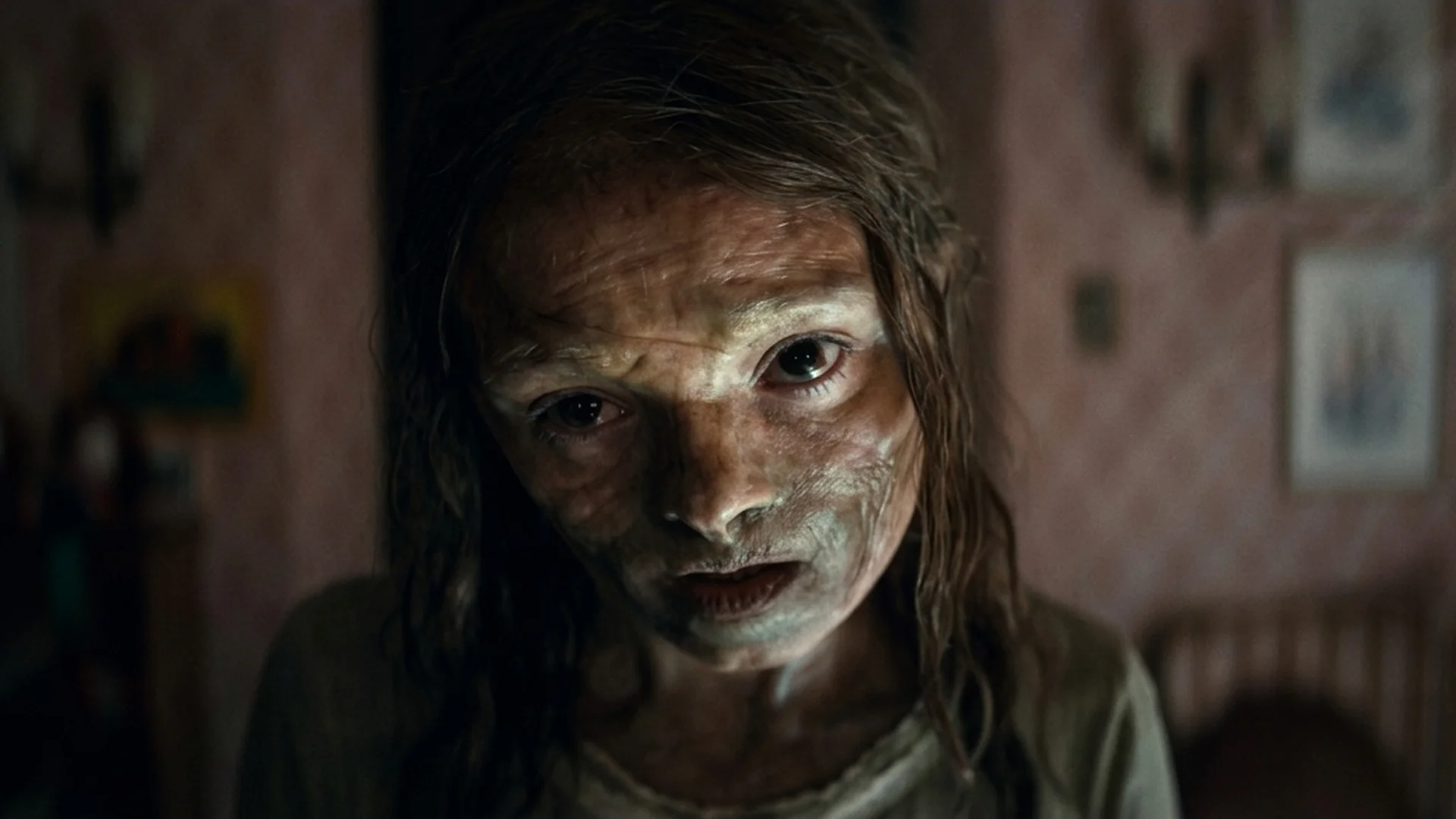
The tenth file is where Abyzou is waiting, and playing it is what lets her out. Evy comes to learn that Abyzou is a demon out of old folklore, one who hunts pregnant women and children and turns motherhood itself into a wound. Once the recording is loose in the house, the rooms stop obeying their own rules. The television locks onto a cursed viral video the podcast once covered, the kind that supposedly drives whoever watches it to take their own life. Childlike drawings of dead children spread across the walls, and across the pages Evy has been scribbling on without noticing. Then she hears her mother moving for the first time in the film.
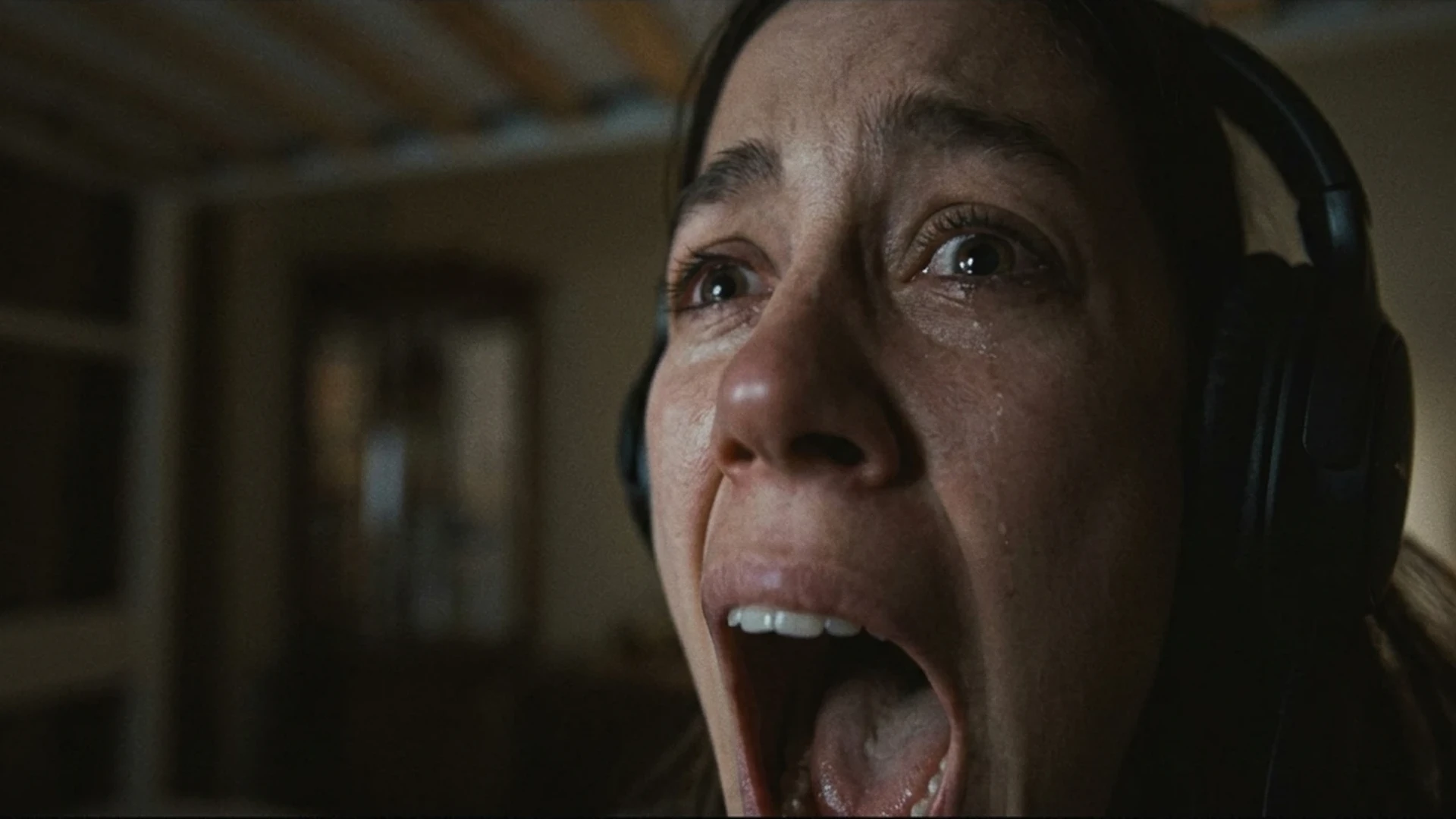
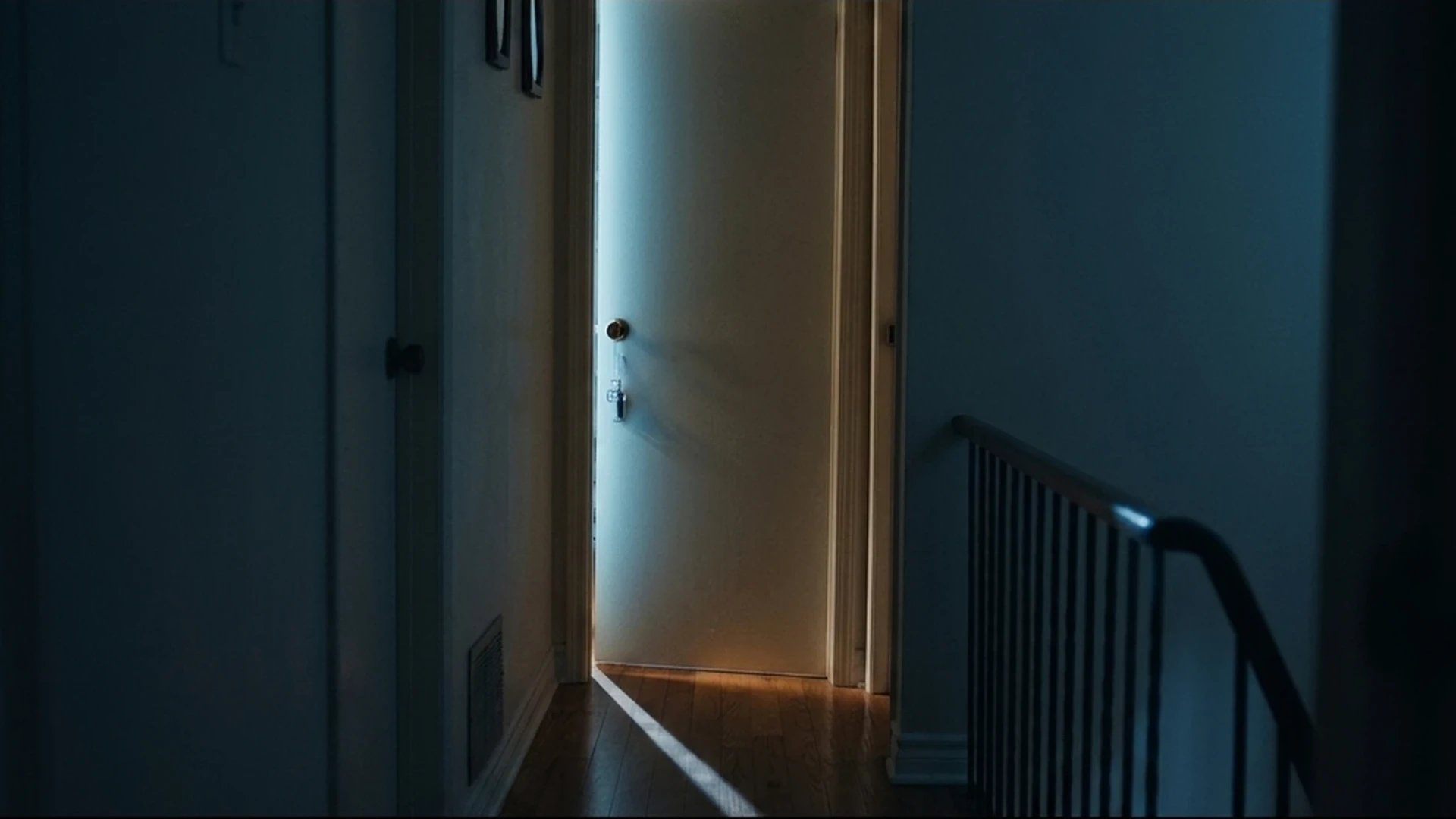
When Evy climbs the stairs, her mother is upright for the first time, walking backward toward her. The screen cuts to black before it shows you anything at all. What you get instead is sound: screaming, Evy crying out for her mama, a struggle, and the heavy thud of a body coming down the stairs. The movie never confirms who survives. It just hands you the audio and lets your own head build the body, the same trick as another recent horror that ends on a question mark instead of a corpse.
Is It a True Story? And Is Abyzou Real?
No, Undertone is not based on a real case, and the podcast is not a real show you can go and find. Abyzou, on the other hand, is genuinely borrowed from European and Mediterranean folklore, where she has been blamed for miscarriages and infant deaths for centuries. And the film is not technically found footage, even if it wears the costume of one: writer-director Ian Tuason began it as a radio play about two hosts dissecting cursed audio, then shot it like a conventional movie built to be listened to as closely as it is watched. That audio-first design is the whole point. You never get a clean look at Abyzou, so the movie makes your ears do the work your eyes keep begging for, and a demon you only ever hear turns out to be much harder to stop imagining than one the camera simply hands you.
The Childhood Home It Was Filmed In
Here is the detail that reframes the whole film. Tuason shot Undertone inside his own two-story childhood home, the same house where he had cared for his terminally ill parents. The demon is invented, but the grief that feeds it is not. Every choice points back to that origin: a daughter trapped alone with a parent who is vanishing by degrees, a house that seems to close a little tighter each night, the particular exhaustion of loving someone whose body is turning into something you no longer recognize. That single-house dread is the same engine behind another film that seals its family inside one address while the world comes apart outside. Abyzou preys on mothers and children because that is the wound the movie is built around.
The terror is not that a monster comes for Evy. It is that the monster wears her mother, and that the person she has been keeping alive upstairs is the one who finally comes down for her. That is also why the cut to black is the honest choice rather than a cheat. Caregiving grief does not end with a clean reveal. You do not get to see the body and know for certain that it is over. You are left at the bottom of the stairs with the sound of it, filling in a picture you would rather not.
Undertone is not a flawless movie. The 50 percent audience score exists for a reason, and viewers who want their horror loud and literal will find it thin. But for under a million dollars it built what a lot of bigger films miss: a scare that keeps working after the screen goes dark, because the thing it fears was never the demon in the tenth file. It was the door at the top of the stairs, and whoever you are afraid is standing behind it.