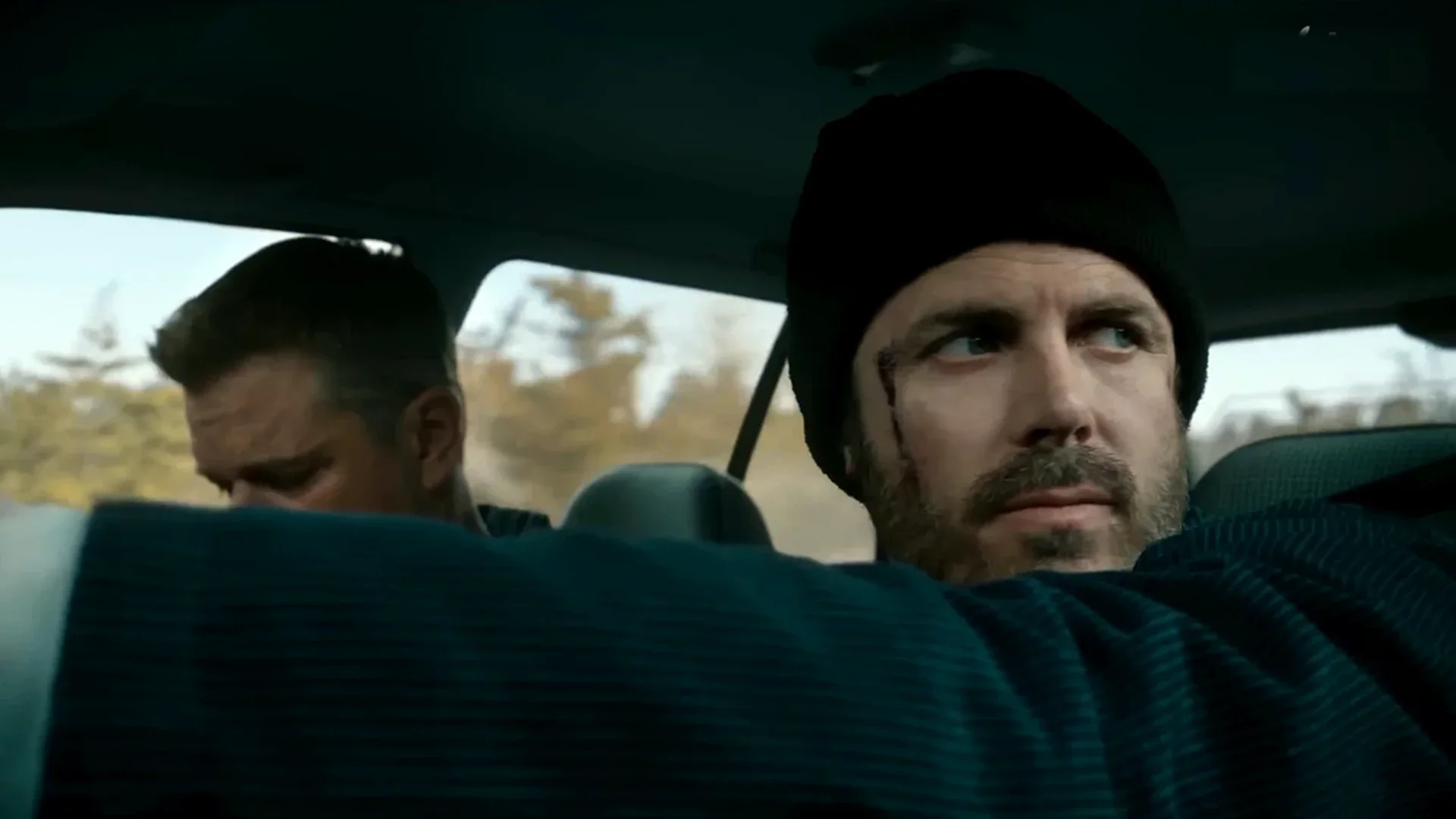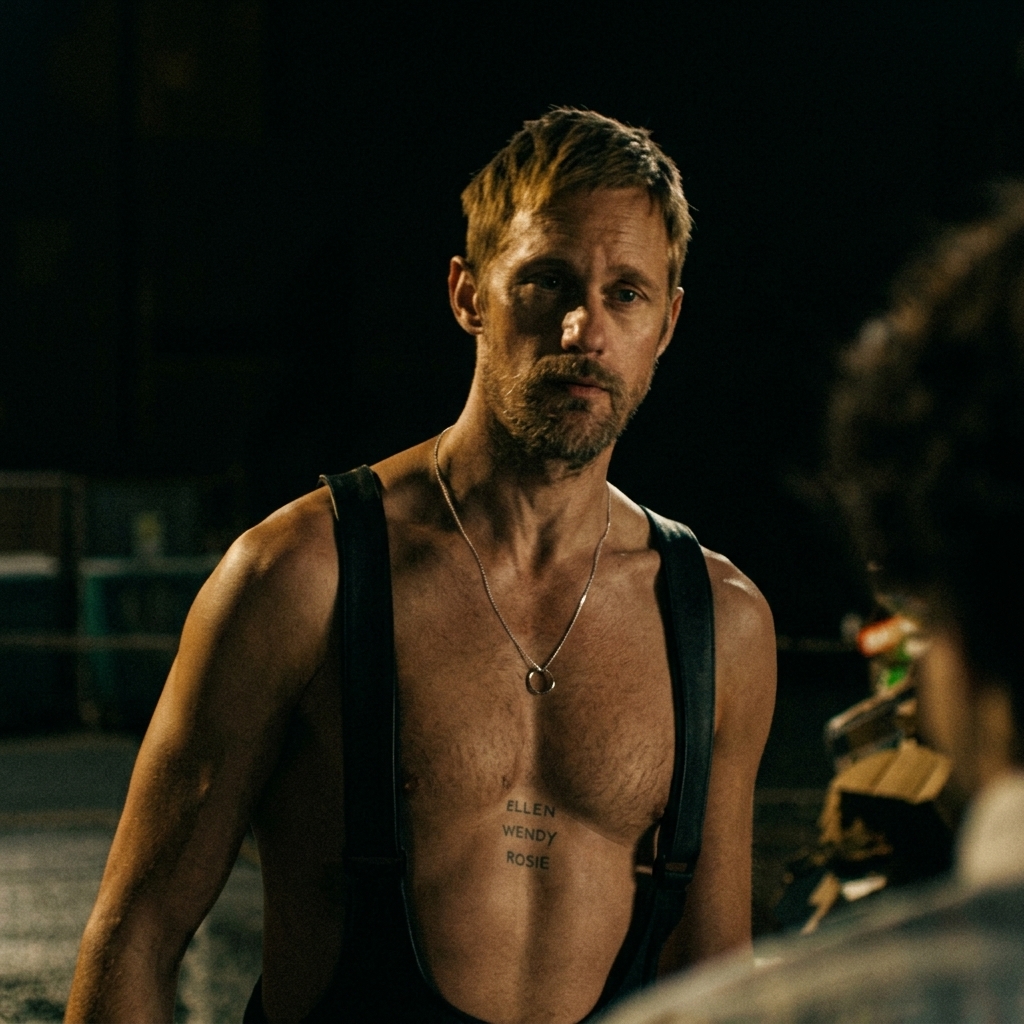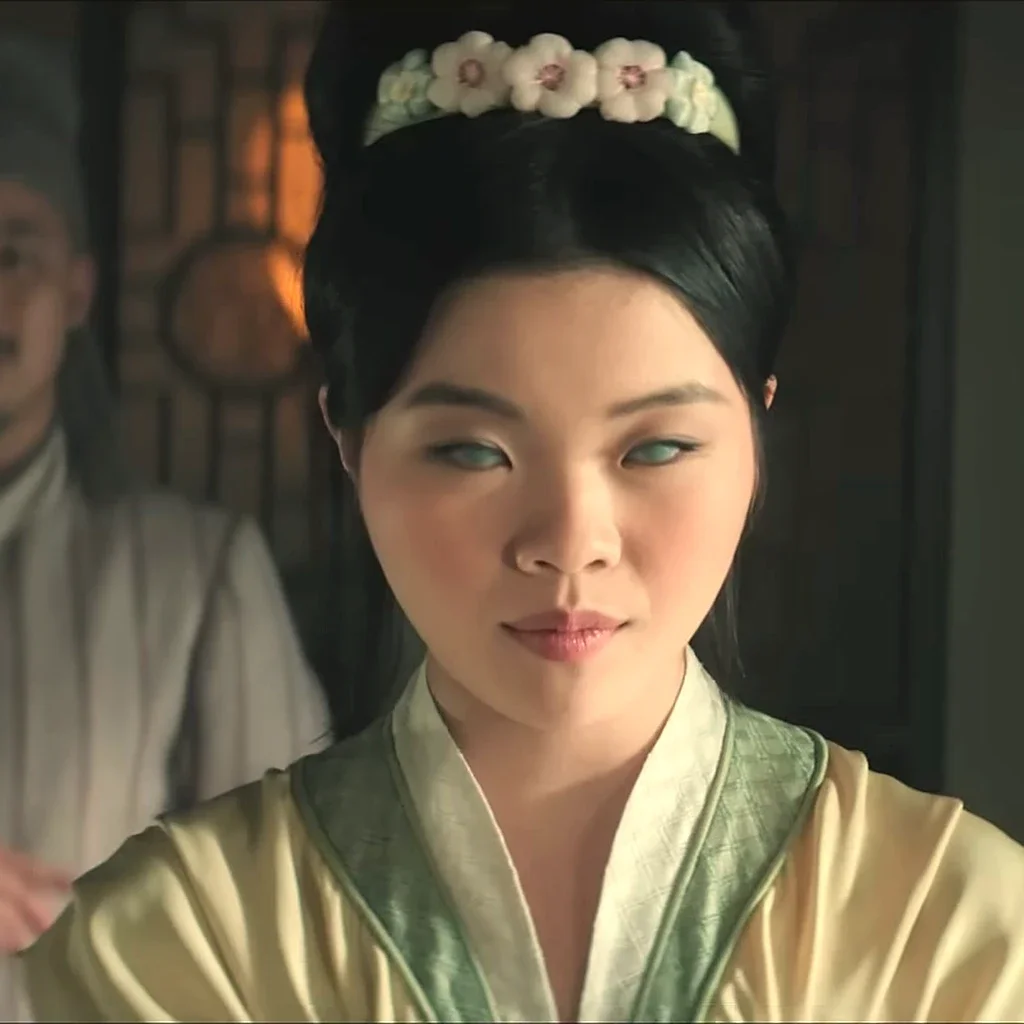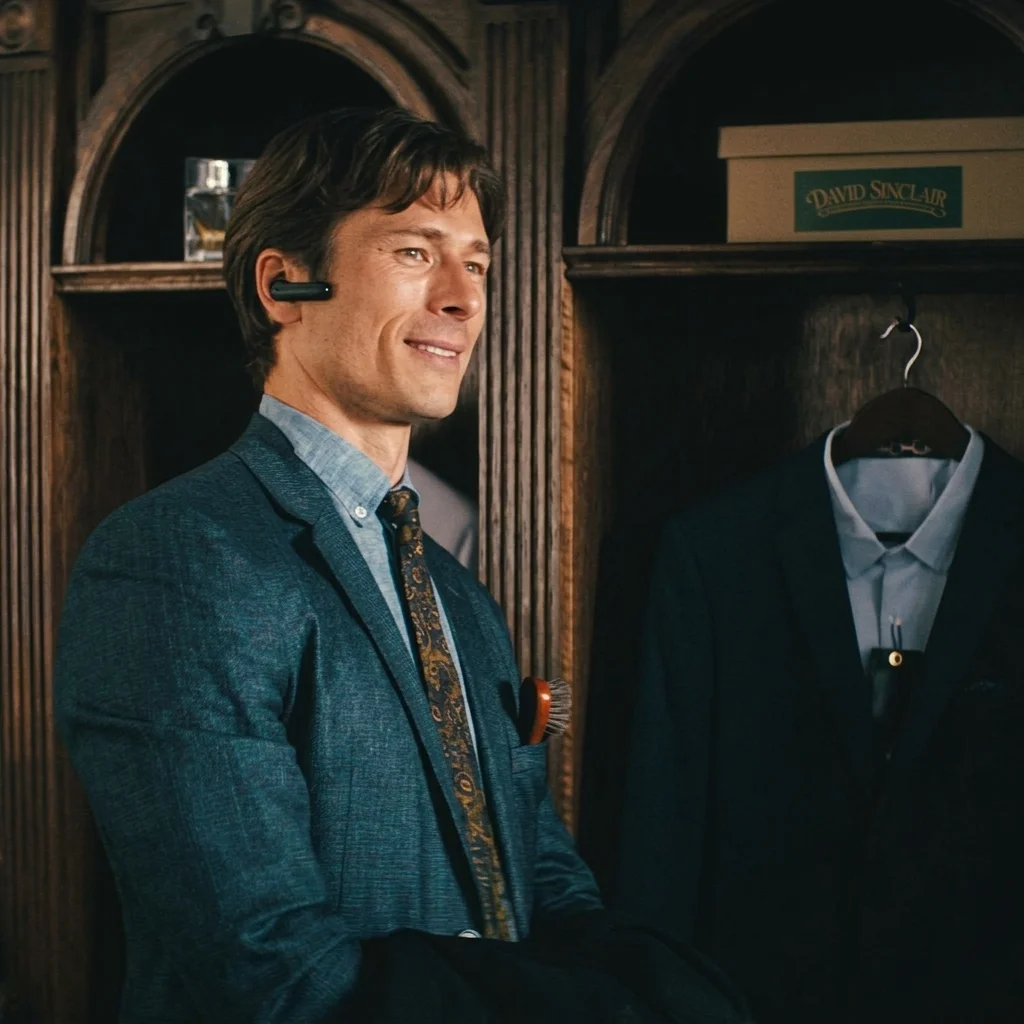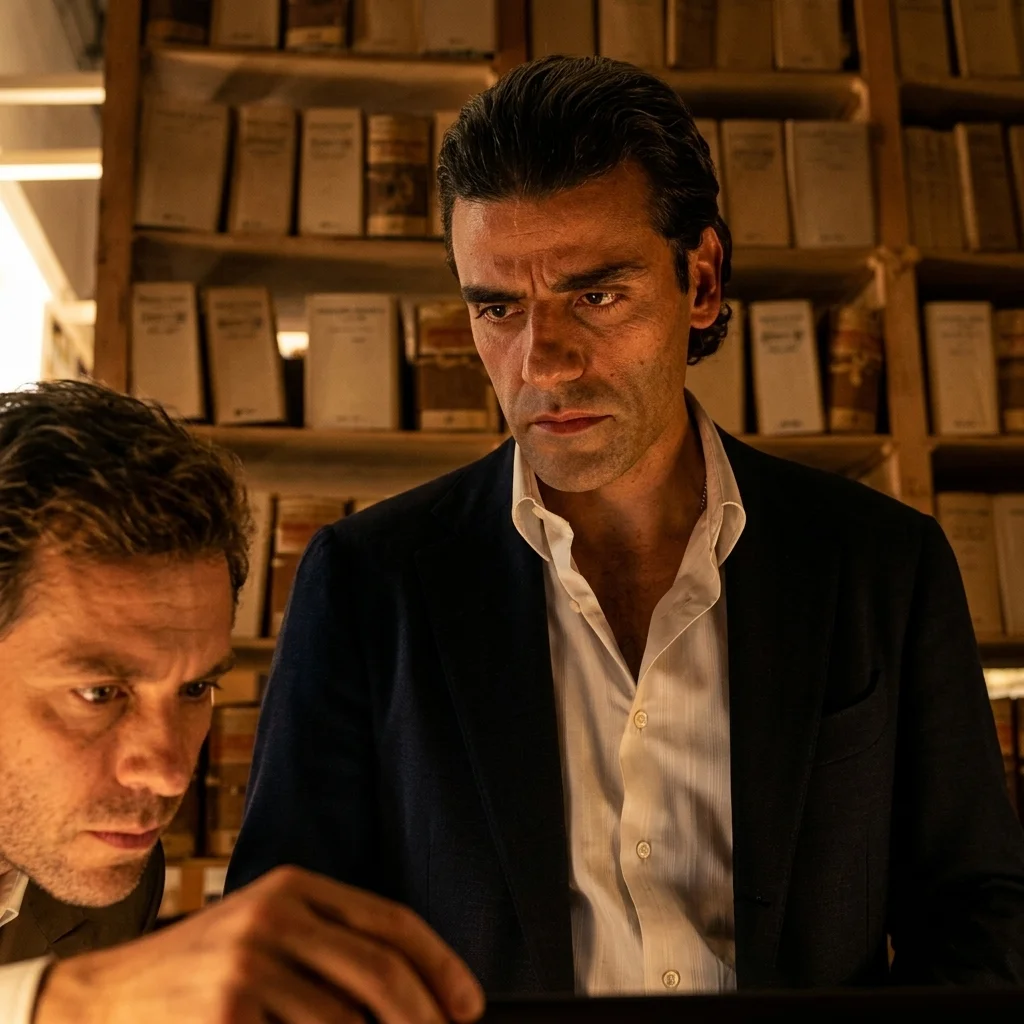
Some movies are content to tell you a story. In the Hand of Dante wants to grab you by the collar and drag you across seven centuries. Julian Schnabel’s new film, which played at Venice last fall and arrived on Netflix on June 24 after a brief run in theaters, is a literary heist, a mob picture, a fever dream about faith, and a meditation on creation, often within the same scene. It is messy. It is overstuffed. It is also one of the most fascinating swings any director has taken at the screen this year.
The hook is impossible to resist. A priceless handwritten copy of Dante’s Divine Comedy surfaces from the Vatican, travels through Sicily into the hands of a New York crime boss, and lands on the desk of a writer who is asked to confirm it is real. Oscar Isaac plays that writer. He also plays Dante. That single casting decision is the key to the whole film, and we will get to why.
What In the Hand of Dante Is About
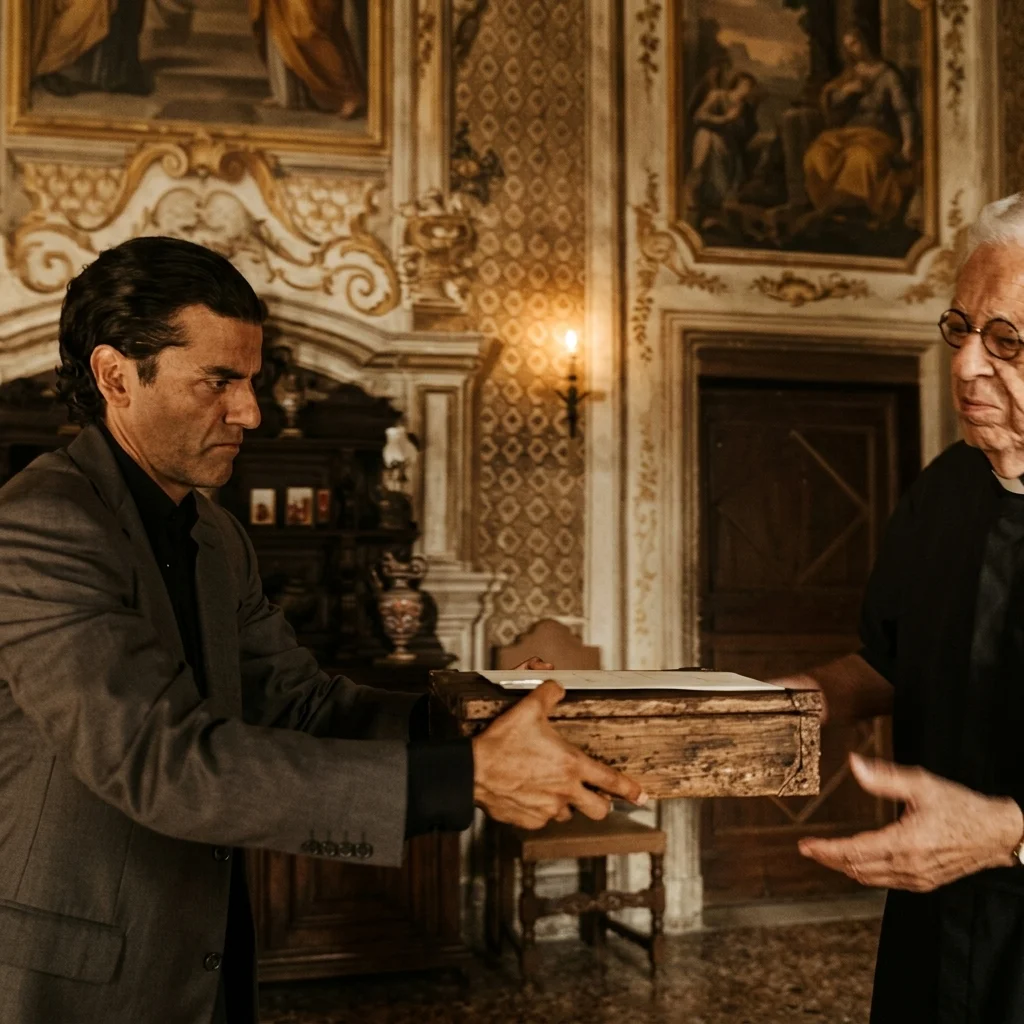
The modern half of the story belongs to Nick Tosches, a real writer Schnabel knew, here turned into a fictional version of himself. A mafia don, played with sly menace by Al Pacino, summons him because Tosches is one of the few people alive who can tell whether the manuscript is genuine. What begins as an authentication job curdles into something far more dangerous once Tosches decides he would rather keep the relic than return it. The temptation to possess the most sacred object he has ever touched sends him on a bloody, reckless run.
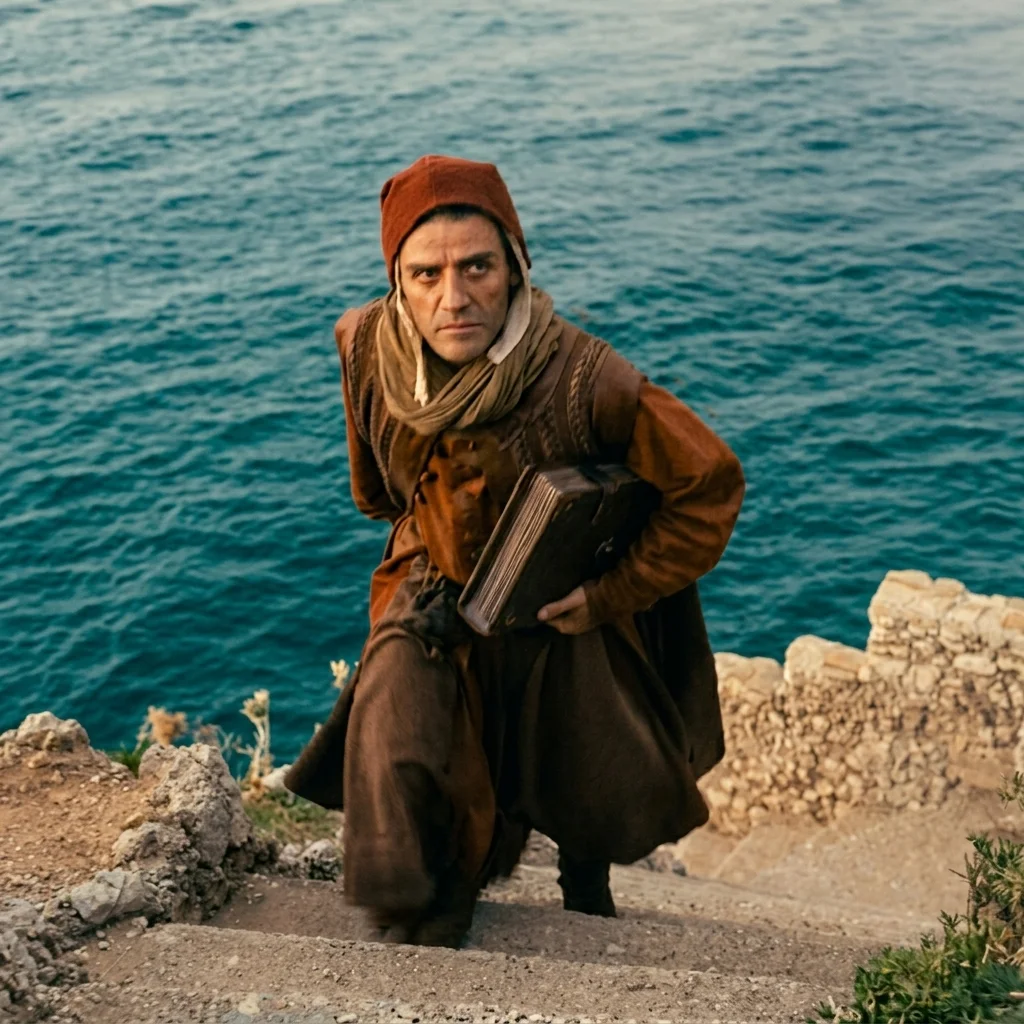
Meanwhile, in the 14th century, the film follows Dante himself as he struggles to write the poem that will outlive him. Schnabel cuts between the two men freely, letting the centuries bleed into each other until the manuscript stops feeling like a prop and starts feeling like a living thing passed from hand to hand. The structure is loose to the point of recklessness, but the ambition behind it is clear.
Oscar Isaac Plays the Thief and the Poet
Here is the idea that holds the whole sprawling thing together. By having one actor play both the thief chasing the manuscript and the poet who wrote it, Schnabel collapses the distance between the artist and the work he leaves behind. Tosches wants to own the Divine Comedy. Dante wanted to create it. In Isaac’s hands they become two faces of the same hunger, the human need to lay claim to something that will outlast us.
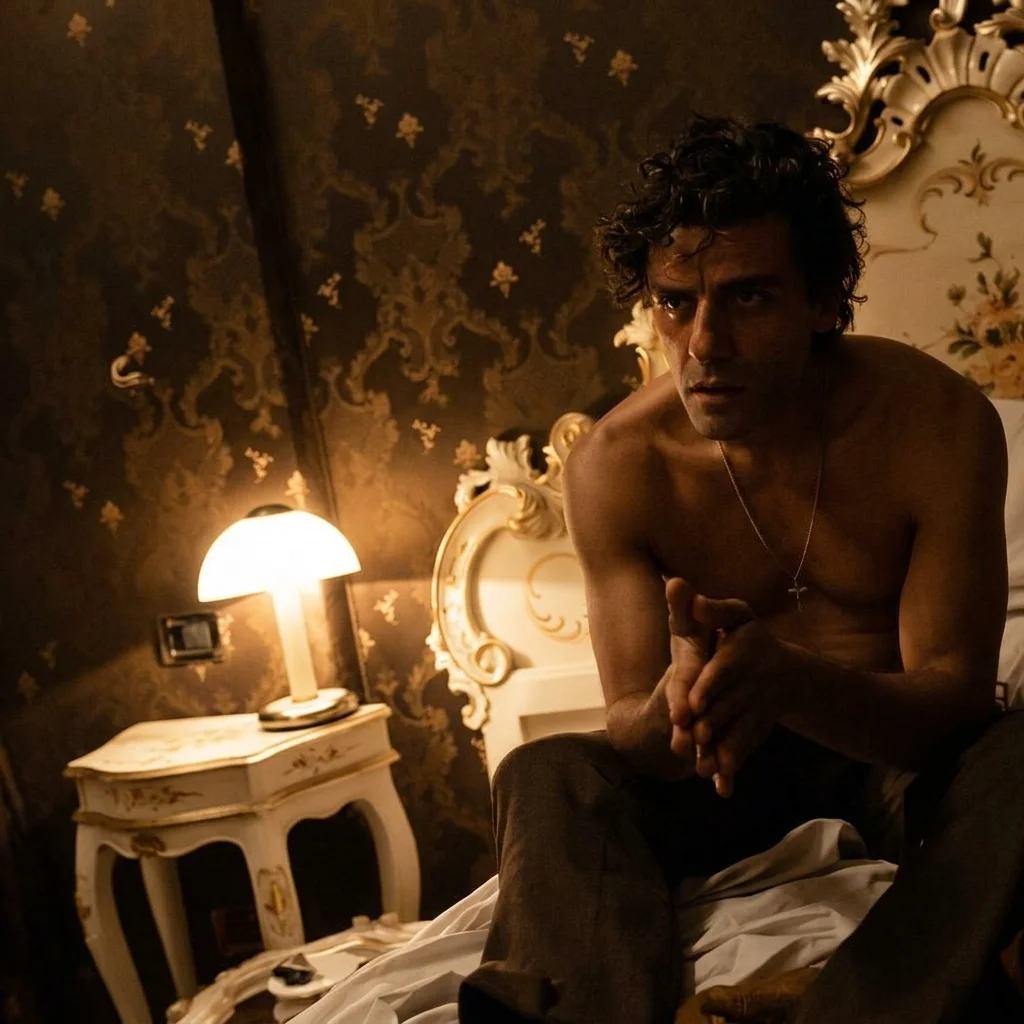
Isaac is one of the few actors who could carry this without winking at the camera. He plays Tosches as a man rotting with appetite and Dante as a man burning with purpose, and the doubling never tips into gimmick. If you press play for one reason, make it him.
Julian Schnabel Is Painting, Not Plotting
It helps to remember that Schnabel was a celebrated painter long before he made a film, and he has spent his whole movie career drawn to artists: Basquiat, the imprisoned Cuban poet Reinaldo Arenas, a paralyzed magazine editor, Van Gogh. He does not assemble a movie the way a screenwriter does, one scene logically following the next. He builds it the way a painter fills a canvas, by texture and color and impulse. That is the most honest way to meet In the Hand of Dante. The plot wanders because Schnabel cares more about the feeling of obsession than the mechanics of a heist.
A Cast That Reads Like a Dare
The ensemble around Isaac is almost comic in its excess. Al Pacino and Gerard Butler bring the menace, and Butler in particular has drawn some of the warmest notices in the reviews. Gal Gadot, John Malkovich, Jason Momoa, Sabrina Impacciatore, and the musician Benjamin Clementine drift through, and then, because Schnabel apparently could, Martin Scorsese turns up on screen as an actor. It is the kind of guest list that signals how much trust this director can still command. Not all of them get enough room, but the sheer density of famous faces gives the film a loose, party-like charge.

Is It Actually Good?
Honestly, the reviews are split, and they lean skeptical. The film sits at a middling score on the aggregators, and the most common complaint is a fair one: it bites off more than it can swallow, and the final stretch sags as the two timelines strain to resolve. The Guardian enjoyed the first two thirds before feeling it lose its grip. Even the positive notices tend to praise the ambition more than the execution. If you need a tidy, well-behaved movie, this is not that, and pretending otherwise would do you no favors.
Why It Is Still Worth Pressing Play
And yet. We are living through a streaming era that mostly rewards the safe and the frictionless, the kind of thing built to play quietly while you fold laundry. A film this strange, this personal, this willing to fail in public is getting rarer. Prestige swings like this used to belong to the theater, and now they keep landing on streaming instead, the same migration that recently brought a Best Picture winner straight to people’s living rooms. There is real worth in watching a major artist reach past his own grasp. Save In the Hand of Dante for a night when you can actually give it your attention rather than half of it. It will frustrate you in places. It may also remind you what it looks like when a film is chasing something far larger than itself.