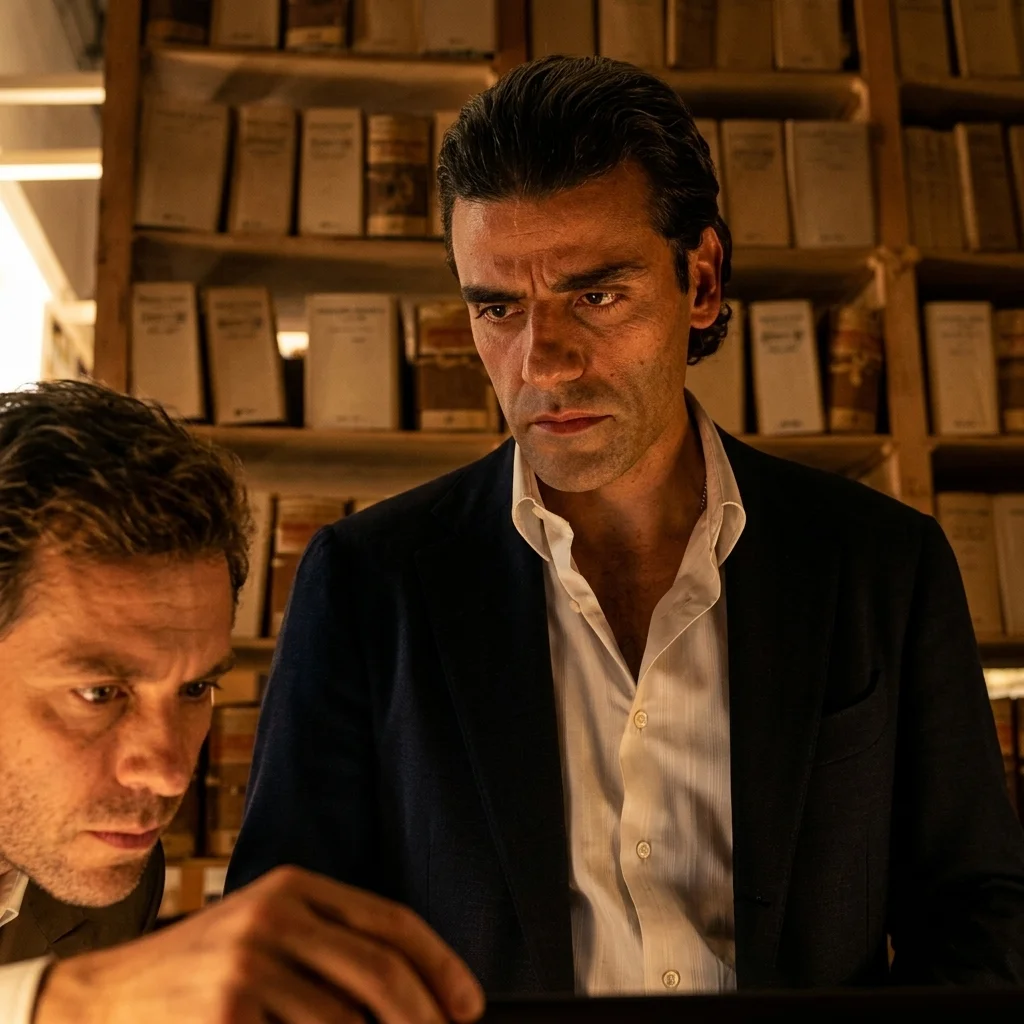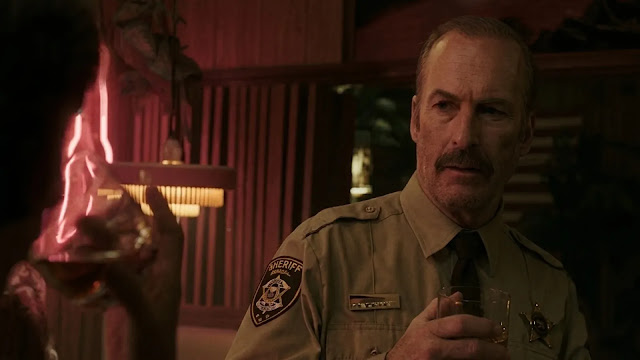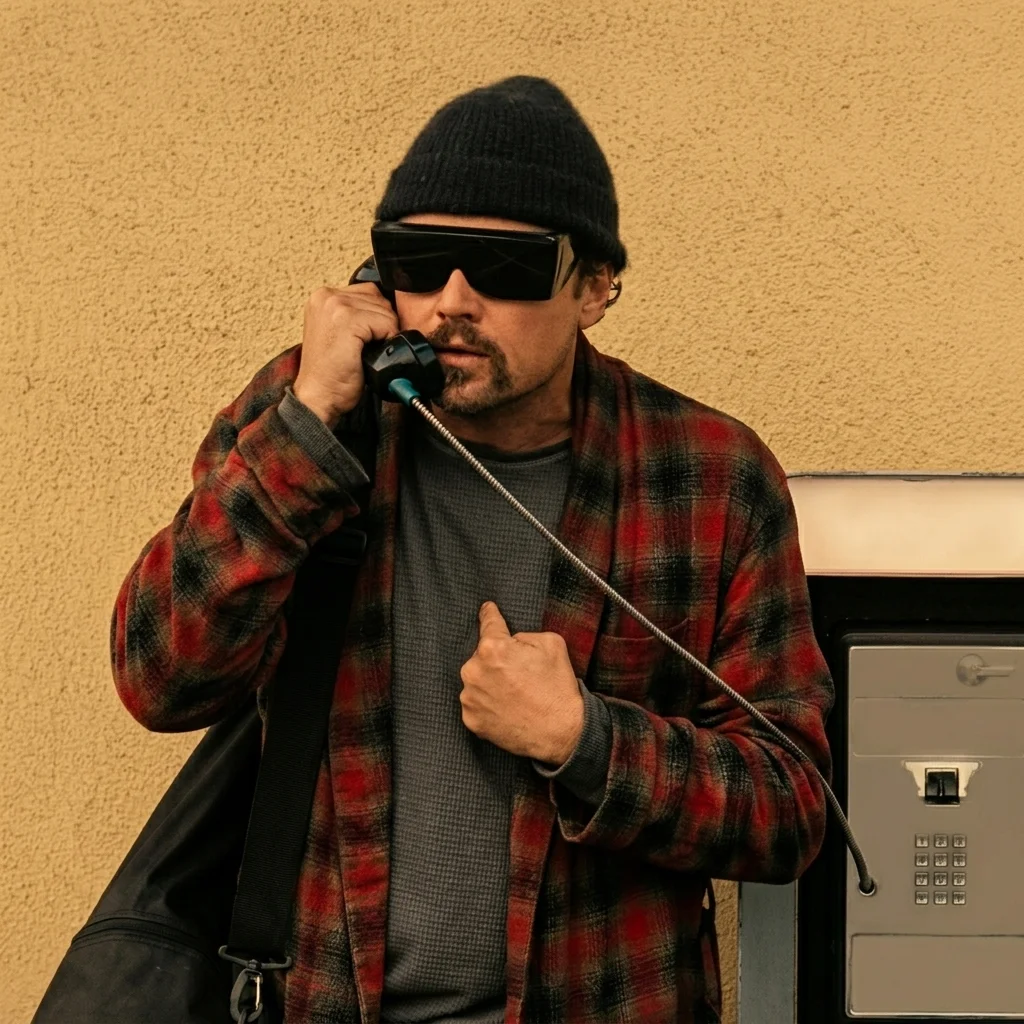
Paul Thomas Anderson has spent thirty years making films that critics revere and casual audiences quietly avoid. One Battle After Another is the one that broke through. It swept the 2026 Academy Awards with six wins, including Best Picture and, at long last, a first Oscar for Anderson himself. Now that it has arrived on Prime Video, the people who skipped it in theaters have no more excuses. This is the rare film that earns every bit of its prestige while also being, start to finish, a complete blast.
The Setup: A Washed-Up Radical and His Daughter
DiCaprio plays Bob, a former revolutionary now living off the grid in a haze of weed and paranoia, raising his sharp, self-reliant teenage daughter Willa (Chase Infiniti). Sixteen years earlier he was an explosives expert in a militant group, in love with a fellow radical named Perfidia (Teyana Taylor). That past has been dormant for a long time. Then his old nemesis, the viciously racist Colonel Steven Lockjaw (Sean Penn), resurfaces, Willa vanishes, and Bob has to become the man of action he stopped being years ago. The engine of the film is brutally simple: a father, well past his prime, trying to find his daughter before a monster does.
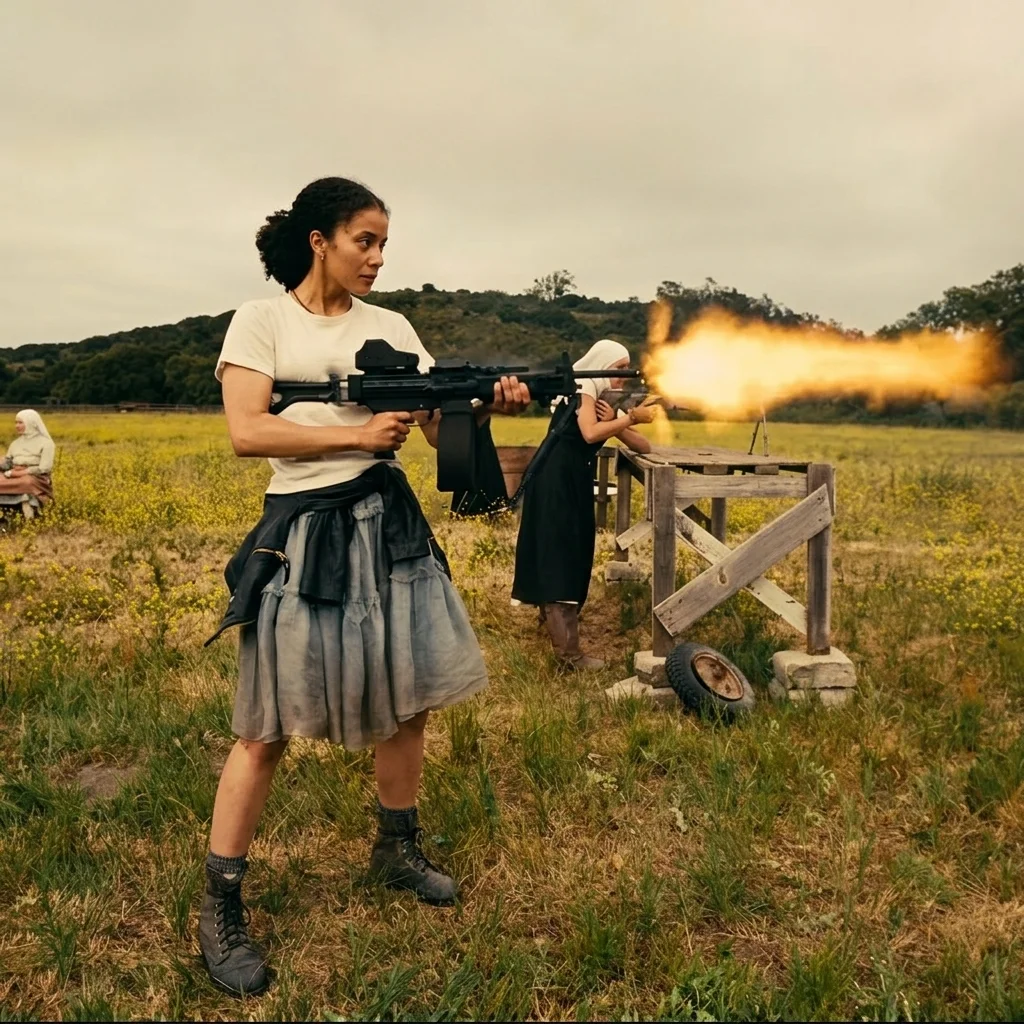
Anderson’s Most Accessible Film, On Purpose
If your image of a Paul Thomas Anderson movie is slow, cerebral, and a little forbidding, this will surprise you. One Battle After Another is brash, explosive, and frequently hilarious, built around chases and close calls and DiCaprio’s gift for sweaty, panicked comedy. It moves. That accessibility is not Anderson dumbing himself down. It is a deliberate strategy, the work of a master who decided to smuggle his usual concerns inside the most propulsive package he has ever built. The genre wrapper is the Trojan horse, and what is hidden inside it is anything but light.
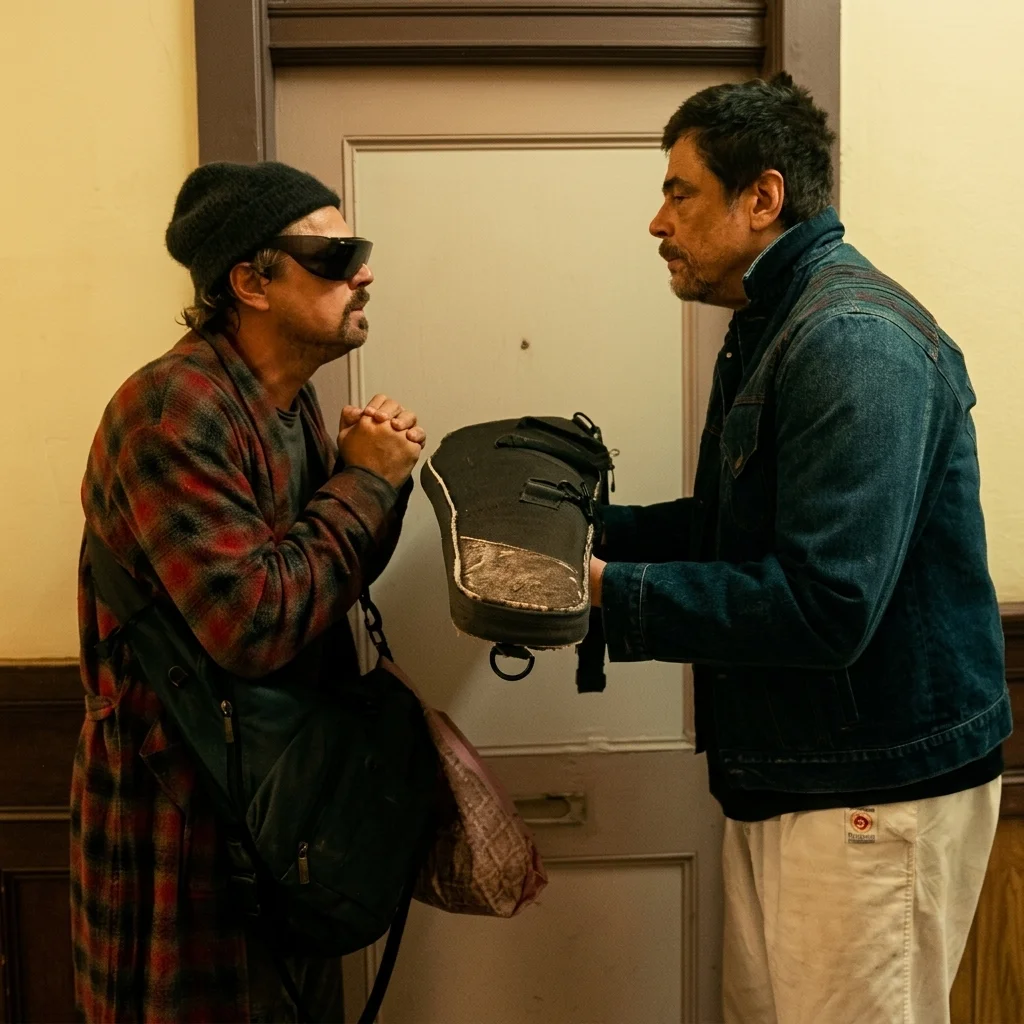
What It’s Really About
The film is loosely drawn from Thomas Pynchon’s novel Vineland, and it carries over that book’s central preoccupation: ordinary people resisting authoritarian power. Pynchon set Vineland in 1984. Anderson’s update quietly argues that America never really left that year behind, that the same machinery of surveillance, supremacy, and state violence simply changed costumes. Lockjaw is not just a personal villain; he is angling to join a shadowy white-supremacist brotherhood, and the threat he represents is institutional, not merely personal. Underneath the chase, the movie is about what one generation hands to the next, the unfinished fights and the unpaid debts, and whether a burned-out father has anything left worth passing down.
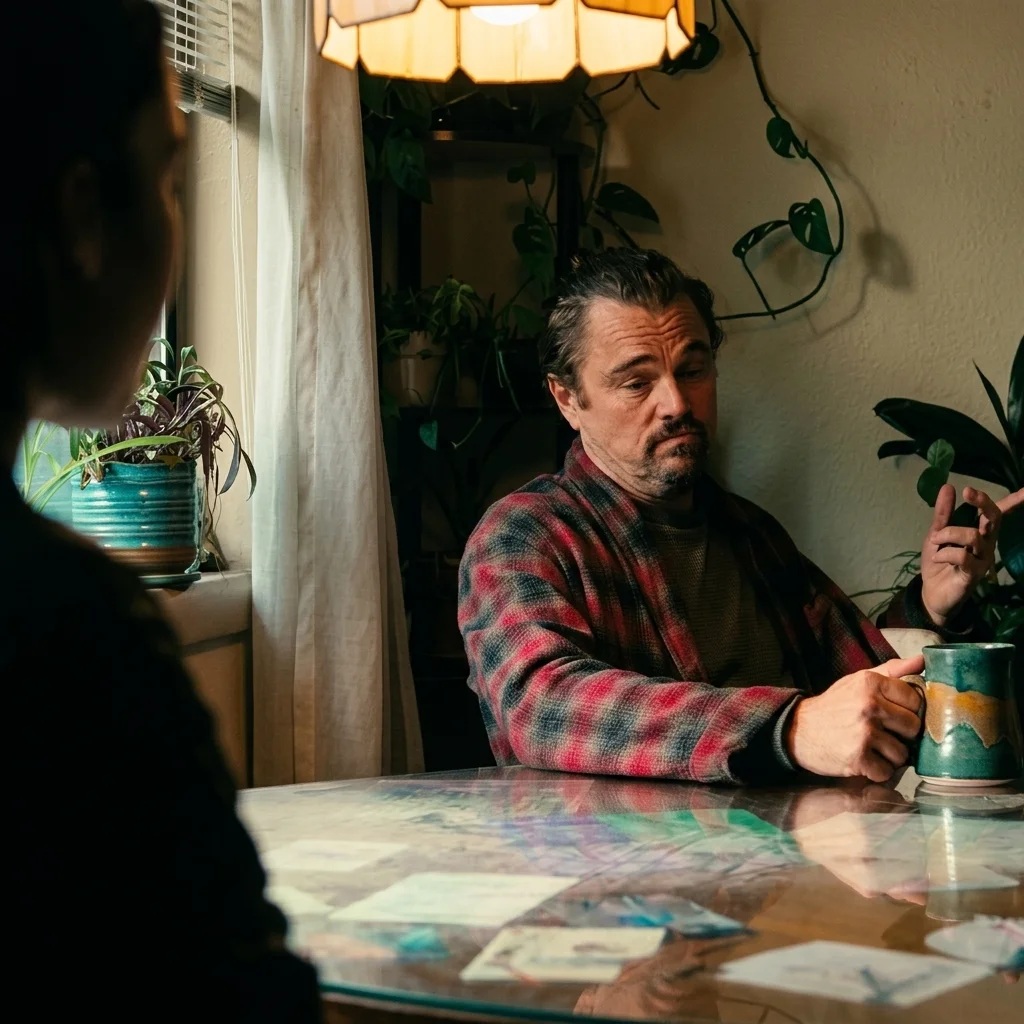
Three Fathers, One Question
One of the film’s quiet structural ideas is that it gives you three versions of fatherhood to weigh against each other, anchored by Bob, by Lockjaw, and by a third figure played by Benicio Del Toro. Each represents a different answer to the same question of what a man owes the child and the world he leaves behind. That is the kind of thematic architecture Anderson has always built, but here it never slows the movie down. You can ride the film purely as a thriller and feel all of it land, or you can sit with what it is saying. It rewards both.
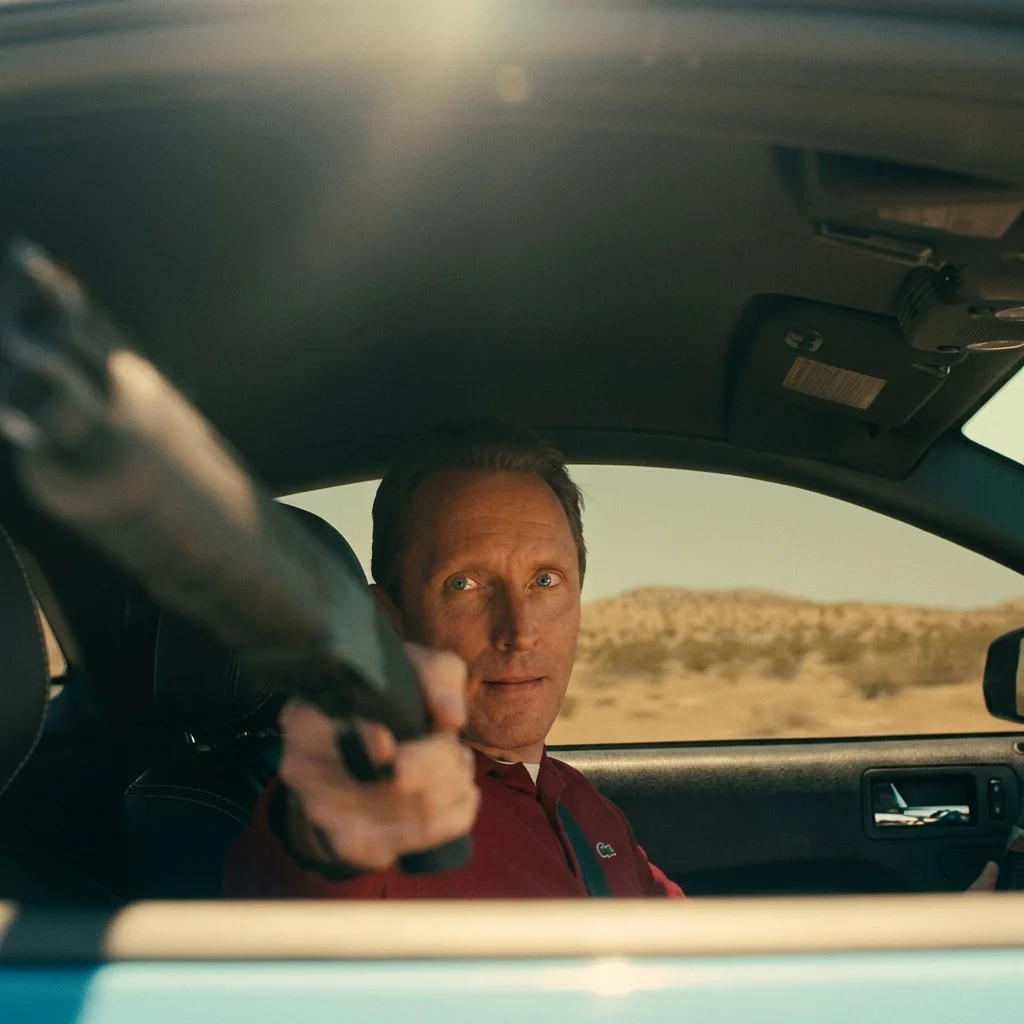
Why Now Is the Time to Watch It
It is tempting to treat a Best Picture winner as homework, the respectable thing you watch out of duty. One Battle After Another is the opposite of homework. It is the most fun Anderson has ever been, and it happens to be about the most serious things he has ever tackled. That combination, a crowd-pleaser that refuses to be hollow, is exactly why it broke through where his earlier work did not, and why it felt to so many critics like the truest picture of this American moment. It is on Prime Video now. Watch it for the chase, stay for everything underneath it, and do not be surprised when it stays with you long after the last battle is over.