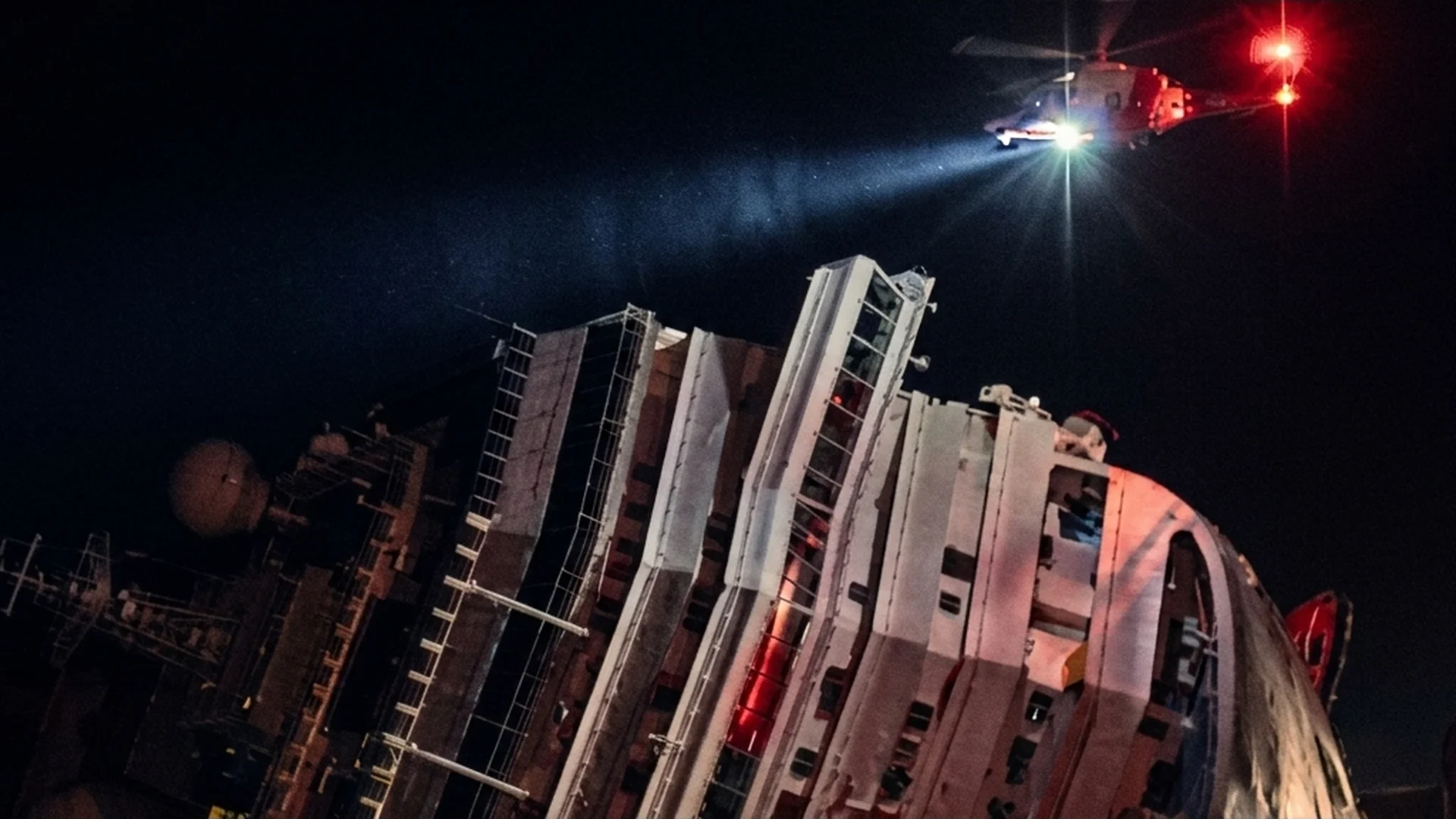
On the night of January 13, 2012, a cruise ship carrying more than 4,000 people steered toward a small Tuscan island so the village on shore could watch it glide past, lit up like a floating city. Sailors call the maneuver an inchino, a bow. Minutes later the Costa Concordia struck a cluster of rocks called Le Scole, and by morning one of the largest passenger ships in Europe was lying on its side in shallow water, so close to land that some survivors swam ashore. Thirty-two people died.
Shipwrecked: Nightmare at Sea, the documentary that hit number one on Netflix in the US over the weekend, rebuilds that night from black-box recordings, coast guard audio, and the phone videos passengers were taking when the lights went out. It also answers the question people have kept typing into search bars for fourteen years: what happened to the captain who left his ship while hundreds of people were still on it.
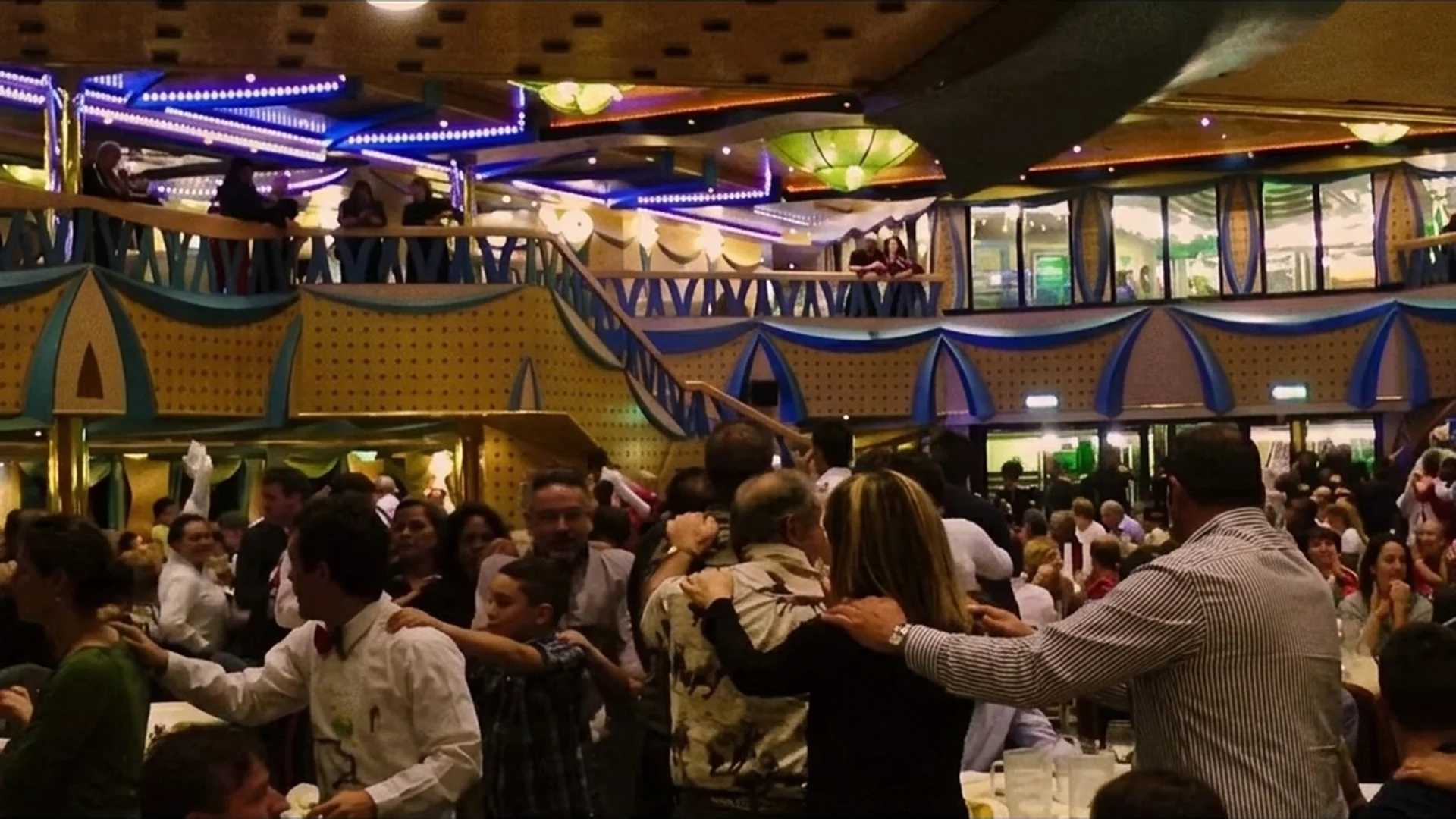
A Bow to the Island
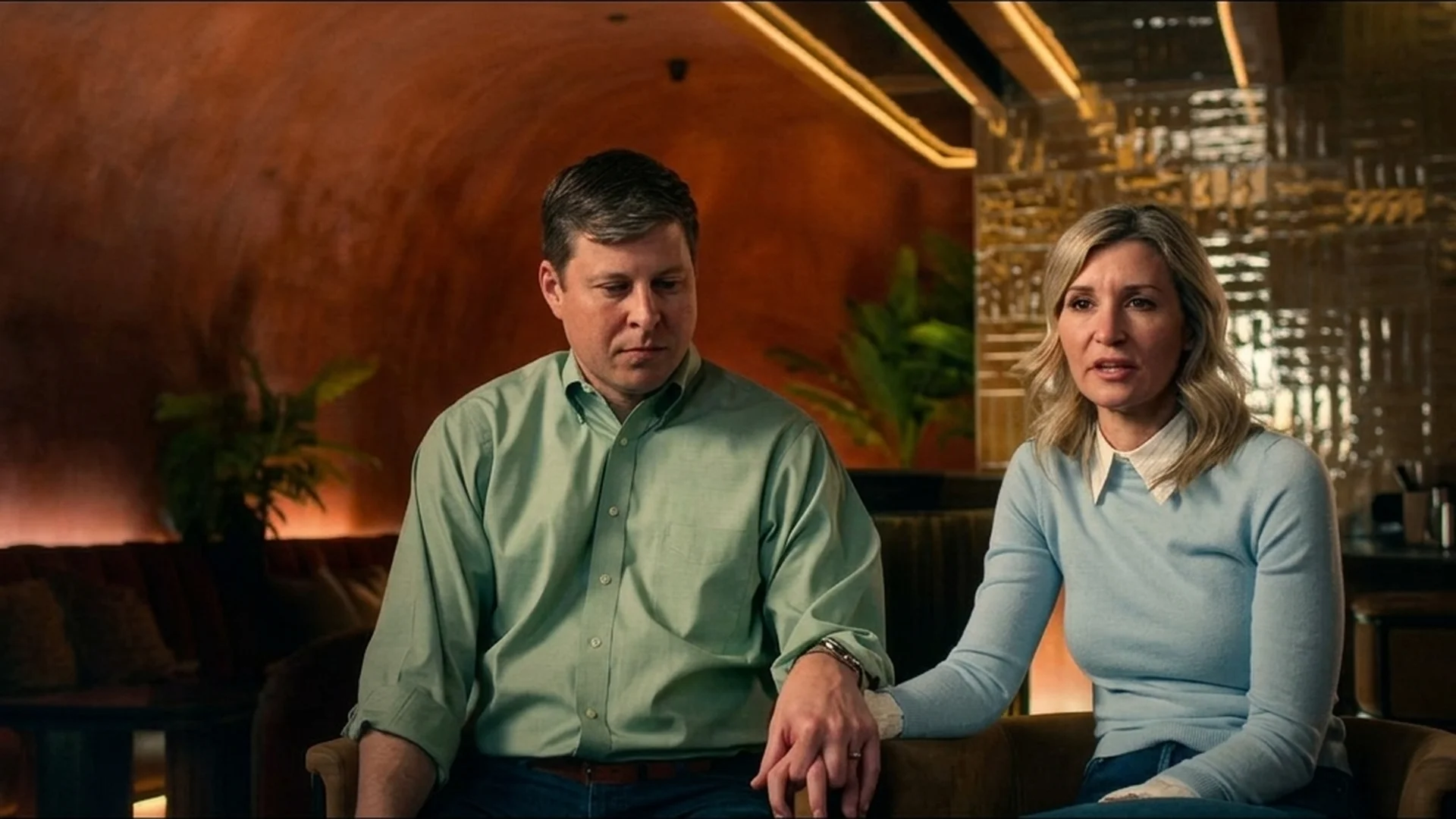
Director Chiara Messineo, who made Vatican Girl and worked on the Trainwreck series, builds the film entirely out of people who were there: passengers, crew, divers, investigators. There are no actors and no re-enactments, and none are needed; this is a true story where the facts outrun fiction. Its witnesses include a married couple, a father who was traveling with his four daughters, and hotel manager Manrico Giampedroni, pulled alive from the hull a day and a half after the ship rolled over. The story they tell begins with a favor. The head waiter came from Giglio, and the sail-by salute was meant as a greeting to his island, a bit of showmanship the ship had performed before. Captain Francesco Schettino took the Concordia off its planned course and brought it close to shore at night, in water his charts did not cover in detail. The rocks tore the hull open, seawater flooded the engine rooms, and the ship lost power within minutes. Everything that follows in the film flows from how casual that decision was, a detour made for a wave at the shoreline.

The Hour Nobody Was Told
The collision happened around 9:45 in the evening. The abandon-ship order came at 10:54. The documentary lives inside that missing hour, and it is the hardest stretch to watch. Passengers heard an announcement blaming an electrical fault and telling them to return to their cabins. The phone videos show dinner plates sliding off tables, hallways tilting a few more degrees each minute, crew members repeating reassurances they had been handed from the bridge.
What I kept thinking about was how ordinary everyone sounds at first, annoyed, joking, filming for relatives at home, and how the tone in those videos curdles once the life jackets come out. By the time the evacuation finally began, the ship had rolled so far that the lifeboats on one side could barely be lowered. Many of the thirty-two victims died in that scramble, in stairwells and flooding corridors, a few hundred meters from an island they could see from the deck.
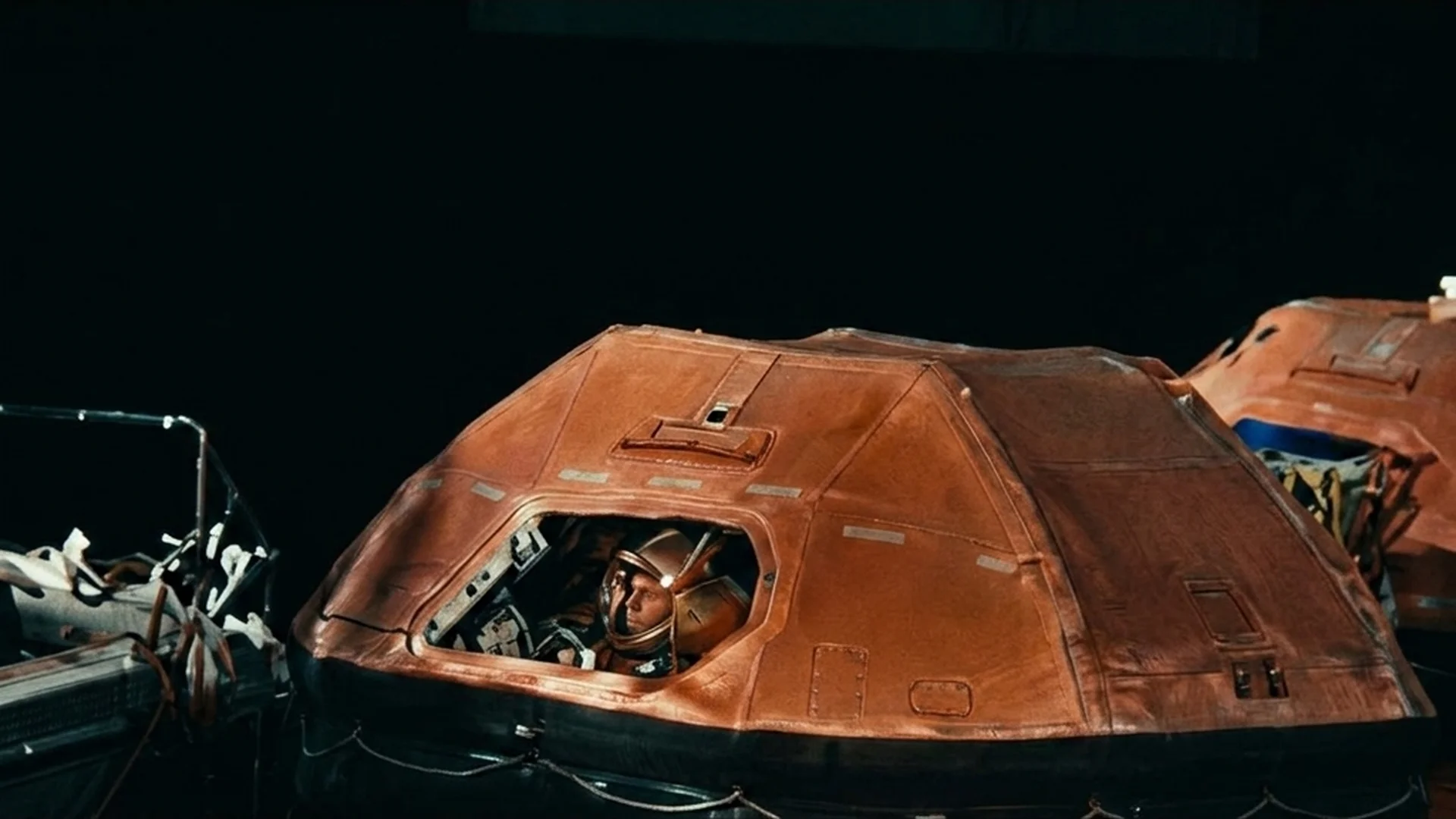
The Captain in the Lifeboat
Schettino got into a lifeboat while roughly 300 people were still on board. What happened next became one of the most famous audio recordings in Italy: coast guard captain Gregorio De Falco, on the phone, ordering him to get back on the ship and run the evacuation, and Schettino not going. He would later say he slipped and fell into the lifeboat. The recording turned De Falco into a national hero and his order into a slogan printed on T-shirts, and it turned Schettino into a man whose name became shorthand for guilt. The film plays the exchange at length, and heard with fourteen years of distance, the striking part is not the anger; it is how long De Falco keeps trying, as if the right sentence might still send the man back up the ladder.
Where Francesco Schettino Is Now
On February 11, 2015, an Italian court convicted Schettino of manslaughter, of causing the shipwreck, and of abandoning his passengers, and sentenced him to sixteen years. He stayed free through his appeals, and when Italy’s highest court upheld the verdict in 2017, he reported to Rebibbia prison in Rome, where he remains today. His sentence runs to roughly 2032; he will walk out in his early seventies. He is the only person who went to prison for the Costa Concordia. Five other Costa employees, including the helmsman and the company’s crisis coordinator, accepted plea deals with no prison time, and the company itself paid a fine and settled with passengers. The film sets that arithmetic out flatly and lets you sit with it. Sixteen years for one man, checks for everyone else.
The wreck itself stayed on its side off Giglio for two and a half years, floodlit at night, before it was refloated and towed to Genoa for scrap. The island eventually got its horizon back. The film ends closer to the people: survivors who still measure their lives against that one hour, and a captain who will leave Rebibbia into a world that made up its mind about him the night he climbed into that boat.