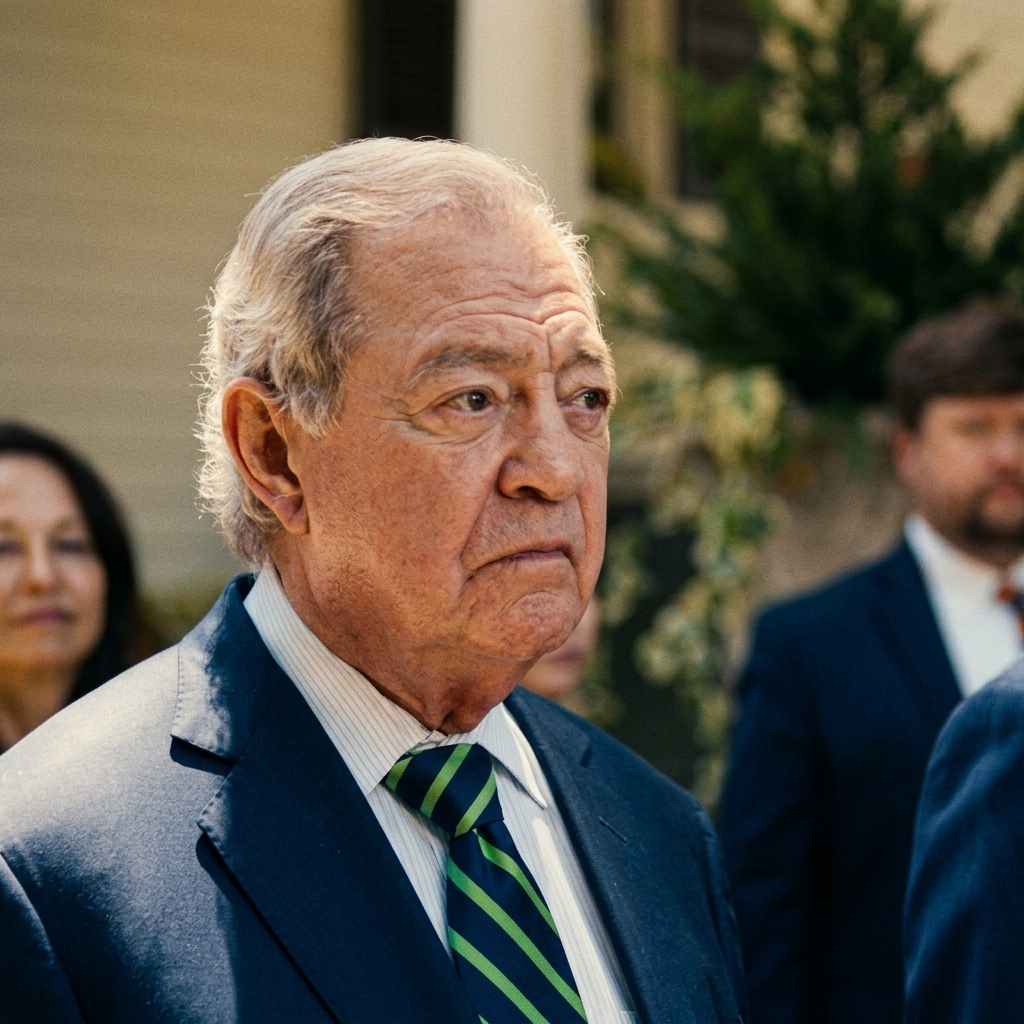
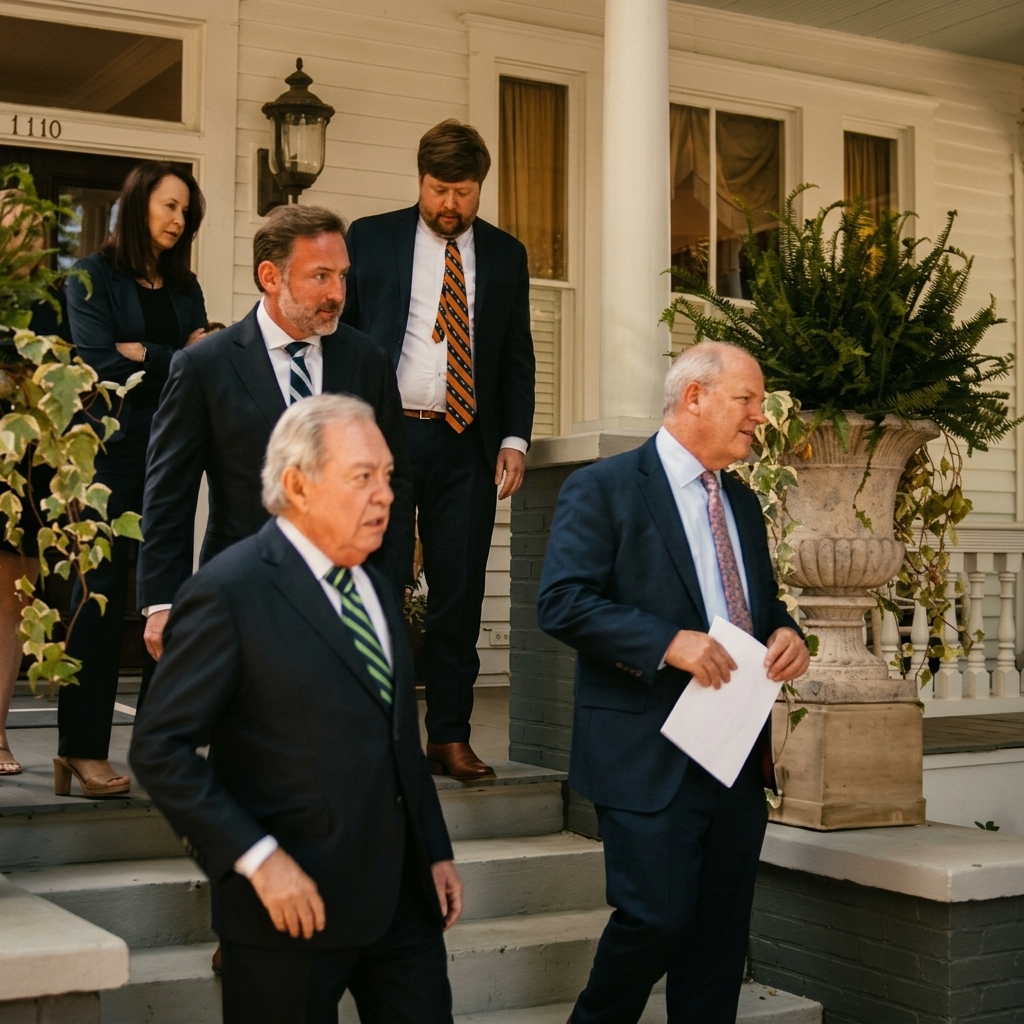
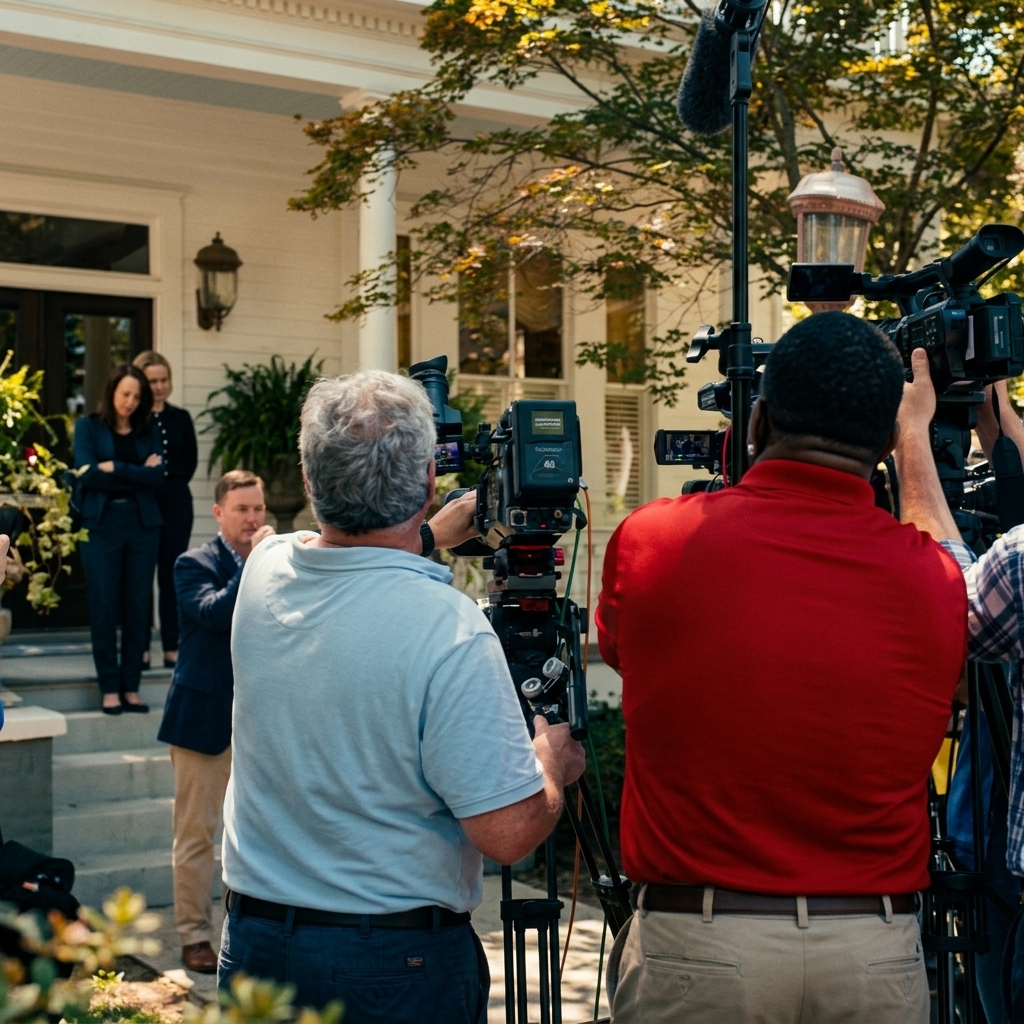
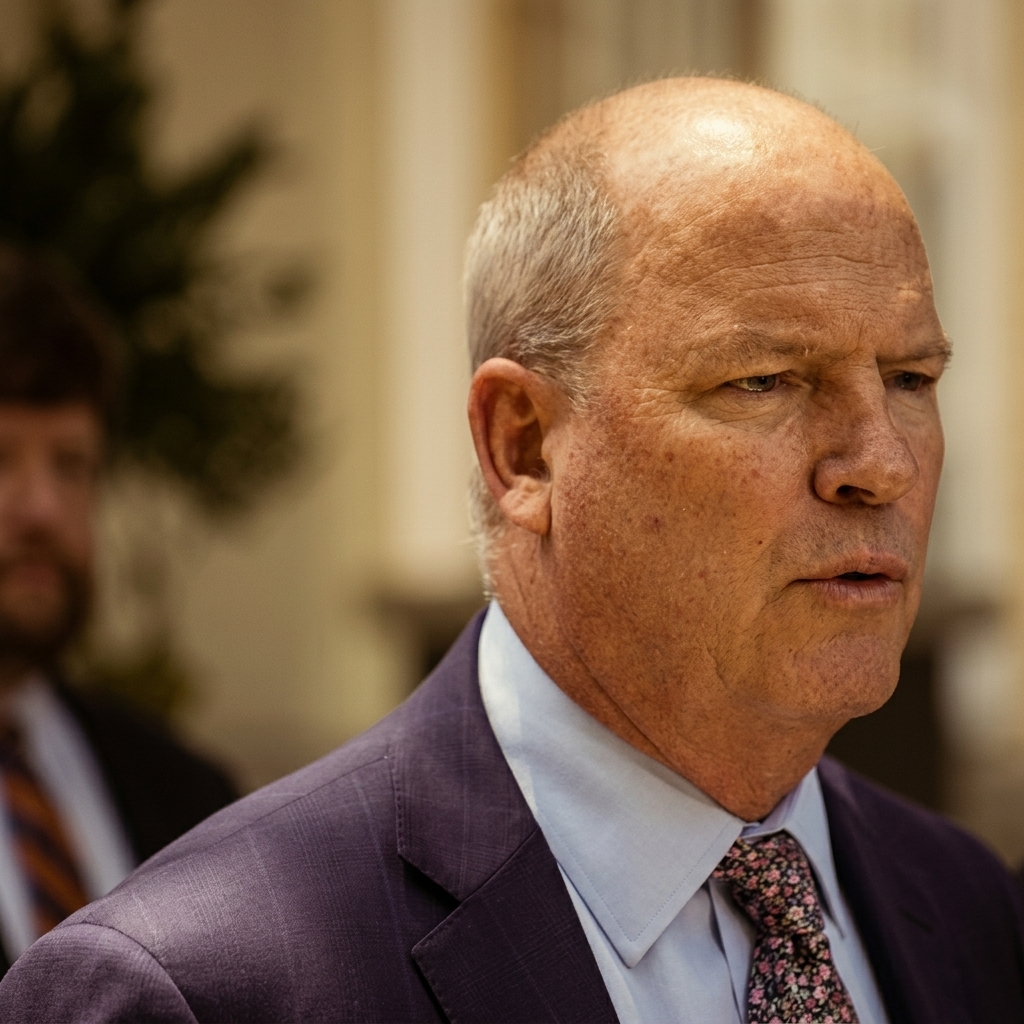
On May 13, 2026, the South Carolina Supreme Court overturned Alex Murdaugh’s double murder convictions in a unanimous 5-0 ruling. On May 18, Netflix started filming a documentary about it. On May 30 — twelve days later — that documentary was streaming globally.
That timeline is the story.
Not just the Murdaugh story, though that is genuinely extraordinary in its own right. The story is what Netflix just demonstrated is possible: a documentary that moves at the speed of news without sacrificing the depth that makes documentary worth watching. Instadocs: Alex Murdaugh, Unconvicted is the first installment of a new Netflix format called Instadocs, and it arrives as both a compelling piece of true crime journalism and a proof of concept for something the television industry has been trying to figure out for years.
What Happened — and Why It Matters
Alex Murdaugh was convicted in 2023 of murdering his wife Maggie and his son Paul on the family’s South Carolina hunting estate. The case became one of the most-watched true crime stories in recent American history — a story of a prominent legal family, financial fraud on a massive scale, and a murder trial that played out in near-real-time on social media and streaming platforms.
Three years later, his legal team won an appeal on grounds that might be more unsettling than the original verdict: the Colleton County Clerk of Court, Rebecca “Becky” Hill, had allegedly tampered with the jury. According to juror testimony, Hill told jurors not to be fooled by the defense’s arguments and suggested, as deliberations began, that the verdict shouldn’t take long. The Supreme Court found that Hill had placed her fingers on the scales of justice and denied Murdaugh his right to a fair trial.
The conviction was overturned. A new trial was ordered.
Here is the thing that makes this genuinely complicated: Murdaugh is not going anywhere. He is currently serving a 40-year federal sentence for stealing approximately $12 million from his own clients, plus a concurrent 27-year sentence for related state financial crimes. Overturning the murder conviction does not free him. It simply means the question of whether he killed his wife and son will have to be answered again, in a new courtroom, by a new jury — one that, presumably, has not been coached by a county clerk with an opinion about the outcome.
The South Carolina Attorney General has said his office will aggressively seek to retry Murdaugh. That retrial could happen within the year.
What Netflix Did — and How
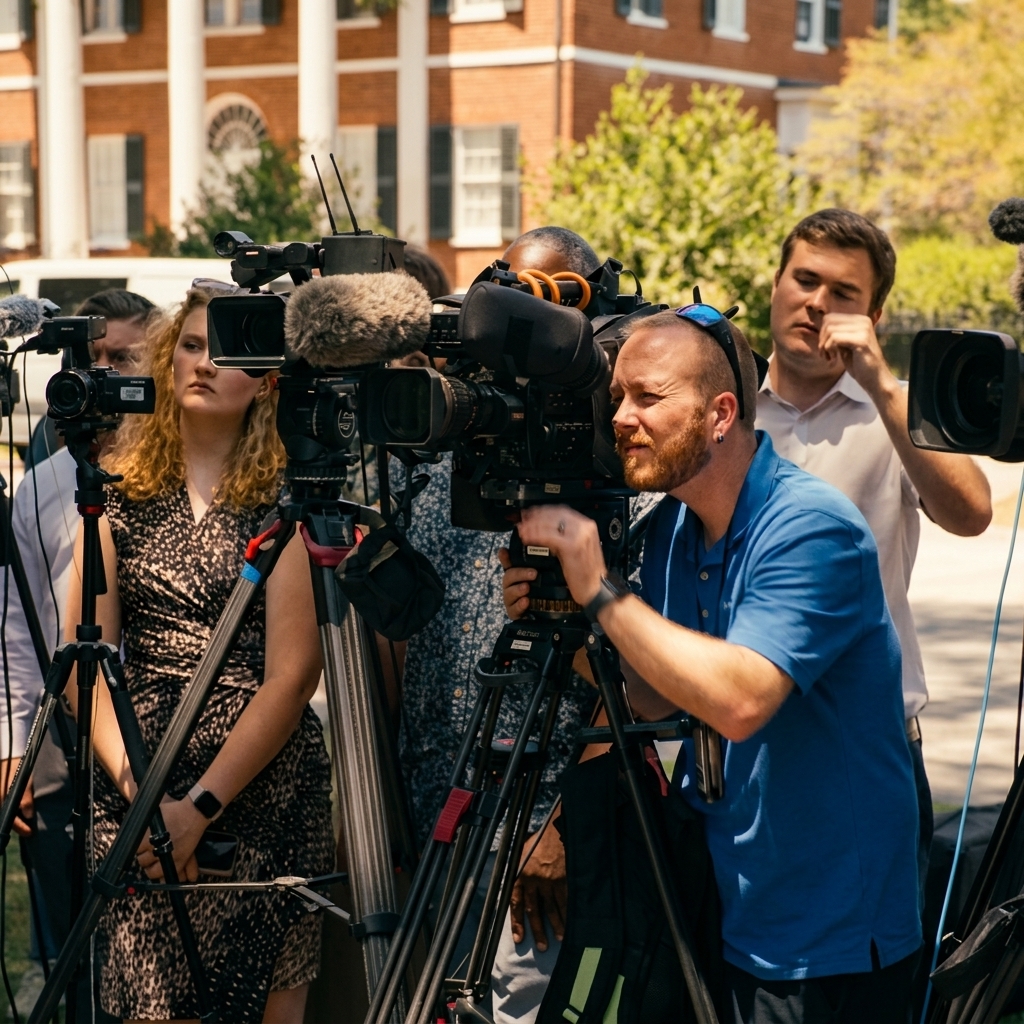
Producer Josh Tyrangiel, who created the Instadocs format, has described it as hitting the intersection between urgency and finesse. The Murdaugh episode was shot in twelve days. There is no voiceover, no anchor, no correspondent standing in front of a courthouse. The documentary is built from original interviews — with state Attorney General Alan Wilson, with jurors including Myra Crosby whose dismissal from the original jury raised questions about the trial’s integrity, and with true crime commentators who have followed the case closely.
What this format is not is a traditional newsmagazine piece. It is not 60 Minutes or Dateline. It does not pretend to have distance from the events it is covering, because it does not have that distance — and it does not pretend to. The twelve-day production window is the point, not a compromise. The show is interesting precisely because it exists in the same moment as the story it is telling.
The question the format raises — and does not fully answer, because it cannot yet — is whether urgency and finesse can consistently coexist. The Murdaugh episode benefits from a story that is already extensively documented, a subject with years of public record, and a legal development that is clear enough in its facts to anchor a coherent narrative. The next Instadoc will need to do the same thing with less infrastructure. That will be the real test.
The Deeper Question This Case Keeps Asking
What the conviction overturn actually surfaces is a question about the American legal system that goes beyond any one case: how much does the conduct of court officials — people who are supposed to be invisible, procedural, neutral — actually shape the verdicts that come out of American courtrooms?
Becky Hill’s alleged behavior was not subtle. Telling jurors not to be fooled by the defense, and that deliberations shouldn’t take long, is not a procedural irregularity. It is a thumb on the scale during the most consequential moment of a trial. The Supreme Court found it serious enough to void a verdict that had seemed, at the time, ironclad.
What that means for the retrial is uncertain. What it means for the broader system is a question Instadocs raises without having the time — yet — to fully pursue. That may be the most interesting thing about this new format: it captures the moment a question becomes urgent, and leaves the answer for later.