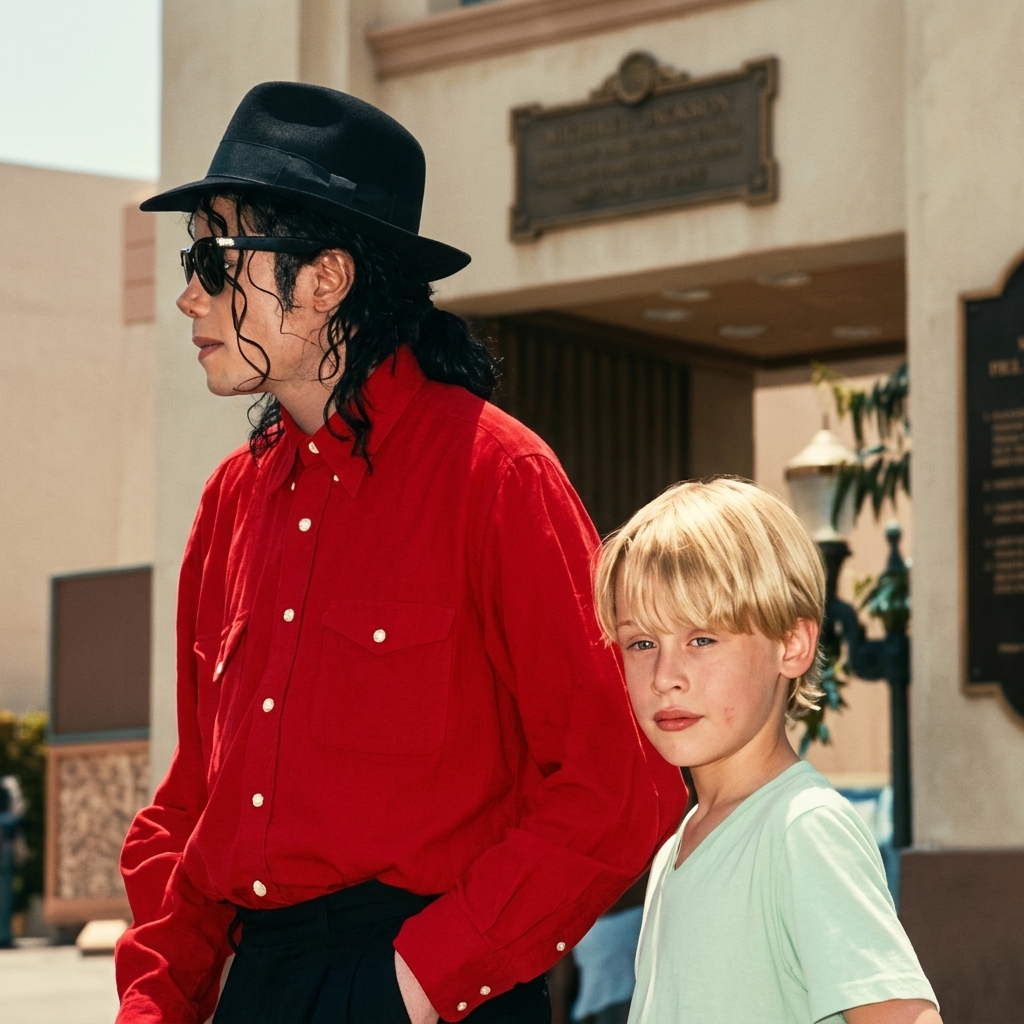
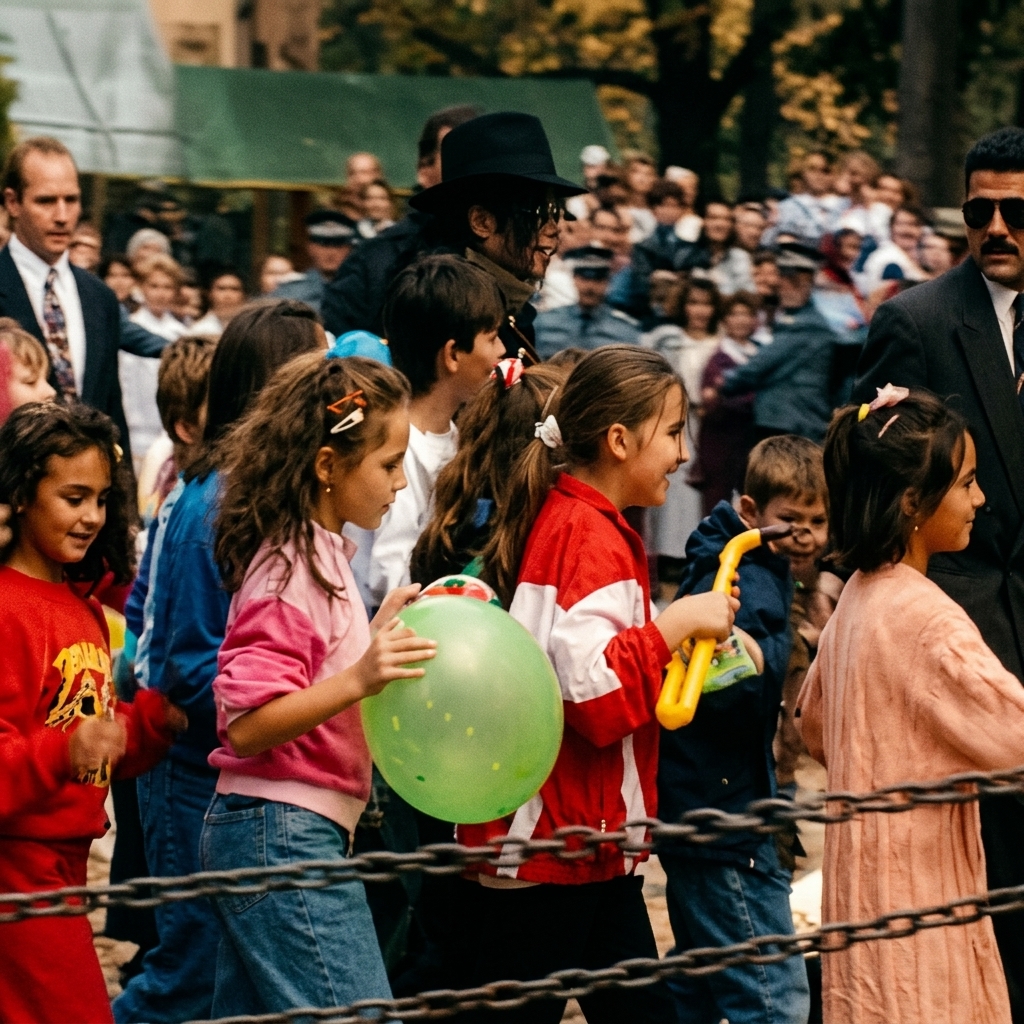
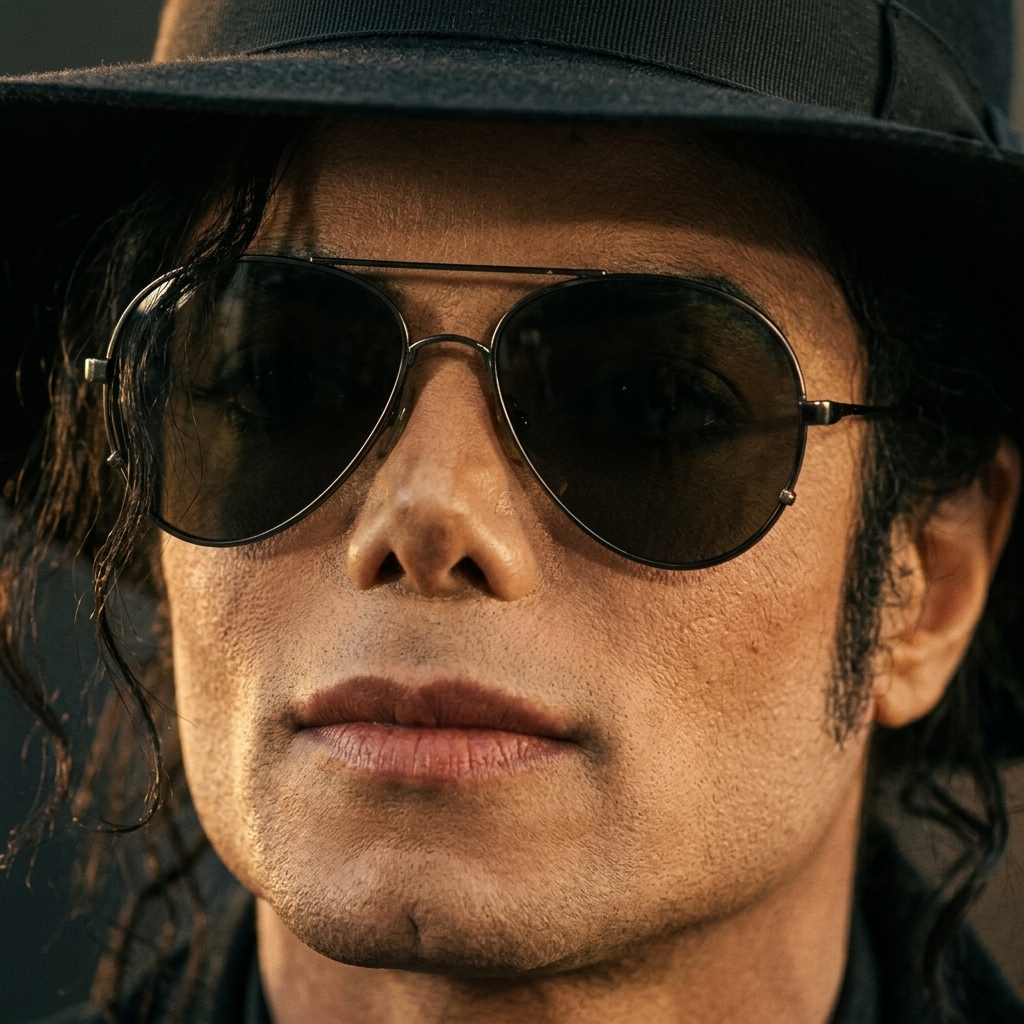
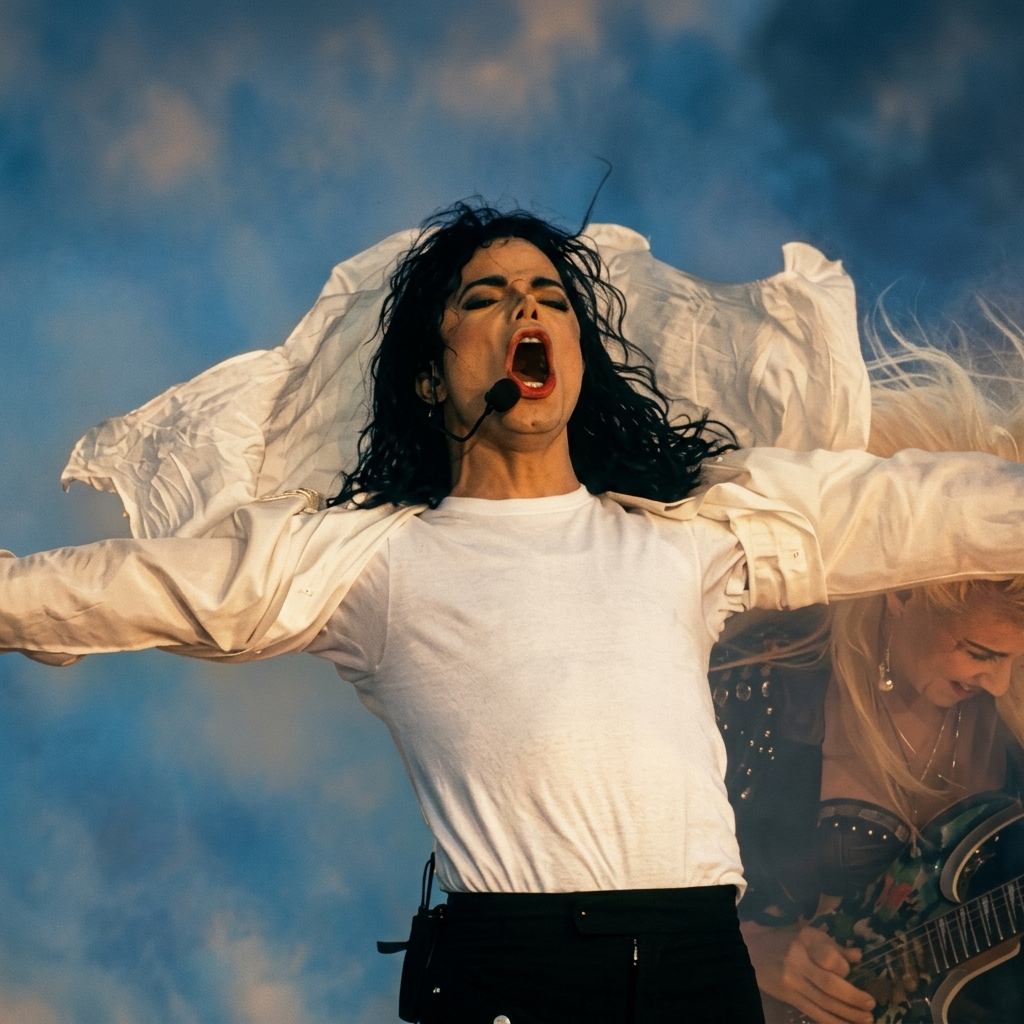
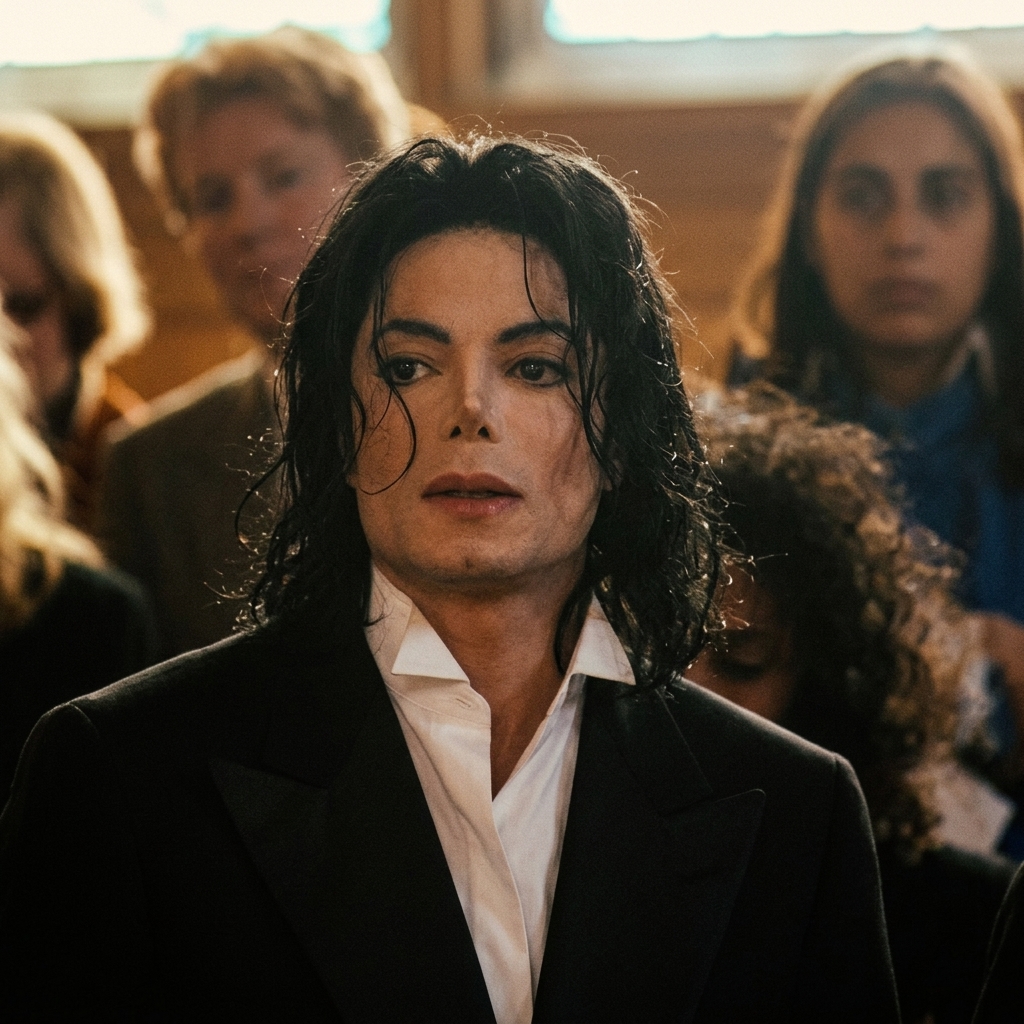
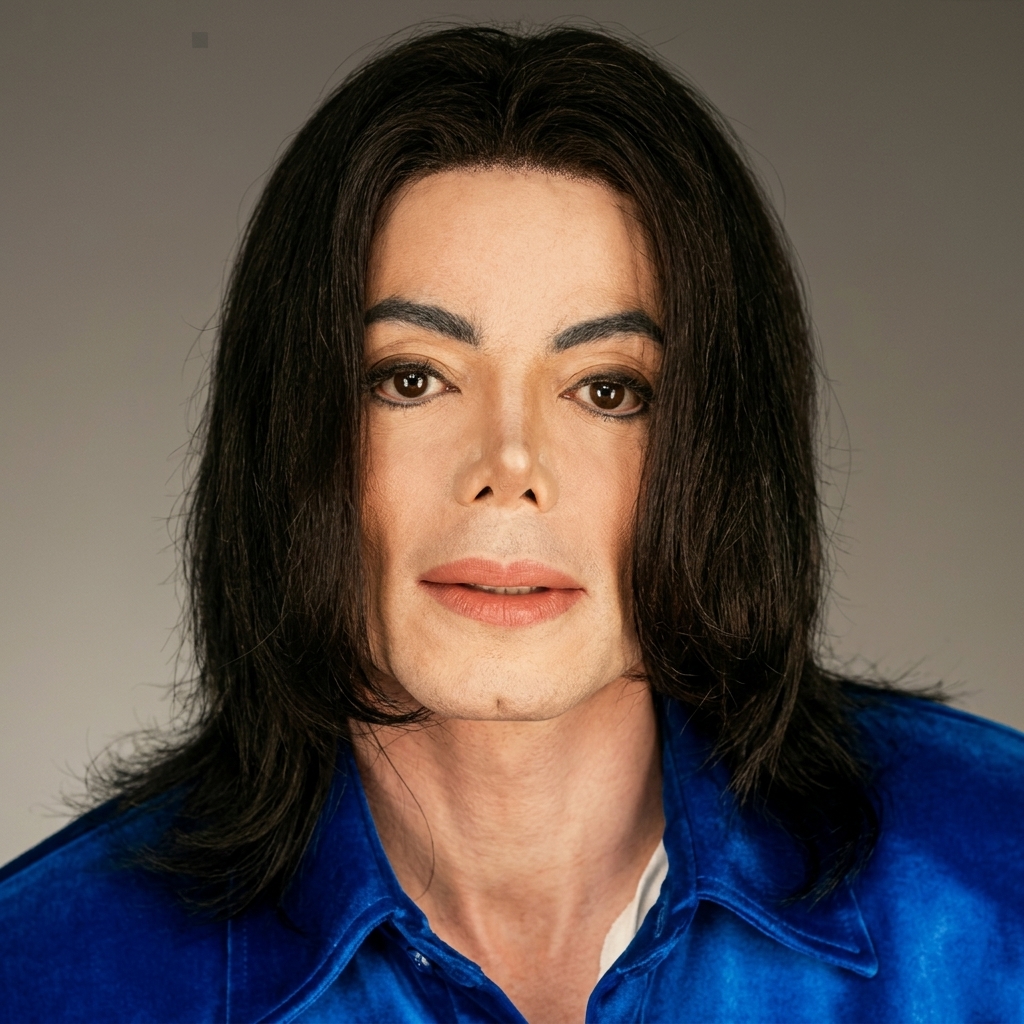
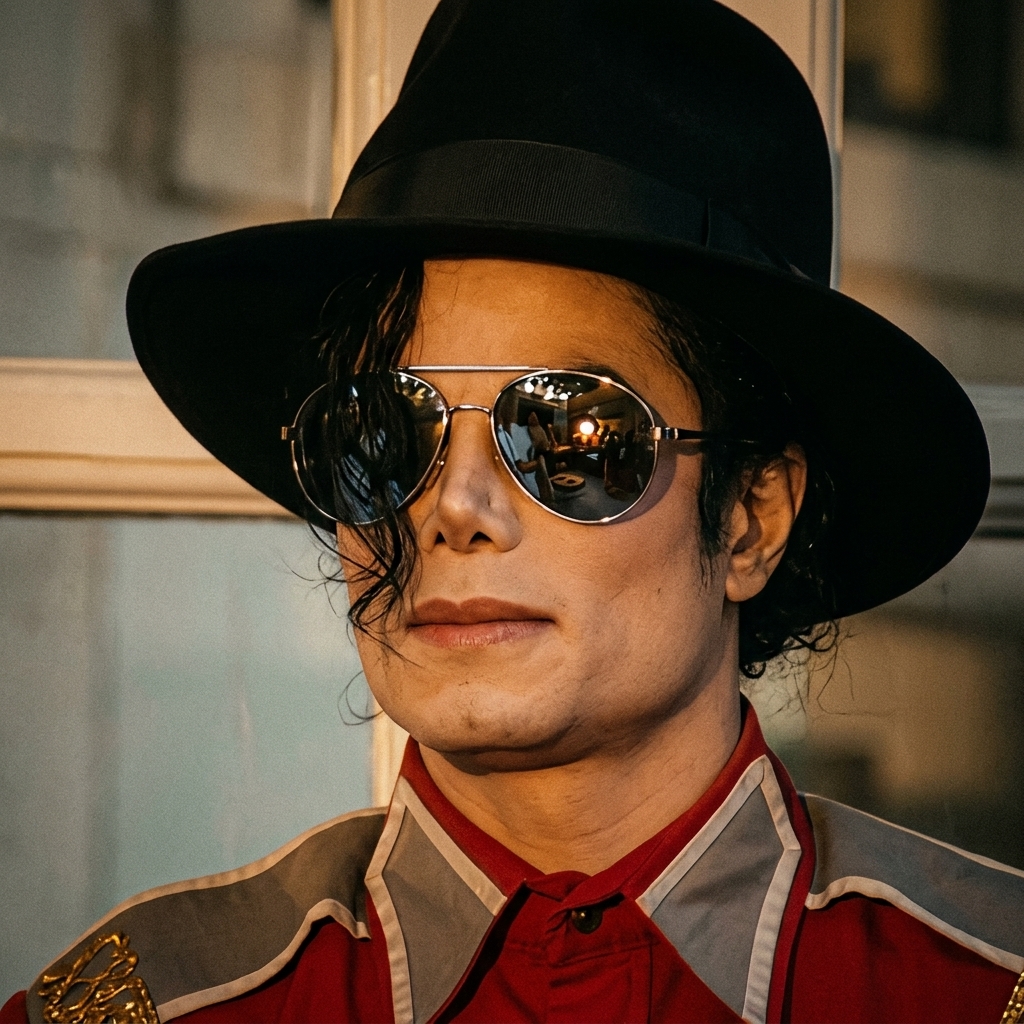
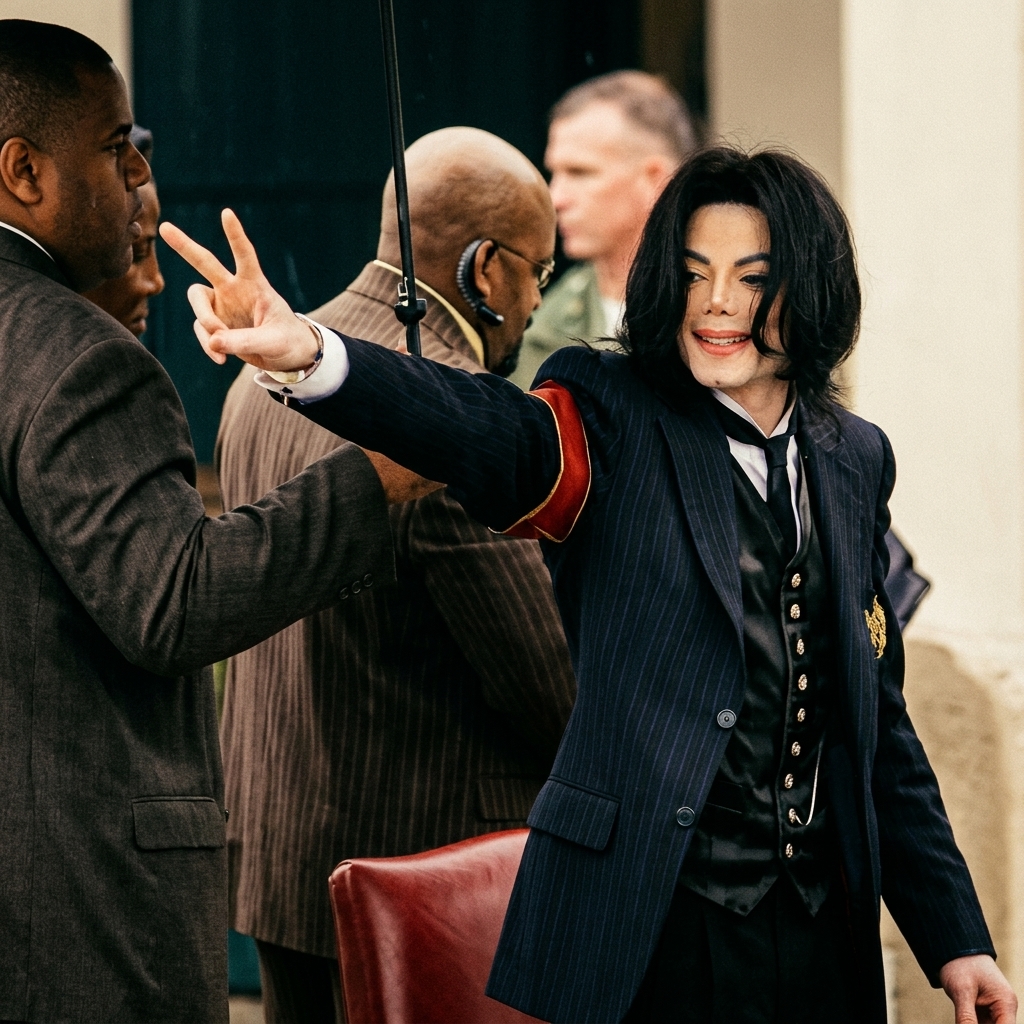
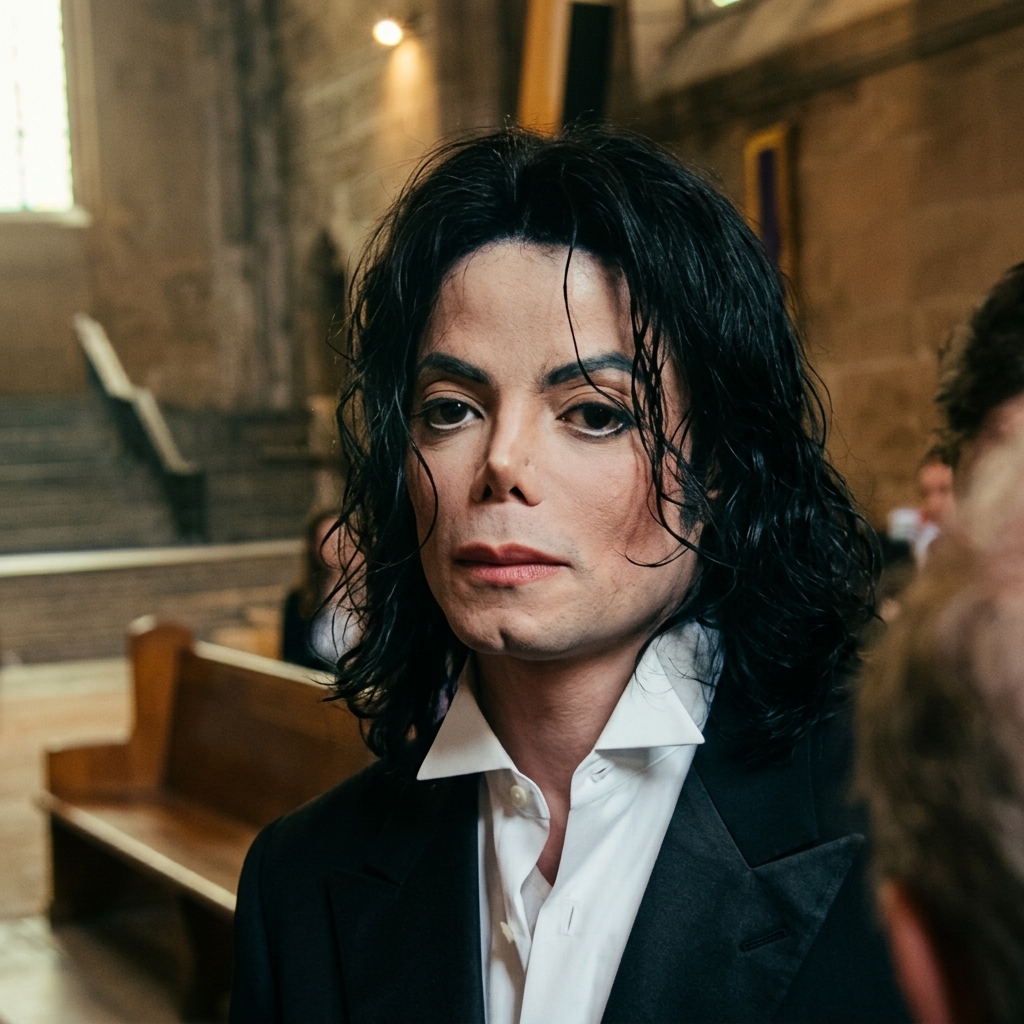
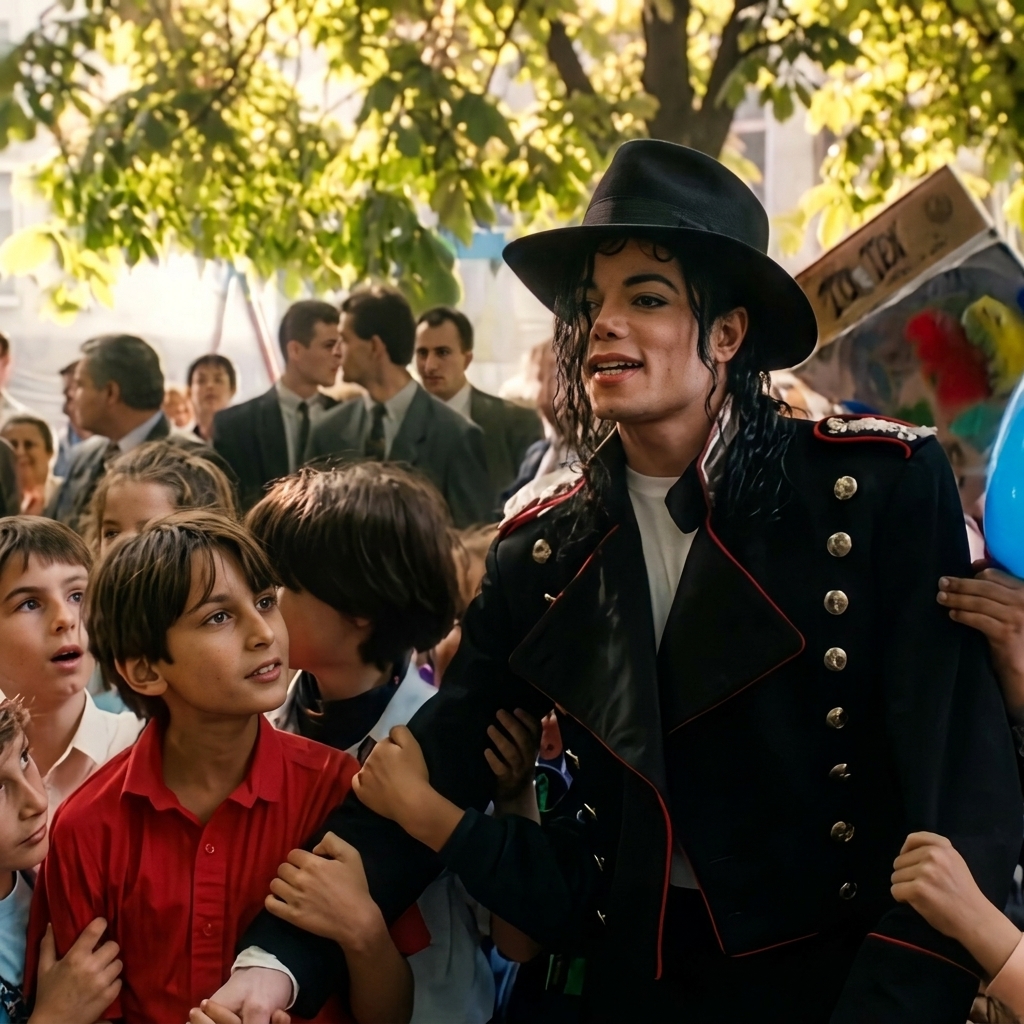
A few days ago I wrote a preview of this docuseries, and I ended it with a question. Not whether Michael Jackson was guilty or innocent — a jury answered that in 2005 — but a harder one: how did a trial that ended in acquittal on every single count become culturally remembered as something murkier than that? Where did the gap open up between what the law concluded and what the public decided to believe?
Having now watched all three episodes of Michael Jackson: The Verdict, I have an answer, though not the one I expected. The gap I was asking about isn’t just the subject of this documentary. It’s playing out, in real time, in the documentary’s own reception. As of this writing, the series holds roughly 80% with critics and 4% with audiences. That number is not a glitch. It’s the most honest thing about the entire project.
What Michael Jackson: The Verdict Actually Shows
Director Nick Green opens not with music or nostalgia but with never-before-seen law enforcement footage from the search of Neverland Ranch — officers moving through bedrooms, a hidden stairwell, shelves of dolls and figurines and videotapes. It’s a deliberate choice, and an effective one. Before a single talking head appears, the series establishes the central unease that the next three hours will sit inside.
From there it builds the case methodically, covering both the 2005 trial and the 1993 allegations that preceded it. The 1993 case — settled for $23 million with a twelve-year-old and his family — is treated not as ancient history but as essential context, including the detail that the accuser, Jordan Chandler, reportedly provided a description that prosecutors considered significant. The 2005 trial is traced from its origin in Martin Bashir’s 2003 documentary Living with Michael Jackson, in which Jackson, holding the hand of twelve-year-old Gavin Arvizo, spoke openly about sharing his bed with children. That footage, more than any single piece of evidence, is what put Jackson back in a courtroom.
The interview list is genuinely impressive, and it’s where the series earns its critical respect. Prosecutor Ron Zonen and defense attorney Mark Geragos both appear. So do jurors, including Melissa Herard, whose recollections of the deliberation room are among the most valuable material here. Journalists who covered the case — Diane Dimond, CBS analyst Trent Copeland — sit alongside Jackson’s then-publicist Raymone Bain, his security director, his biographer J. Randy Taraborrelli, and a megafan named Sheree Wilkins who left her job as a preschool teacher to attend the trial in person. Green has assembled nearly everyone who mattered, on every side.
The Documentary’s Real Subject Isn’t Jackson
Here is what surprised me. The most interesting thing The Verdict does is almost accidental. By placing the prosecutor, the defense attorney, the jurors, the believers, and the lifelong fans in the same structure, it stops being a documentary about whether Michael Jackson did it and becomes a documentary about how a society metabolizes a question it cannot answer.
The jury acquitted on all counts, and the jurors interviewed here largely stand by that decision — they describe a prosecution case they found unconvincing, witnesses they didn’t trust, a timeline that didn’t hold. That is the legal verdict, and the series does not pretend otherwise. But the documentary surrounds that verdict with everything the verdict couldn’t contain: the bed-sharing admissions, the pattern, the 1993 settlement, the discomfort that no acquittal could dissolve. The result is a portrait of the exact gap I was asking about in my preview. The law said one thing. The culture never accepted it. The Verdict shows you both and declines to reconcile them.
That refusal is, depending on your view, either the series’ integrity or its cowardice. I keep landing on the former, but I understand why so many viewers land on the latter.
Why the Audience Score Is the Story
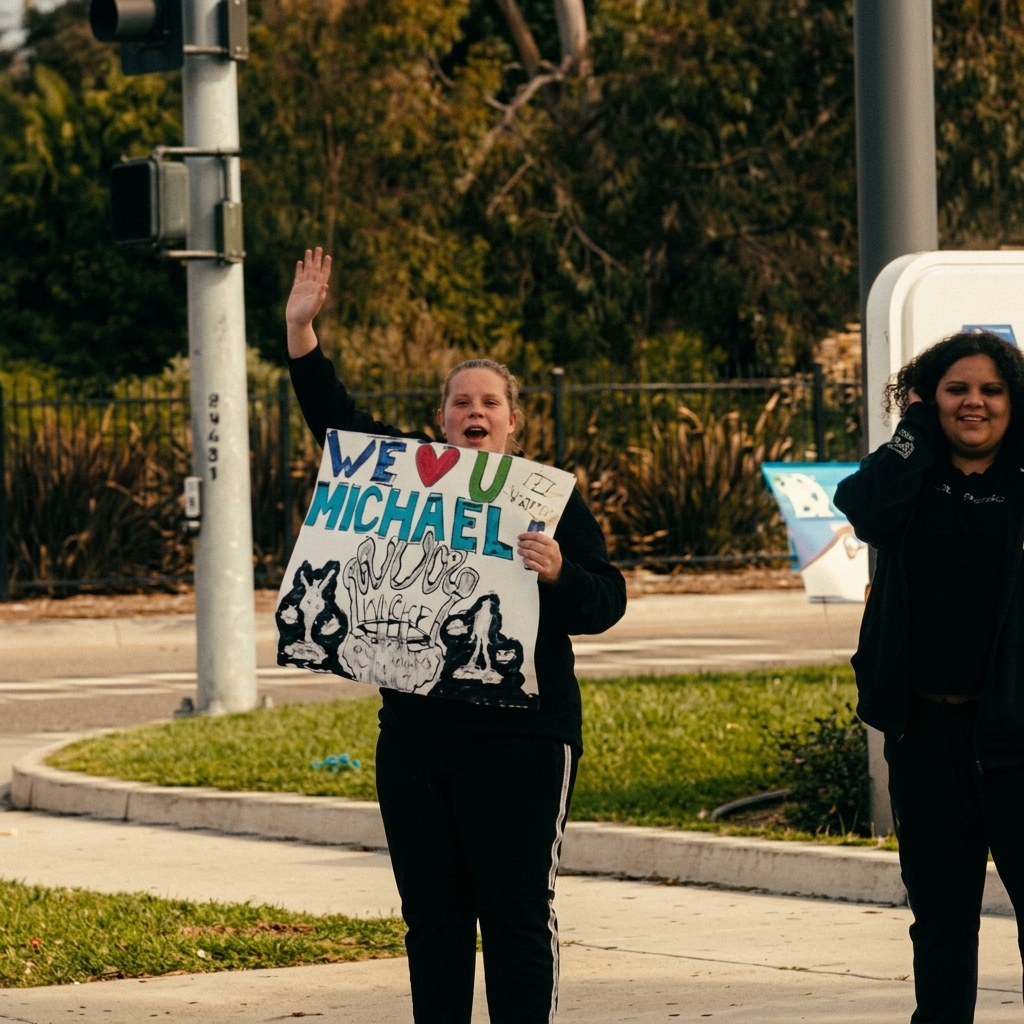
A 4% audience score against an 80% critical score is not a measure of quality. It’s a measure of a fight. Since the Michael biopic dominated theaters this past April, a vocal movement reasserting Jackson’s innocence has grown louder online, and The Verdict has walked directly into it. To that audience, any documentary that revisits the allegations at all — regardless of how scrupulously it presents the acquittal — is an act of bad faith. The low score is not a review. It’s a verdict on the verdict.
And this is where the documentary’s genuine limitation comes into focus, the one critics have noted and I agree with. For all its access and rigor, The Verdict is analytically shy in exactly the places it should be bold. It presents the prosecution and the defense with admirable evenhandedness, but it rarely steps back to examine the larger forces the case sat inside — the way enormous wealth purchases legal advantage, the way celebrity distorts the credibility of accusers, the way a global icon and a working-class family do not enter a courtroom as equals. The raw material for that analysis is everywhere in the series. The series mostly declines to assemble it.
So my preview question gets a partial answer. I asked whether The Verdict would examine the gap directly or retreat into the safety of “both sides.” It does some of each. It examines the gap by showing it to you in unprecedented detail. It retreats from the gap by refusing to interpret what it has shown. The footage is braver than the framing.
Is It Worth Watching
Yes — with clear eyes about what it is and isn’t. The Verdict is not the definitive account of the Michael Jackson trial, because a definitive account would require the analytical nerve this series lacks. But it is the most complete assembly of primary voices the case has ever received, and the never-before-seen footage and the juror interviews alone justify the three hours. Critics in the UAE and India who rated it around three-and-a-half stars used words like “engrossing” and “unsettling,” and both are accurate. It will not settle the debate. It makes looking away harder.
That, in the end, may be all a documentary about this case can honestly do. The trial ended in 2005 with an acquittal. The argument never ended at all. Michael Jackson: The Verdict drops you into the unresolved middle of that argument, hands you every voice it could find, and leaves you exactly where the culture has been stuck for twenty years — unable to convict, unable to forget.
The 4% audience score isn’t a failure of the film. It’s the film’s thesis, proven by the people refusing to watch it.