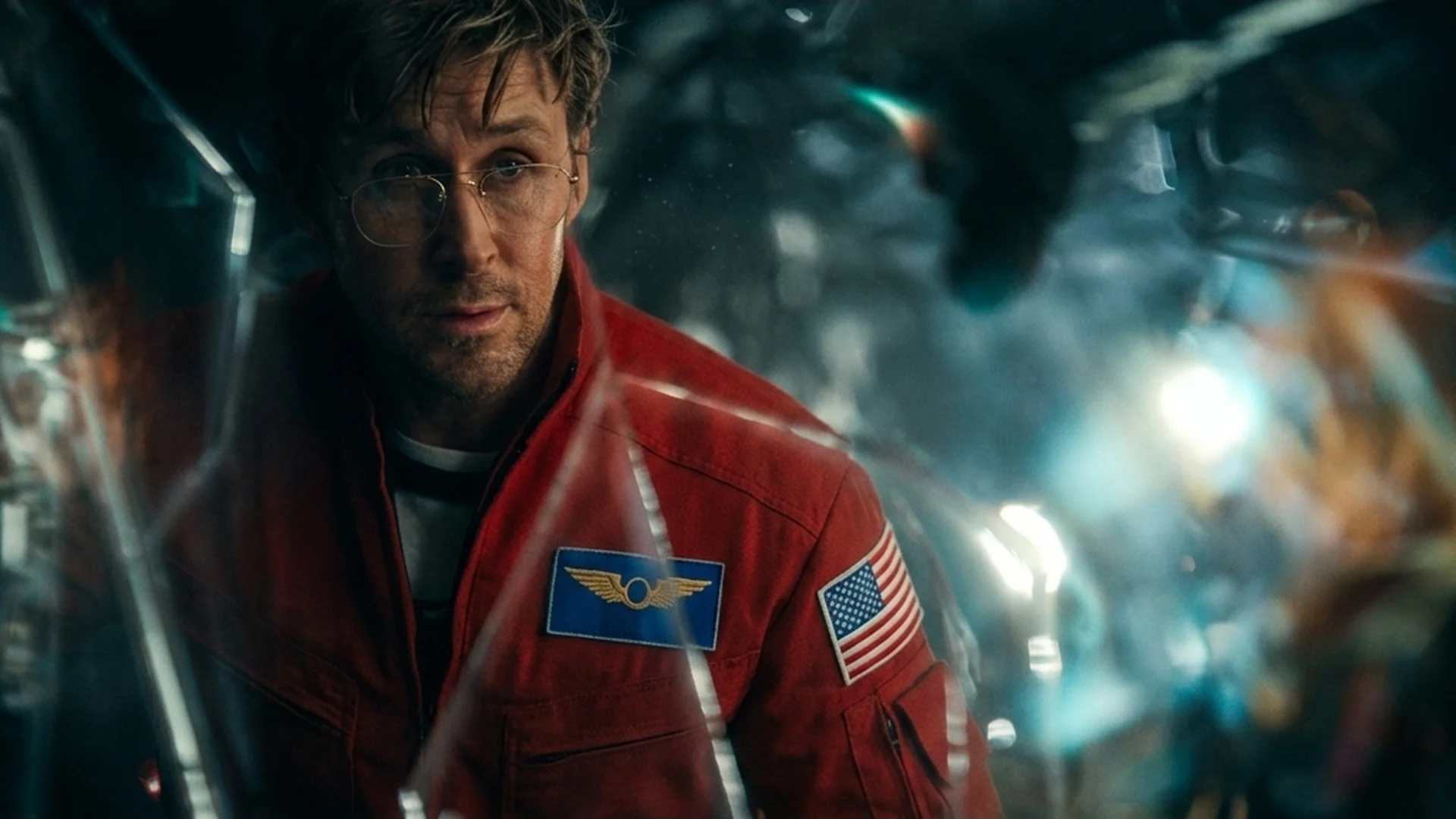
If you have just finished Project Hail Mary and want the ending in plain terms: Ryland Grace saves both Earth and an alien world, and then he chooses not to go home. He spends the rest of his life twelve light-years away, on a planet whose air would kill him, teaching science to children who are not human. On paper that reads like a tragedy. The film plays it as the best thing that ever happened to him. Here is how the story gets there, what the science actually does, and why a movie sold as humanity’s last-ditch rescue mission turns out to be about a man who was never trying to be a hero in the first place.
What Astrophage Is, and Why the Sun Is Dying
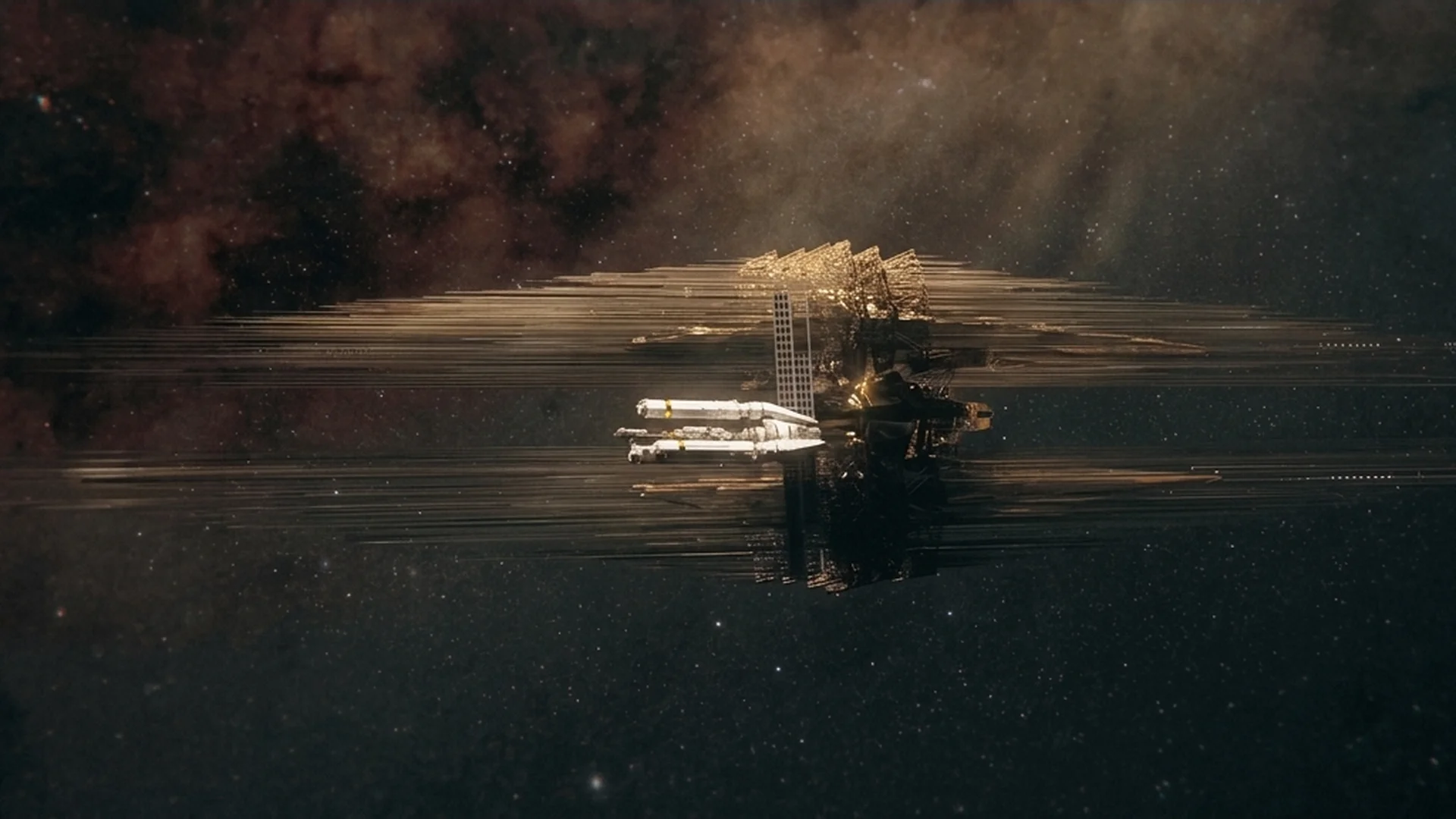
The disaster driving everything is a microscopic one. Astrophage is a single-celled organism that feeds on the sun’s energy, breeding across its surface and dimming it a little more every year. A fainter sun means a colder Earth, and the film does not soften where that goes: within decades the crops fail, the oceans begin to freeze, and most of humanity will not survive the cooling. The Hail Mary is the long shot its name promises, a ship fired at Tau Ceti, the one nearby star that is somehow shrugging the infection off. Learn why that star resists, and you might save your own.
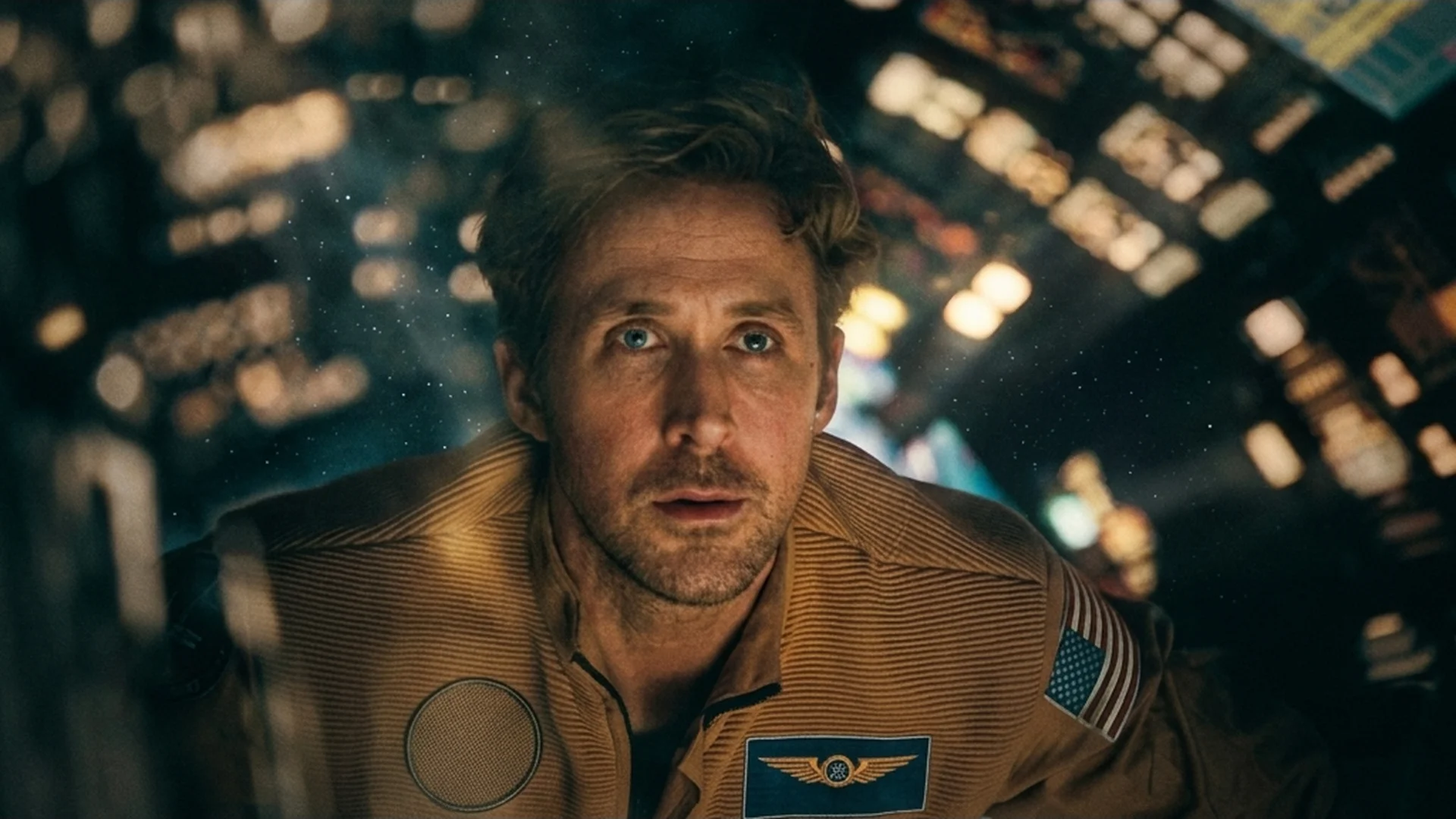
Grace (Ryan Gosling) wakes aboard that ship with no memory of any of it. His two crewmates are dead in their bunks, the ship has traveled for years while he slept, and he has to reason his way back to his own name and his own mission from nothing. That structure is the engine of the movie. The audience learns what is at stake exactly as fast as Grace does, one deduction at a time.
The Twist About How Grace Got There
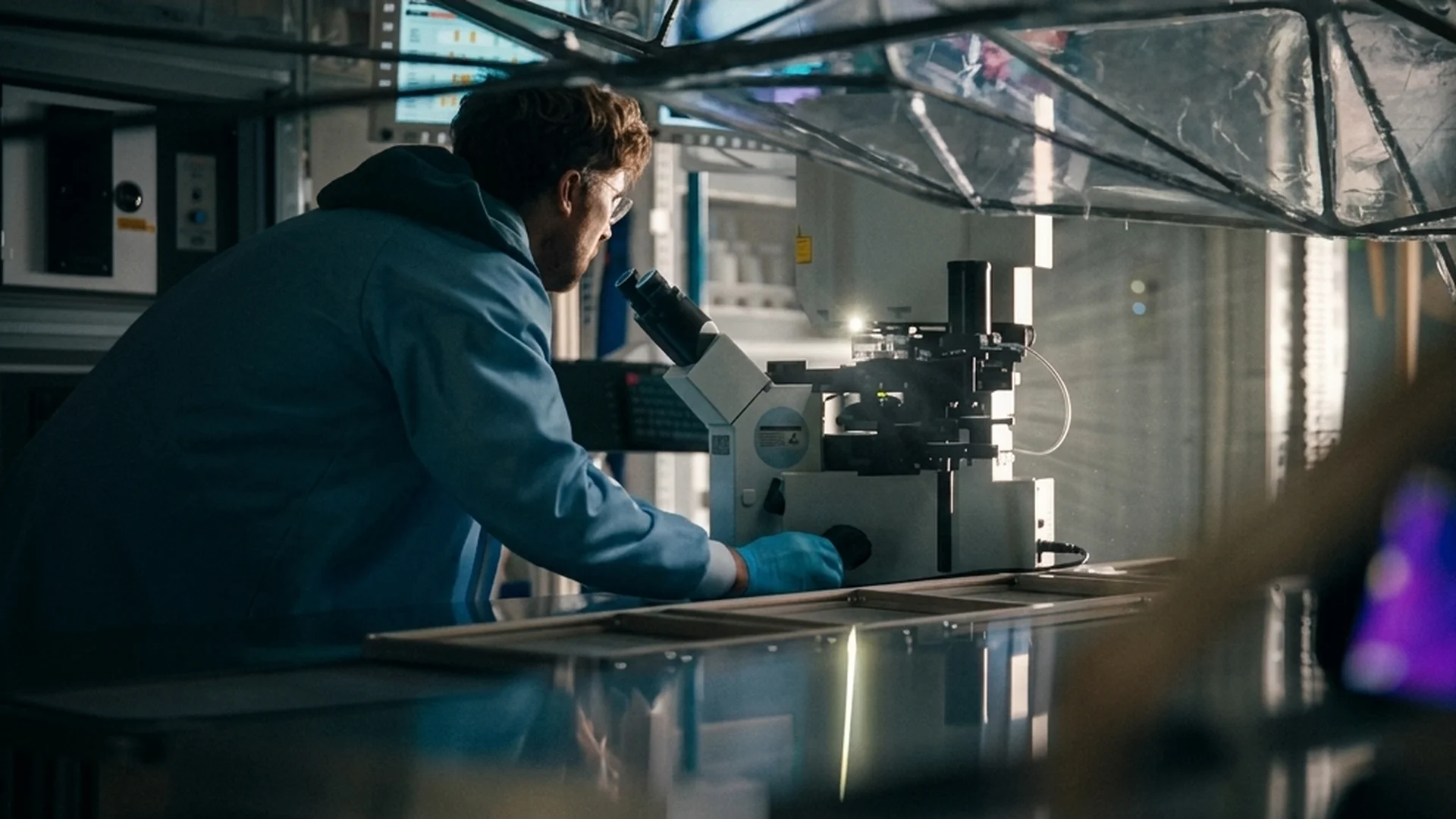
For most of the film Grace assumes he volunteered. A scientist brave enough to accept a one-way trip to save the species is the kind of man he looks like in the present, improvising, solving problems, holding his nerve. Then his memory returns the piece it had been withholding, and it is not flattering. When the mission needed a science specialist and the first candidates had died, Grace tried to get out of it. He argued he would do more good at home, teaching. In plain words, he was afraid.
Eva Stratt (Sandra Huller), the official running the project with no patience for anyone’s comfort, saw the cowardice for what it was and refused to let it cost the planet. She had him drugged and put aboard against his will, betting that the induced amnesia would be blamed on the coma, and that he would do the work once he woke with no memory of ever refusing. Andy Weir, who wrote the novel, has called this the detail that makes Grace a whole person, a hero in the present who was a coward in the past. It also quietly resets the meaning of everything the ending is about to do.
Rocky, and the Choice at the End
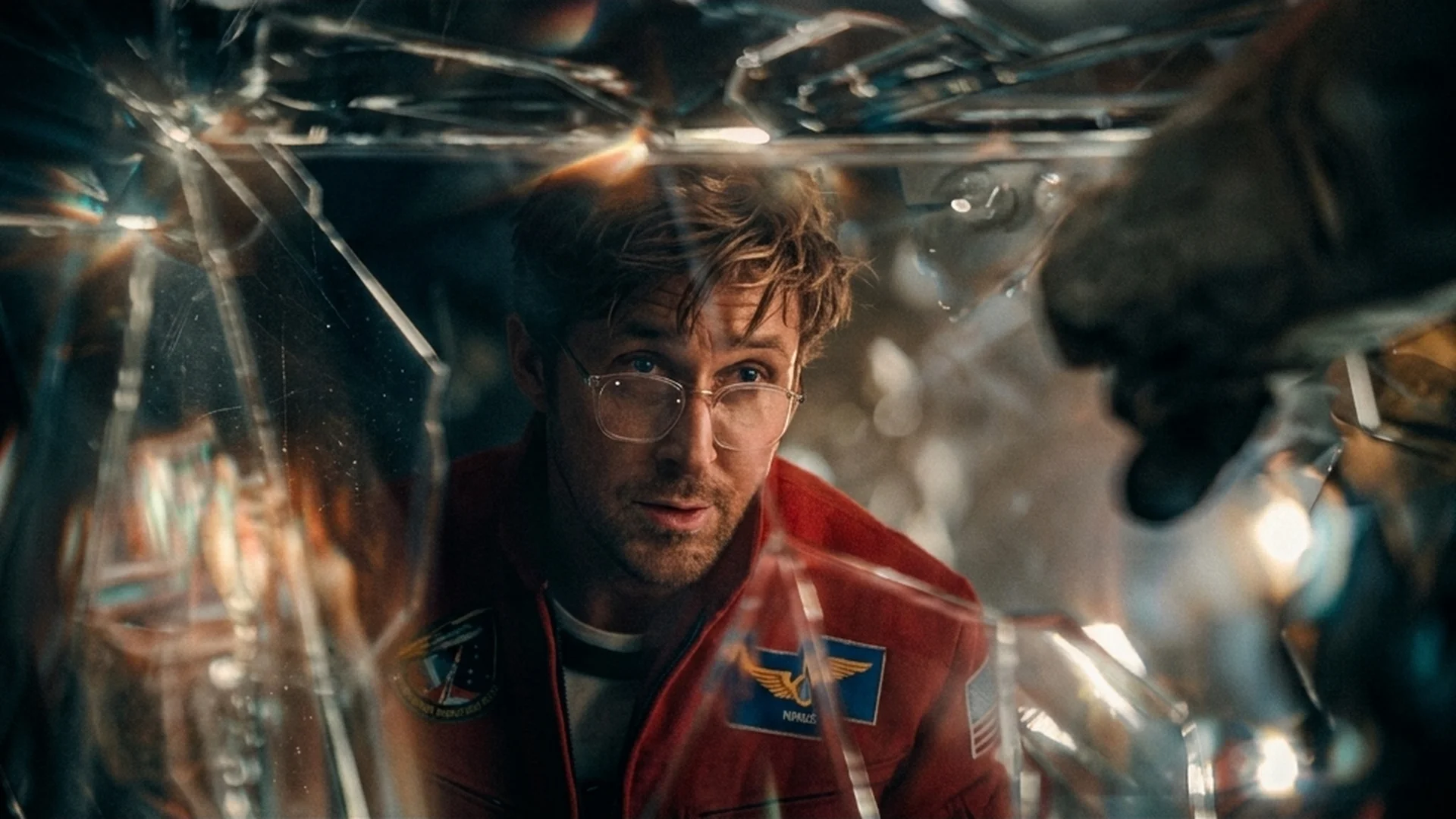
At Tau Ceti, Grace learns he is not the only one who sent a desperate ship. Rocky, an engineer from the planet Erid, is there for the same reason, his own sun dying of the same infection. The two share no language, no biology, and air so different that standing in one room unprotected would kill either of them. Against all of that they become real friends, and together they crack the answer: Taumoeba, a microbe that eats Astrophage and can be bred and carried home to seed a dying star back to life.
Then the mission breaks in a way that forces the real decision. Rocky’s ship is crippled, and Grace has the means to save either himself or his friend, not both. He can load the small unmanned probes the crews call Beetles with Taumoeba, send them toward Earth, and keep enough fuel to come back a hero. Or he can launch the cure on the Beetles anyway and spend everything he has left towing Rocky’s wrecked ship home to Erid, which strands him light-years from Earth for good. He chooses Rocky. The cure still reaches home; the film even cuts back to a frozen Earth and a surviving Stratt receiving the Beetles, ready to begin the long thaw. Grace has saved humanity. He simply will not be there to see it.
Why Staying Is the Happy Ending
Here is the part that catches people off guard: the movie does not treat this as a sad ending, and it is right not to. The epilogue finds Grace on Erid, living in a small human habitat the Eridians built for him, teaching a room full of their children, with Rocky close by. The man who once begged to stay home and teach ends up doing exactly that, only on the far side of the galaxy, and for the first time he looks like someone who fits where he is.
That is the quiet trick the movie pulls. Project Hail Mary is sold as a survival thriller, humanity against the dark, and it delivers that cleanly. But the throw the title is really naming is not the ship fired at Tau Ceti. It is Grace himself, a man built to avoid exactly this, flung against his will toward the one place and the one friendship that would finally give his life a shape. He did not want to go. Going saved him as much as it saved anyone. The rescue plot was the wrapper, and a story about where a person actually belongs was folded inside it the entire time.
Project Hail Mary earned about 683 million dollars in theaters, one of the biggest global releases of the year, before arriving on Prime Video on July 3 as a free title for subscribers, right in time for the holiday weekend. It follows the same road as another 2026 theatrical heavyweight that found its largest audience at home, and F1, the racing blockbuster that topped its own streamer for weeks. If your holiday weekend needs one big, generous, genuinely moving piece of science fiction, this is the rare blockbuster that earns every minute of it.