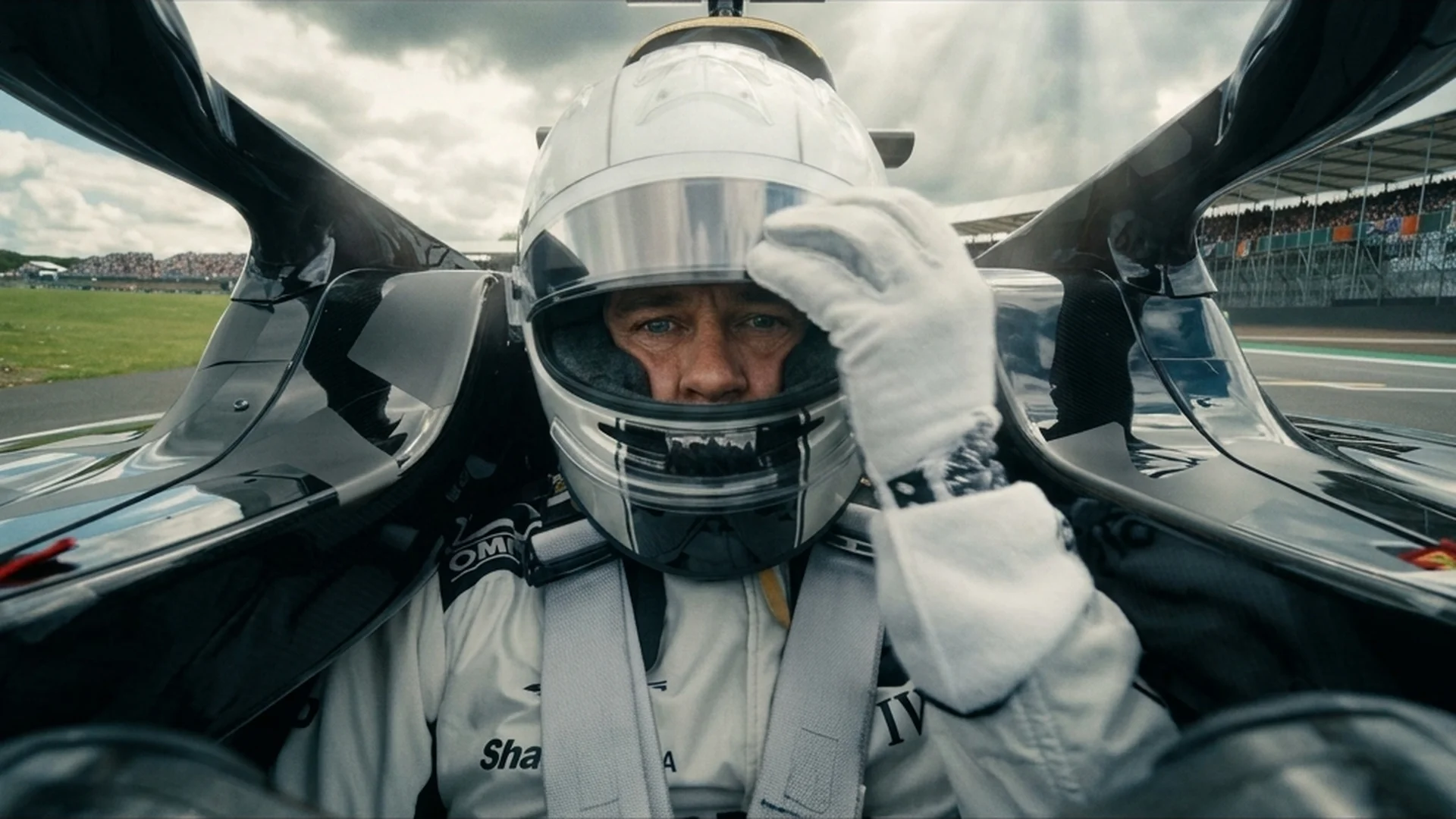
Here is the answer most people are searching for: no, F1 is not based on a true story. Sonny Hayes, the burned-out driver Brad Pitt plays, was never real, and neither was APXGP, the last-place team he comes back to rescue. There was no eleventh car on the 2024 grid, and no thirty-years-later comeback like his sits in any record book.
And yet almost everything around those invented people is real. The cars ran on real circuits during real Grand Prix weekends. The drivers Sonny fights for position are the actual 2024 field, Lewis Hamilton and Max Verstappen and Lando Norris among them. That seam, a made-up story stitched into a documentary’s worth of real racing, is the whole reason the movie lands, and the reason the first thing anyone asks is whether it happened.
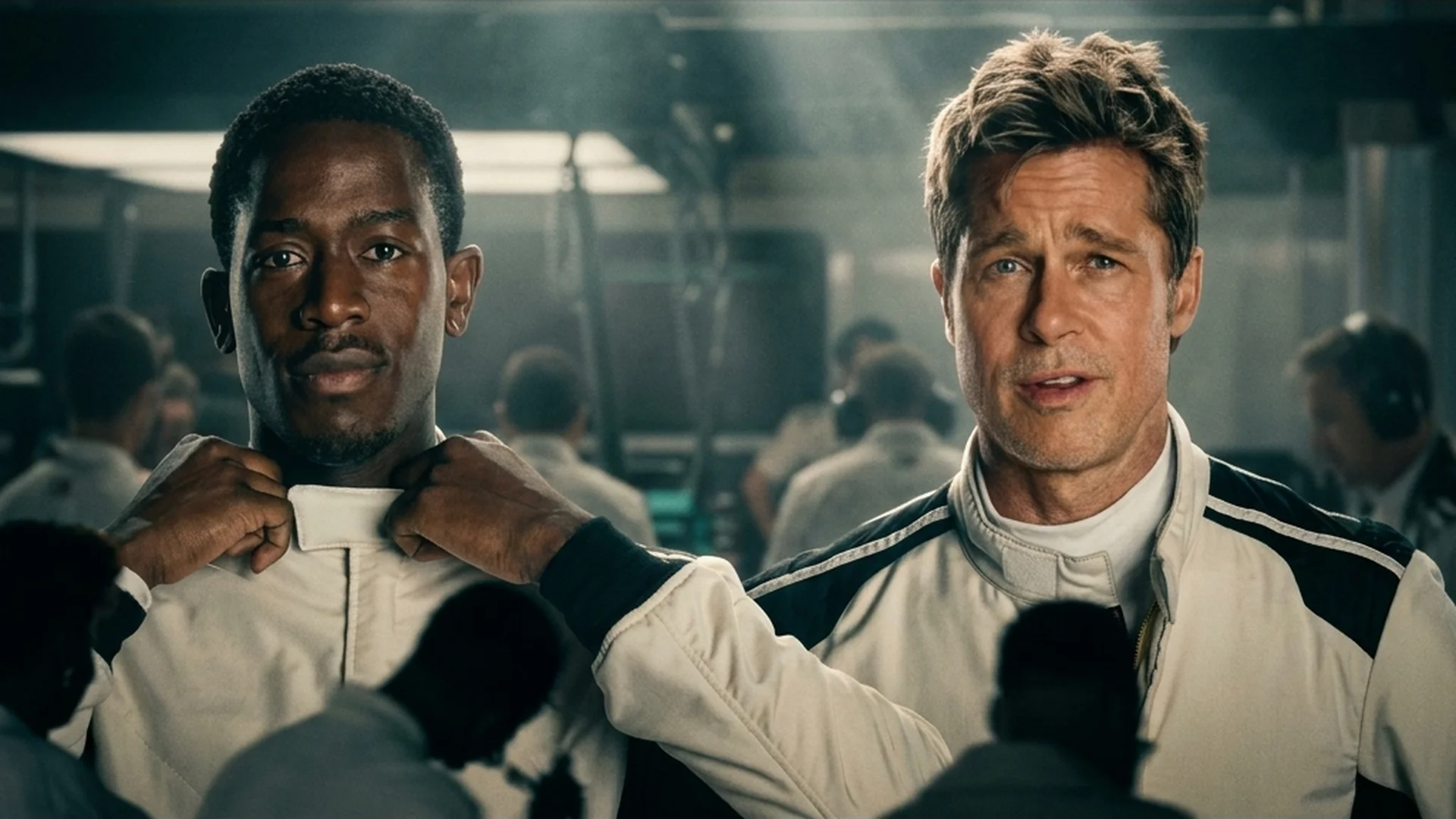
The Invented Part: Sonny Hayes and a Team That Never Raced
Everything at the center of the story is fiction. Sonny is a 1990s prodigy whose career ended in a crash at the Spanish Grand Prix, and who spent the next three decades as a racer-for-hire, winning the 24 Hours of Daytona before an old friend pulls him back. That friend is Rubén Cervantes, played by Javier Bardem, the owner of APXGP, a team so far down the order that its investors will sell unless it wins one of the season’s nine remaining races. The rookie forced to share a garage with him, Joshua Pearce (Damson Idris), and the technical director rebuilding the car around him, Kate McKenna (Kerry Condon), are invented too. The engine of the plot is the friction between Sonny and Joshua, a veteran with nothing left to prove and a rookie with everything to lose. APXGP is the movie’s imaginary eleventh team, slipped into a paddock where every rival is real.
What Actually Happened: The Crash Behind the Character
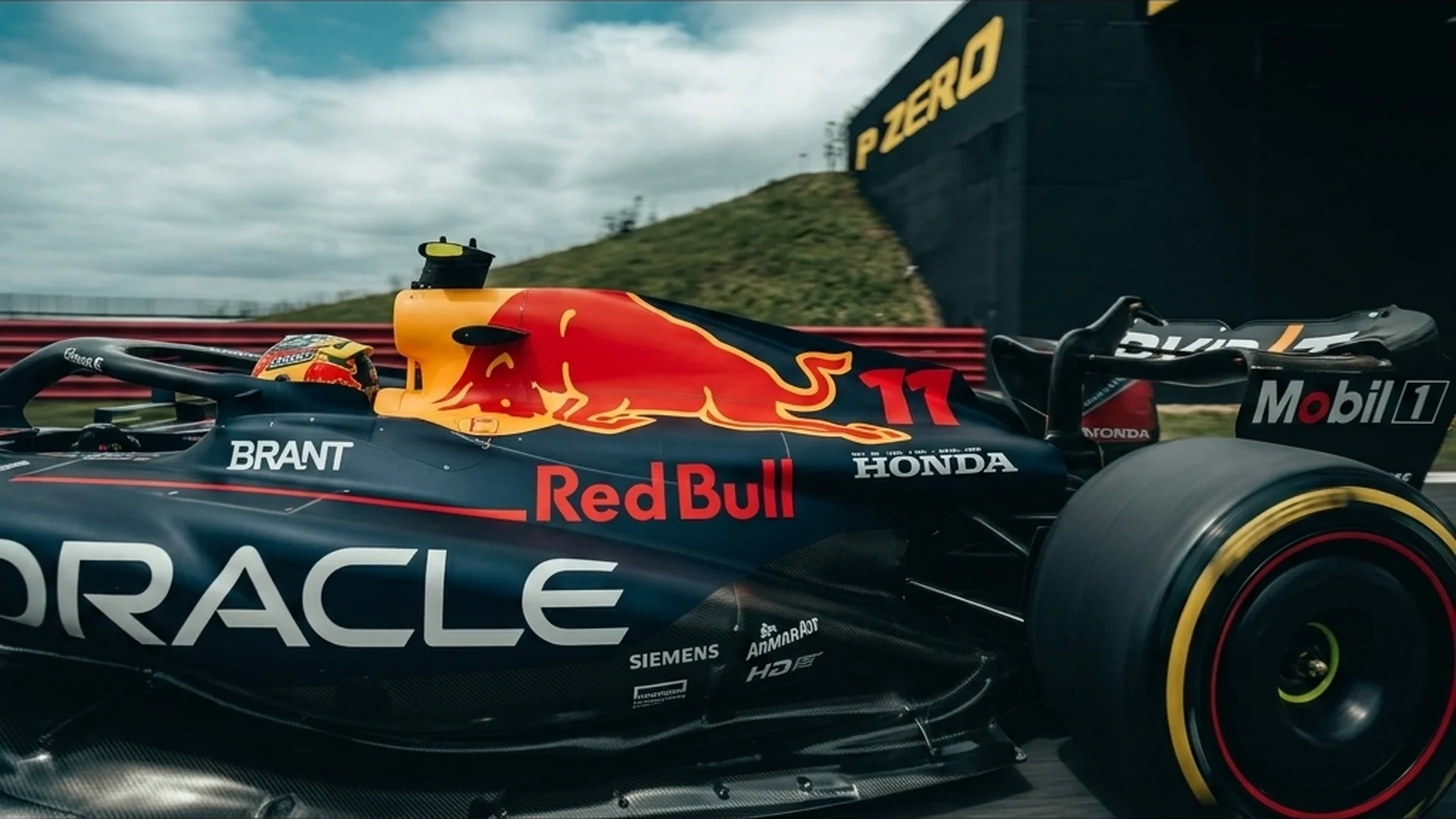
The one thread that reaches back into real history is Sonny’s wound. His career-ending crash borrows from Martin Donnelly, the British driver whose near-fatal accident at Jerez in 1990 threw him from the car and ended his time in Formula One. Sonny is not Donnelly, but the shadow is deliberate, a real catastrophe loaned to a fictional man. Everything else in the frame is documentary-real. The film was shot across the 2023 and 2024 championship weekends with the cooperation of the FIA, running an actual car out of an actual garage while the real season went on around it. To put Pitt and Idris on camera at speed, the crew built race cars on modified Formula 2 chassis, dressed them as F1 machines, and fitted them with miniature broadcast-grade cameras made for the film, so the lens could sit exactly where a driver’s eyes are. Both actors trained for months and drove those cars themselves, on the same tarmac, in the gaps between the weekend’s real sessions. The production followed the championship to real venues, from Silverstone to Las Vegas to the finale in Abu Dhabi, so the backdrops are the tracks fans actually watch on Sundays. When a familiar face flashes past in a cameo, it is because the field played itself.
Lewis Hamilton’s Fingerprints
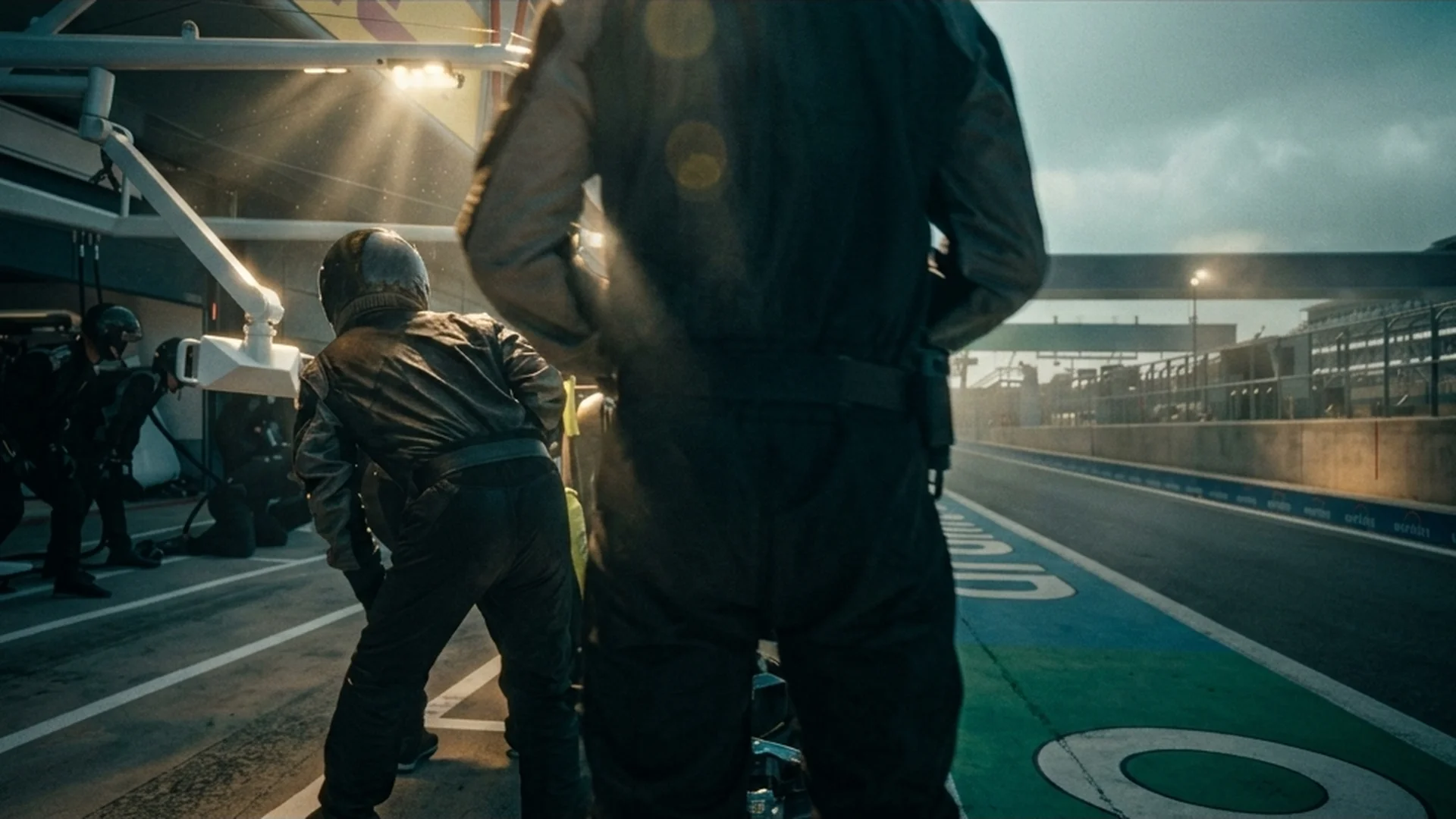
The reason the racing feels this convincing has a name attached to it. Lewis Hamilton, the seven-time world champion, came on as a producer and adviser, and his job was to catch the things only a driver would notice: how a car actually gets wrestled through a corner, what the radio really sounds like under pressure, where a rookie’s line would quietly betray him. Authenticity is this movie’s real special effect, and it runs on the same instinct as another sports movie that lives or dies on how real its action looks. Kosinski shot the speed for real instead of faking it on a stage, and Hamilton made sure the details underneath the speed held up to people who race for a living.
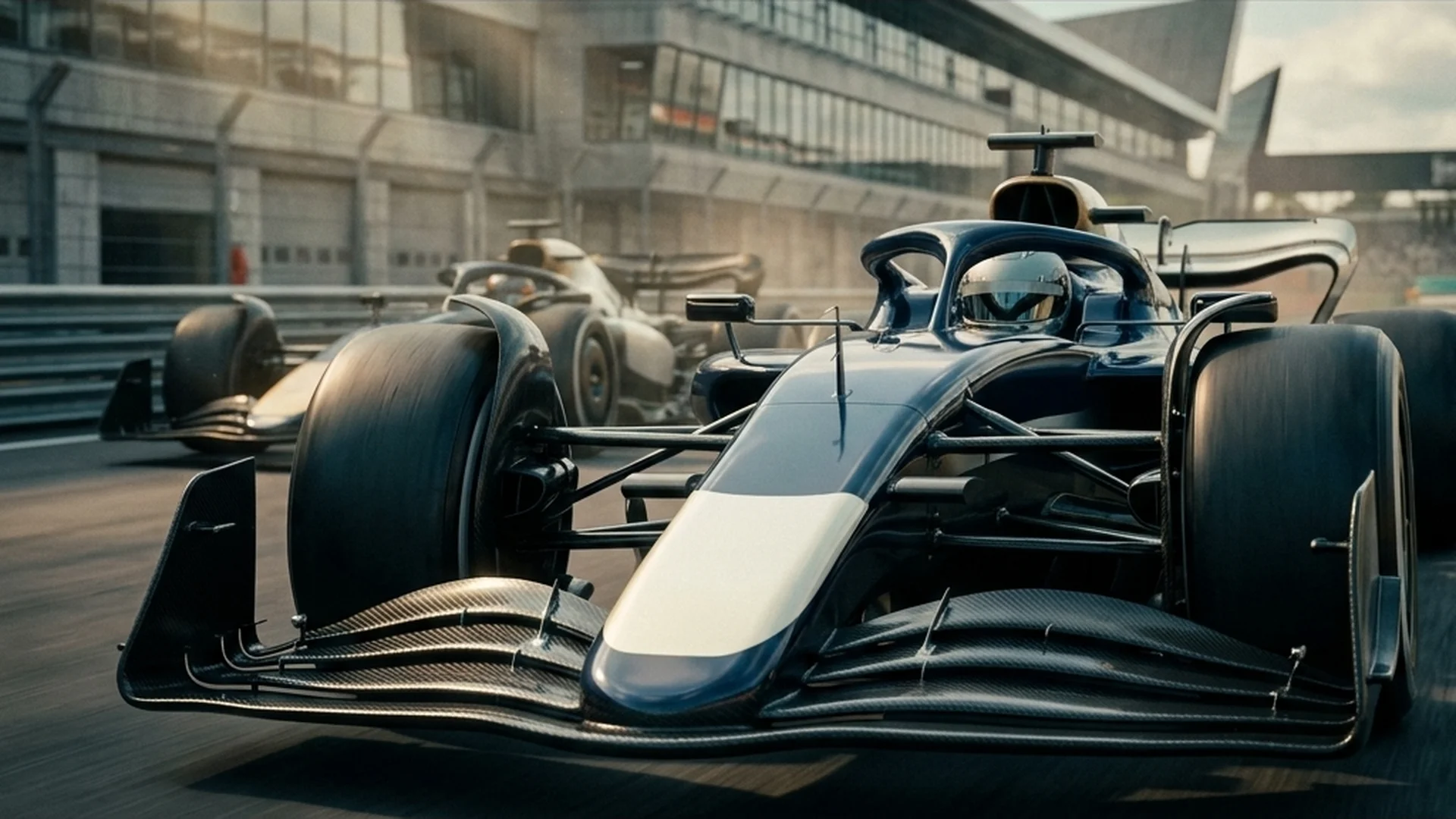
The Seam Is the Whole Point
So the honest answer is a little more interesting than yes or no. F1 is fake in its people and real in everything they touch, and it needs both halves at once. Strip out the real Formula One and you have a competent underdog picture you have seen before. Strip out the fiction and you have another episode of Drive to Survive. What no pure documentary and no pure drama could hand you is Brad Pitt in a real cockpit at a real Silverstone, carrying an invented man’s regret through corners that actually exist. That is why “based on a true story” is the wrong question and the right instinct at the same time: almost nothing here happened, and almost everything here is real. If you want a sports story that actually happened, there is one right next door. F1 itself is something rarer, a fiction that had to be filmed inside the truth to work at all.
For the record, F1 is streaming on Apple TV+, where it has held the number one spot among movies for more than a hundred days, on its way from a 633 million dollar theatrical run to a Best Picture nomination and a win for Best Sound. The story is invented. The speed, and the applause, were not.
2 thoughts on “Is the F1 Movie Based on a True Story? Real Drivers, Invented Team”