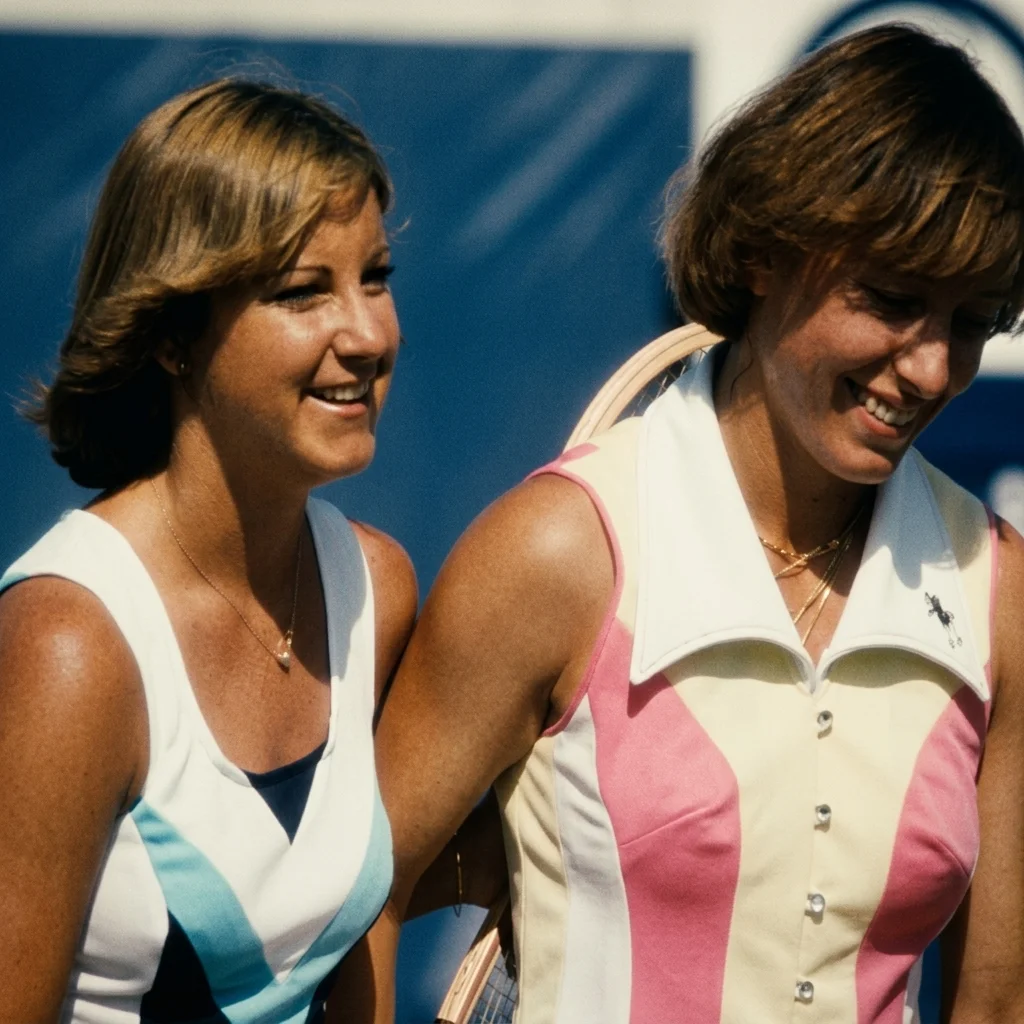
For fifteen years, the person who understood Chris Evert most completely was the woman on the other side of the net trying to beat her. Netflix’s new documentary is about a tennis rivalry, but it is really about that stranger fact: how the opponent can end up being the witness.
Chris & Martina: The Final Set premiered on Netflix on June 26, directed by the two-time Emmy winner Rebecca Gitlitz, and the early reviews have been some of the warmest any sports documentary has drawn this year. The numbers behind the rivalry are almost comic in their size: across the 1970s and 80s, Evert and Navratilova played eighty times, sixty of those in finals, two women trading the world No. 1 ranking back and forth for the better part of two decades. They had even been doubles partners first, which means they learned to read each other before they ever learned to ruin each other’s afternoons.
The Opponent Who Knew You Best
The film keeps returning to a simple, devastating setup: the two of them, now, sitting together and watching their old matches, narrating points they played forty years ago and stopping, more than once, to cry. What comes through is not nostalgia. It is recognition. Each woman spent her best years being studied, relentlessly, by exactly one other person on earth, someone who tracked her flaws and her tells and her flickers of doubt more closely than any coach or husband ever could. On the court that attention was a weapon. Off it, decades later, it turns out to have been the closest thing either of them had to being truly seen. The rivalry was never the opposite of intimacy. It was a strange, ferocious version of it
When the Rivalry Became the Lifeline
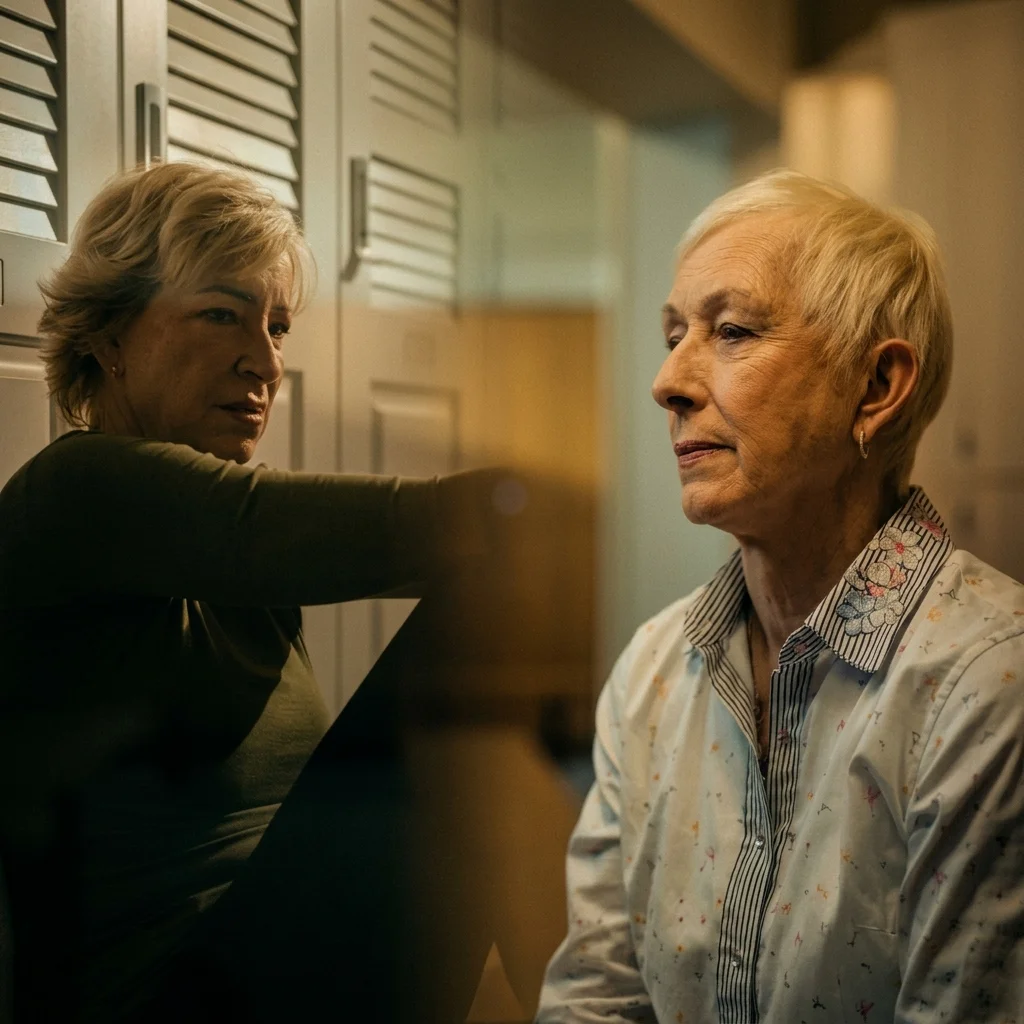
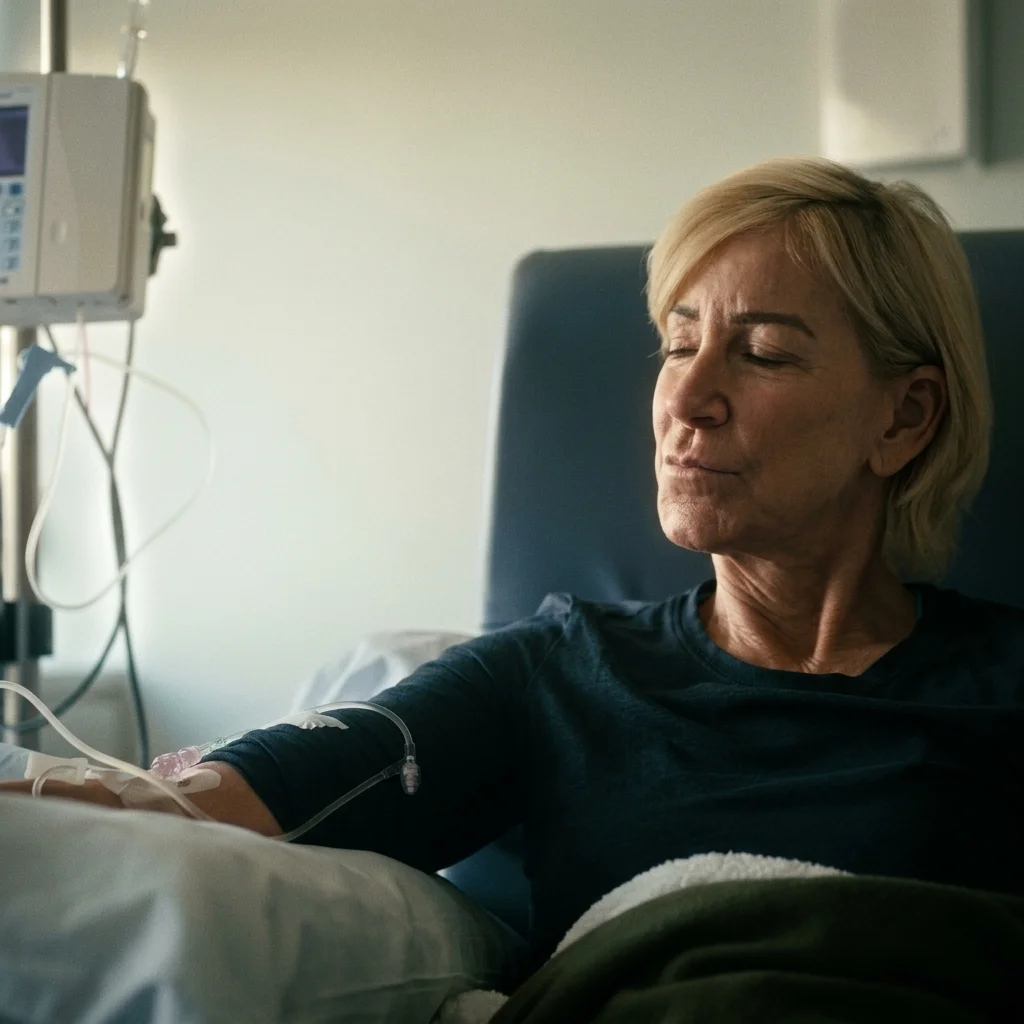
The documentary volleys between those old rallies and a present neither of them saw coming. Both women are now living with cancer, and the film does not flinch from it: there are scenes of treatments, of consultations, of Evert describing the recurrence of her ovarian cancer after an abnormal scan, saying the second time made her understand how precious every moment is. Navratilova has come through her own diagnoses twice. What holds them up, the film quietly argues, is the very thing that once divided them. Each knows precisely what the other can endure, because each spent fifteen years measuring it from across a net. The instinct that used to say keep going, find another gear now says the same thing in a hospital corridor. Like the best true-story documentaries, it lets the real lives carry the weight instead of dressing them up.
The Gap They Had to Cross
On paper they should never have been close. Evert was the all-American sweetheart out of Florida; Navratilova had defected from communist Czechoslovakia and spent years cast as the outsider the crowd rooted against. The film uses that gap honestly rather than smoothing it over, and the friendship reads as earned precisely because it had to cross so much. There are sharp pundits in the mix too, Mary Carillo and John McEnroe among them, but the documentary is smart enough to keep getting out of the two women’s way. Its restraint is what saves it from sentimentality. When the tears come, you have not been told to cry; you have just watched two people who spent their lives competing arrive at the same side of the table.
The title calls it the final set, and the phrase does double duty. There was a last match between them once, somewhere in the late 80s, the end of the contest that defined them both. But the set the film is really watching is the one they are playing now, on the same side for the first time, against an opponent that does not keep score. They spent fifteen years proving they could push each other past the point of giving up. It turns out that was practice.