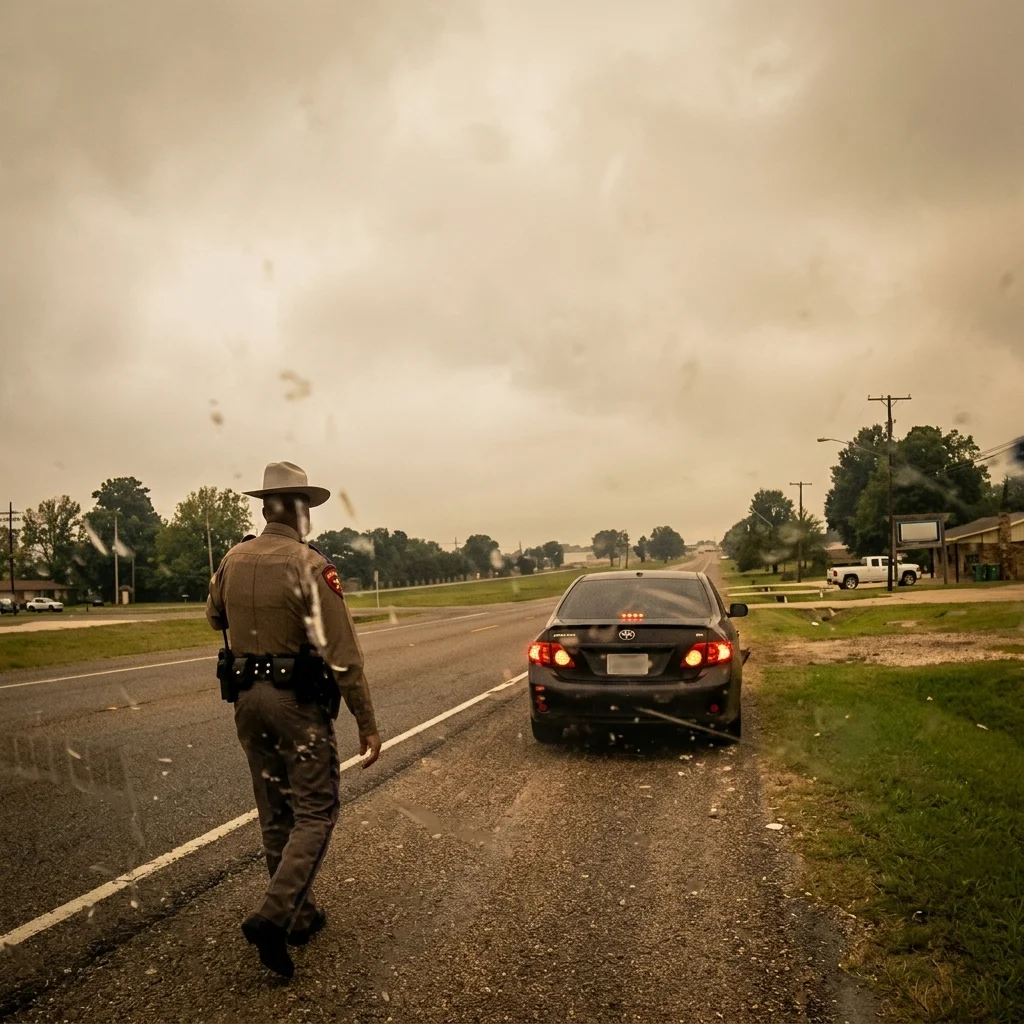
A police officer stops a woman on a Texas road for speeding and driving like something is very wrong. She tells him she has just given birth. There is a newborn in the car, and the baby is real. Almost nothing else she says that day turns out to be.
That traffic stop is where Maternal Instinct opens, and it is also where most of the people watching it know they are in for something they did not sign up for. Within four days of landing on Netflix, the documentary was the most-watched film on the service, and it has stayed near the top of the chart since. The case it tells is real, recent, and almost impossible to summarize without sounding like a horror pitch. But the film is doing something more careful than shock, and it is worth saying what actually happened — and what the documentary is really about underneath it.

The Pregnancy That Was a Performance
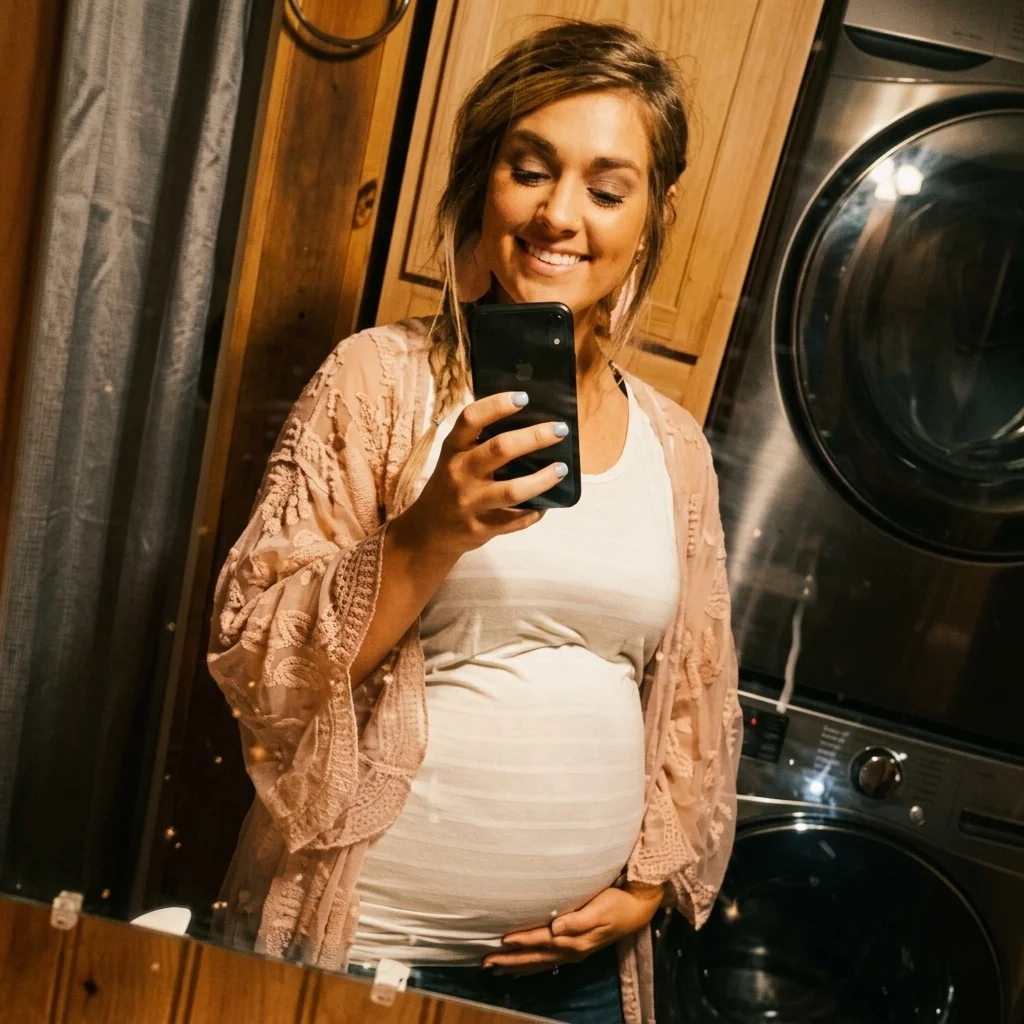
For months before that day, Taylor Parker had been pregnant in the way that matters most to a story like this one: in public. She announced it, posted the growing bump, talked about names, let a whole community of friends and family arrange their feelings around a baby that was coming. There was a due date. There was, in the version of her life she had built for everyone watching, no way out that did not end with her holding an infant.
The problem was that the pregnancy was invented. Medical examiners would later establish that Parker could not have been carrying a child at all. So the lie had a deadline the way a real pregnancy does, except this one could only be kept by producing a baby that did not exist. That is the quiet, awful engine the documentary keeps returning to: a performance that had gone on so long it could only be finished with something taken from someone else.
What Happened to Reagan Simmons-Hancock
On October 9, 2020, in New Boston, Texas, Parker went to the home of Reagan Simmons-Hancock. Simmons-Hancock was twenty-one and genuinely pregnant, near full term with a daughter she had already named Braxlynn. According to the evidence presented at trial, Parker killed her and cut the baby from her body. The infant did not survive. Hours later came the traffic stop, the claim of a sudden birth, and the hospital visit where the medical impossibility of her story began to surface.
The film does not linger on the violence, and neither will this. What matters for understanding the documentary is the shape of it: an ordinary woman in a small town, a baby she had every right to expect to raise, and a stranger whose imaginary life had reached the point where it required a real one to end. It is the kind of case that gets covered as a tabloid horror, and the easy version writes itself. Maternal Instinct is interesting precisely because it refuses the easy version.

Where Taylor Parker Is Now
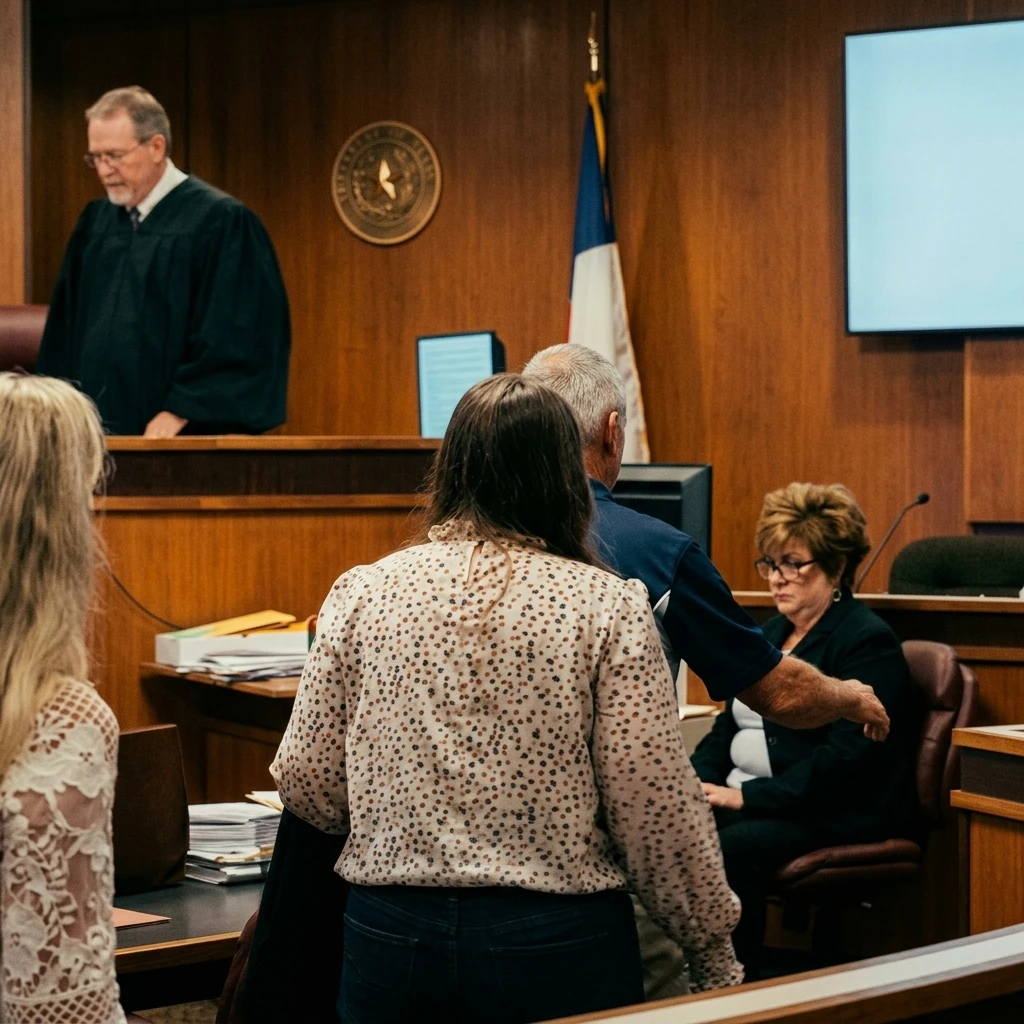
The legal outcome leaves less room for ambiguity than the documentary does. On November 9, 2022, a Bowie County jury unanimously recommended a death sentence, and the court imposed it, making Parker one of the small number of women on death row in Texas. Court records show her appeals have not gone her way since. The Texas Court of Criminal Appeals upheld the conviction in late 2025, and in May 2026 the U.S. Supreme Court declined to hear her case, letting the sentence stand.
As of mid-2026 she remains on death row at the Patrick L. O’Daniel Unit in Gatesville, with no execution date set. In Texas, a date is not scheduled until an inmate’s appeals are fully exhausted, a process that routinely runs for years. So the honest answer to the question people search for — where is Taylor Parker now — is that she is alive, incarcerated, and still, slowly, moving through the courts. This is not the first time Netflix has handed a finished true-crime story to an audience that wanted the case neatly closed, only for the real timeline to keep going after the credits.
Why the Film Holds Its Cards So Close
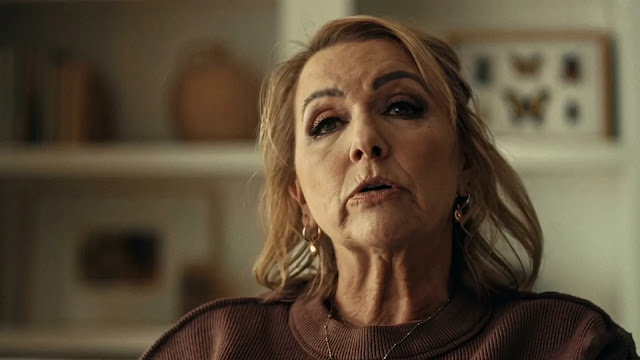
Director Jessica Dimmock could have opened with the verdict and spent ninety minutes explaining how we got there. Instead she withholds. The film releases Parker’s lies in small, almost reasonable doses, so that for stretches you find yourself half-believing a version of events you already know is false. It is an uncomfortable trick to be on the receiving end of, and it is also the point. For a while, the documentary puts you in the position of everyone who knew her — handed a story that did not quite add up, and choosing, for just a little longer, to accept it.
That structure is what lifts Maternal Instinct above the usual case file. The real subject is not the killing; it is the audience. Parker built a pregnancy the way people now build a lot of their lives — out loud, for an audience whose belief became the thing she could not afford to lose. The film keeps quietly asking how far a person will go to protect a story other people are watching, and it asks it in a moment when almost everyone is performing some smaller version of the same thing. The crime is monstrous and rare. The impulse underneath it — needing the audience to keep believing — is not, and that is the part that stays with you.
That is why a documentary about a four-year-old murder topped Netflix the week it arrived, and why it has not dropped. The traffic stop hooks you, and the verdict closes the case. But what the film actually leaves you holding is smaller and harder to set down: the recognition that a lie this size did not start with a knife. It started with an audience, and a person who could not bear to let them stop watching.