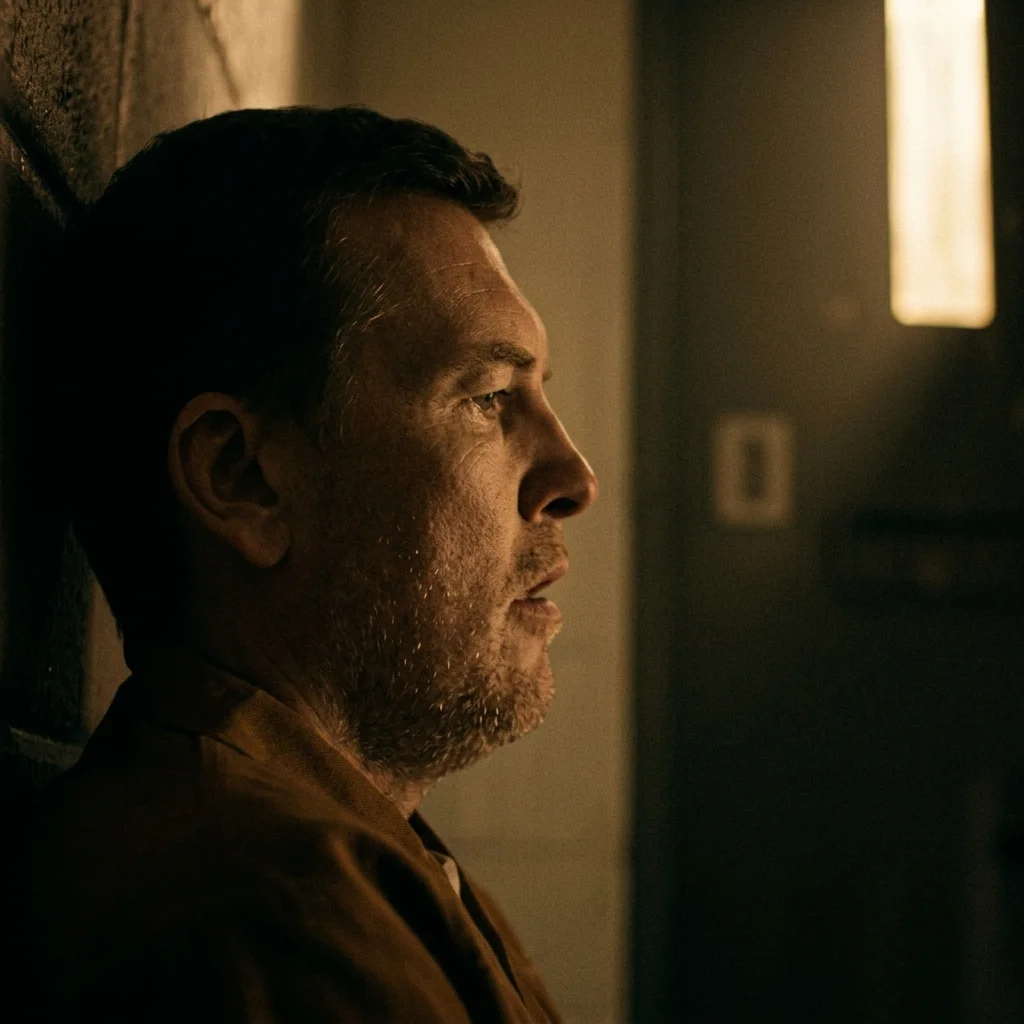
I Will Find You, Harlan Coben’s latest Netflix thriller, raced to the top of the charts after its June 18 release, and it ends the way his best stories do, with a long-buried lie blowing a family apart. The eight-episode mystery turns on three questions: is David’s son really alive, who took him, and who put an innocent man in prison for his murder. Here is exactly how it all resolves. Full spoilers for the finale ahead.
Is Matthew Actually Alive?
Yes. The whole engine of the series is David Burroughs (Sam Worthington) serving a life sentence for murdering his young son Matthew, until evidence surfaces that the boy never died. The turning point comes when Rachel (Britt Lower) shows David a photograph taken at Six Flags, and he instantly recognizes the facial birthmark that only his son has.

Matthew is alive, and has been all along, raised under a different name, “Theo,” by the people who tore David’s life apart. That recognition is what drives David to break out of prison and chase the truth.

Who Took Matthew, and Why?
The villain is Hayden Payne (Milo Ventimiglia), the son of the wealthy Payne family that runs a Boston fertility clinic, Berg Reproductive. Years earlier, after he and Rachel broke up, Hayden became dangerously obsessed with her. He bribed his family’s clinic to secretly slip his own DNA into a procedure he believed was being done for Rachel. The real patient, it turns out, was a woman named Cheryl, who had used her sister’s name for the treatment. The mix-up did not matter to Hayden, who became convinced that Matthew was biologically his child, and decided he would take what he believed was his.

Whose Body Was Found in David’s Home?
This is the cruelest piece of the puzzle. Five years ago, Hayden staged a brutal scene to frame David, and the child’s body found at the house was not Matthew at all. It belonged to Martin Bischoff, a Swiss boy who had been taken from a murder scene in Geneva after his guardians were killed, then placed in a Payne-run orphanage. Martin matched Matthew in age and appearance and suffered from a degenerative illness, metachromatic leukodystrophy. He vanished from the orphanage shortly before Matthew’s supposed death. A blood test finally confirms what David always swore: the body was Martin, not his son.
The Finale: Gertrude’s Confession and the Bloodbath
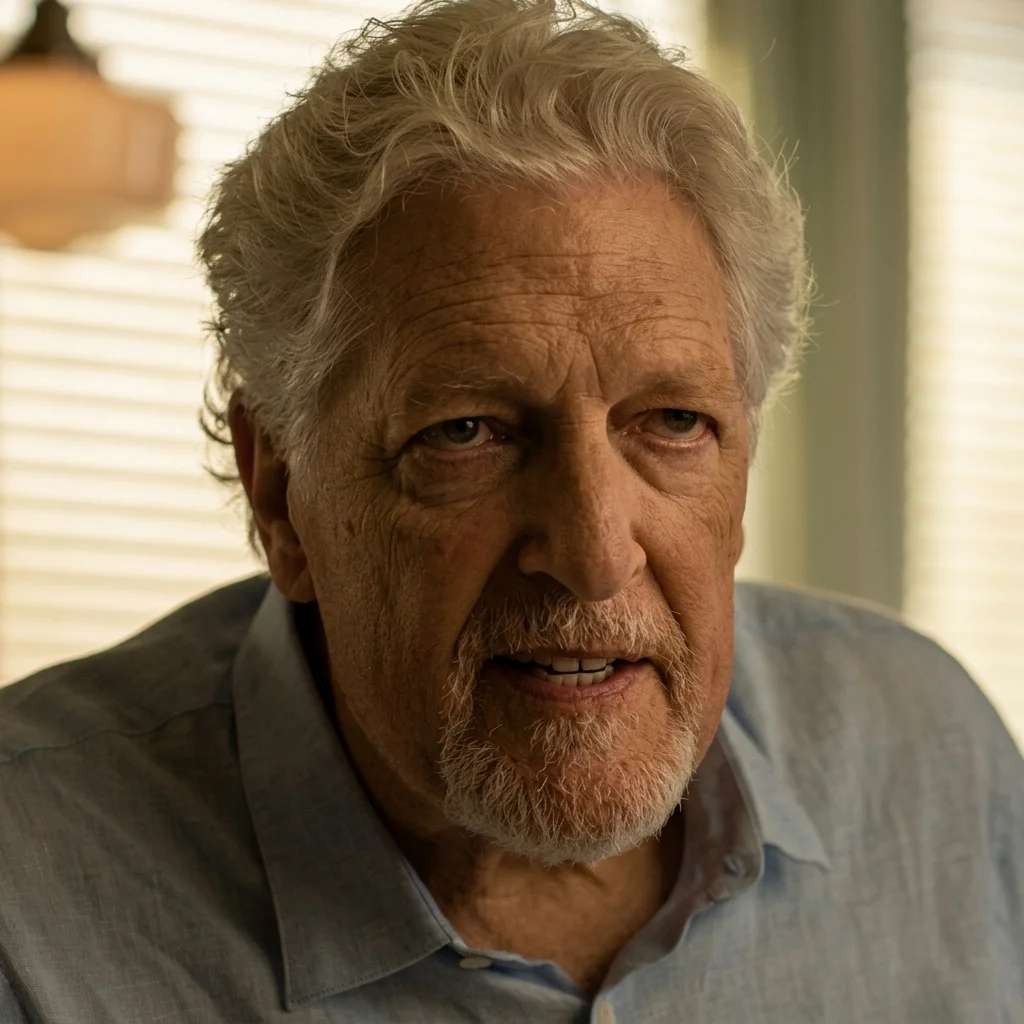
The truth finally detonates inside the Payne family. Hayden’s mother, Gertrude Payne (Madeleine Stowe), admits the thing she has hidden for years: Matthew is not actually her grandson. She let Hayden believe the lie to protect the family’s wealth and standing. Hearing it shatters Hayden, and he goes off the rails completely. He kills his own mother, shoots David, and tries to flee with Matthew in tow. David, Rachel, and Sarah corner him, and it is Sarah who finally shoots Hayden dead, right in front of the boy. It is the kind of operatic, blood-soaked climax Coben adaptations build toward, and it ends the threat for good.


Where Everyone Ends Up
The series closes about eight months later. David’s conviction is overturned, and the full story of what the Payne family did spills out into the media. Rachel turns her account of the case into a book. Matthew, who spent his whole life believing he was someone else’s son, is still struggling to recover his memories, and the reunion is anything but tidy. He is confused, cautious, and slowly feeling his way back toward a father he does not remember. In the final beat, David takes Rachel’s hand and promises that no matter what comes, he will always find his son again. The title, it turns out, was never just about a search. It was about the bond that survives even when memory does not.

Why the Ending Works
What separates this from a disposable thriller is that the mystery is never really about the body or the DNA. It is about identity, about a man who lost his name as a murderer and a boy who lost his name as a son, and the long road back to being a family. Coben loves an ordinary person blown apart by a wealthy family’s secret, and the reveal that Matthew is not even biologically connected to the man who stole him makes the whole crime feel that much more pointless and tragic. The bloodbath is the genre giving you what you came for. The real ending is quieter: a kid learning, slowly, that someone never stopped looking for him.


1 thought on “I Will Find You Ending Explained — Is Matthew Alive, and Who Framed David?”