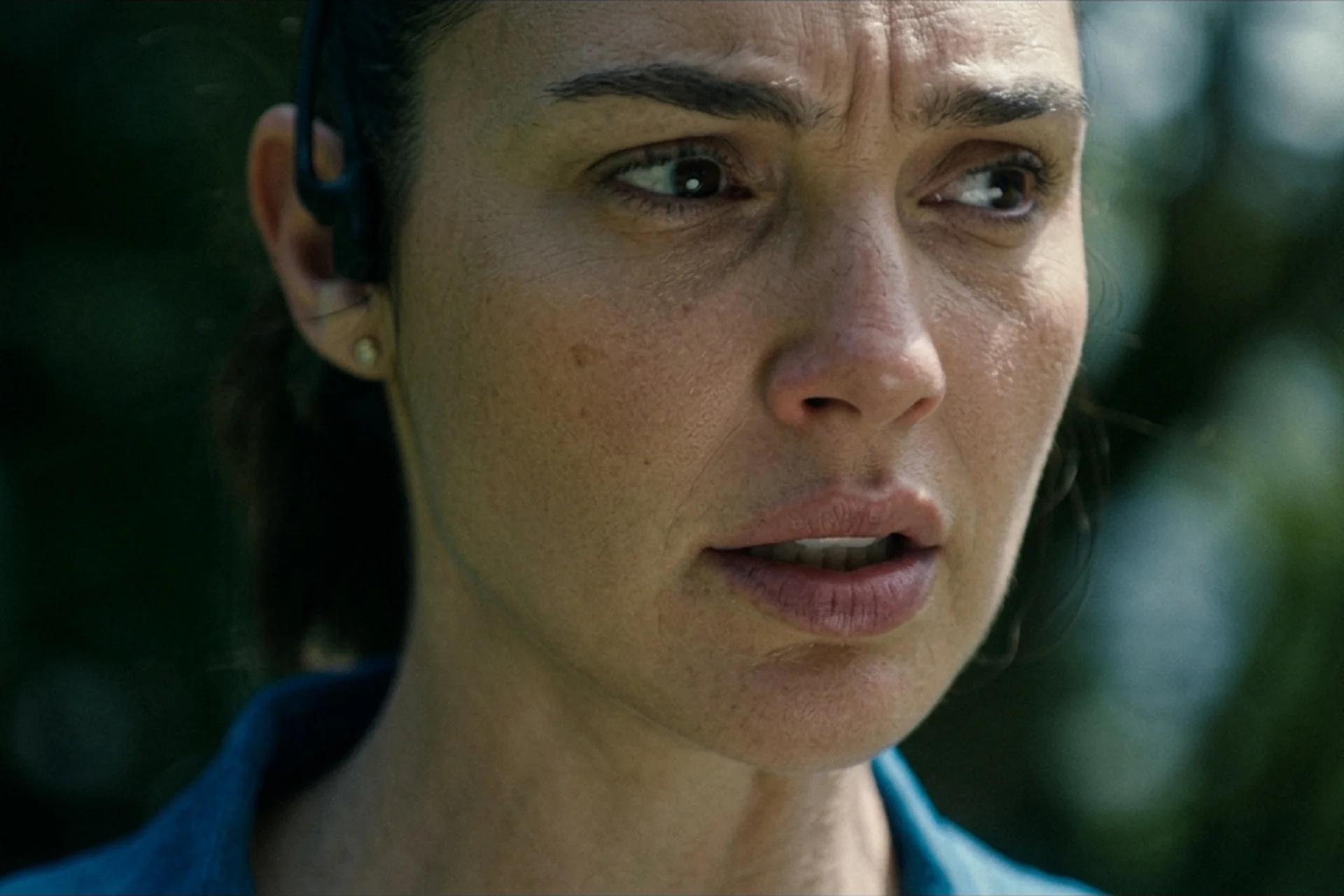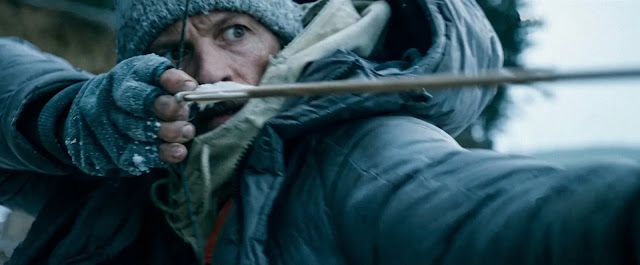
The Devil’s Mouth ends with a single survivor. Sara (Kathryn Newton) is the only one of the group who climbs out of the flooded cave alive, and she does it by turning the cave itself into a weapon. Her best friend Max (Lana Condor) does not make it, and neither do the others on the trip. At heart this is a shark movie with the ocean taken away: five friends, one drowning cave, and one very hungry bull shark between them and the exit.
The film reached Prime Video on July 29 and was in the service’s top charts across 50 countries within days, even as reviews split down the middle. It is directed by Jeff Wadlow, who made Truth or Dare and Imaginary, and it is built as a one-location movie: almost the entire runtime unfolds inside a single flooded cave set. Kathryn Newton and Lana Condor lead as Sara and Max, two best friends on a graduation trip to Thailand that Sara paid for. Wadlow has said the shoot leaned hard on underwater stunt work, and that Newton and Condor at one point wanted to swap the two roles before they settled where they did. Critics called the result thin and grim; audiences treated it as the lean, nasty ninety minutes a Friday night sometimes wants. That is the kind of fast streaming run Obsession had earlier this year, another small horror movie that audiences pushed up the charts.

What Happens in the Cave
The trip is a graduation send-off. Sara, Max, and three friends, James, Adrienne, and Greg, book a guided tour of a cave system the locals call the Devil’s Mouth. A storm hits while they are deep inside. The rising water does two things at once. It seals the way they came in, and it carries a bull shark up from the sea into the flooded passages with them. Of all the sharks the movie could have used, the bull shark is the one that fits: it is the species famous for pushing into fresh and brackish water, which is the small piece of real biology holding the whole premise together. From there the movie is a countdown. The group is picked off in the dark, in tight stone corridors where there is nowhere to swim and no surface to break for air. The friends who came in laughing are gone one by one, and the film does not soften how it happens.
How Sara Gets Out
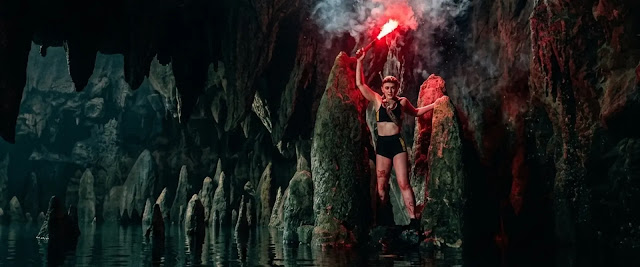
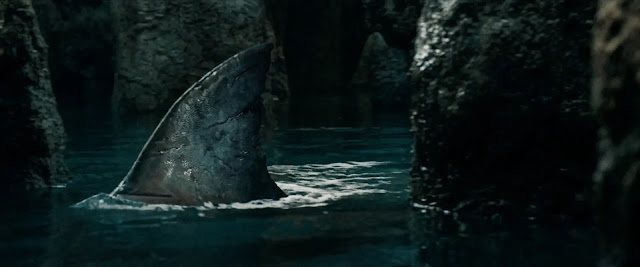
By the end, only Sara and Max are left, and then only Sara. Max dies before the escape, which is the loss the whole movie has been building toward, because Sara has spent her life following Max’s lead. Alone with the shark, Sara stops waiting to be saved. She uses a flare to pull the animal toward her, then baits it into a section of loose, unstable rock. When the shark charges, she brings the ceiling down on it, crushing it under the collapse. It is the movie’s one real set piece, and it lands. With the shark gone, she searches the cave for another way out, finds a second opening she had not known was there, and climbs through it into daylight near the beach. The last image is Sara on the sand, alive and on her own.
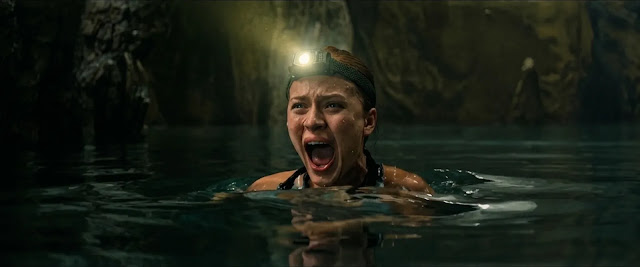
A Shark Movie With the Ocean Taken Away
Here is what makes The Devil’s Mouth its own thing. A shark movie usually runs on open water. The dread is the surface, the fin you can see coming, the option to swim for shore. Wadlow throws all of that out and puts the shark in a cave, and the fear changes shape entirely. Now the threat is the room, not just the animal: no light, no air, no direction that is safe, walls that get tighter as the water rises. In open water a shark movie at least gives you room to run; here the film takes the room away and lets the panic sit on your chest. The one-location shoot is the whole point, not a budget shortcut. It is closer, in spirit, to Undertone, a horror that used its monster as a way into something more claustrophobic than a jump scare. Sara becoming the one who kills the shark, after a lifetime of following Max, is the film calling itself what it is: a survival story wearing a creature-feature costume.
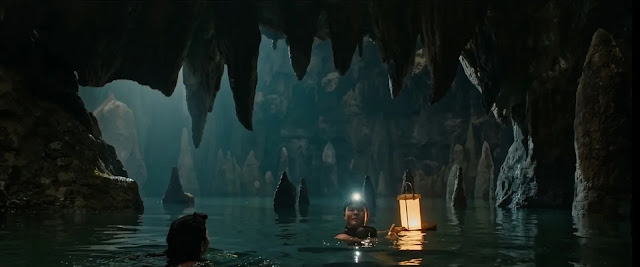
The Devil’s Mouth is not trying to reinvent the shark movie so much as trap it. It takes the most reliable summer genre there is, strips it of the wide blue frame that usually makes it fun, and dares you to sit in the dark with it instead. Whether that sounds like a good time or a bad one is exactly the split the reviews landed on. What is not in question is the last shot: the friend who always followed is the one who walks out.