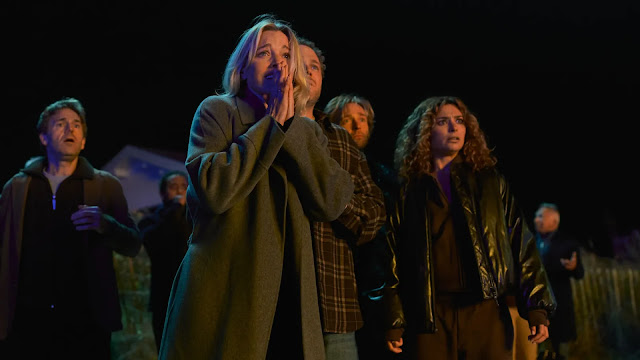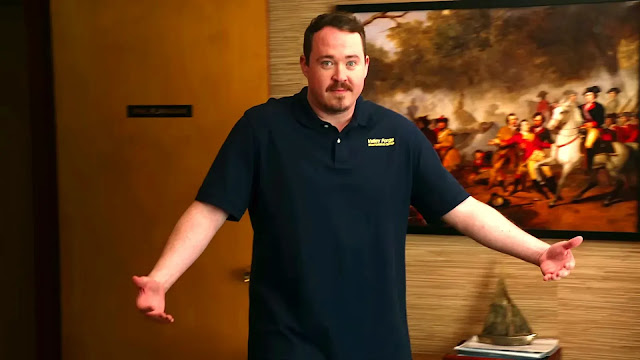
In 2019, Shane Gillis was hired by Saturday Night Live and fired four days later, before he taped a single episode, over old podcast clips that resurfaced the same week he got the job. That is usually where a comedy career stalls out, or at least detours into a long apology tour. Gillis skipped the tour. He kept doing his podcast with Matt McCusker and put stand-up hours on YouTube that pulled in millions of views. With his friend John McKeever, he made a scrappy sketch series called Gilly and Keeves, because nobody else was going to hand him a show. By the time Netflix came calling, he had drawn a real audience without a network’s help. Then he did the part that still surprises me. He paid to make a sitcom himself.
That sitcom is Tires, and how it got made explains most of what the show became. Netflix did not develop it or greenlight it. Gillis and his collaborators Steve Gerben and McKeever self-funded a six-episode season about a family’s failing auto-repair chain in West Chester, Pennsylvania, shot it, finished it, and Netflix bought the completed thing and put it out in May 2024. Season three arrived on August 13 as twelve episodes, and it is one of the most-watched titles on US Netflix right now. The reviews have flipped since that first year, and I think the flip and the funding are the same fact seen from two angles.
A Comedy Nobody Was Allowed to Fix
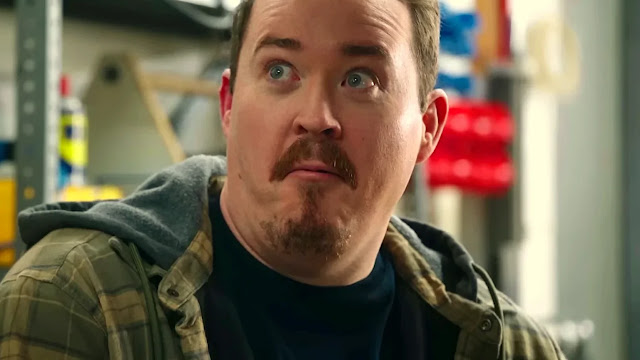
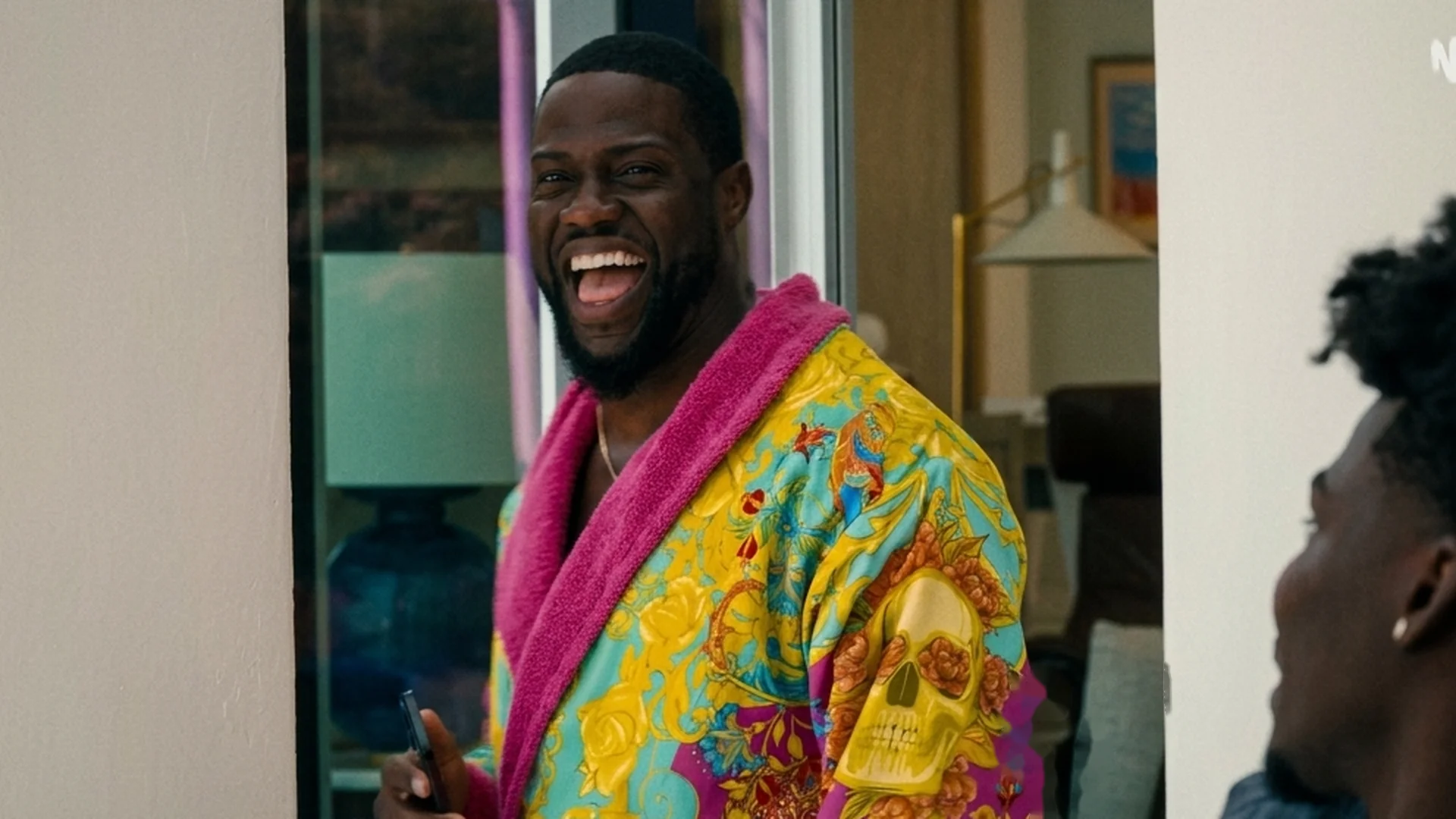
The first season got waved off. Rotten Tomatoes put the critics at 38 percent. The knock was that it was thin, a low-stakes hangout comedy about guys ragging on each other at a service counter, with jokes that felt like a podcast bit stretched to episode length. Watch it now and you see what they meant, and also what they missed. Gerben plays Will, the anxious, unqualified heir who never wanted the family business and got it anyway. Gillis plays his cousin Shane, the mechanic who makes every day at the shop harder. Will spends most of every episode bracing for whatever Shane is about to say to a customer. By season two the bench had grown to include Thomas Haden Church as Phil, Shane’s rich, immature father, a Florida margarita enthusiast who is basically Shane with thirty more years and no consequences. The pleasures are small and specific: the cadence of men who have known each other far too long, a shop that is always one bad week from closing. The comedy lives in tone, not plot. Nothing escalates the way a network sitcom trains you to expect. There is no lesson per episode, no slow-burn romance filling the back half, no guest star arriving to reset the stakes. That flatness reads as a bug and works as a feature. A development process would have sanded it into something safer and louder. Nobody sanded anything, because nobody was in charge but the men who paid for it. Put it next to another 2026 comedy about a star and the comics circling him. When Kevin Hart built a movie around the younger comedians coming for his job, he did it from inside the machine, with a studio behind him. Gillis built Tires from the outside, after the machine had already spat him out.
The Slow Part Was the Point
By season two the critics’ number had doubled to 78 percent. Season three drew the kind of reviews first seasons only dream about. Roger Ebert’s site called it one of Netflix’s best comedies, and the trades have started using the word franchise without irony. What changed is not the premise, which is still the same cousins at the same shop, now running the West Chester branch as co-owners with a bigger crew and nine new faces around them. Season three finally puts real weight on the only question the show has ever cared about, whether these two can keep the doors open. What changed is that the show got to sit in one place long enough to become itself. A network would have retooled after that 38, chasing whatever a focus group flagged. Tires kept showing up instead, a little sharper each season, letting the characters harden into people you recognize. The audience never needed the convincing. Season one already sat at 86 percent with viewers, and season three is up near 96, a gap between the critics and the crowd that stayed its own quiet story until the reviews finally caught up. There is a neat bookend to it. The institution that fired Gillis before his first episode aired has since asked him back to host, twice, and he took the gig and kept his show. So the comedian the biggest room in comedy threw out went and built a smaller one his own way, then outlasted the verdict on it. Not a triumph, exactly. Just a guy who held onto the keys, and a comedy that got funny on its own clock.