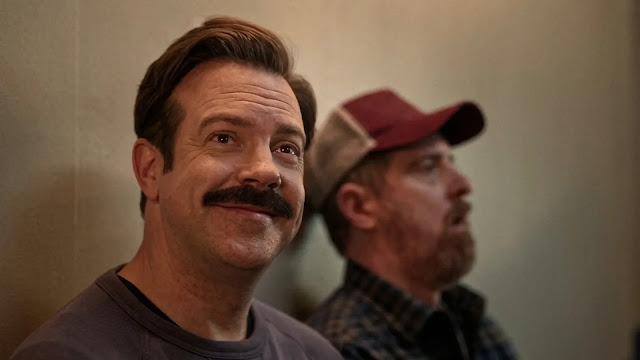
Television keeps a short list of shows that ended exactly where they should have and then had the grace to stay gone. Ted Lasso sat near the top of it. Season three sent Ted home to Kansas, married off Coach Beard, handed Roy the team, and rolled credits on a story its makers had always described as three acts and no more. It was a clean goodbye, the kind you rarely get to keep. And now, three years later, Ted is standing on a Richmond training pitch again. What talks a show off that list is worth understanding before the first whistle of season four, which arrives on Apple TV+ on August 5. Because this is not really a continuation. It is the pilot, run a second time, on purpose.
The Ending That Set Its Own Sequel in Motion
When Ted Lasso wrapped in 2023, nobody involved was coy about it being the finish. Showrunner Bill Lawrence had mapped a three-season arc from the start, a beginning, middle, and end plotted before the first episode aired. Jason Sudeikis told Deadline the last season was the close of the story they had always wanted to tell. Brett Goldstein, who plays Roy Kent and writes for the show, posted a farewell that opened with the words, and now the end is here. This was not a cancellation anyone was fighting. It was a planned dismount. And yet the finale left one thread hanging on purpose. In the same episode that walked everyone off to their happy endings, Keeley pitched Rebecca on launching a women’s team at Richmond. At the time it landed like a warm grace note, a hint that the club would keep growing after the cameras left. Season four turns that passing beat into its whole engine. The goodbye, it turns out, was already holding a door open.
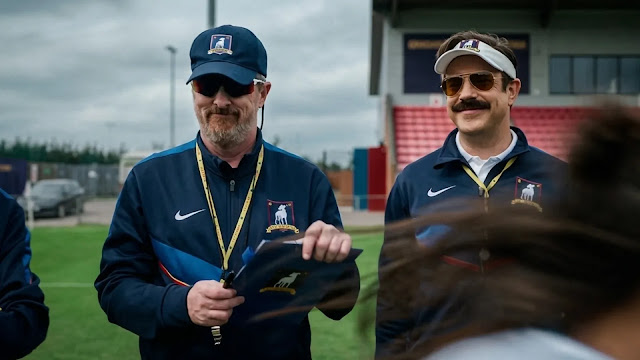
Running the Pilot Again, With the Difficulty Turned Up
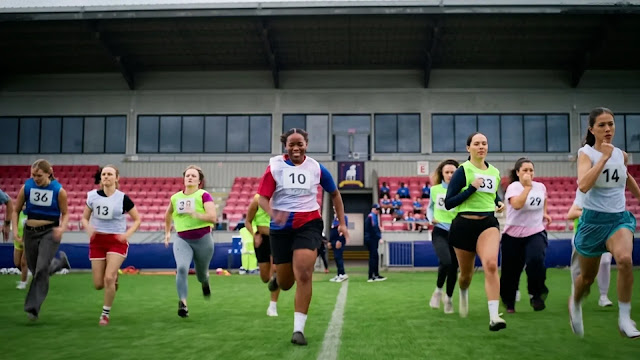
Here is the move season four is making, and it is a bold one. Ted comes back not to the Premier League side we spent three seasons with, but to Richmond’s new second-division women’s team, the Lady Greyhounds. The men who made the show a phenomenon, Jamie Tartt and Sam and Dani Rojas and Isaac, are not returning as regulars. Sudeikis is rebuilding the roster almost from the ground up, the way a first season has to. The new locker room is nearly all newcomers. Tanya Reynolds arrives as Alice Chilton, a coach working the touchline beside Ted, and the Lady Greyhounds themselves are faces the audience has to learn from scratch, the same cold start the first season asked of us with Jamie and Roy. That rebuild is the clue to what season four is up to. Season one worked on a sneaky little premise: drop a relentlessly decent American who knows nothing about soccer into an English men’s locker room and watch kindness do the slow work that tactics cannot. Season four runs the identical engine and stacks a second layer of not-belonging on top of it. Ted is now an American and a man, coaching English women in a league he has never once touched. The fish is out of water again, in deeper water. It is the streaming-era version of a trick The Dink pulled with pickleball, letting a comedy’s shape rhyme with the game it is about, except this time the show is rhyming with its own younger self.
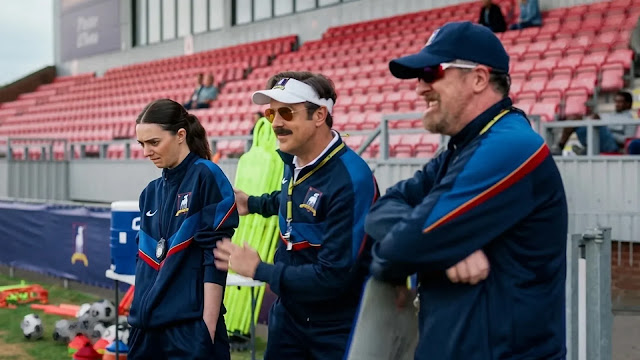
The Case for a Second Beginning
Bringing back a show that landed its ending is a real gamble. Get it wrong and you dull the very finale people loved. So it matters that Sudeikis did not come back for a victory lap. By his own account, a 2024 epiphany showed him a new story worth telling, and it grew out of something he plainly cares about. A longtime champion of women’s sports, raised alongside sisters and a familiar face at WNBA games, he wanted Ted pointed at a women’s team specifically. The timing helps, too. Women’s football in England has spent the last few years turning from an afterthought into sold-out stadiums, and a show this attuned to underdogs was never going to sit that shift out. The premise reads less like nostalgia than like the same appetite for the overlooked that comfort television keeps proving is real, the move that let a straight-to-streaming Little House on the Prairie find a whole new crowd by taking something old-fashioned seriously. Whether it recaptures the magic is the ten-week question, with episodes rolling out every Wednesday on Apple TV+ through October 7. But I think the shape is right. Ted Lasso only ever looked like a show about a men’s Premier League club. Underneath, it was about a man who believes decency is a strategy, tested on whatever field you drop him onto. Season four just found him a harder field and a team nobody is expecting much from. That has always been where this show does its best work.