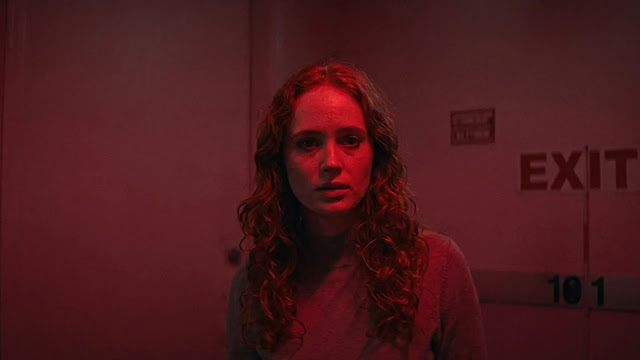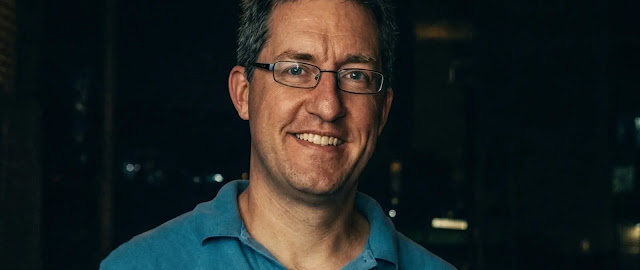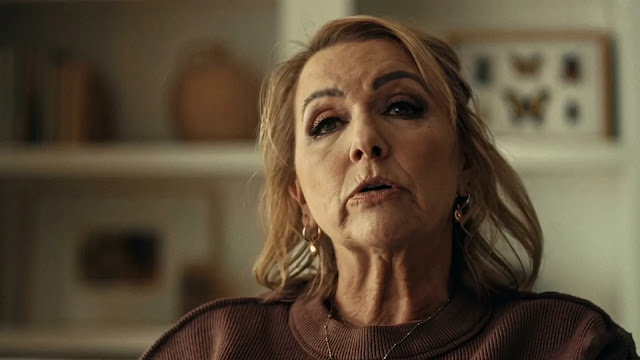
In the summer of 2016, strangers started showing up at a condo in Anaheim, California, expecting sex. A Craigslist ad had invited them. A woman there, it said, wanted to act out a rape fantasy, and any resistance she put up was part of the game. The men were real. The ad was not. The woman named in the police reports that followed, Michelle Hadley, had written none of it, and she would spend 88 days in jail before anyone in a position to help her worked that out.
A Toxic Love Story, on Netflix since July 23, lays the whole thing out. Director Alexandra Lacey builds it from the actual record, bodycam clips, interrogation tapes, recorded calls, with a little dramatization stitched between, and paces it like a thriller that keeps changing its mind about who to trust. The short version, since the title all but promises it: Hadley was framed. The people who framed her were her ex-fiance, Ian Diaz, a former deputy U.S. marshal, and his new wife, Angela Connell.
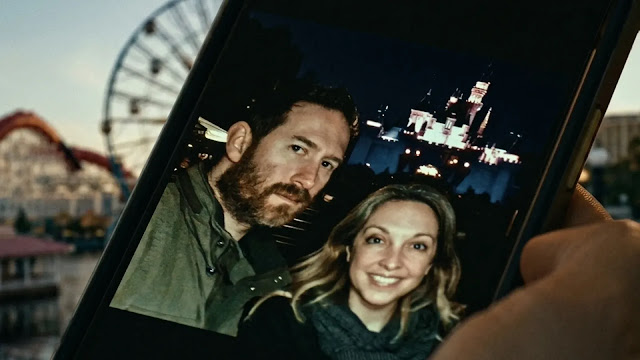
It matters that Diaz was a marshal. A federal officer knows what a credible stalking complaint looks like from the inside, which paperwork moves an arrest along, which detail makes a detective stop asking questions. The documentary doesn’t oversell this, but it sits in the procedure. The case against Hadley was assembled by someone who had spent a career watching cases get assembled.
The Frame Ran on Almost Nothing
What makes the case land, and what the documentary is smart enough to sit with, is how little the scheme actually required. Hadley handed them the first piece herself, without knowing it. After she and Diaz broke up in 2015, she sent him two furious emails that reached for the religious language she had grown up with. Months later, threatening messages started arriving for Connell from an account called Lilithistruth, full of that same borrowed-from-childhood cadence. Anyone comparing the two would hear one voice, which was the point all along.

From there it was assembly. Accounts impersonating Hadley went up in May 2016, and the Craigslist ad sent real men to the condo, which made the threat look physical and immediate. Connell even faked a pregnancy to sharpen the picture of a stable couple being terrorized by a jealous ex. None of the pieces were sophisticated. Stacked together, in the right order, they were enough.
The Craigslist piece is the part that should stay with you. The ad went further than accusing Hadley. It sent strangers to a real address with the instruction that a woman’s refusal was part of the arrangement. If the timing had gone another way, the frame could have produced the exact crime it pretended to document. That is what the scheme was willing to risk to make a lie read like a police report.
There is a version of this material that would feel exploitative, and the film flirts with it. The reenactments are stylish, the score does a lot of work, and the structure withholds and reveals like a whodunit even though the who is not in doubt for long. What keeps it honest, I think, is that the reveals are documents, not guesses. It sits in the same Netflix true-crime lane as Shipwrecked: Nightmare at Sea, another film that trusts an ugly record more than it trusts suspense.
The System Took the Bait
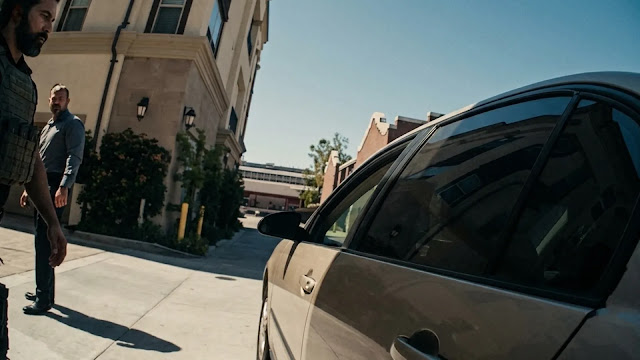
The harder thing to watch is the response from the people who were supposed to check the story. The Anaheim police had the email similarity and the men at the door, and they moved fast. Hadley was arrested in July 2016 and held. It took 88 days for investigators to establish that the accounts pointing at her had been created to point at her, and that the woman in the reports was the target, not the author. Like Maternal Instinct, it is a case where a tidy, plausible story outran the truth for far too long. She later sued the city for rushed, sloppy work and settled for 1.8 million dollars in 2021.
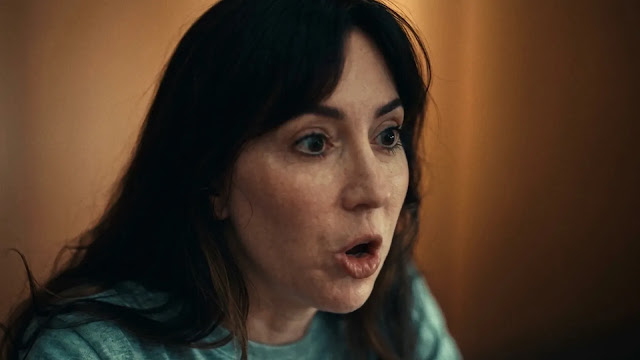
That settlement is the closest thing the case has to an admission. The footage of Hadley from those months is the hardest stretch of the film. She keeps saying she did not do it, in the flat, worn-out way people talk when they are telling the truth and no one will hear it. To the officers, even the steadiness of her denial reads as one more thing that does not add up. For 88 days, being right did her no good at all.
It Isn’t Finished
Diaz was convicted of cyberstalking, perjury, and obstruction of justice and sentenced to more than ten years in federal prison. Connell pleaded guilty to fraud and filing a false police report, served her time, and, per the reporting around the film, later became an abortion-access advocate and left California. Hadley got her 1.8 million dollars and her name back.
None of that closed the file. In February 2026 Diaz filed his own motion to vacate the conviction, arguing his lawyer failed him, and he is still pushing. In early August, days after the documentary landed, Hadley wrote to the judge about him again. The frame was cheap to build and it fell apart in 88 days. Keeping it apart is taking a lot longer.