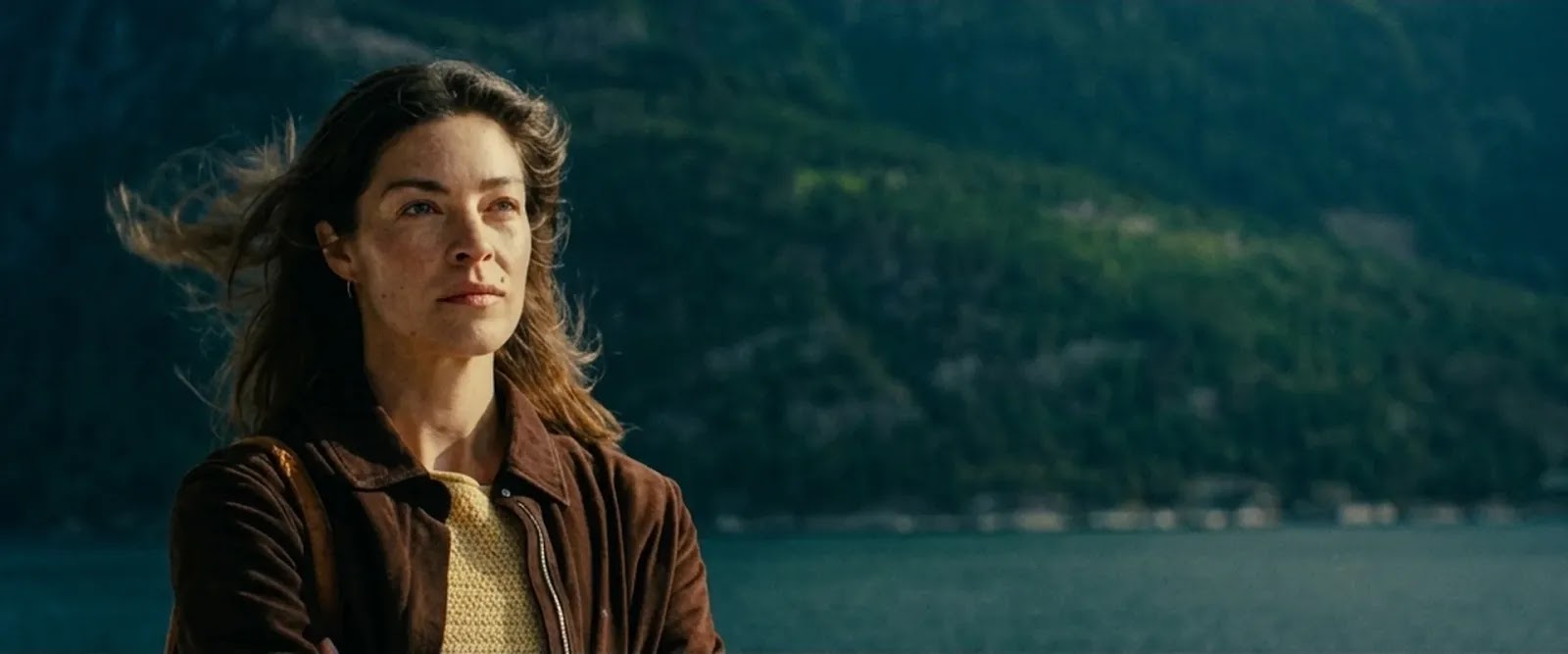
The woman credited as the author of The Secret Woman does not exist. “Anna Ekberg” is a pen name two Danish men, Anders Ronnow Klarlund and Jacob Weinreich, adopted to write the novel, and Klarlund later helped produce this Netflix adaptation of the book he wrote as her. Keep that in your pocket, because the film keeps asking the same question about its heroine. A calm café owner on a Norwegian island, Louise Andersen, is really Helene Soderberg, a Danish shipping heiress who disappeared three years ago. She is not in hiding. Nothing about that life survives in her memory. So when a stranger walks into her café and calls her Helene, the small life she has quietly assembled starts to come apart from the first word.
The Night That Erased Her
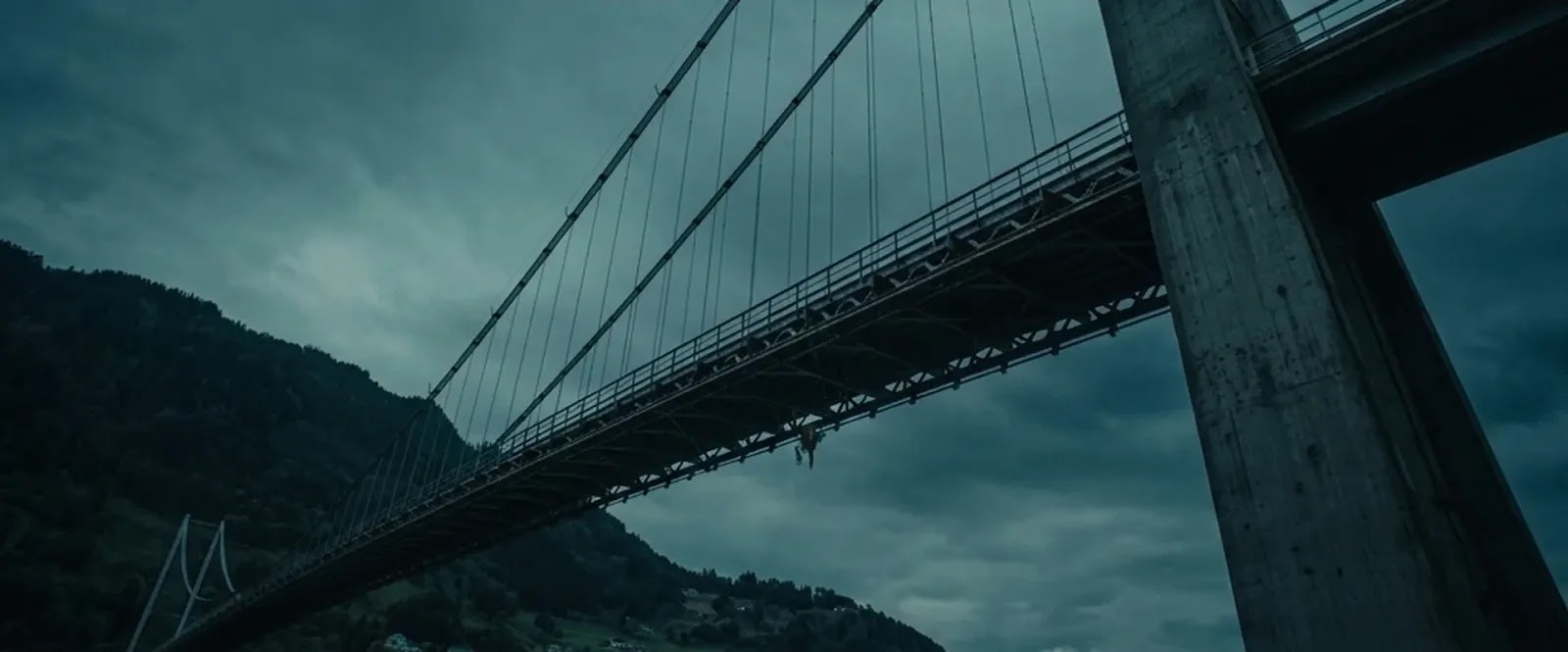
Helene did not run because she was reckless. She ran because she had found something. On the night she vanished, she was fleeing the family shipping empire with a woman named Louise Andersen, and the two of them got as far as a bridge on the Norwegian coast. Her husband, Edmund, caught them there. His car hit Louise and killed her. Helene went over the railing and landed on a ship passing below, and she woke with no idea who she was. She took the dead woman’s name because it was the only name she had. Three years of café mornings and one gentle new partner later, that borrowed name is the one everyone on the island knows her by. Joachim, the man she loves, fell for that Louise, the café owner, and neither of them had any reason to doubt she was anyone else. The stranger who says “Helene” is not lying to her. He is the first person in years telling her the truth.
The Woman Whose Name She Took
The real Louise Andersen was more than a convenient alias. She was a sex worker turned whistleblower, and what she was exposing was the Soderberg empire itself: a human-trafficking operation running behind the family’s respectable shipping business. Helene had learned the truth and chosen Louise’s side, which is why the two women were on that bridge together in the first place. Edmund spent the next three years covering his tracks, and when he found out his amnesiac wife had built a whole life and gotten engaged to a kind man named Joachim, he brought her back under the story of reuniting a grieving family.
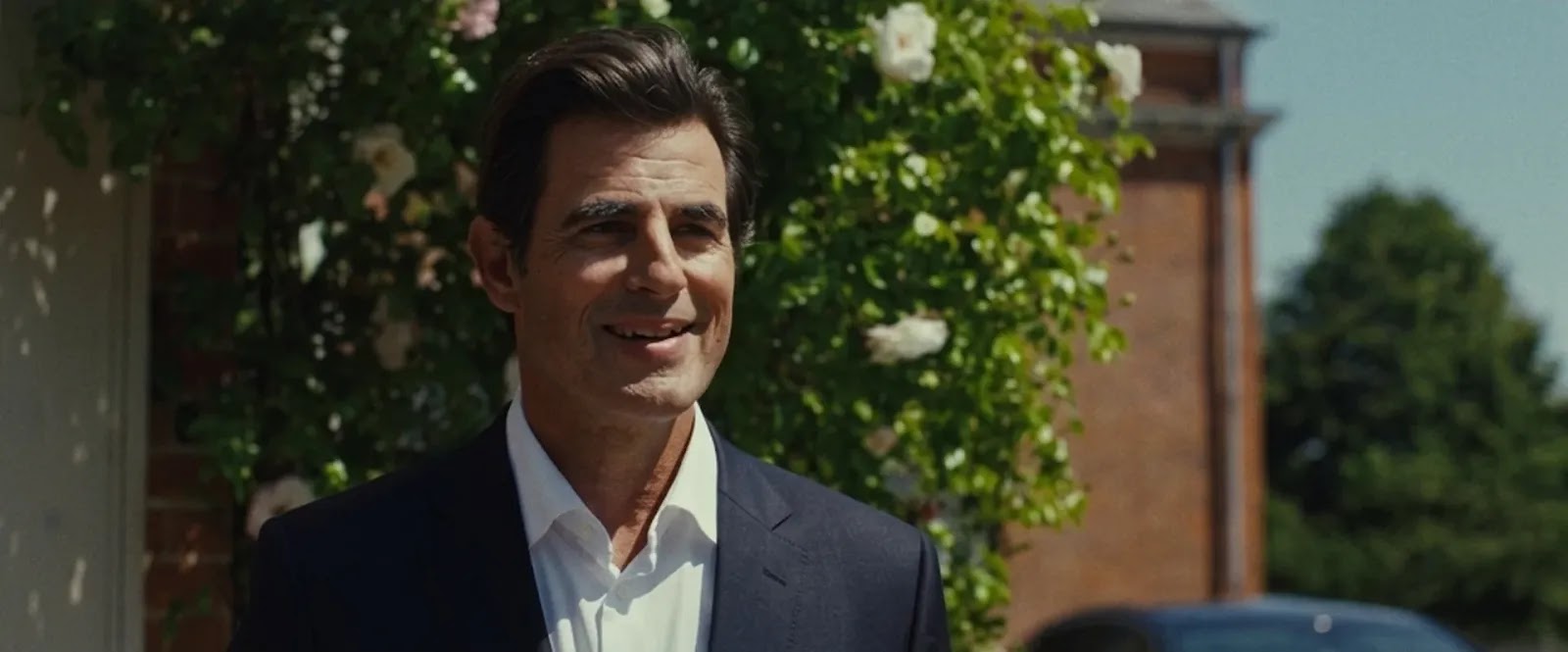
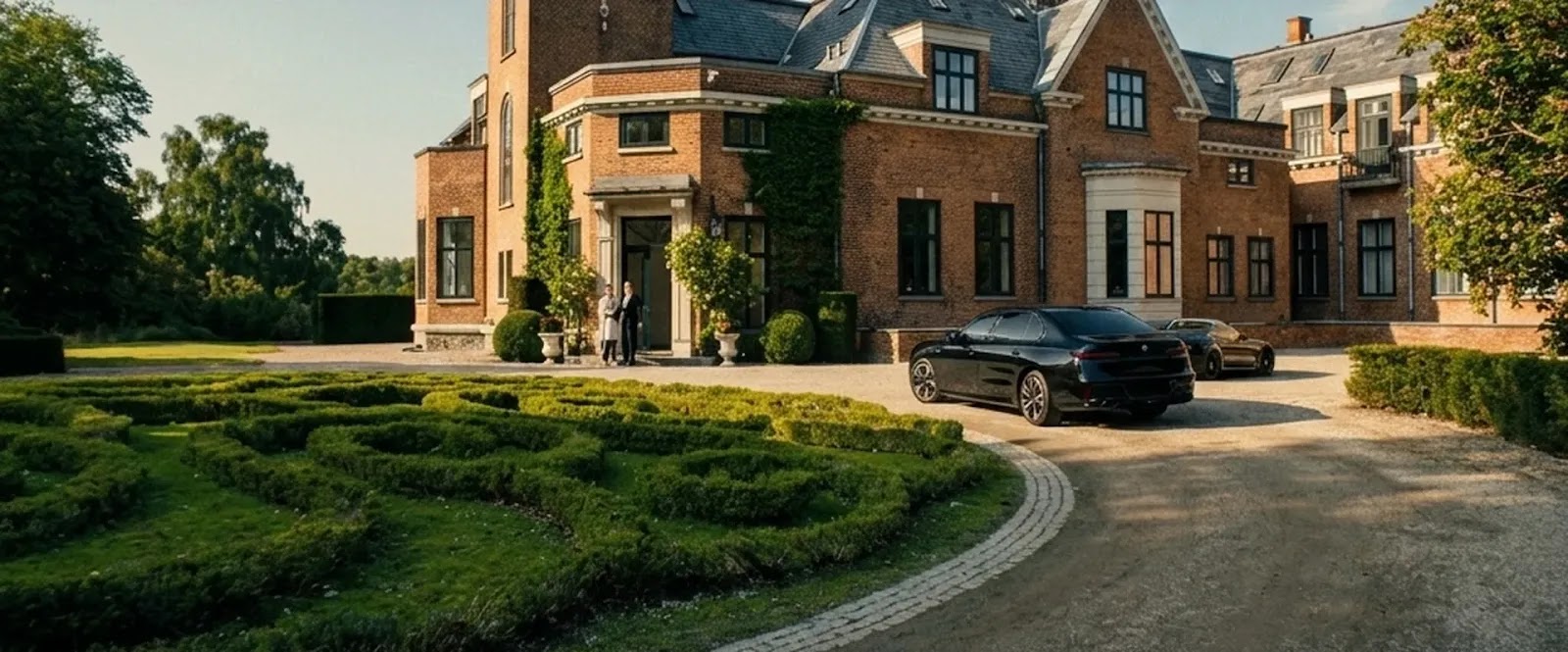
Coming home is where the film turns its knife. The person behind all of it is not Edmund but his mother, Caroline. Decades earlier she had been a secretary Helene’s father spurned, and she spent the years since maneuvering her son into the family as a slow revenge, with a hand in the old man’s death along the way. So the mansion Helene is welcomed back into, the fortune she is told is rightfully hers, the perfect past a stranger insists she reclaim, all of it is the exact thing she once risked her life to escape. Her amnesia pulled off the cruelest trick imaginable: it walked her straight back through the front door. The rot did not begin with Edmund either. Helene’s own father built the trafficking pipeline and died guilt-ridden over it, which is the old wound Caroline spent a lifetime pressing. What I like about the premise is how literally it stages a familiar dread, the one where going home means walking back in among the people who hurt you. European Netflix thrillers are unusually good at this move, the trick of letting a polished family portrait rot from the inside, and The Marked Woman worked a version of the same reveal.

The Life She Chose to Keep
The reckoning happens in the mansion. Caroline tries to finish what she began years ago, Edmund steps in, and in the struggle his mother goes through a window to her death. The police arrive with enough to arrest Edmund and to crack the empire’s trafficking open for a full investigation. And this is the film’s quietest, best decision. Helene now knows exactly who she is: a name, a fortune, a son called Alexander, an entire stolen history handed back to her. And she takes the boy and Joachim and goes back to Norway, back to the small ordinary life, marrying the man from the café while her memories return in fragments. What she keeps is the life she built, not the one she was owed.
The pen name over the title reads differently by the end. A story about a woman who is not who she claims to be was written by two men behind a woman’s name, one of whom stayed close enough to produce her. Handed a fortune and her real name, Helene still chooses the café, the island, and the man who loved her when she was no one. That quiet, deliberate choice is the most surprising turn the film has.