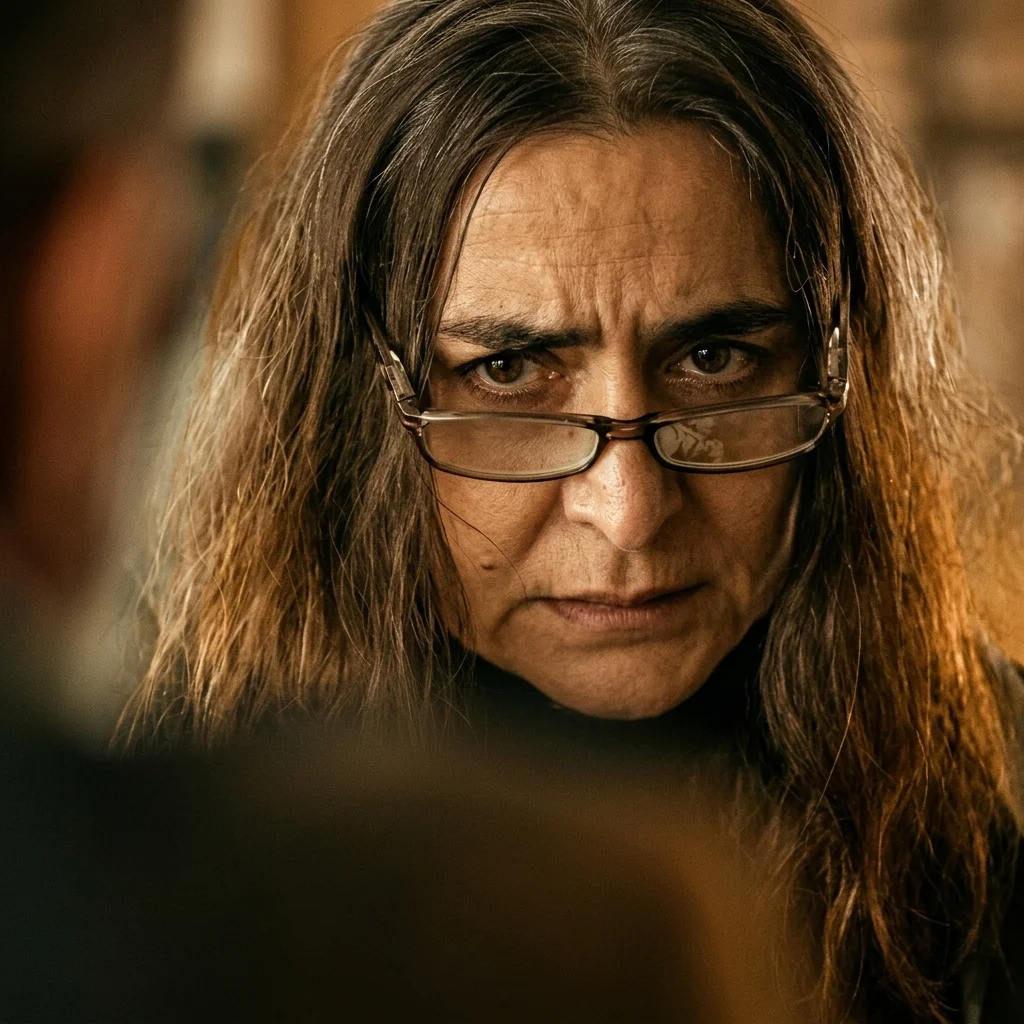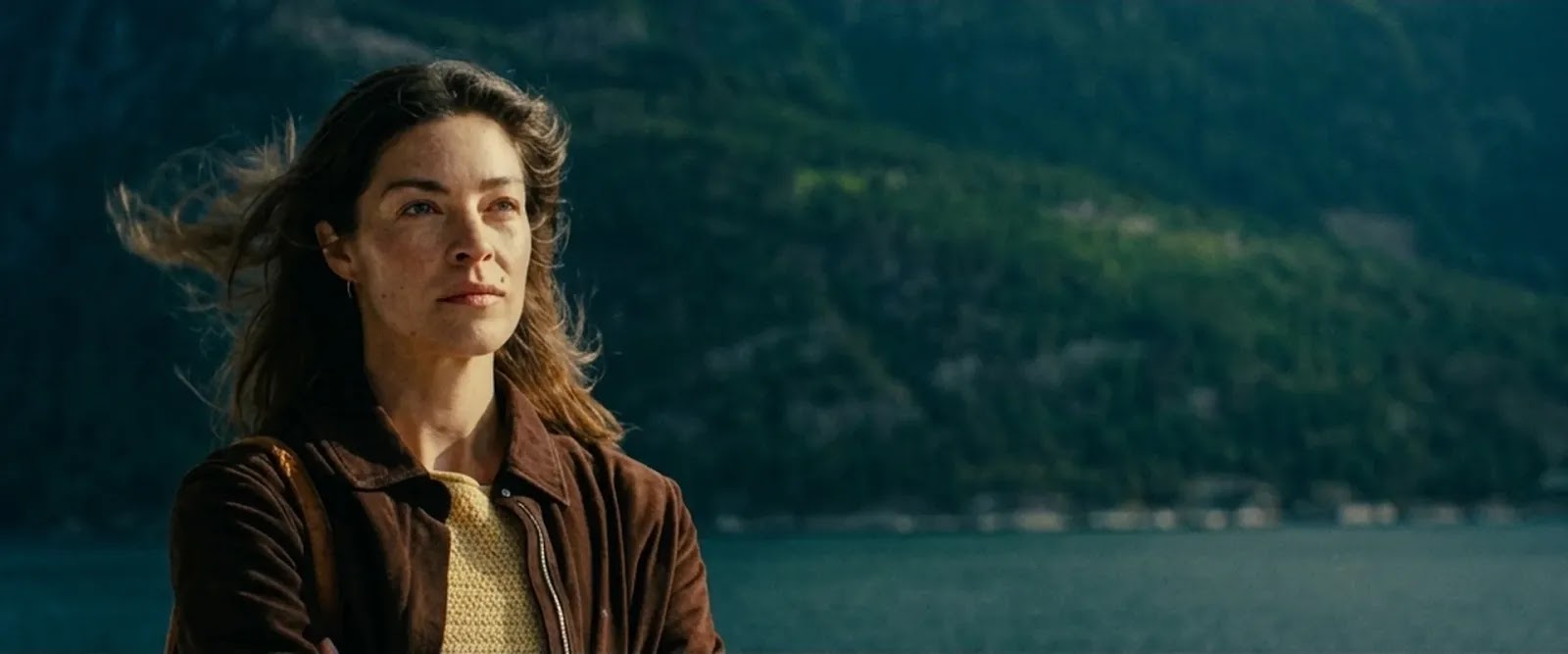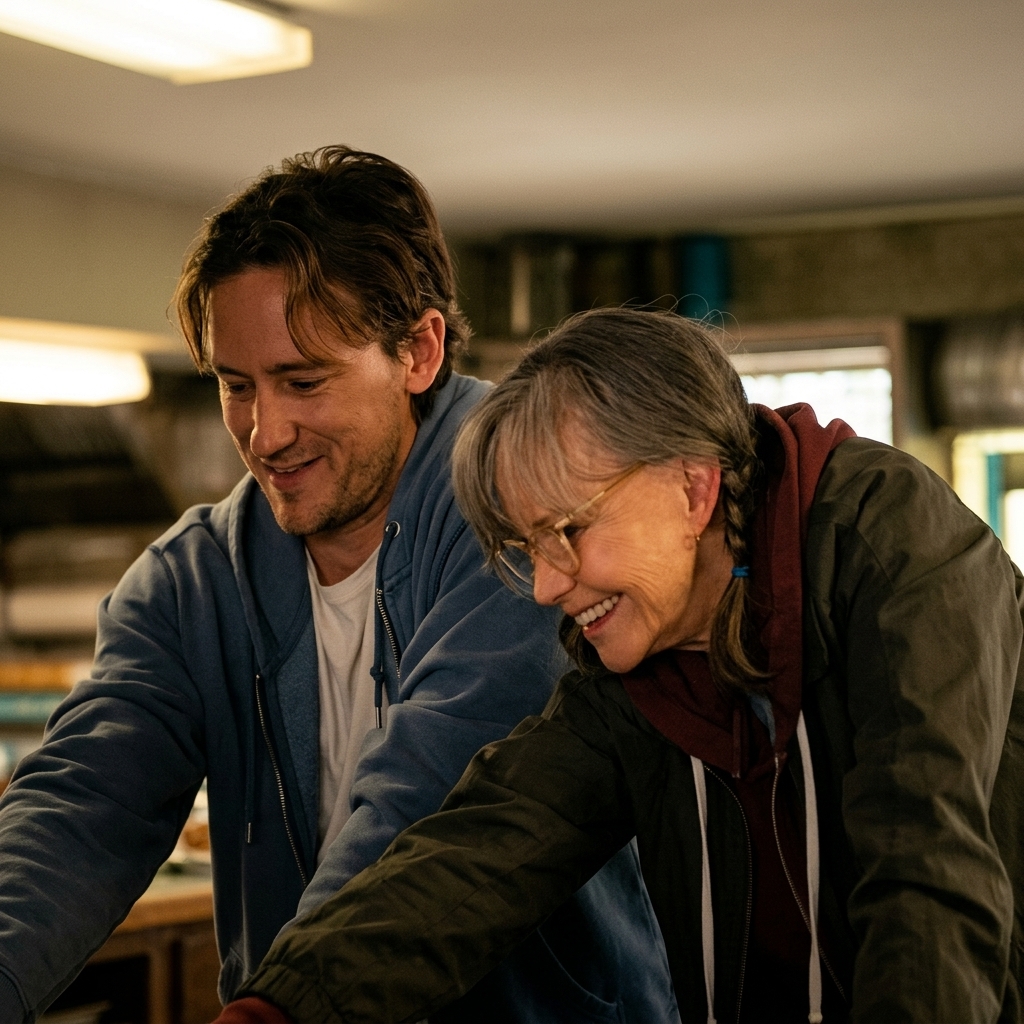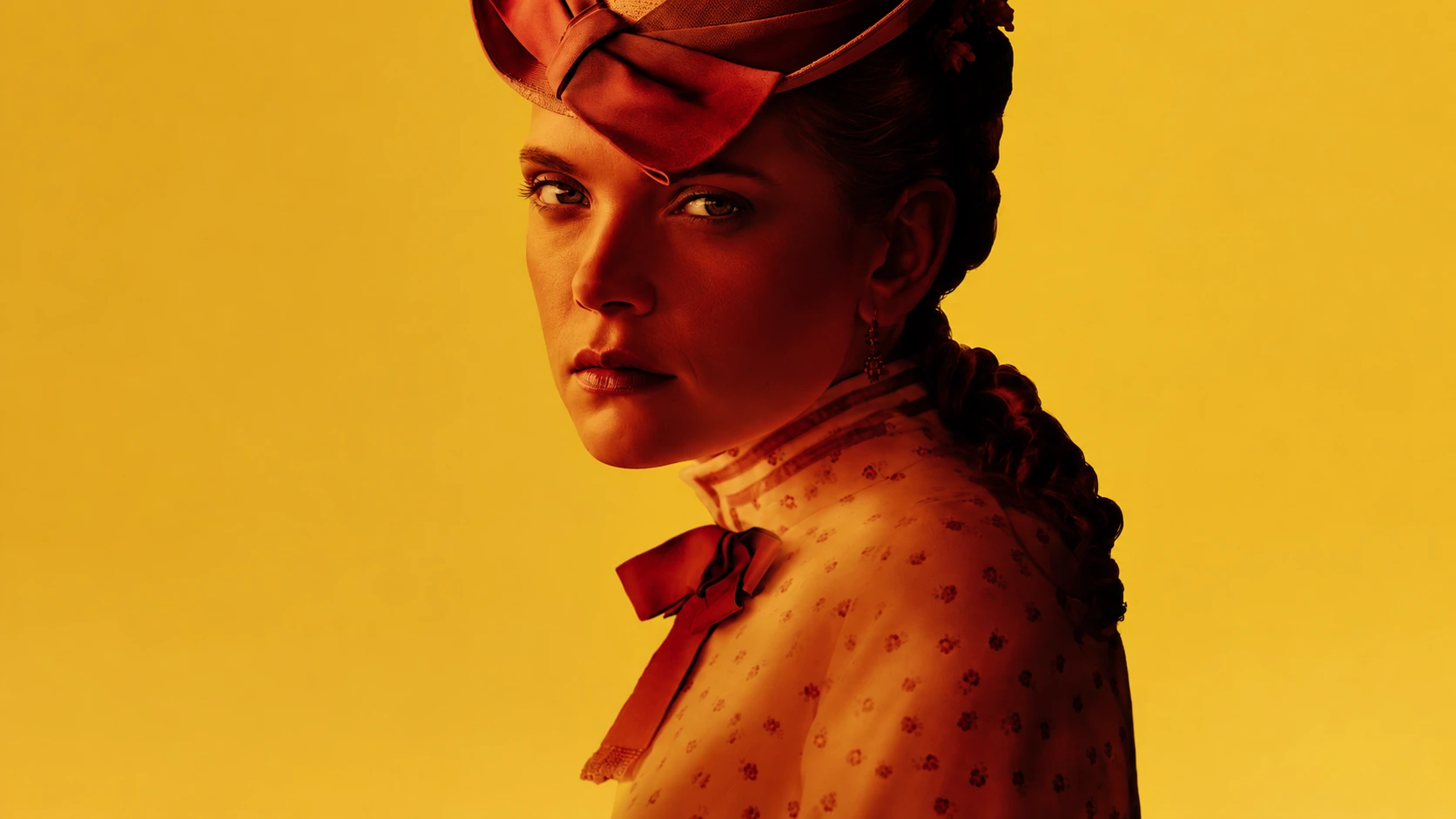
Yes. Netflix’s The Doll is based on Lalka, the Polish novel by Bolesław Prus that appeared in book form in 1890. The six-part series keeps the central pair: Stanisław Wokulski, a merchant who has forced his way into wealthy Warsaw society, and Izabela Łęcka, the aristocratic woman he wants. But “based on” needs an asterisk here. Netflix calls the show a contemporary reinterpretation, and director Paweł Maślona has been unusually direct about not making a faithful copy. This is a useful distinction if you found the series through a U.S. Netflix ranking and now want to know whether a plot summary of the novel will reveal the same story. It will not.
The book is much larger than a frustrated courtship. It moves through drawing rooms, shops, old money, new money, political disappointment, and scientific ambition. Wokulski’s pursuit of Izabela gives that social map a story, but it does not reduce the map to a love triangle. Nearly every room asks the same practical question: what can money buy when birth still decides who is allowed to belong?
Scale is part of the adaptation problem. The novel sprawls across nearly 700 pages, while Netflix has six episodes. No screen version can carry every Warsaw detour, supporting character, and argument about Poland’s future. It has to decide what the book is chiefly about. Giving Izabela more room is therefore not a decorative update added after the plot was chosen. It tells us what Maślona’s version considers central enough to save when much of the novel must be left behind.
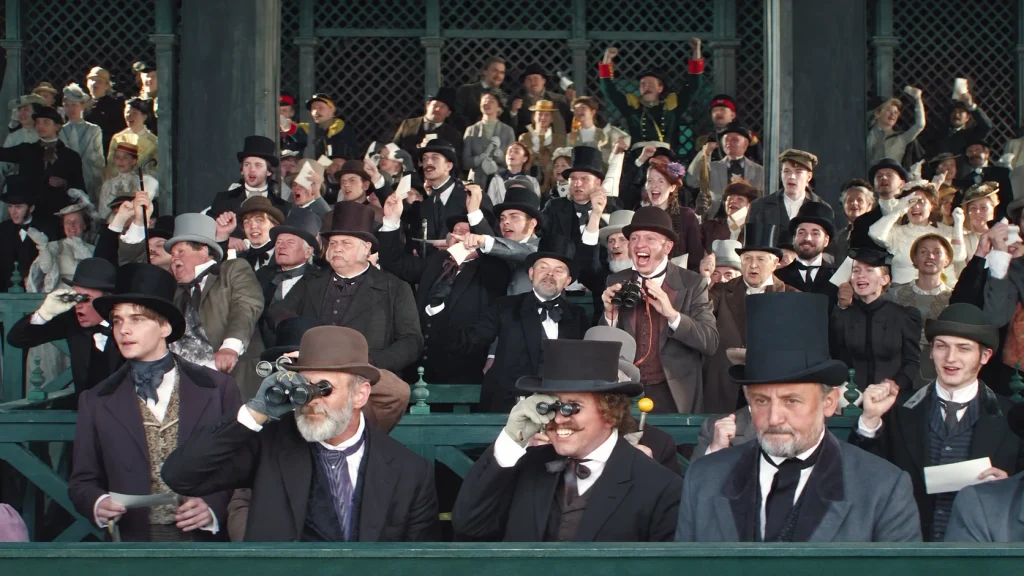
The Title Does Not Name the Obvious Doll
The easy assumption is that Izabela is the doll: beautiful, displayed, and handled by the men around her. Prus complicated that reading himself. According to Culture.pl’s account of his explanation, the title came from a small subplot about a court case over a stolen toy doll. That does not cancel the symbolic reading. It does stop us from treating it as the author’s single neat answer.
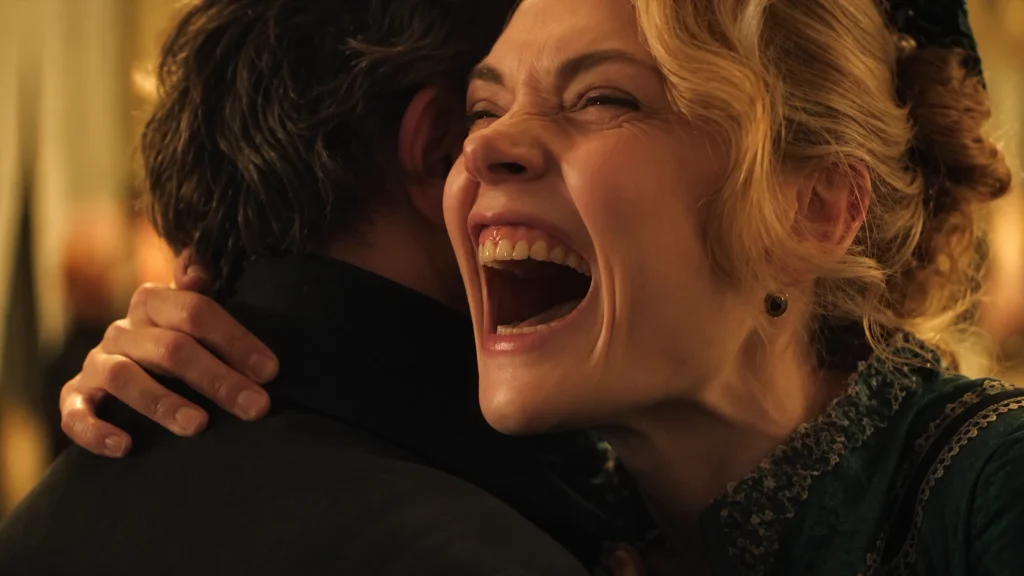
That uncertainty gives a new adaptation room to maneuver. Izabela has often been read through Wokulski’s gaze: first as the reward for his ascent, then as evidence of his delusion. A version that gives her a project beyond marriage is not merely adding a modern hobby. It is changing who gets to interpret whom. Wokulski can still desire her, but his desire no longer has to supply her entire meaning.
Why Poland Has Two New Dolls
Netflix’s series arrived on September 16. A separate feature film directed by Maciej Kawalski is scheduled for Polish theaters on September 30. These are independent productions. Their close release dates have produced jokes about a Polish “Dollheimer.” The coincidence matters because these are the first major screen versions after Wojciech Jerzy Has’s 1968 film and Ryszard Ber’s 1977 television series. After almost half a century, two productions have reached for the same novel in the same month.
That does not prove the novel is suddenly fashionable, and it tells us nothing about which adaptation is better. It does show why Lalka is more useful to Polish filmmakers than a museum piece would be. Its argument about class is unfinished. Wokulski can accumulate wealth but cannot purchase an aristocratic past; Izabela possesses the past but has little control over the system preserving it. Different adaptations can move the sympathy between them without changing that trap.
What Netflix Chooses to Rewrite
Maślona has described Prus’s novel as a starting point rather than a set of instructions. The clearest evidence is Izabela’s added ambition: this version has her trying to write for a progressive newspaper run by women. Sandra Drzymalska, who plays her, told The New York Times that she wanted to find a more modern young woman than a prospective wife waiting to be chosen. The change gives Izabela work she wants to do and a public voice she has to fight for.
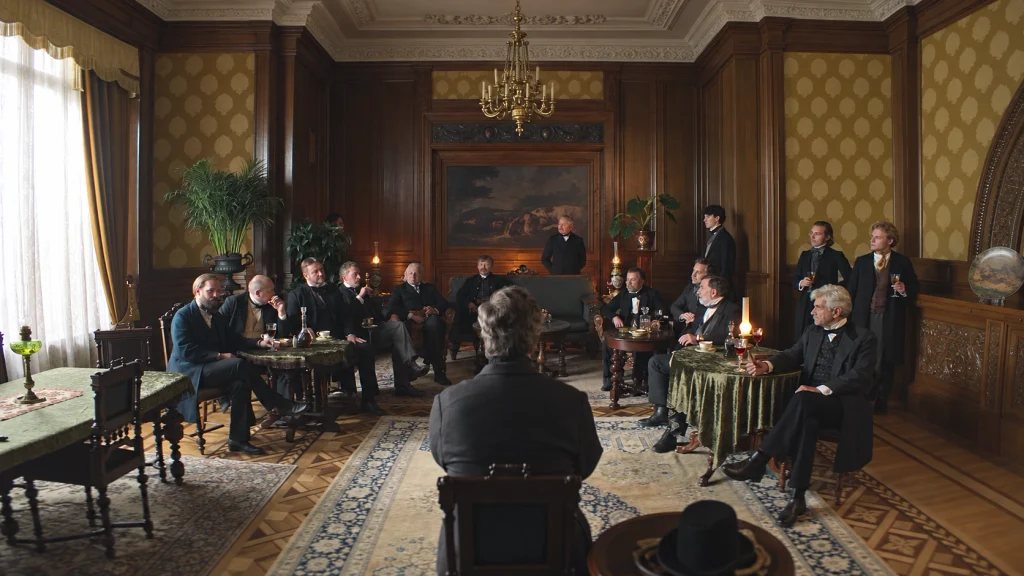
There is a risk in that decision. Giving a nineteenth-century woman an ambition recognizable to a 2026 audience can deepen her, or it can make a difficult old character reassuringly current. The premise alone cannot tell us which happened. What it gives viewers is a better test than “Was the book accurate?” Watch who is allowed to explain Izabela, whether her writing changes her choices, and whether the series lets her be as contradictory as Wokulski.
So the short answer remains yes: The Doll comes from one of Poland’s central novels. The more useful answer is that Netflix has not treated that novel as a locked display case. It has opened an old dispute over money, class, and possession, then shifted the microphone toward the woman most often mistaken for the object in the title. That is the change worth watching—not because it automatically improves Prus, but because it reveals what this adaptation believes the original left unresolved.