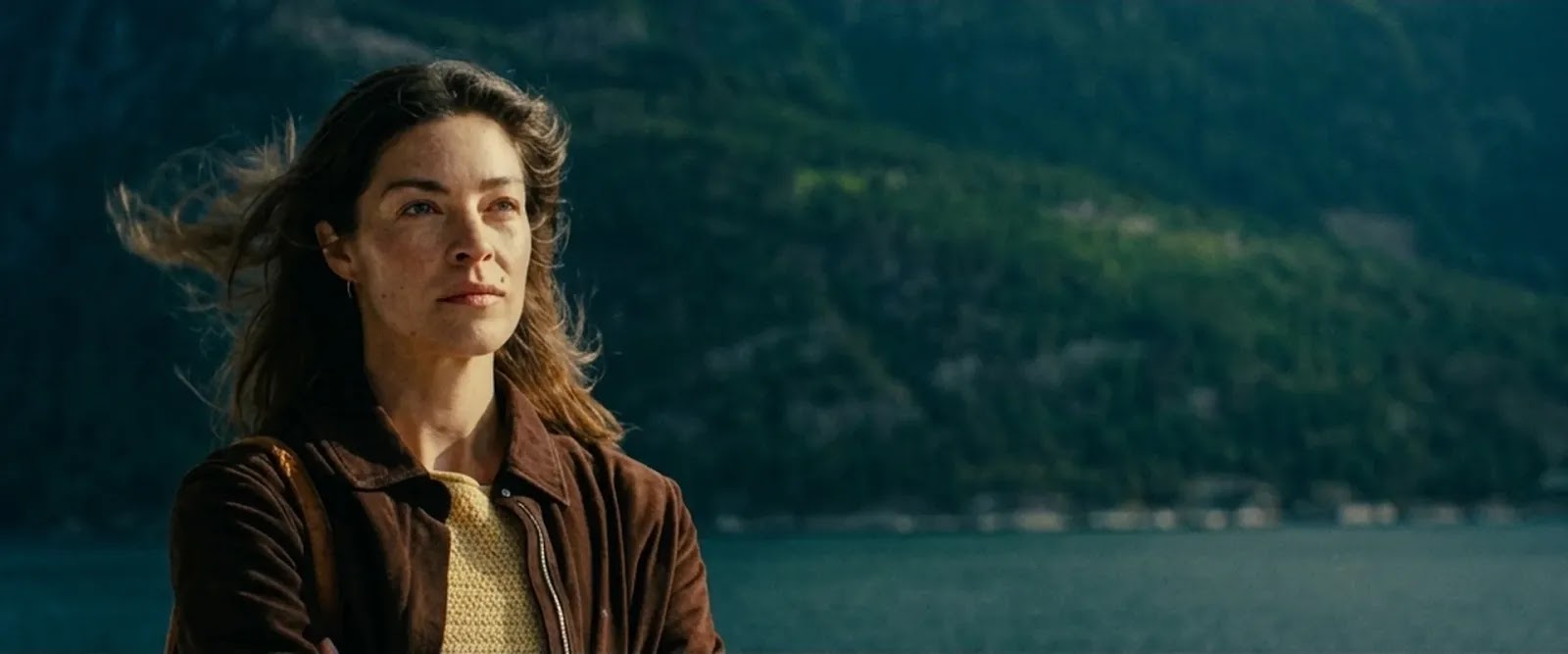
The Marked Woman, Netflix’s Spanish original thriller that shot into the Top 10 within days of its June 5 release, runs on a single question: who is the woman found beaten half to death in a shipping container in Barcelona, with no memory of her own name? If you have reached the end and want the knots untangled, here is exactly who she is, what actually happened, and what that final, brutal choice means.
Full spoilers from here on. If you have not finished the film, turn back now.

Who Is the Woman in the Container?
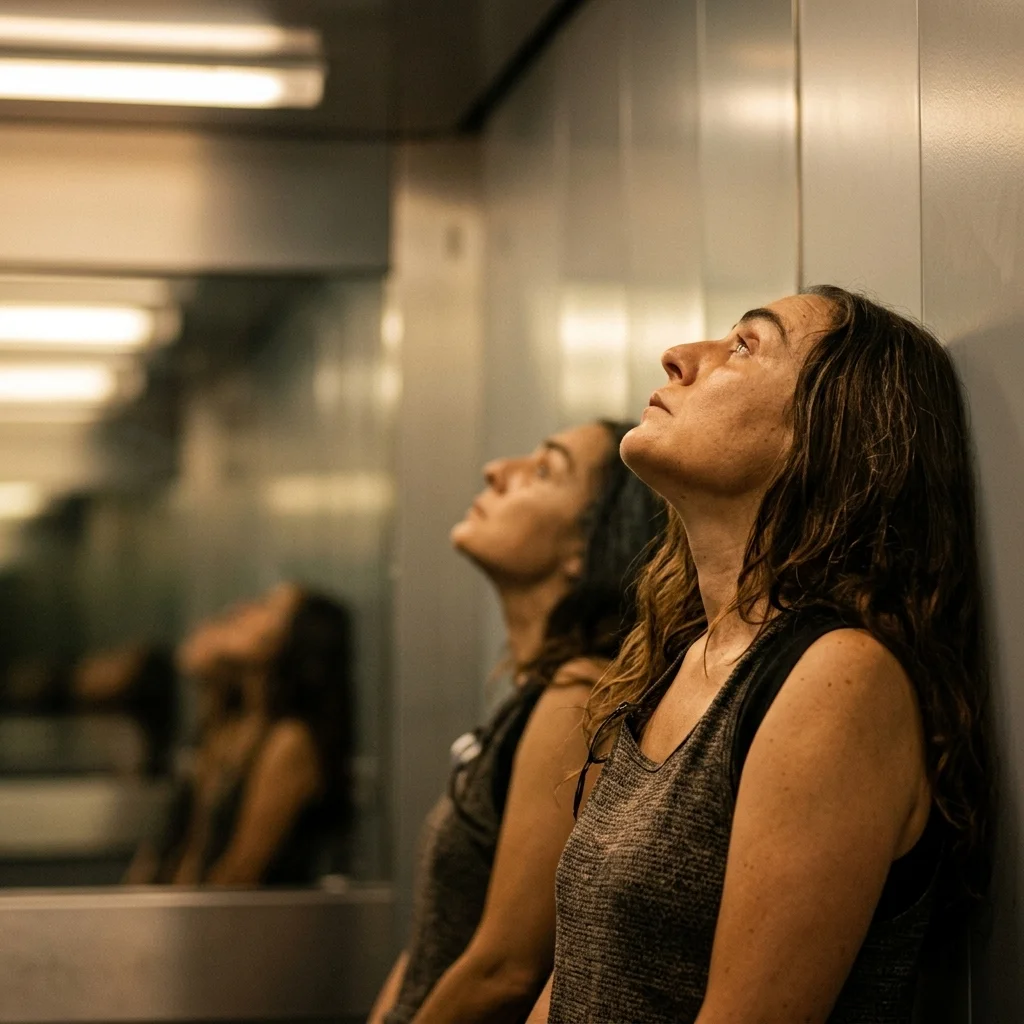
The amnesiac woman, played by Ana Rujas, is named Clara. For most of the film she is a blank, a victim being slowly pieced back together by Detective Anna Ripoll (Candela Peña) as her memory returns in fragments. The film leans hard on the amnesia, letting you assume she is simply an innocent who stumbled into something terrible.
She is not. Clara walked into this on purpose.

The Sister, Lucia
The thread Clara cannot remember, and the one the whole film is quietly built around, is her sister, Lucia. Lucia had been working as a police informant, and when her cover was blown, she was killed by Falco, the police chief, the very figure positioned throughout the film as a man of authority. Much of what looked like Lucia’s erratic behavior earlier in the story, the false testimony, the sudden disappearance, was her trying to stall an end she could already see coming.
Clara’s entire ordeal is the consequence of what she did after Lucia vanished. She did not wait for the system to deliver justice. She went hunting.
The Crypto Motive
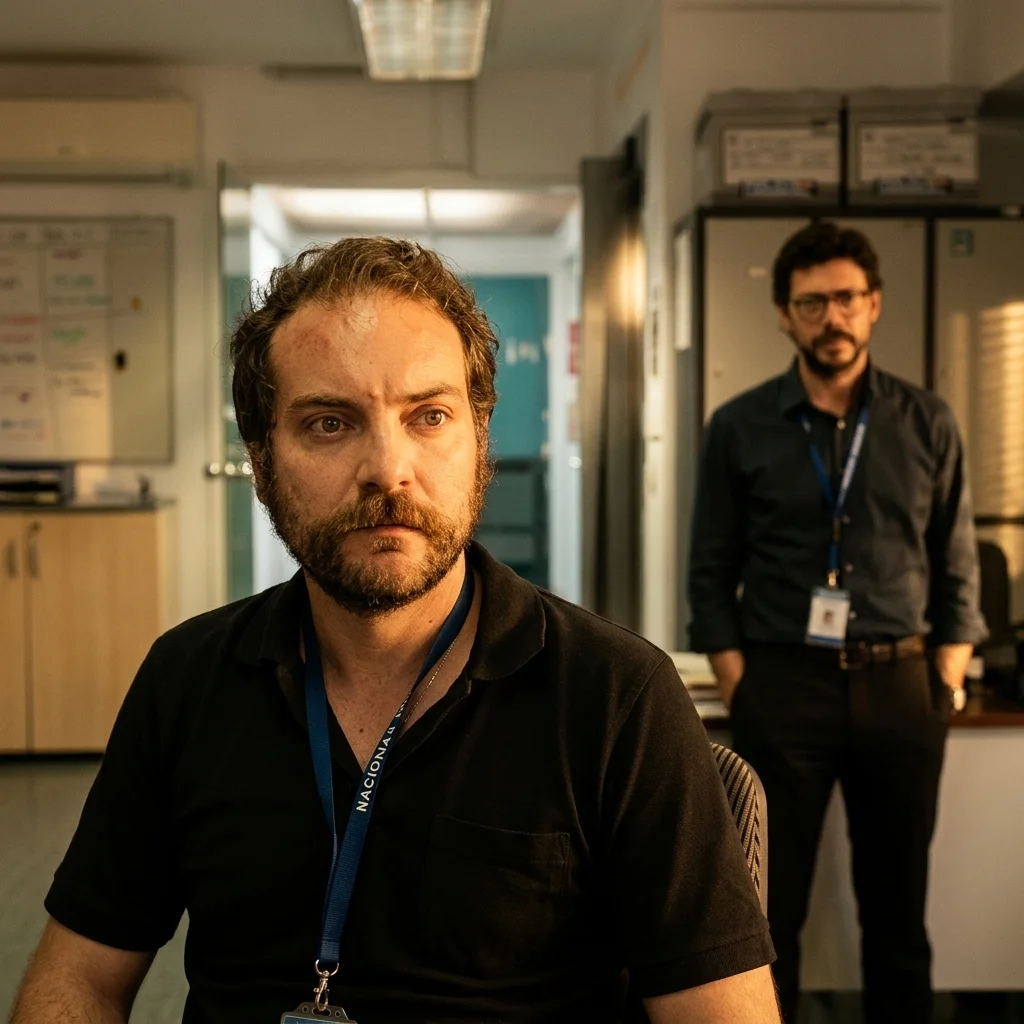
Here is the mechanism that turns Clara from a grieving sister into the most wanted person in Barcelona. She got into the devices and accounts of Gaston, the criminal at the center of the network that swallowed her sister, and changed the password on a high-value cryptocurrency wallet tied to his operation. In one move she made herself indispensable and lethal to him at the same time: she alone controlled a fortune his organization needed, which is precisely why she ended up bound, tortured, and dumped in that container rather than simply killed outright. They needed her alive long enough to talk.
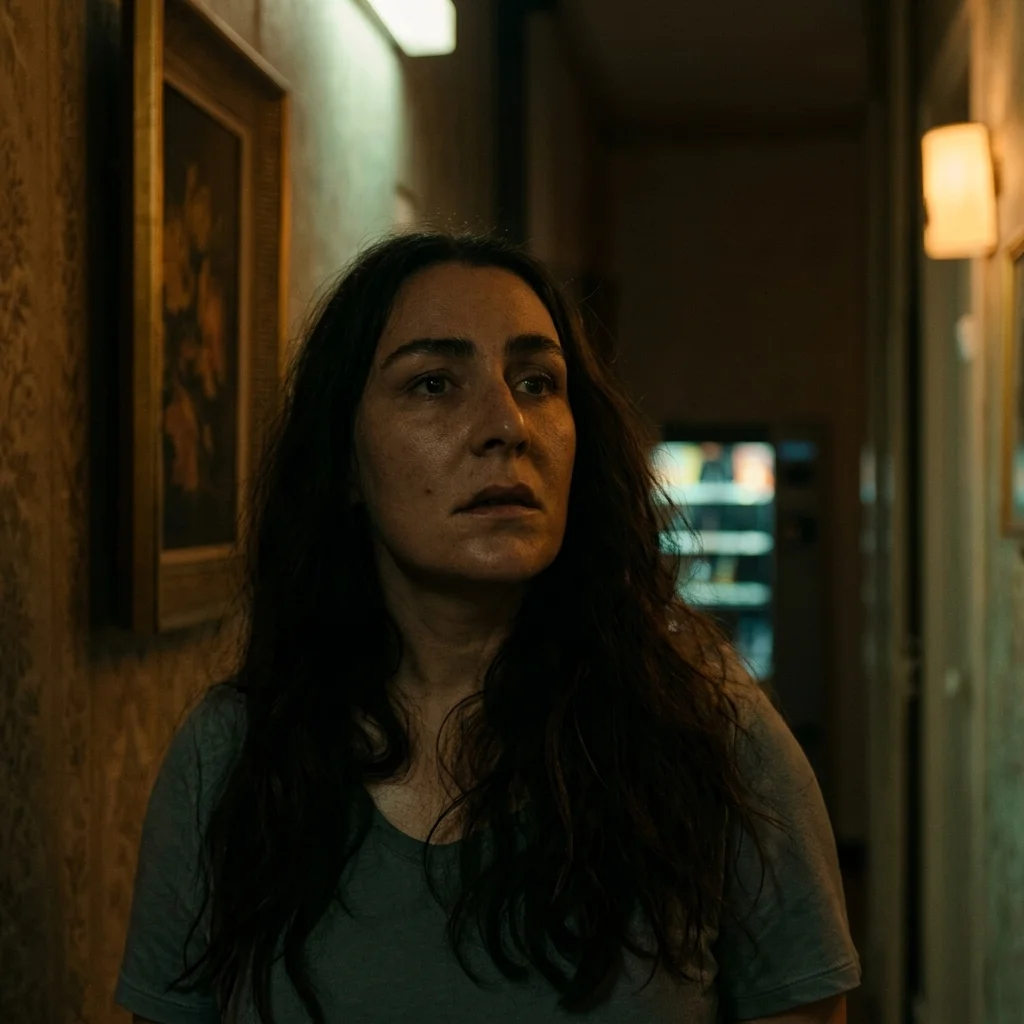
The amnesia, then, is not just a storytelling device. It is the wall between Clara and the leverage everyone is willing to kill her for.
The Ending: Why Clara Shoots Falco
The film’s final confrontation is its strongest moment, and its bleakest. Falco, cornered, tells Clara the truth she has been circling the entire film: her sister is dead, and he is the one who killed her. Clara overpowers him and disarms him. The immediate danger is over. By the logic of a more conventional thriller, this is where she hands him to the law and walks away vindicated.
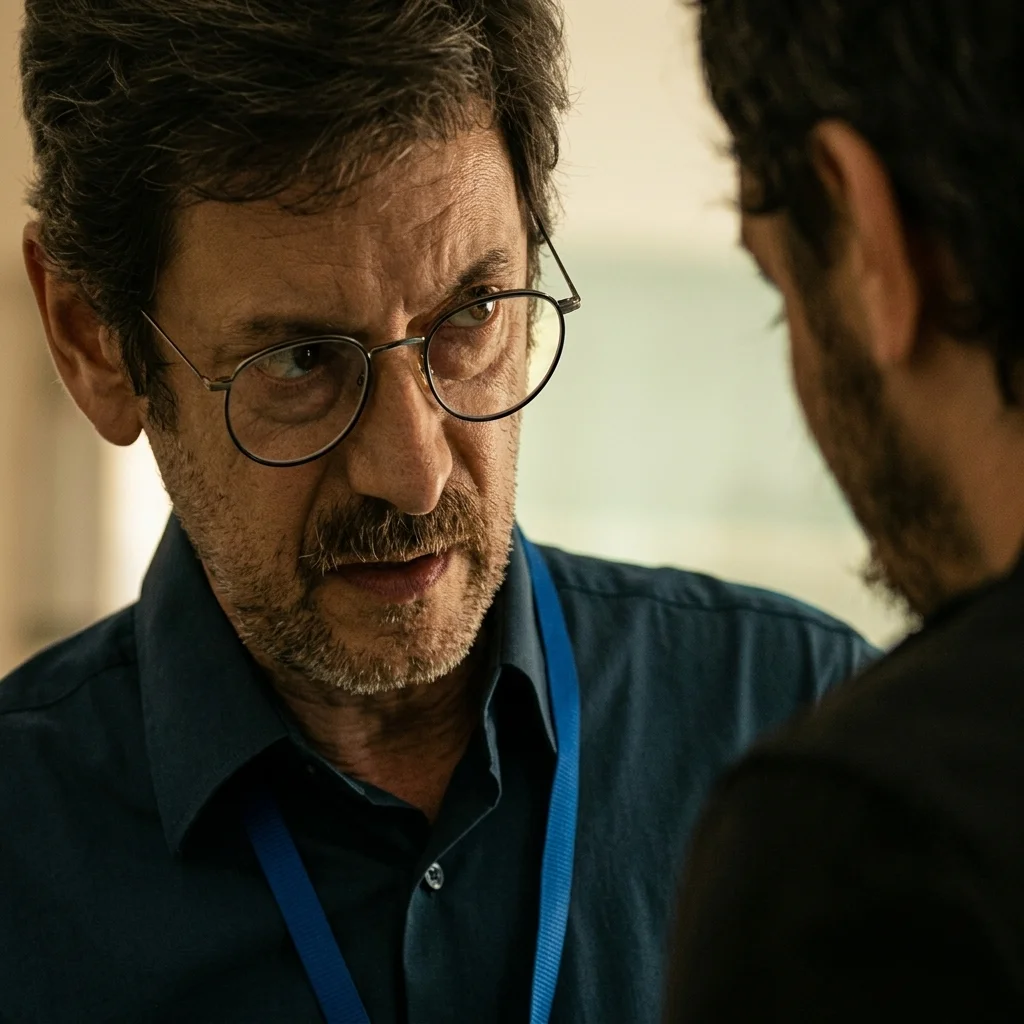
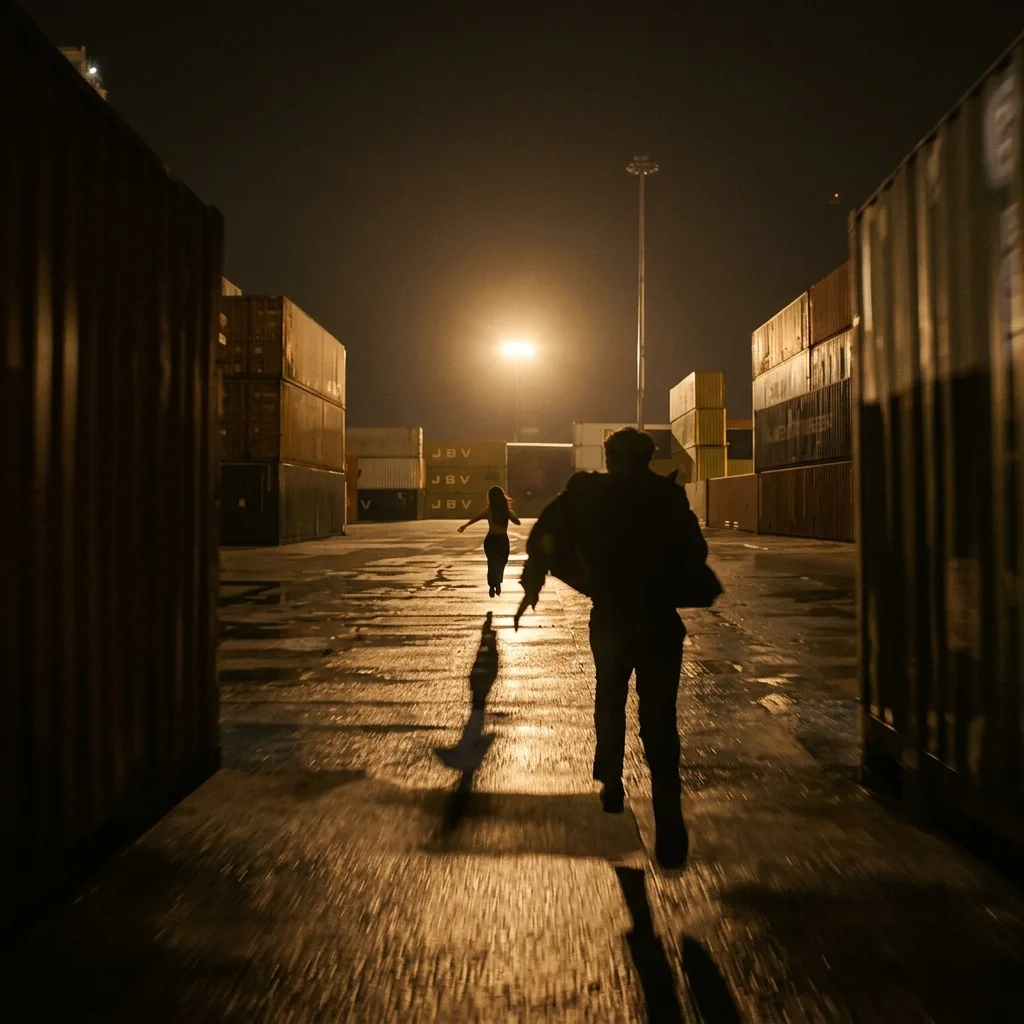
She doesn’t. Clara understands, in that moment, that this is the only window she will ever get. A corrupt police chief, handed to a corrupt system, may never truly answer for Lucia. So she shoots him in cold blood, fully aware of what it costs her. The killing is not self-defense, and the film refuses to pretend it is. It is vengeance, chosen with open eyes, and it locks Clara into a life on the run for good. She gets her justice and forfeits her freedom in the same trigger pull.
That is the ending’s real subject. Not “who is she,” but what a person becomes when the institutions meant to protect her have already failed her sister once.
Is The Marked Woman Based on a True Story?
No. Despite its grounded, ripped-from-the-headlines texture, The Marked Woman is not based on real events. It is adapted from the 2023 novel La desconocida (“The Unknown Woman”), co-written by acclaimed Spanish author Rosa Montero and French writer Olivier Truc. The realism is craft, not reportage.

The Honest Take
If the ending felt a step ahead of you, you are not alone. The most common note from viewers and critics is that the central twist arrives more or less on schedule, telegraphed well before the reveal lands. The Marked Woman is not the puzzle box it is dressed up as. The “who is she” mystery resolves about how you would guess.

But the film is smarter about where its real tension lives. It is not in the identity reveal. It is in that last room, in Clara’s decision to pull the trigger when she could have walked away clean. The mystery is ordinary. The moral weight of the ending is not. Clara is the rare thriller protagonist who wins and loses in the exact same instant, and the film is honest enough not to let her, or you, feel good about it.