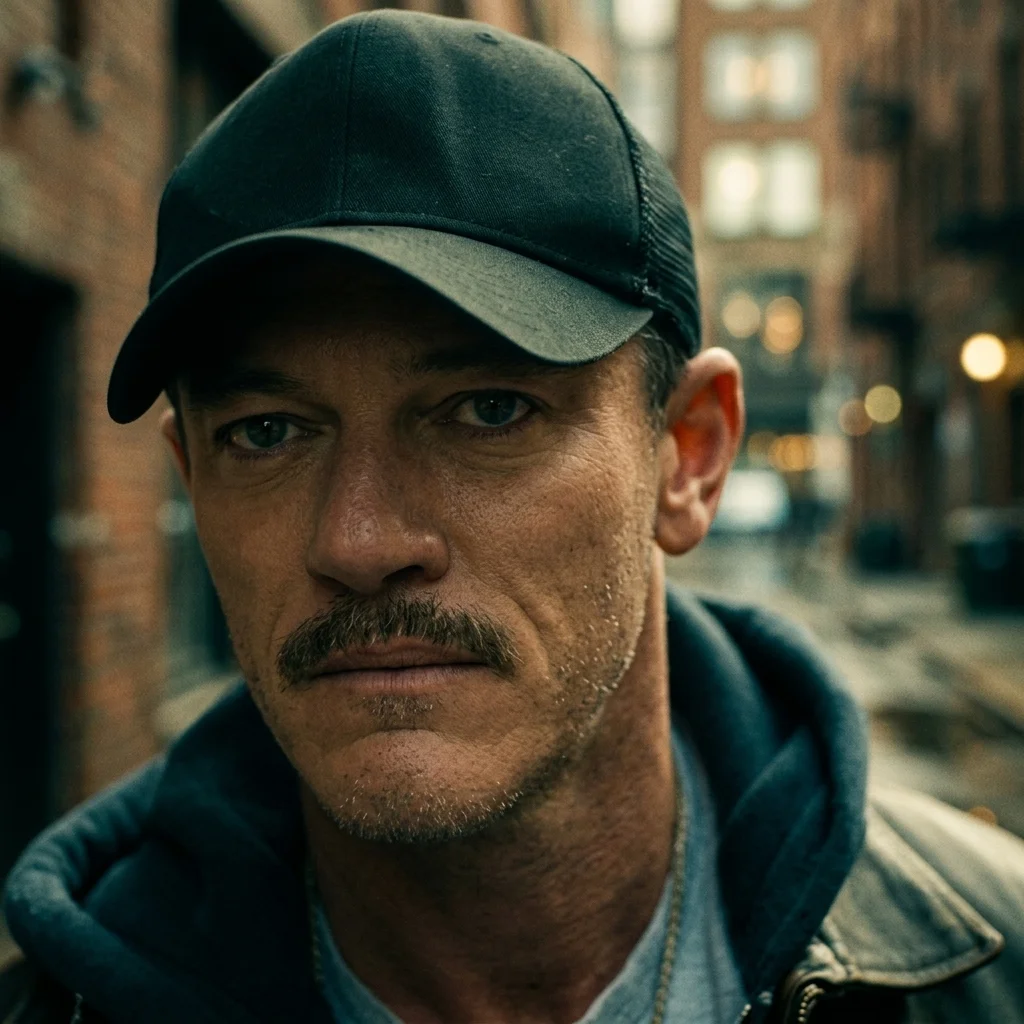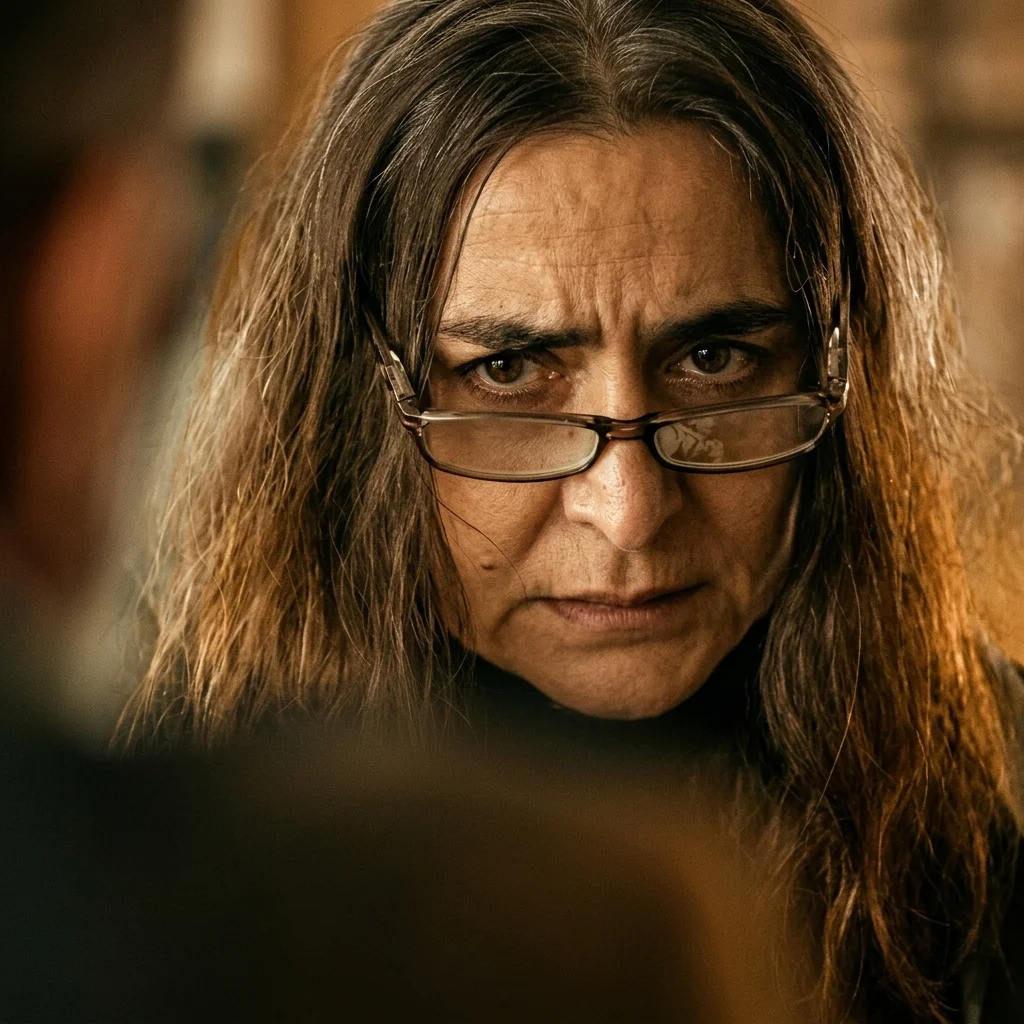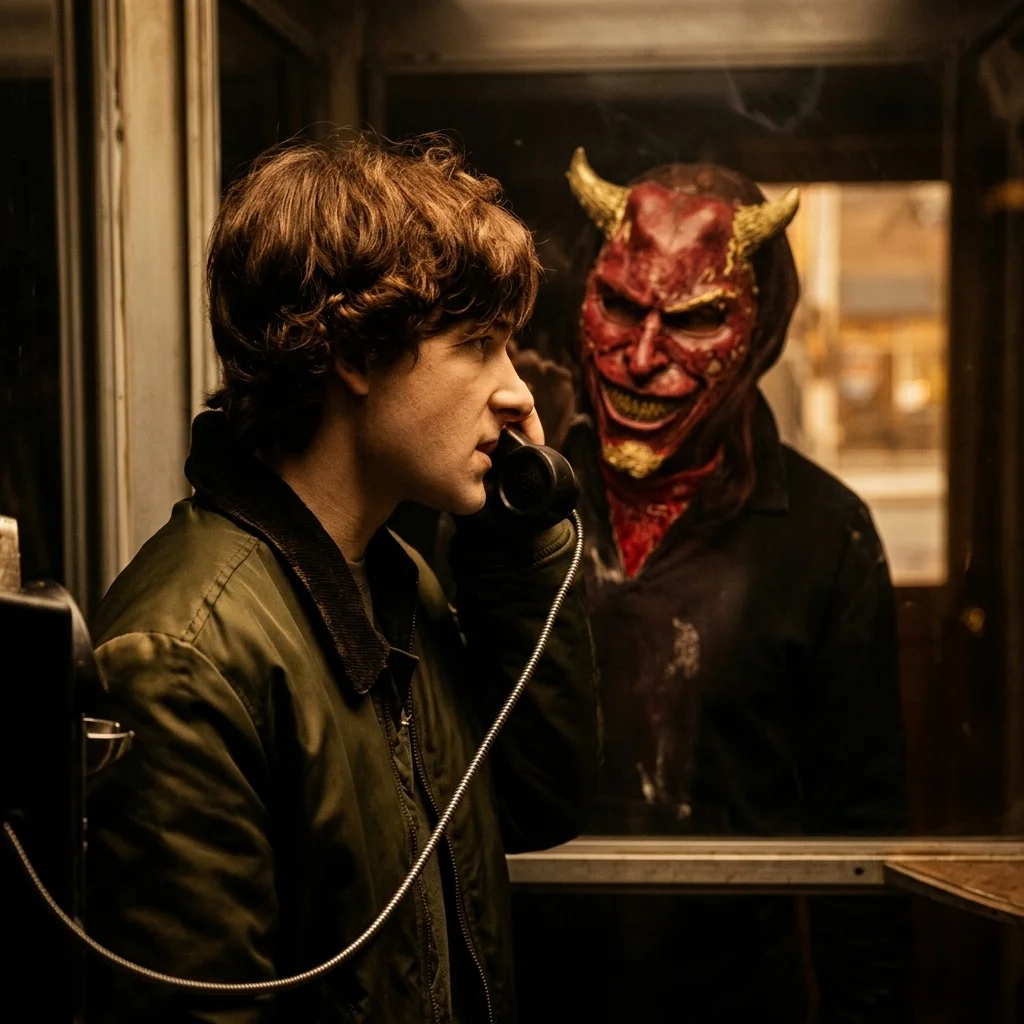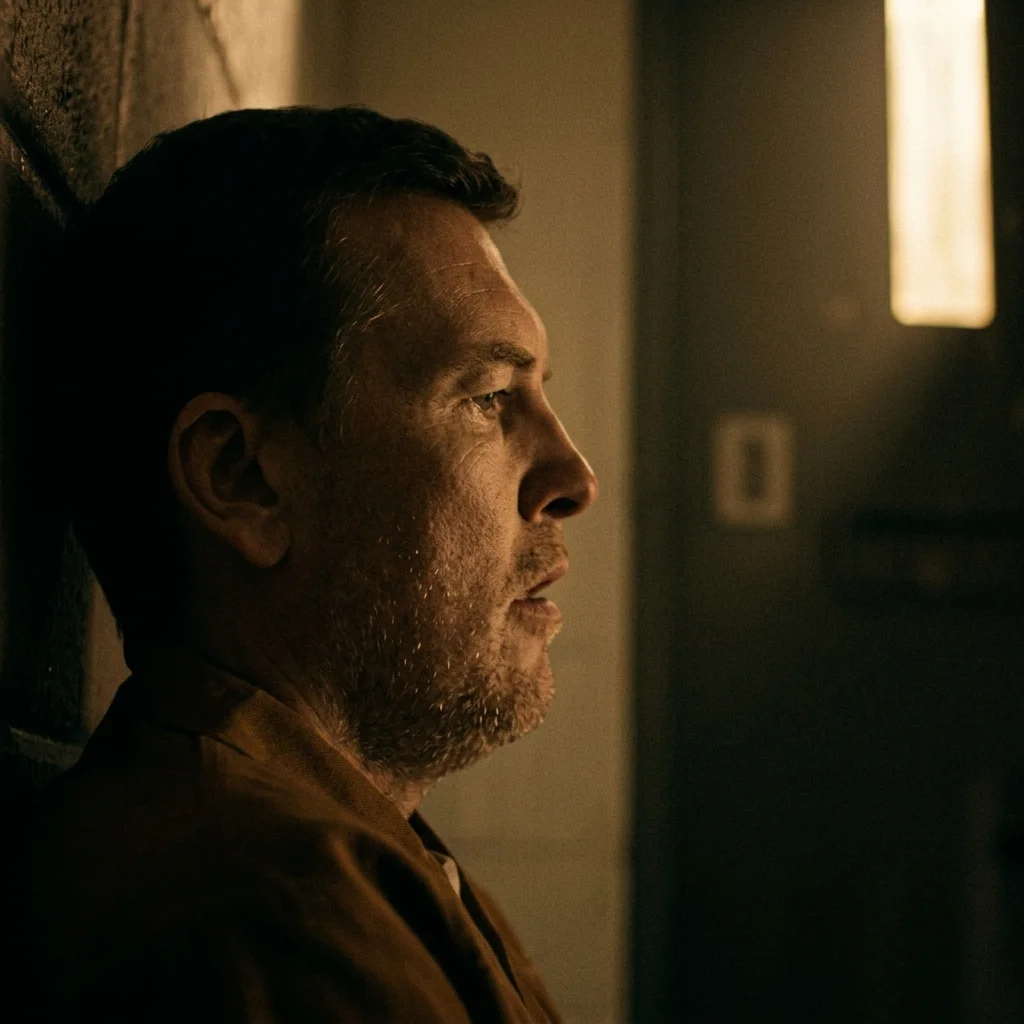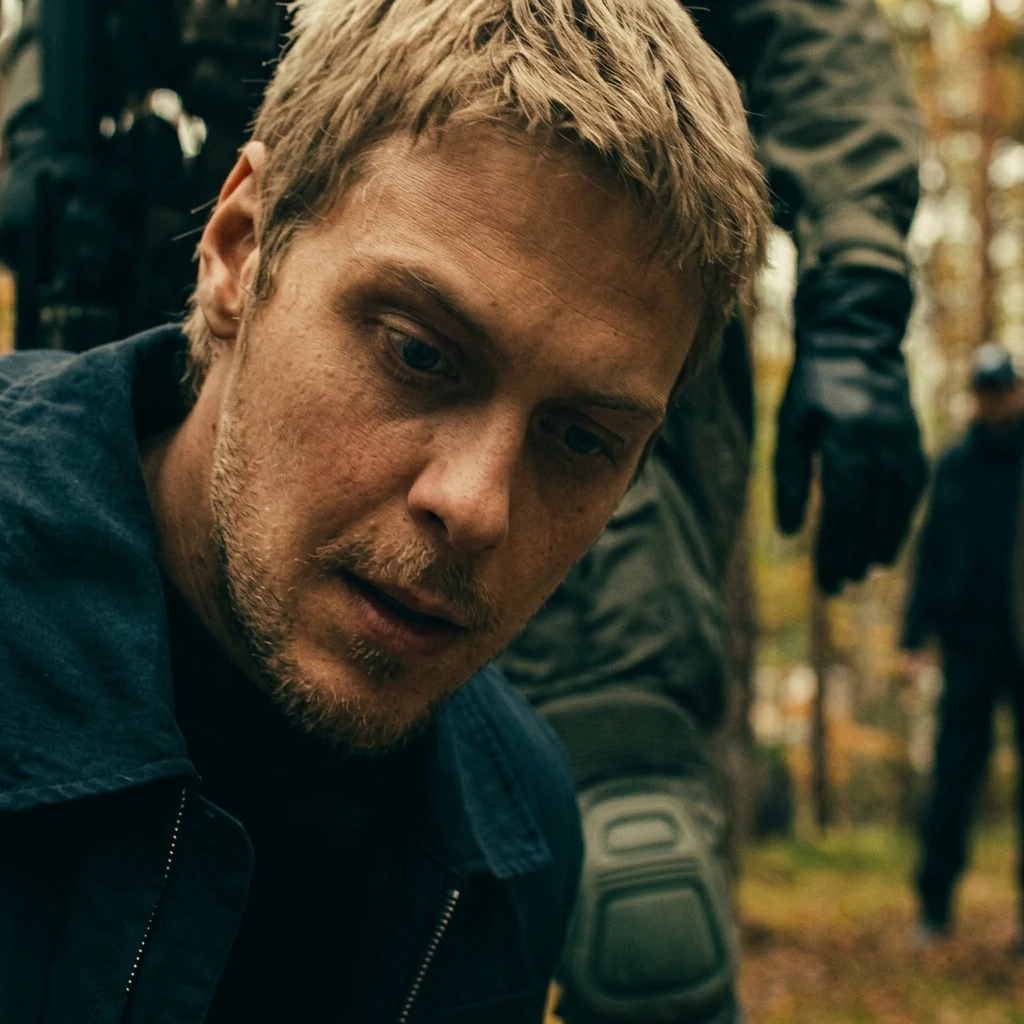
Colors of Evil: Black, the Polish thriller that climbed into Netflix’s Top 10 within days of its June 10 release, is built like a missing-child mystery and ends as something much darker: a portrait of an entire town that chose to look away. If you have finished it and want the knots untangled, here is who took the boy, why, whether he survives, and what that bleak final stretch is really about. This is the sequel to 2024’s Colors of Evil: Red, again directed by Adrian Panek and adapted from Małgorzata Oliwia Sobczak’s novel trilogy.
Full spoilers for the ending from here on. If you have not finished the film, turn back now.
Who Took Piotrus?
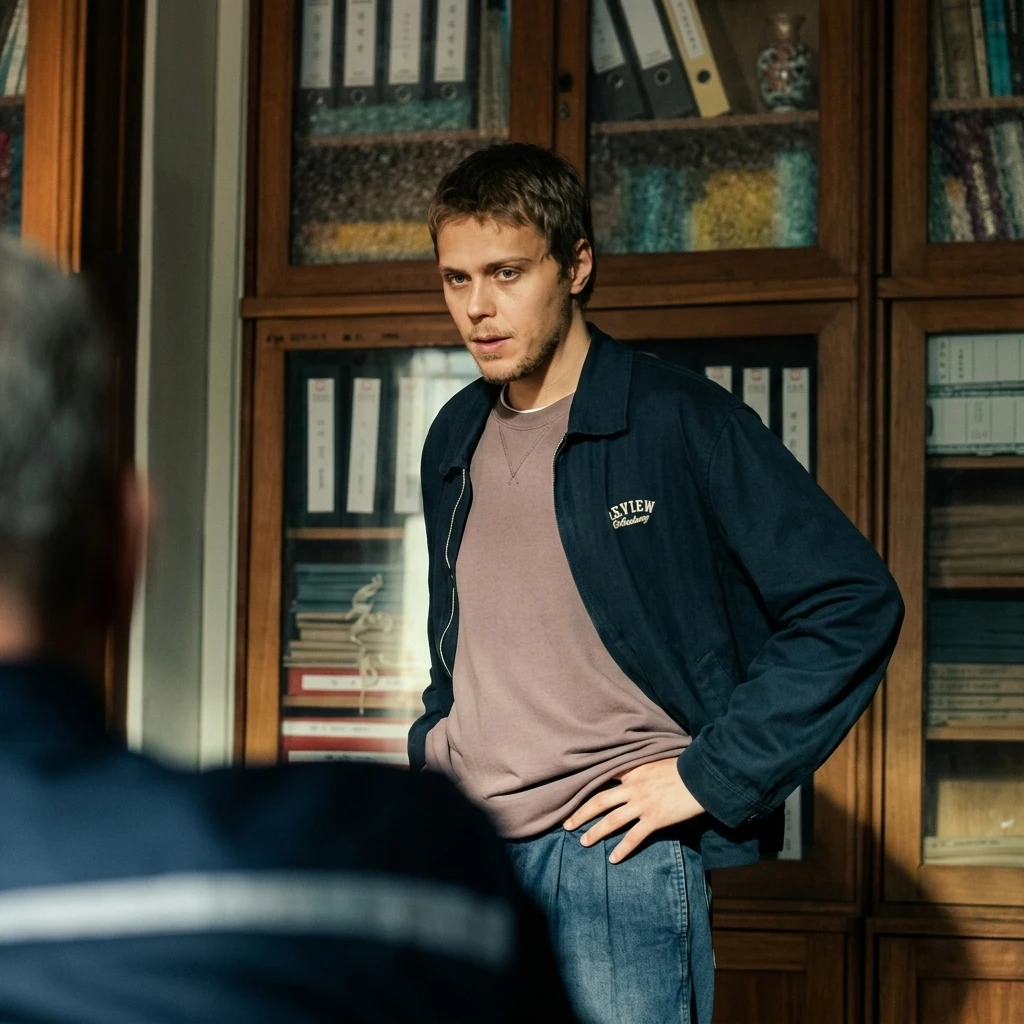
The boy is taken by Nicki, and the reveal lands hard because of who he turns out to be: the illegitimate son of Chojnacki, the powerful local meat-plant owner who sits at the center of everything rotten in this town. Chojnacki fathered Nicki with a fourteen-year-old girl from the church choir, and Nicki grew up shaped by that original violence. He was abused by his father and, as a child, watched his mother take her own life in front of him. By the time we meet him, he is a deeply traumatized man in the grip of a psychotic break. He is the hand that took Piotruś, but the film is careful to show he is also a product, another casualty of the same machine.

Why Did He Take the Boy?
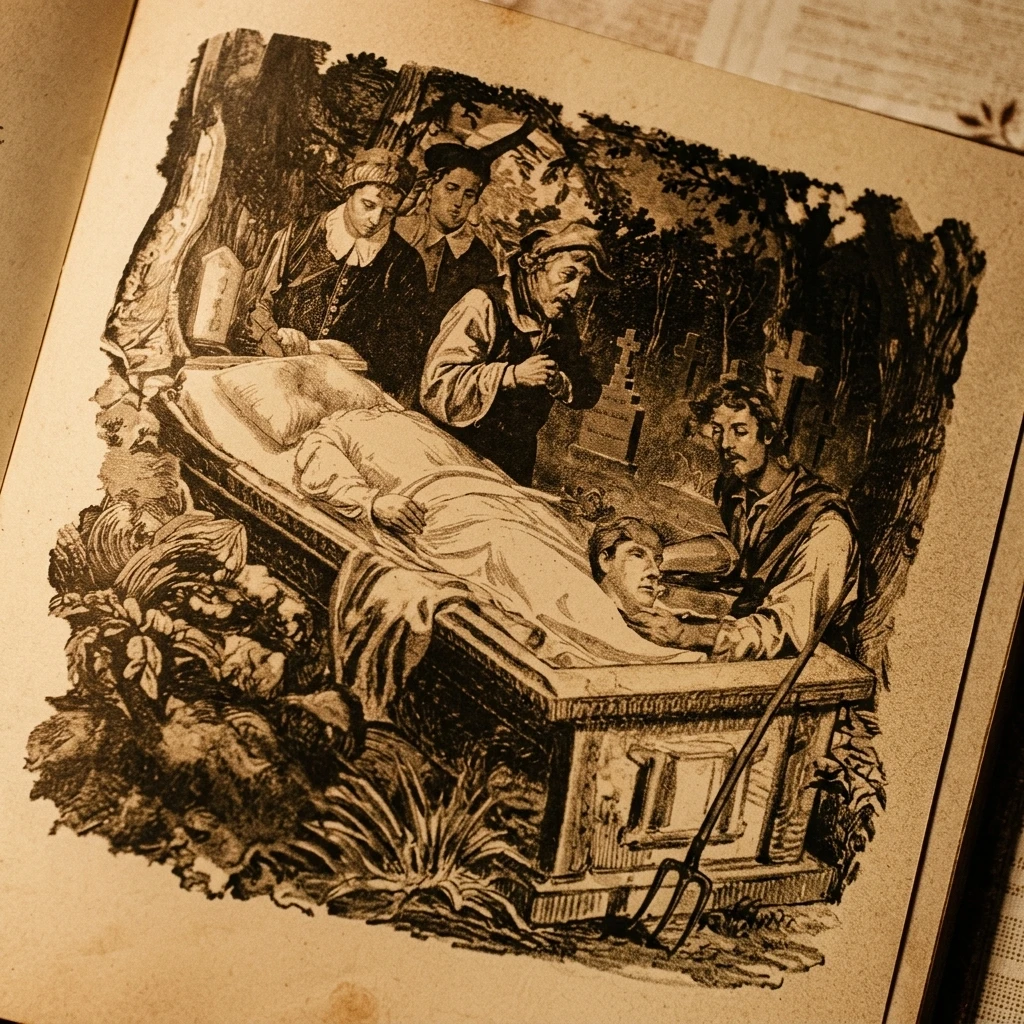
The motive is not random, and it is not really about Piotruś as a person. It comes out of an old local vampire legend. Piotruś was born with his amniotic sac intact, what folklore calls being “born with the caul,” a detail that superstition ties to vampires and marked children. Nicki happened to be sitting in a restaurant the first time Julia (Marianna Zydek), the assistant prosecutor, mentioned this fact in casual conversation. That overheard detail is what fixed the boy in his unraveling mind. The kidnapping was building toward a sacrificial ritual rooted in that legend, which is the engine driving the film’s final act.
Is Piotruś Found Alive?
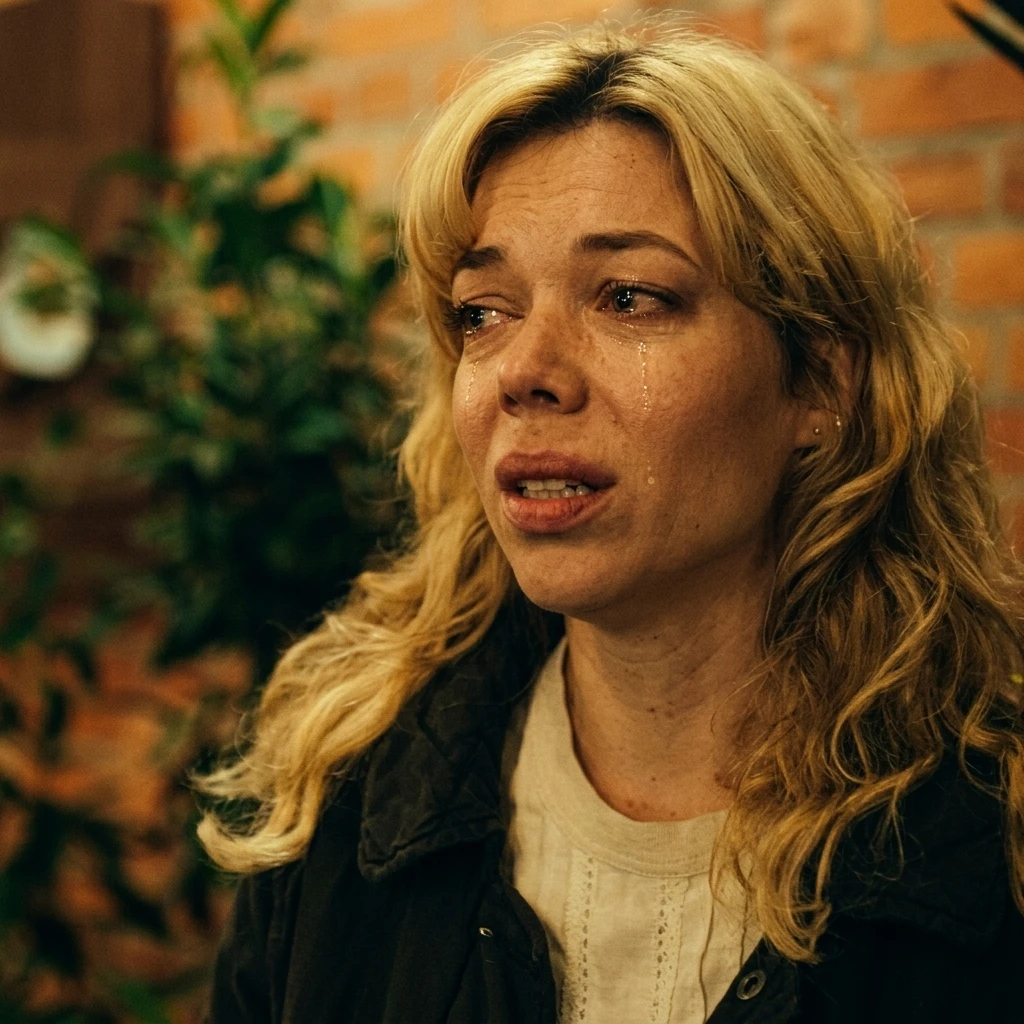
Yes. This is the one mercy the film allows. Because Nicki’s psychosis came on gradually rather than all at once, he did not kill Piotruś outright, and that hesitation is what saves the boy’s life. The police reach Nicki’s isolated house only minutes before he can carry out the ritual. Prosecutor Leopold Bilski (Jakub Gierszał) shoots Nicki in the arm before he can reach the boy, and Piotruś is recovered and returned to his mother alive. After everything the film puts you through, the child comes home.
What Was the Town Really Hiding?
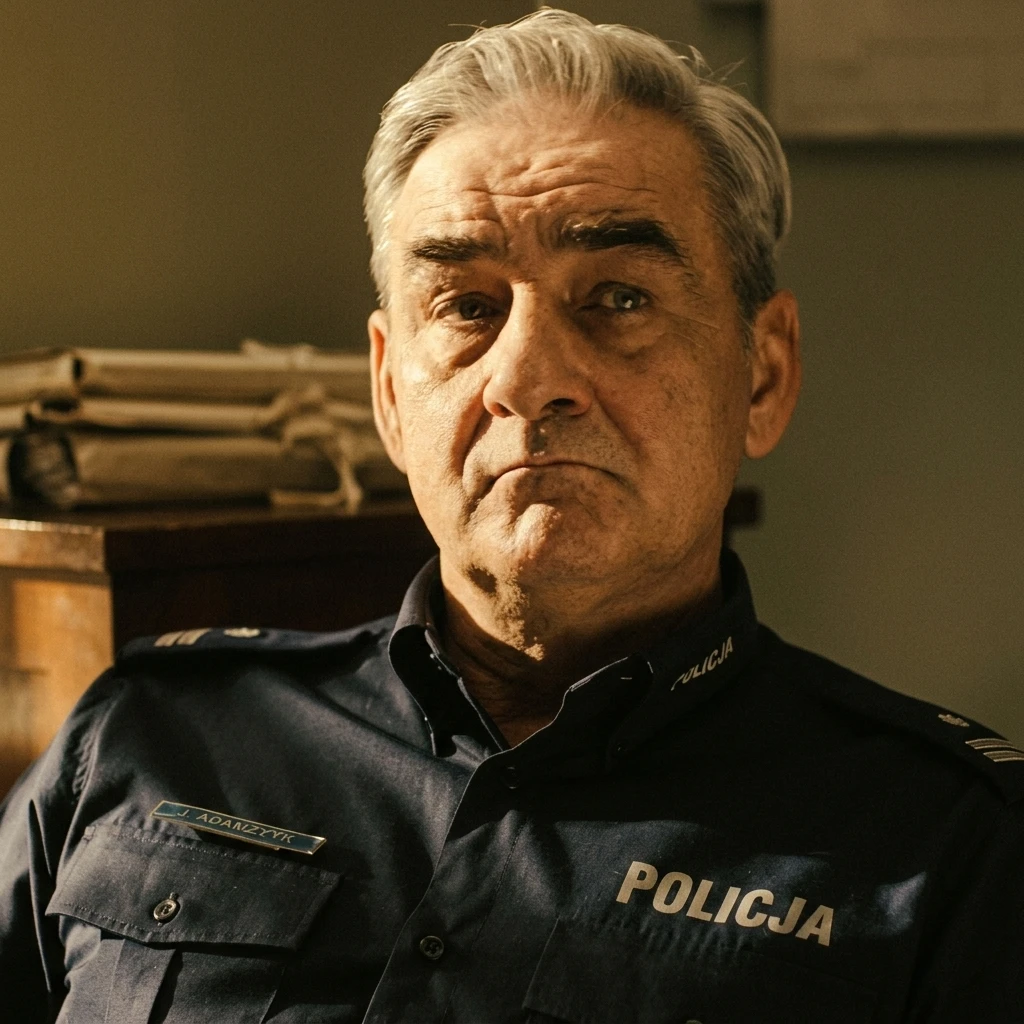
This is where Colors of Evil: Black stops being a whodunit, because the honest answer to “who is responsible” is almost everyone. Bilski’s search for one missing boy pulls up decades of buried sexual abuse, protected and covered up by the town’s most powerful people. Chojnacki was behind the wider ordeal, and it was on the orders of the Chojnacki family that Nicki had earlier killed Adam Poznański, not out of any ritual compulsion that time but as plain enforcement. Church officials and local authorities knew, or chose not to know, for years. The horror of the ending is not a single monster. It is a whole community that found it easier to stay silent than to look at what was happening to its children.
The Real Ending: Why There Is No Clean Closure
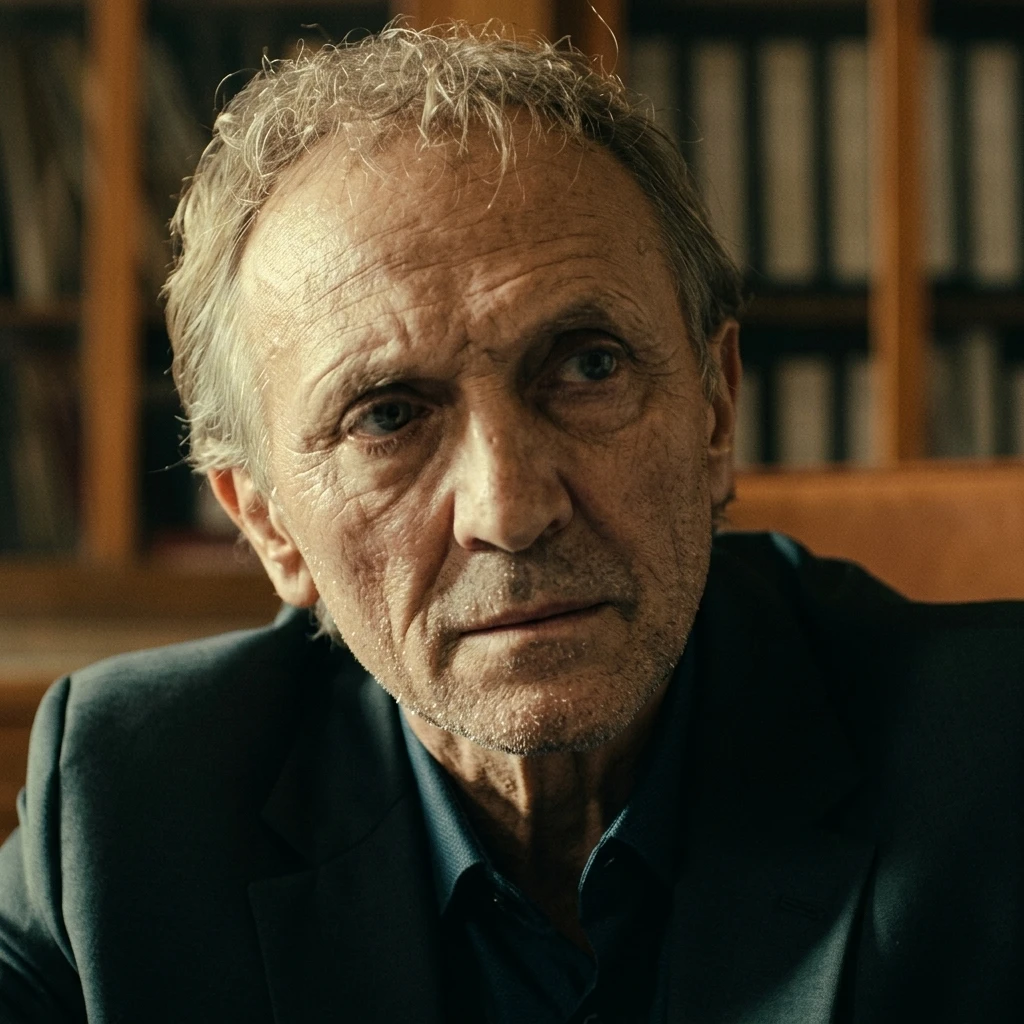
Bilski is stunned by the scale of it, and he refuses to do what the town has always done, which is swallow the truth. In the closing stretch he confronts Pakosz (Andrzej Chyra) directly, accusing him of being part of the conspiracy. But the film denies you the catharsis a standard thriller would hand over. Saving Piotruś does not undo the generations of damage, and exposing the rot does not magically heal a place built on it. The ending settles on something quieter and harder: the truth matters even when it cannot repair what was broken. Naming the silence is the only justice available, and it is an incomplete one.
Will There Be a Colors of Evil 3?
Almost certainly, eventually. The films are based on Sobczak’s trilogy, and only two of the three books have been adapted so far. Red was a surprise hit, Black has performed strongly and, by most accounts, deepened the material, so a third entry adapting the final novel is the natural next step. Nothing is officially confirmed yet, but the source material is sitting right there.
Why the Bleakness Is the Point
It would be easy to call this ending a downer and move on, but that misreads what the Colors of Evil films are doing. They belong to a strain of grim Northern European crime drama that treats evil not as a single killer to be caught but as something a community grows and protects in plain sight. By refusing the clean win, Black insists that the real crime was never just the kidnapping. It was the looking away, the decades of it, by people who told themselves they were good. Piotruś comes home, and the town does not get to feel absolved. That discomfort is the film keeping faith with its own title.