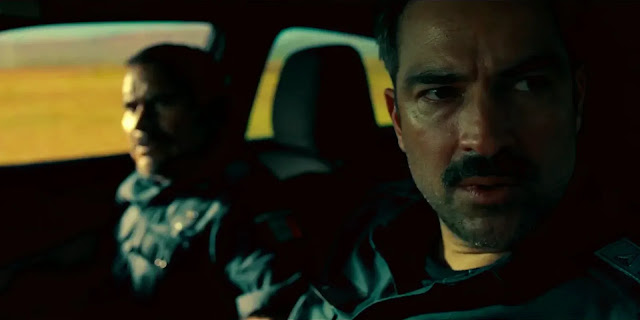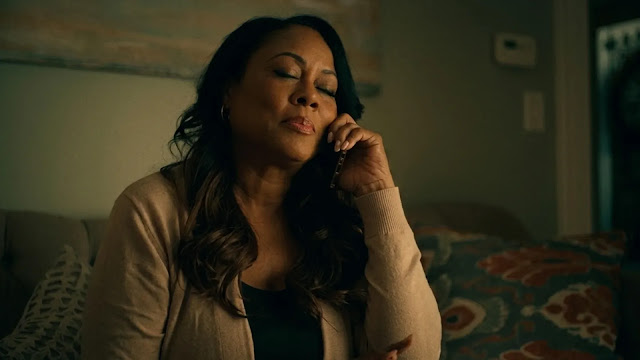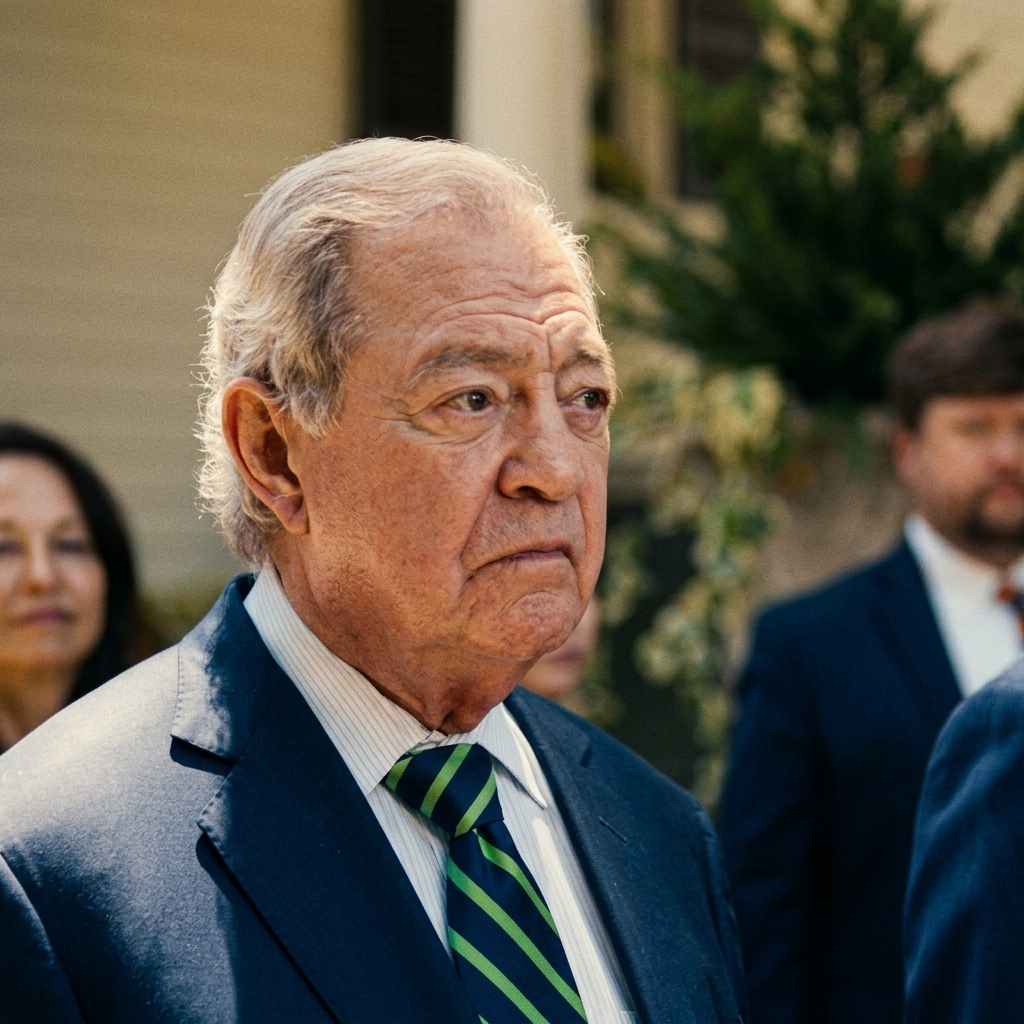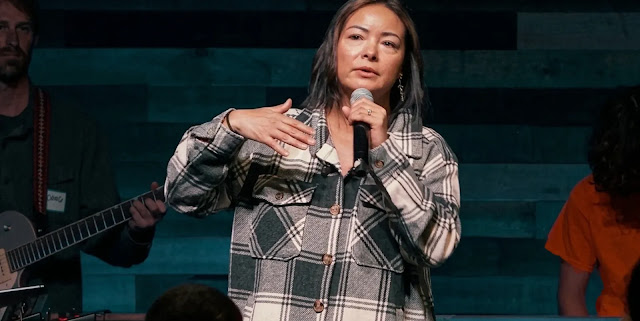
Mica Miller, the 30-year-old wife of a South Carolina pastor, was found dead at a North Carolina state park on April 27, 2024. Authorities ruled it a suicide, and the documentary does not dispute that. So if you came looking for a hidden killer, Death of the Pastor’s Wife is not that kind of true-crime story. The three-part Netflix series is about something harder and sadder: the months of documented fear that led up to that day, the many times Mica asked the authorities for help, the protective order she was denied, and the federal charges her husband is facing now. It is a film about everything a suicide ruling can be technically true about and still leave unexplained.
What the Timeline Shows
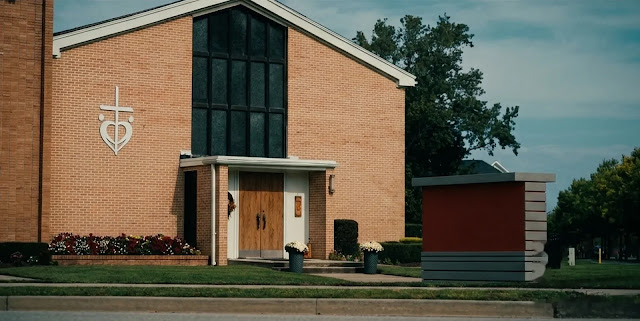
Mica’s family moved to Myrtle Beach when she was thirteen, and it was there they joined Solid Rock Church, led by pastor John-Paul Miller. Mica became the church’s worship leader as a teenager and later married Miller at that same church. By early 2024 the marriage was falling apart. According to the case record, Mica told police about a month before her death that she was afraid for her life. She had reported a slashed tire and a tracking device hidden in her car, and her request for a no-contact order was denied. In all, she reached out to law enforcement at least fourteen times. Her husband was served divorce papers on April 25. Two days later, surveillance footage showed Mica buying a handgun at a pawn shop, driving across the state line to Lumber River State Park, and placing a 911 call at 2:54 p.m. “I’m about to kill myself and I just want my family to know where to find me,” she told the dispatcher, asking them to trace her phone. Her death was ruled a suicide by a self-inflicted gunshot.
The Charge That Came Later
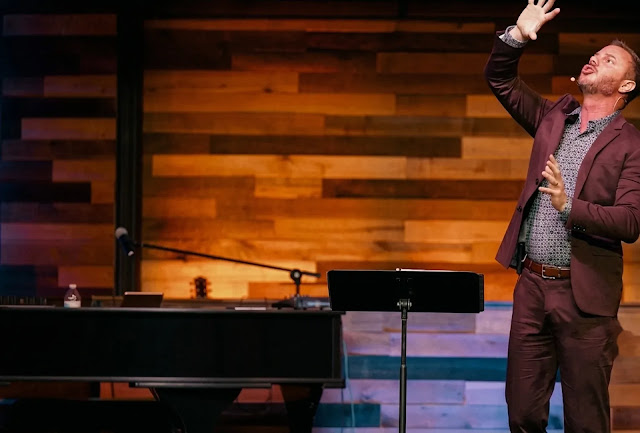
That might have been where an ordinary file closed. It did not. In December 2025, a federal grand jury indicted John-Paul Miller on charges of cyberstalking Mica in the period before her death and making false statements to federal investigators. Prosecutors allege he sent her harassing messages, interfered with her finances and daily life, and posted a private image of her online without her consent. Miller has not been convicted, the case is still moving through federal court, and he has denied wrongdoing. He did acknowledge hiring a private investigator to track her, which he said was meant to stop her from buying a gun. None of that changes how Mica died. What it does is put a legal name to the pressure the people around her say she had been living under, the same slow institutional grind that A Toxic Love Story traced from a different angle.
What the Documentary Is Really After
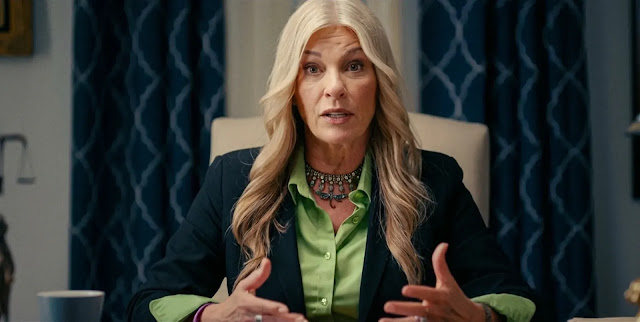
Directors Julia Willoughby Nason and Michael Gasparro made American Murder: Gabby Petito and Murdaugh Murders, and they carry the same instinct here, keeping the camera on Mica and giving the surrounding spectacle no oxygen. The series is built from firsthand accounts, home footage, and interviews with the friends and family who knew her, so the telling comes from the people closest to it. The series does not stage a whodunit or promise a last-minute twist, because the coroner already answered how Mica died. Its real subject is the gap between that answer and the question the people who loved her keep asking. How does a woman who contacted the authorities more than a dozen times, who named her fear and put it on the record, still end up alone in a park with a gun she bought that afternoon? Federal investigators later took over what local authorities had closed, and her family has spent two years pushing for that reexamination. The case first went national on TikTok, where the official “suicide” and the public’s suspicion collided loudly. The film is quieter than that feed, and it centers the victim the way The Idaho Murders did, but it lands in the same uncomfortable place. A ruling can close a file without closing a case. There is even proposed legislation now, informally called Mica’s Law, aimed at the protective-order gaps her story exposed.
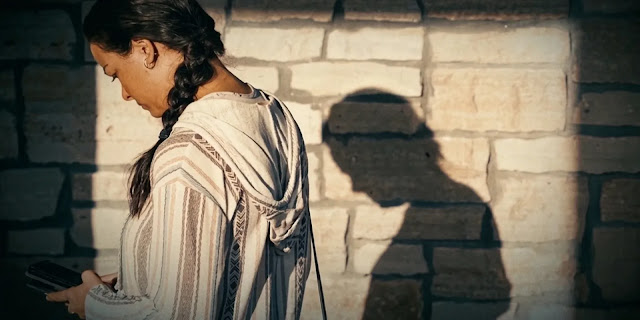
What stays with you is not a theory about that afternoon. It is the arithmetic before it: the repeated calls, the denied order, the slashed tire, the hidden tracker, a fear stated plainly and on the record. Death of the Pastor’s Wife does not hand you the satisfaction of a solved crime, and it is not trying to. It sits instead with a harder fact, that a person can do everything she is told to do, ask for help in all the right places, and still not be reached in time. No film can solve that. It can only ask you not to look away.
If you or someone you know is struggling, the 988 Suicide and Crisis Lifeline offers free, confidential support in the US, by call or text, around the clock.