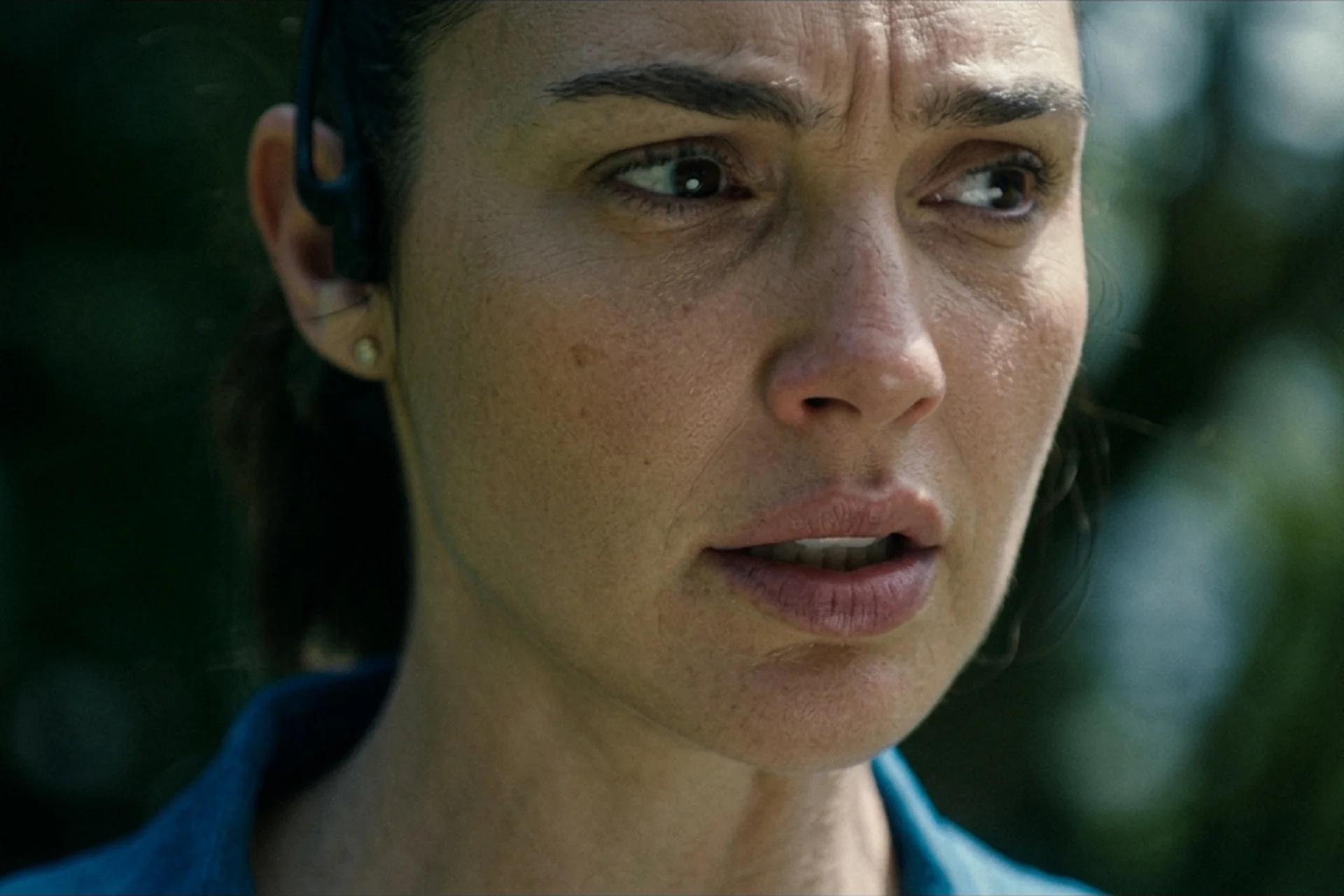
There’s a moment near the end of The WONDERfools where everyone is gathered for Eun Chae-ni’s memorial. She teleported away with a blimp full of dangerous chemicals to save the city, and no one has seen her since. The people who love her have accepted that she’s gone. And then she walks in.
I’ve watched a lot of drama finales. I know how the “protagonist returns from the dead” beat usually works — the music swells, someone gasps, tears are shed on cue. What got me about this moment wasn’t the reunion itself. It was how utterly undramatic Chae-ni makes it. She shows up on her own 49th day memorial the way you’d show up late to a party you forgot about — slightly sheepish, looking for her grandmother. Park Eun-bin plays it like the most natural thing in the world, and somehow that restraint hits harder than any swelling orchestral moment could.
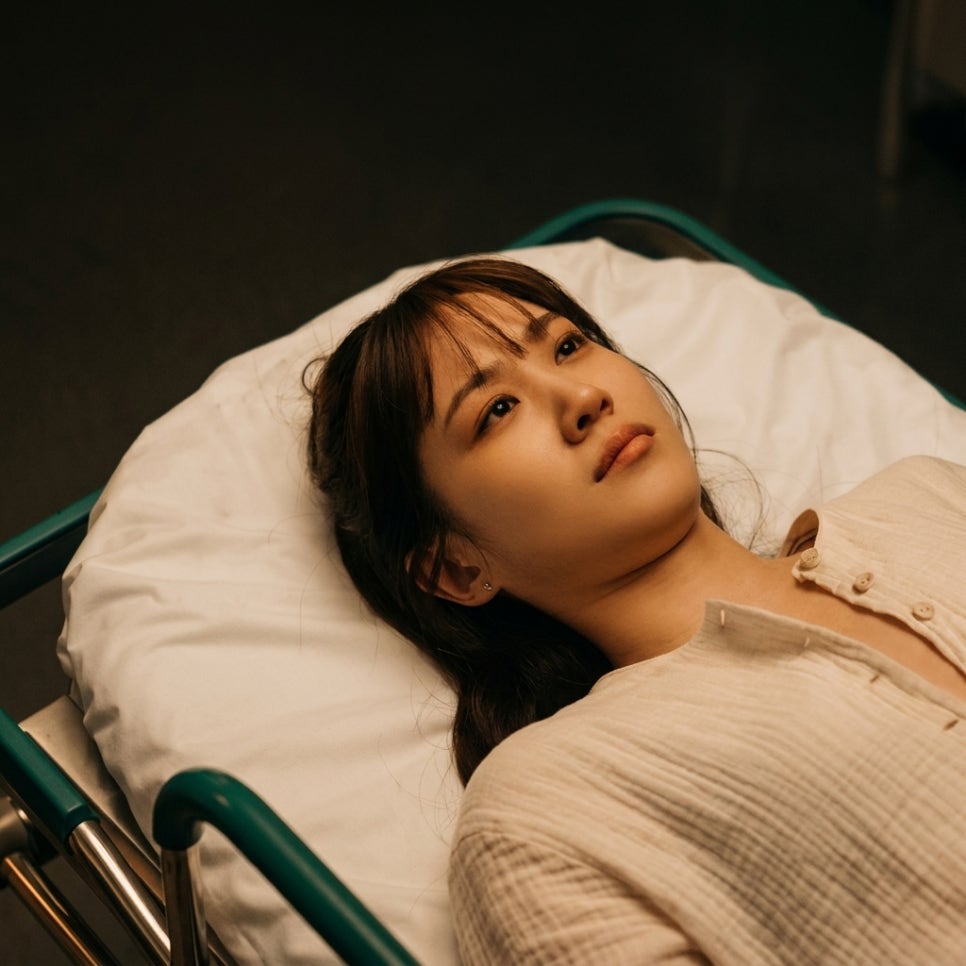
That, in a nutshell, is what The WONDERfools does right — and what Park Eun-bin does better than almost anyone working in Korean drama right now.
Netflix dropped all eight episodes on May 15, 2026, and it landed with quiet confidence — the kind that only comes from a team that knows exactly what they’re making.
Director Yoo In-sik, who previously gave us Extraordinary Attorney Woo with the same lead actress, and screenwriter Heo Da-jung chose 1999 as their setting — the tail end of the millennium, when people genuinely didn’t know what was coming next. It’s a clever backdrop for a show about ordinary people suddenly thrust into extraordinary circumstances. Everyone in 1999 was waiting to see if the world would end. Most of them were just trying to get through the day.
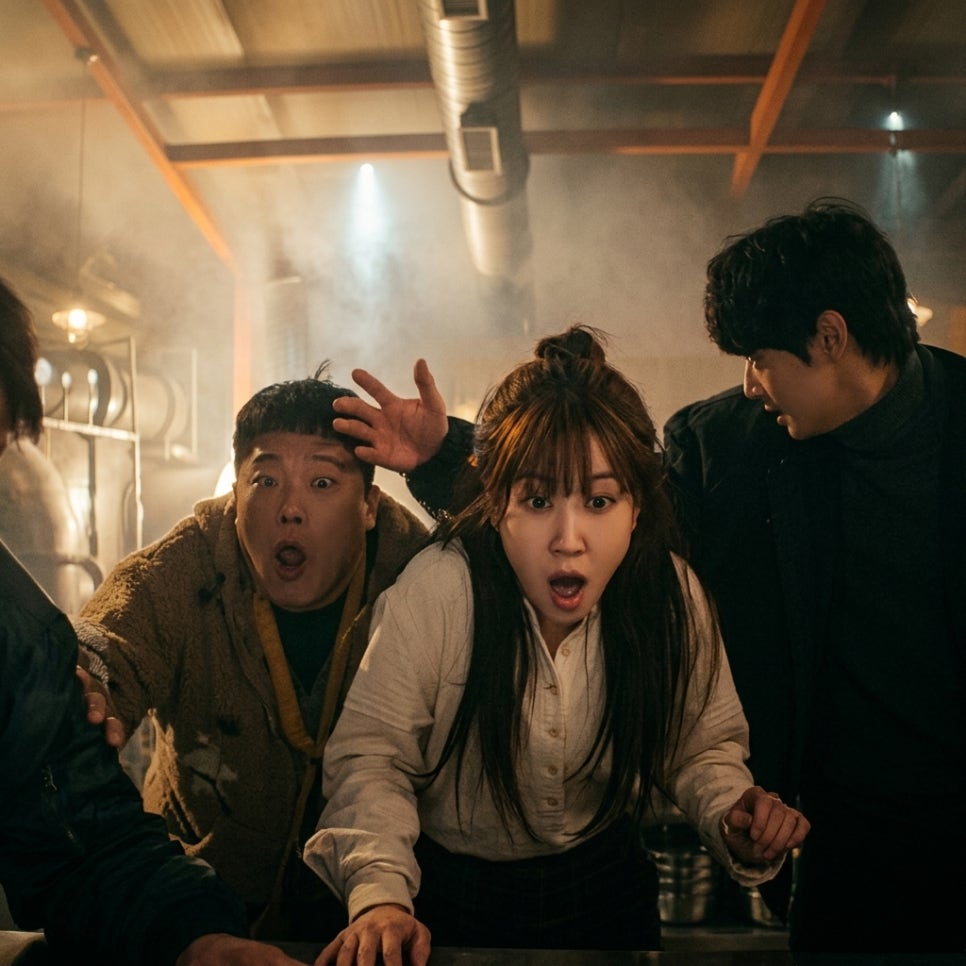
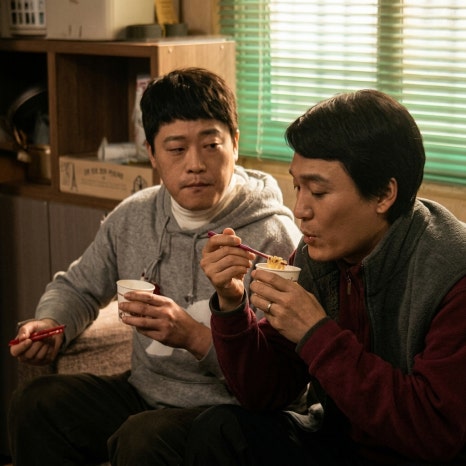
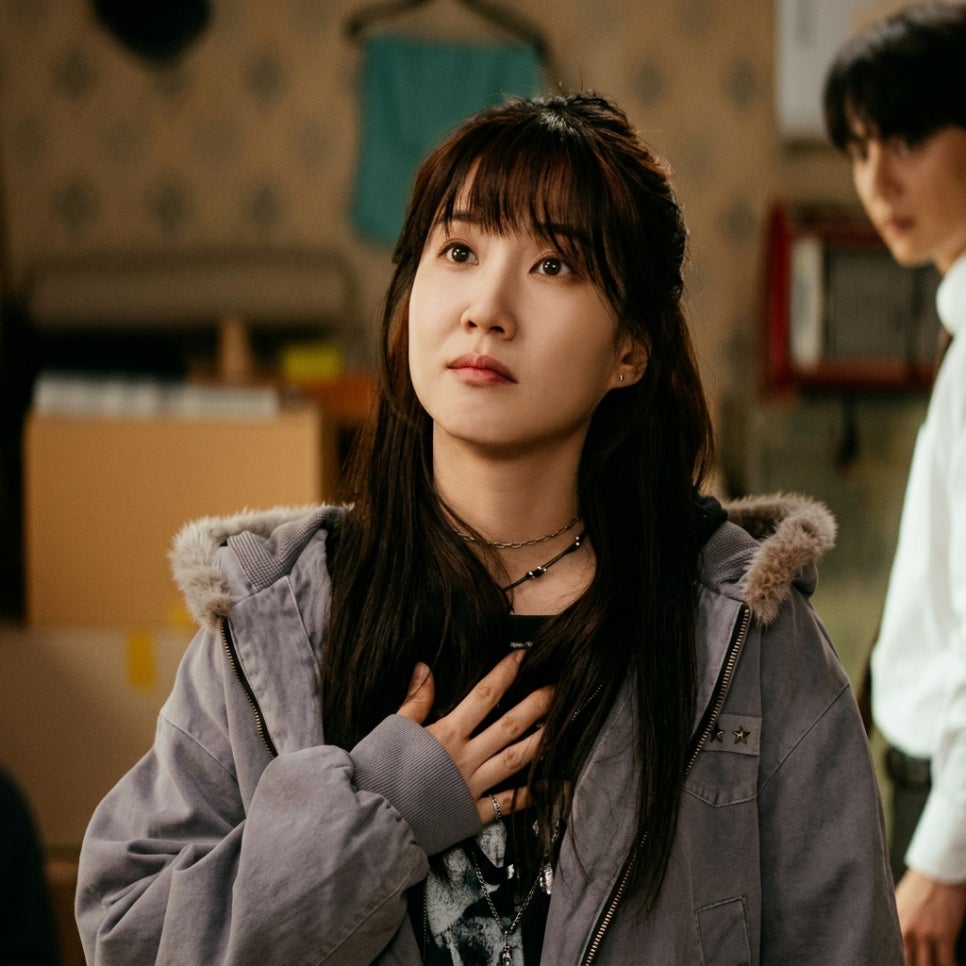
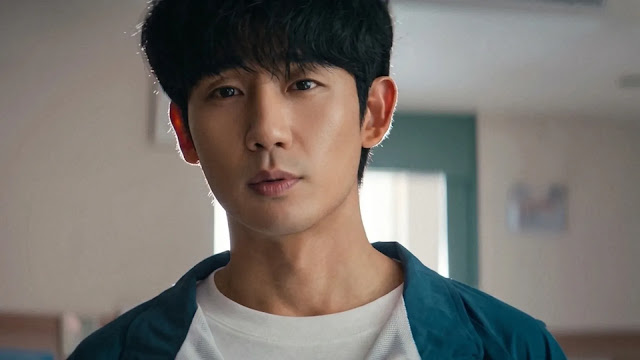
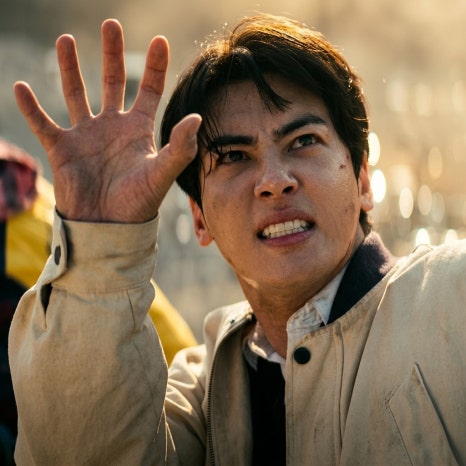
Chae-ni is that kind of person. She’s not waiting to be chosen. She’s barely getting by — sick, stuck in Haeseong City, known around town as someone who causes trouble without meaning to. Son Kyung-hoon (Choi Dae-hoon) is the city hall employee everyone complains to and no one listens to. Kang Ro-bin (Im Seong-jae) is the local pushover. When these three stumble into superpowers — teleportation, telekinesis, and abilities none of them asked for — none of them have any idea what to do with them.
That confusion is where the show finds most of its comedy. But it’s also where it finds its heart.
The villain, Ha Won-do (Son Hyun-joo), is a scientist who has spent decades chasing eternal life through the Wunderkinder project. He’s not a monster in the theatrical sense — he’s a man who convinced himself that his obsession was noble, and Son Hyun-joo plays him with just enough wounded dignity to make him genuinely unsettling. When his plan to drug the entire city fails and Chae-ni carries the blimp away at what seems like mortal cost, the show earns its emotional resolution precisely because it refuses to make the choice feel heroic in an obvious way. She doesn’t give a speech. She doesn’t say goodbye. She just goes.
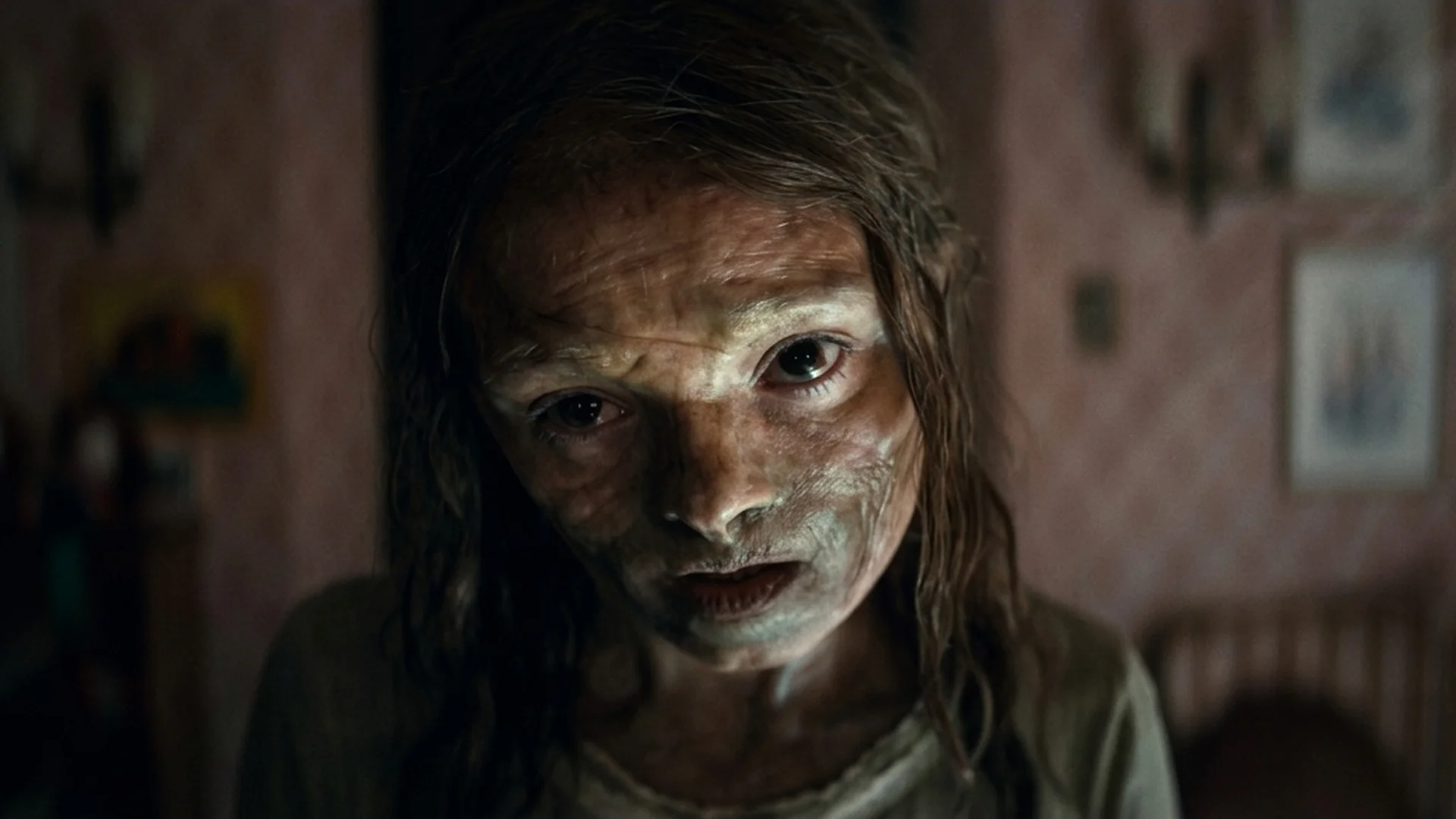
The revelation that Chae-ni survived because of the Eternal Child — a child with regenerative abilities whose heart her grandmother had transplanted into her decades earlier, without fully understanding what it meant — reframes the entire series in a single beat. She was never just a clumsy teleporter. She was carrying someone else’s impossible gift without knowing it. That’s a genuinely moving piece of mythmaking, and it lands because the show has spent eight episodes making us care about Chae-ni as a person rather than as a superpower delivery system. The cookie scene, where Ha Won-do opens his eyes beneath the rubble and begins to regenerate, sets up a second season with the kind of confidence that feels earned rather than desperate.
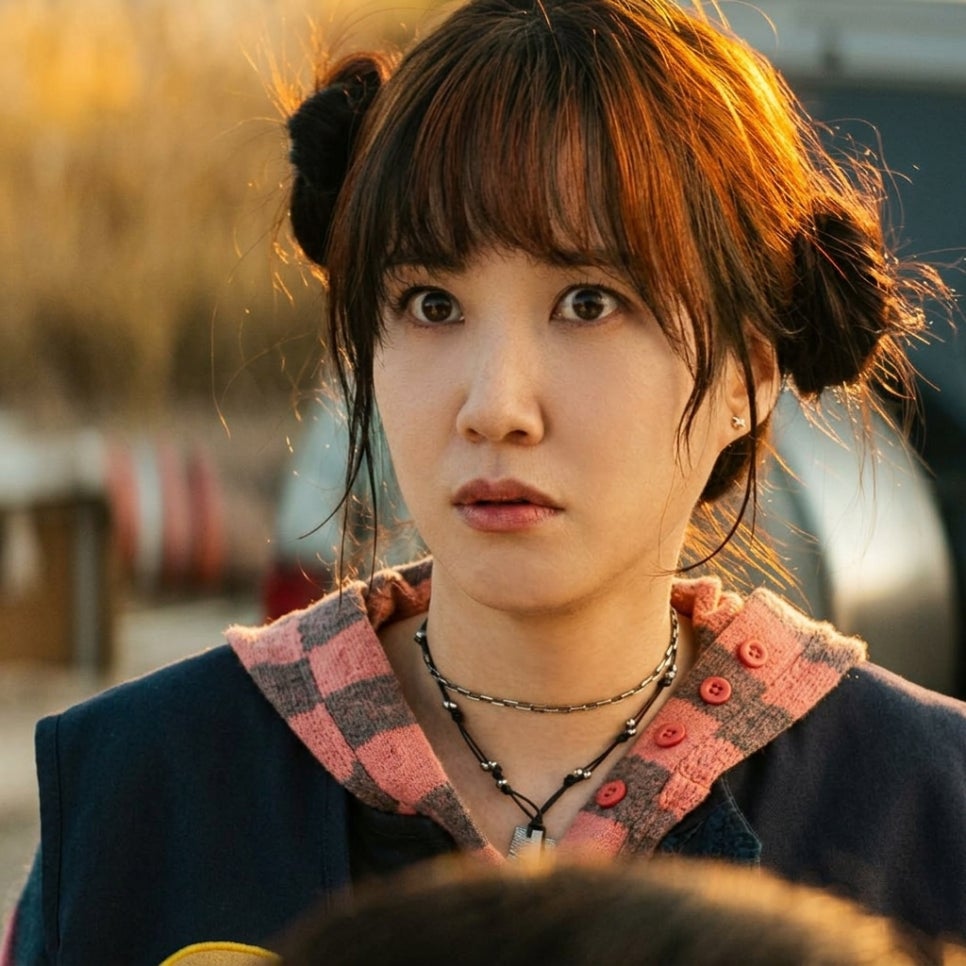
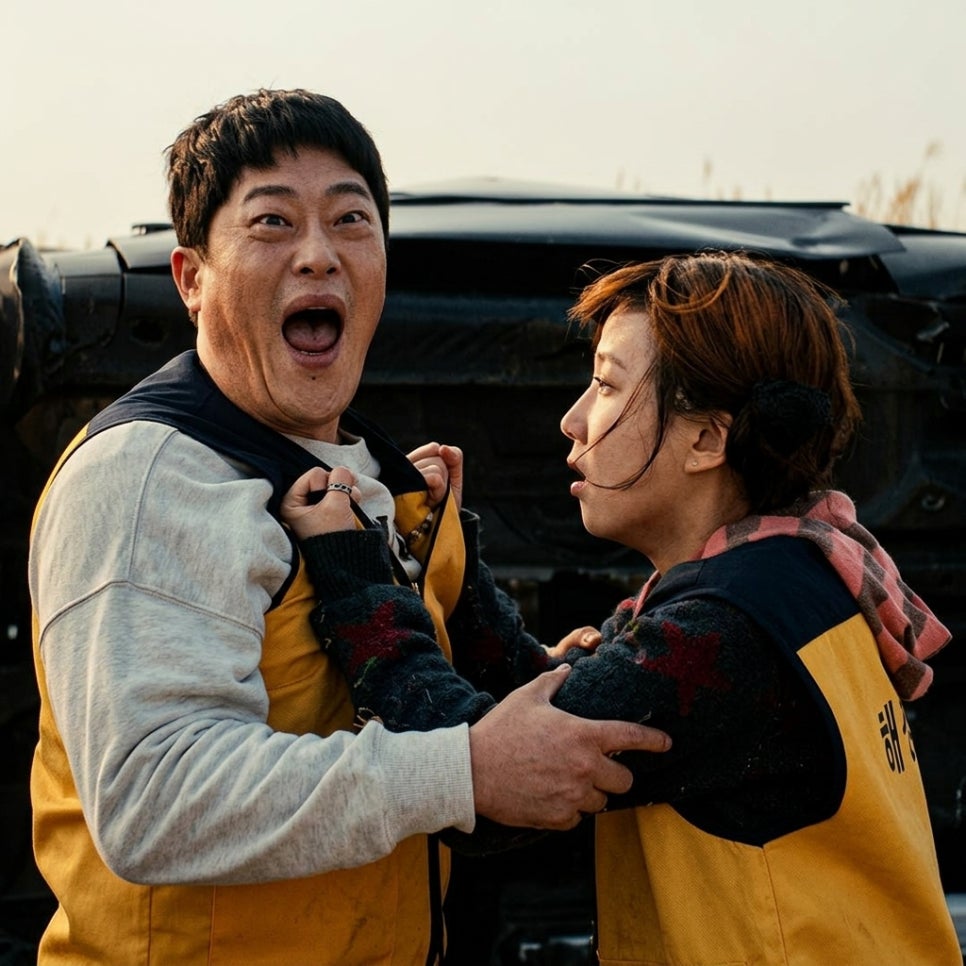
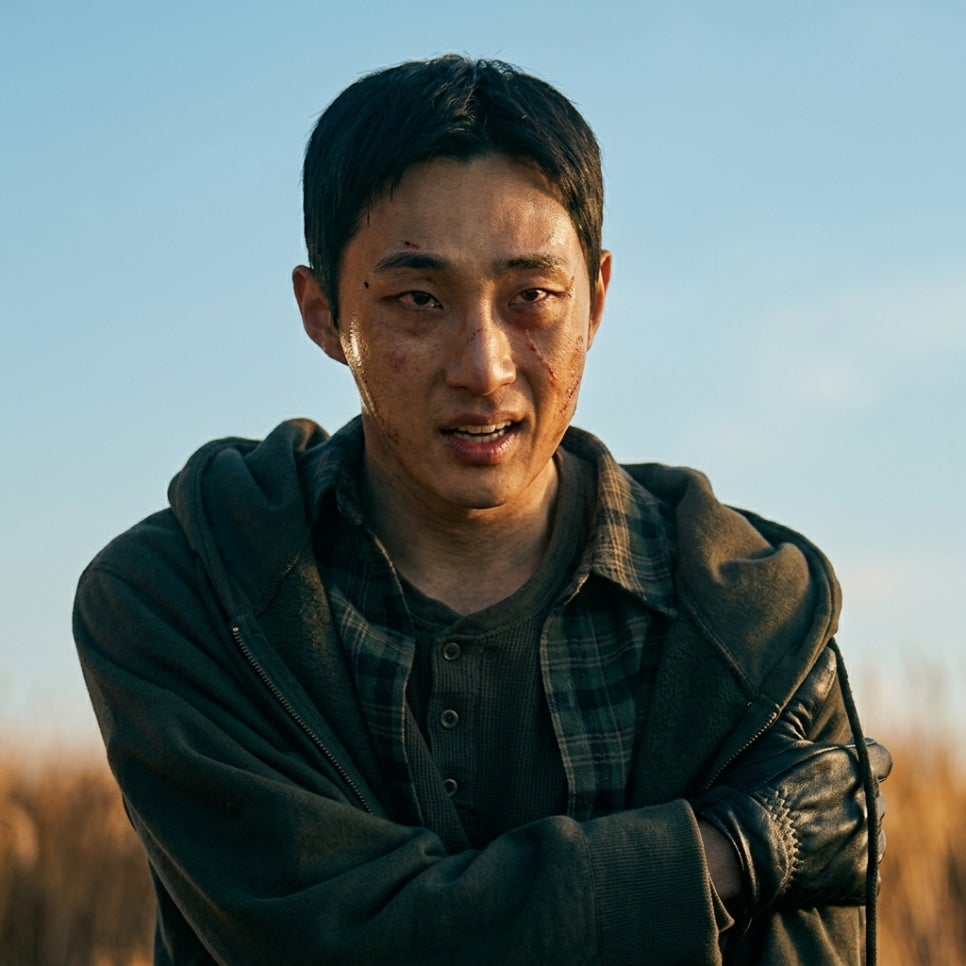
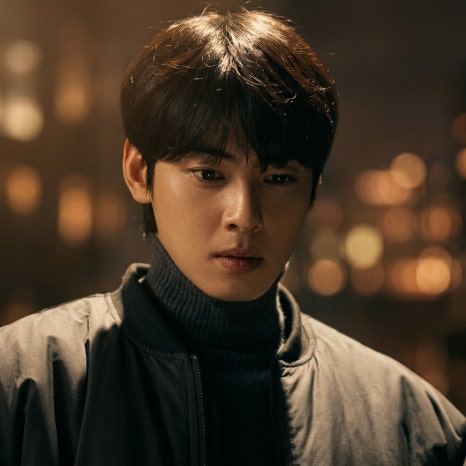
Here’s the honest part: this show asks Park Eun-bin to do an enormous amount of work. There are scenes where the writing around her is thinner than it should be — the romance between Chae-ni and Lee Woon-jung (Cha Eun-woo) develops in fits and starts, and some of the supporting character arcs feel rushed in the back half. Cha Eun-woo is appealing and believable in a role that doesn’t give him quite enough to do until the finale, where his reconnection with his birth mother lands with quiet weight. But Park Eun-bin doesn’t seem to notice any of this. She moves through comedy and grief and physical action and small domestic moments with the kind of ease that makes you forget you’re watching technique. The scene where she laughs and cries at the same time — genuinely, not in the calculated way that acting teachers describe — is the kind of thing you don’t manufacture. You either have it or you don’t.
She has it.
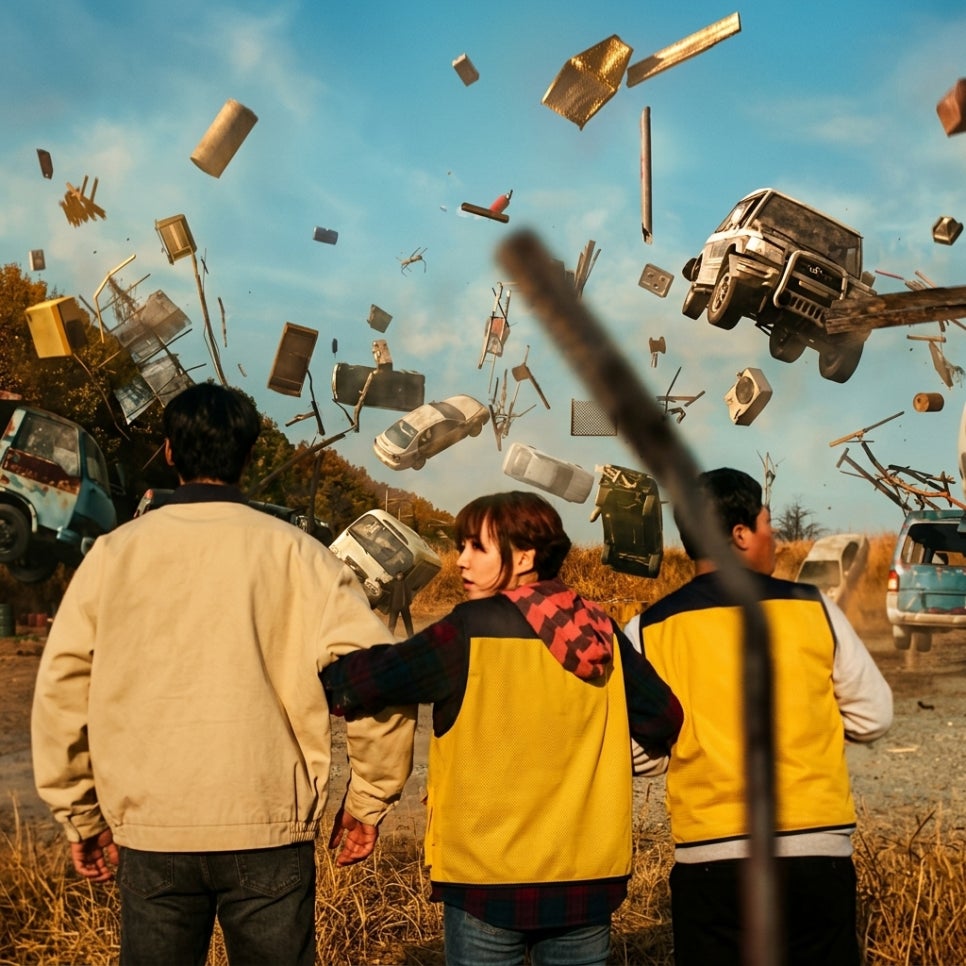
There’s something resonant about setting a story about hidden abilities and unexpected heroism in the last year of the twentieth century. 1999 was a year defined by anticipation and dread in equal measure. People were bracing for something, and most of them didn’t know what. The WONDERfools uses that collective uncertainty as an emotional key — these are people who weren’t expecting to matter, in a moment when nothing was certain, discovering that they do. That feeling translates across languages and time zones, which is probably why the show accumulated 2.7 million viewing hours in its first three days on Netflix and found audiences in 25 countries.
The core question it’s asking is timeless: what do you do when you’re handed something you never asked for, and it turns out to be exactly what someone else needed?
Chae-ni’s answer, as it happens, is to show up to her own memorial and look for her grandmother.
That’s enough.