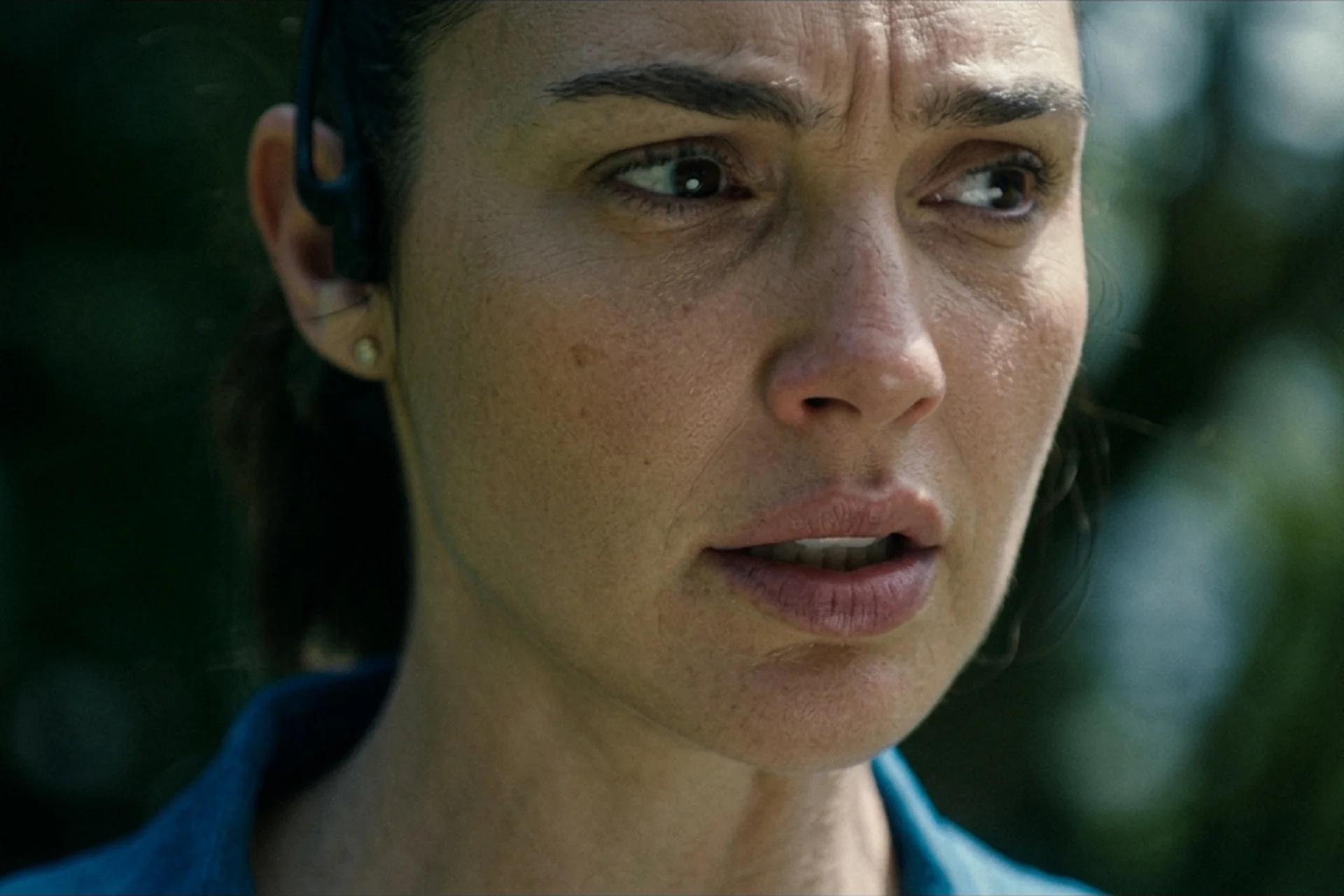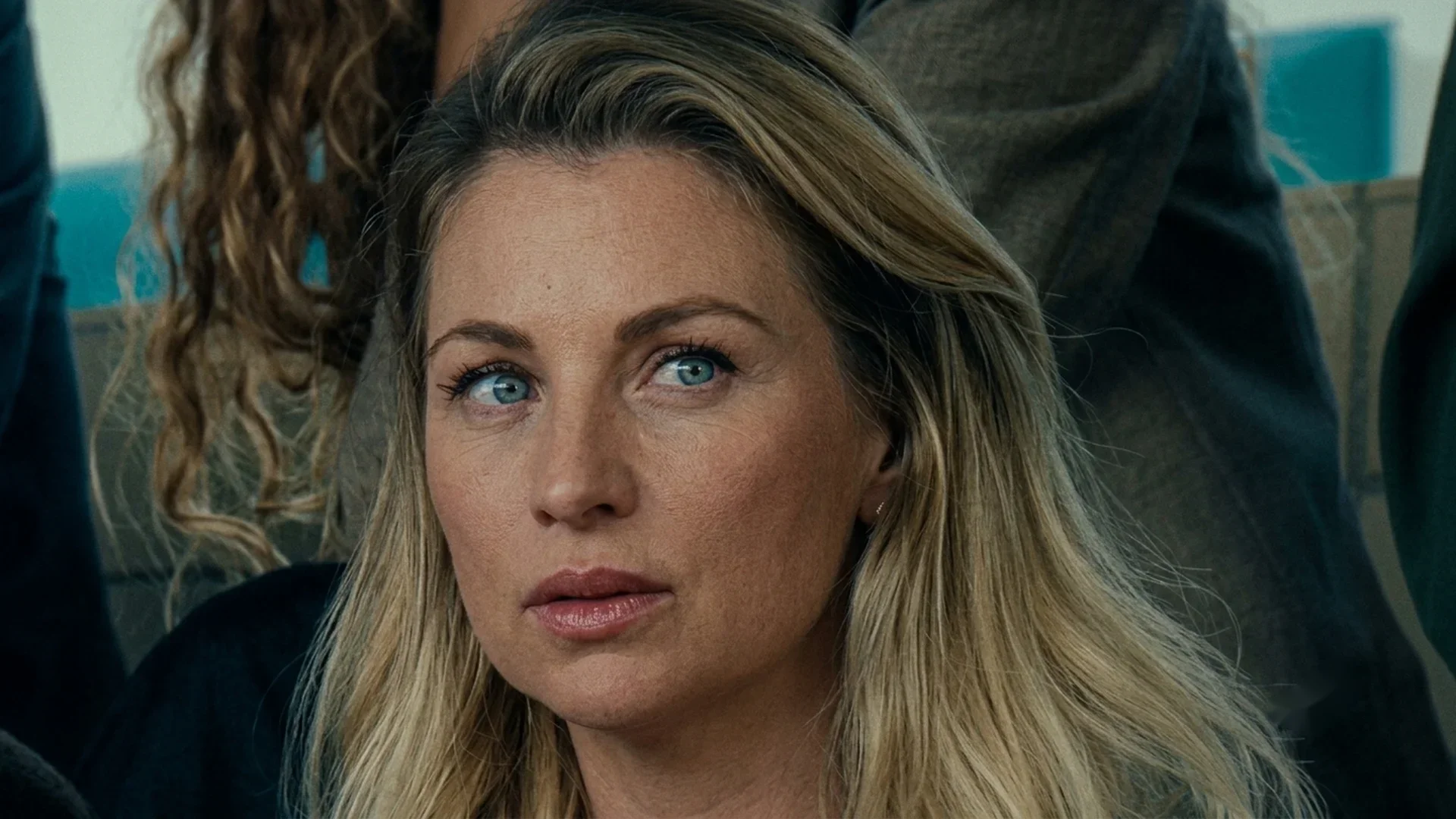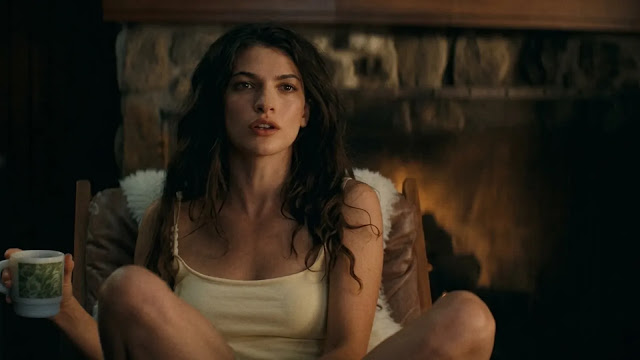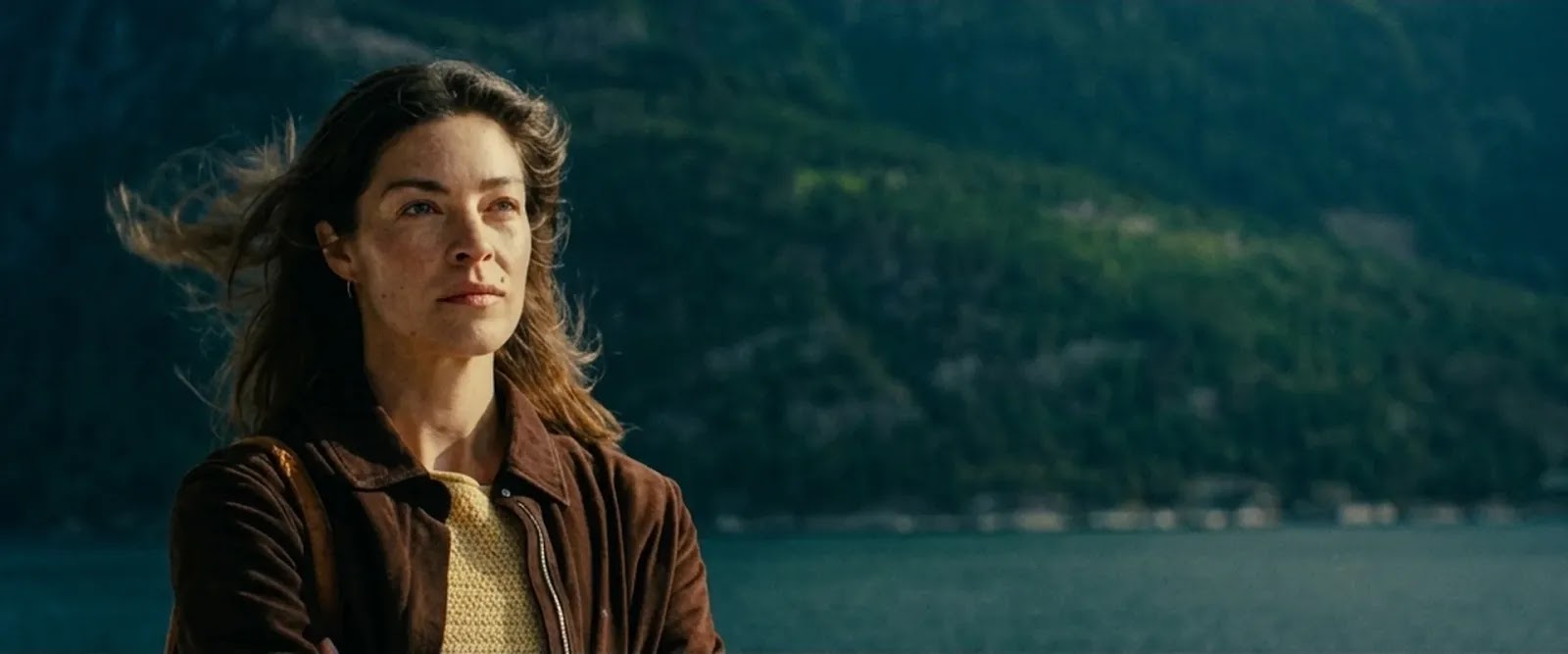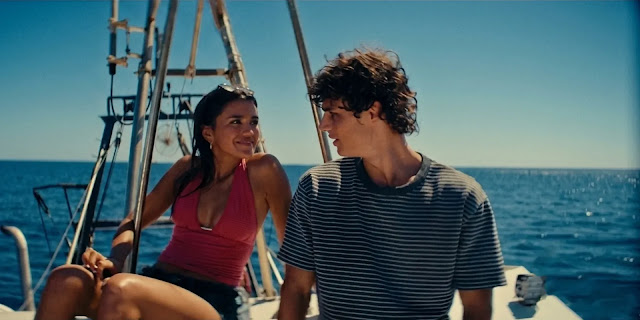
For almost its entire runtime, The Last Sunrise looks like a dying-girl romance. A sick young woman, a gorgeous island, a summer love with a countdown attached. But the trailer keeps one thing to itself: Ry (Maia Reficco) does not die. She survives her worst crisis, and she and Julian (Fernando Lindez) are still together when the film fades out. The tearful deathbed you might be bracing for never arrives. The better question isn’t whether she lives, but why the movie was so determined not to let her die, and the answer sits less with the script than with the woman who wrote the original novel.
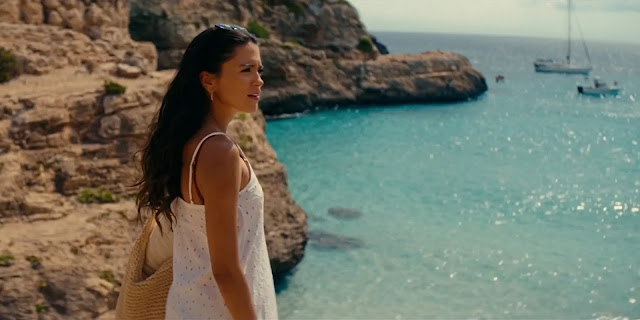
How the Ending Actually Plays Out
Ry lives with tuberous sclerosis, the chronic condition behind her epilepsy, and the trip to Mallorca is meant to be a pause: one bright summer with her mother, Isolde (Eva Longoria), before the medical routine starts up again. The trouble begins with a decision. Ry has come to hate what her seizure medication does to her, the way it leaves her numb and dialed down and only half present in her own life. So she stops taking it without telling anyone, chasing the feeling of being fully awake for once. The seizures come back, and they come back harder. Julian, a local boy she never planned to fall for, becomes the other thing she can’t give up, and the two keep colliding. The more alive Mallorca makes her feel, the more her own body becomes the danger.
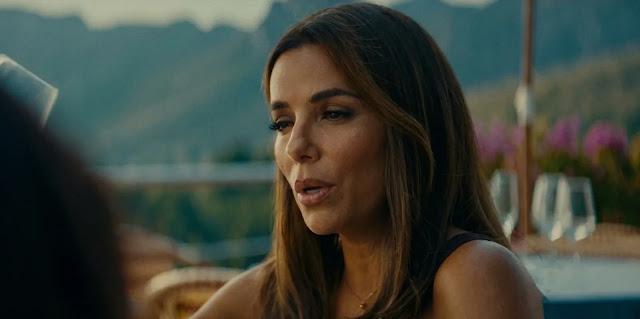
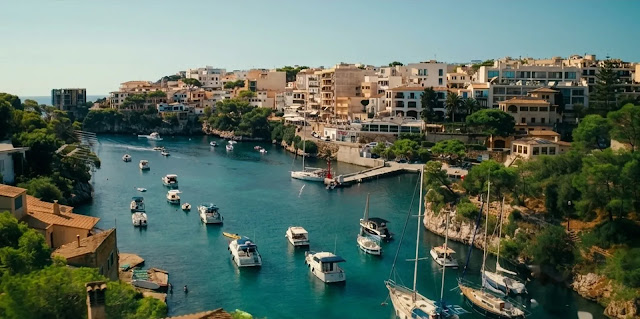
Mallorca isn’t a random postcard, either. It’s Isolde’s own history: a childhood home she has had restored, an old land dispute, a past she has kept sealed. Coming back cracks the mother open just as Ry’s romance pries at the rest of the family. The climax hands nobody a cure. What it gives you is both women finally giving ground. Ry stops pretending the illness disappears whenever she looks away from it. Isolde admits the thing she has dodged all movie, that keeping her daughter alive and letting her actually live are not the same act. The “last sunrise” of the title isn’t Ry’s final morning at all. It’s the future she chooses to accept, unfinished and uncertain and still hers to spend. The film closes with Ry and Julian shuttling between Mallorca and Texas for her hospital appointments, and Isolde settling into the home she once ran from. It is the rare version of this story that ends on a beginning. A film like We Live in Time, out not long before, walks straight into the grief The Last Sunrise steps around, and it is the stronger movie for committing all the way.
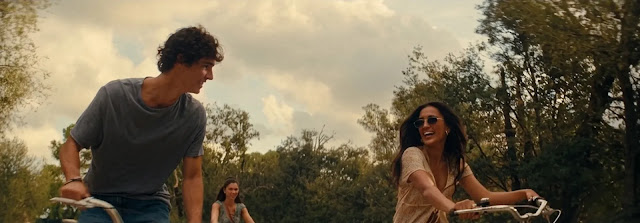
The Ending Anna Todd Insisted On
Here’s the piece that reframes everything. The Last Sunrise comes from a 2025 novel by Anna Todd, the After author whose Wattpad fanfiction ballooned into a billion-view franchise, and she wrote it straight out of her own life. Todd’s son was diagnosed with tuberous sclerosis when he was born. He’s fourteen now, which means she has spent his entire childhood living inside this exact illness. Ry’s diagnosis is his diagnosis. In interviews around the release, Todd hasn’t been shy about why the ending goes where it goes: she was tired of stories about chronically ill people that always finish at a graveside. People deserve happy endings no matter what they’re carrying, is roughly how she’s said it, and she’s called writing the book therapeutic, a way to sit with feelings she hadn’t opened since her son was diagnosed. She worked closely with director Carlson Young and an acting coach to keep the medical detail honest, on the logic that a story like this one, told carelessly, does more harm than none at all.
That backstory turns the safe ending into an argument. Refusing to kill Ry is an act of conviction. It comes from a mother who has watched a real child grow up with this condition. She has decided that the sad ending everyone expects is something she gets to turn down, not a law she has to obey. The whole mother-daughter thread, the one about the space between keeping someone alive and letting them live, is the author working something out in plain view.
Critics have mostly filed the movie under generic streaming romance, and at a glance that’s fair. It’s pretty, it’s predictable, it hits every beat the poster warns you about. Anna Todd adaptations tend to collect that shrug; Reminders of Him got a milder version of it. But the shrug skips the one part here that isn’t interchangeable. For all the golden-hour Mallorca gloss, The Last Sunrise is quietly picking a fight with an entire genre about who is allowed to survive a love story. Ry lives not because the film is soft, but because the person who invented her decided, out of hard experience, that she should get to. That’s a slim thing to build a summer romance on. It’s also the only part of it that rings true.