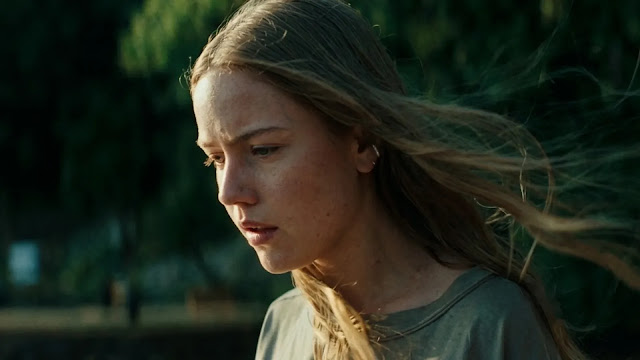
If you just finished Sterling Point on Prime Video and went looking for what actually happened, here is the short version. Annie, the New York teenager who inherits a remote Canadian island from a grandfather she never knew, doesn’t only find a summer and a crush out there. She finds a sister, Ramona, and a buried family secret. Their late mother, Goldie, had a whole history on that island, and a DNA test reveals that Steven, the adoptive father who raised Annie and her twin brother Connor, is secretly Ramona’s biological father. By the finale the two sisters trade lives: Annie stays on the island, Ramona heads to New York. It sounds like a soap opera, but it plays like something better, and that reason is worth knowing.
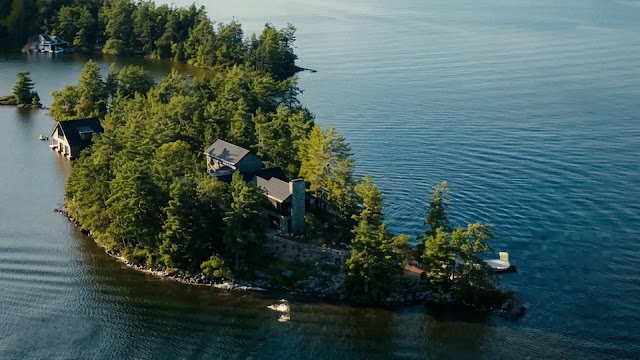
What the Island Was Hiding
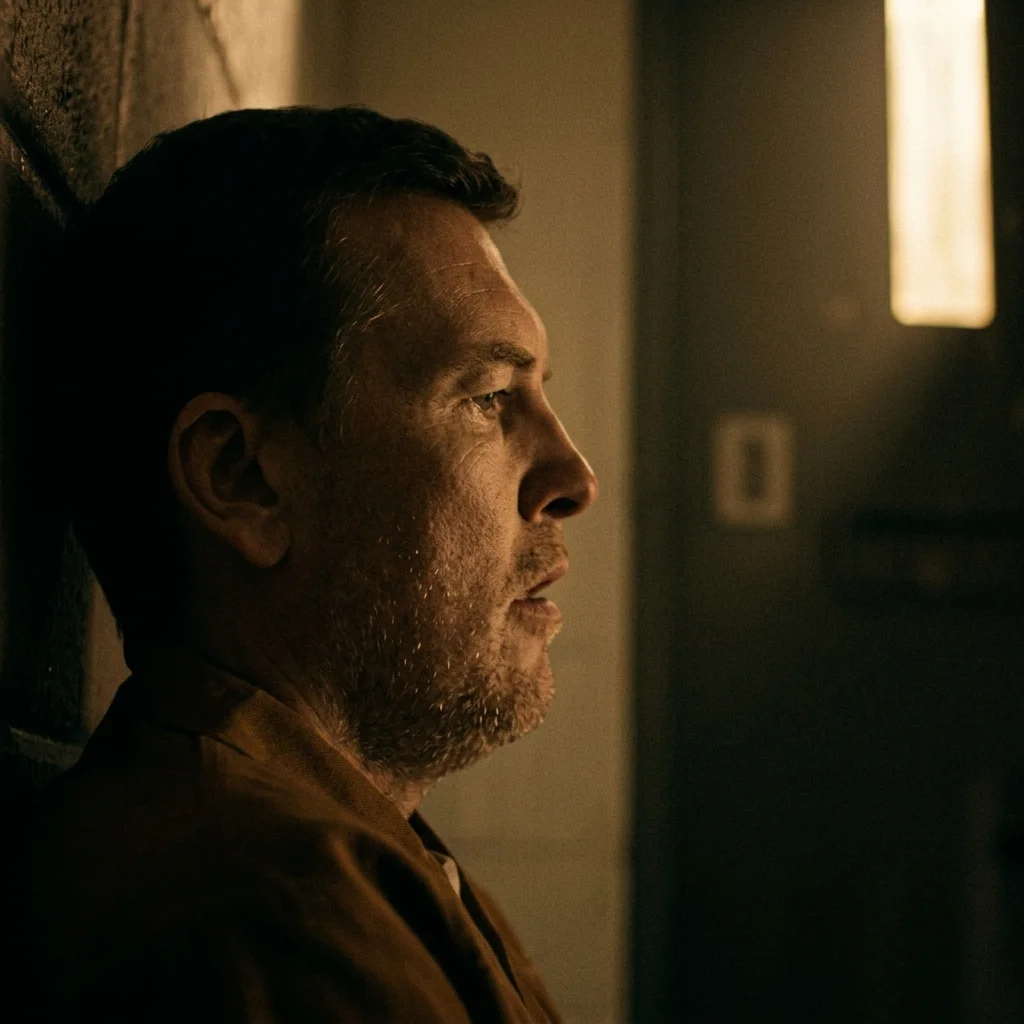
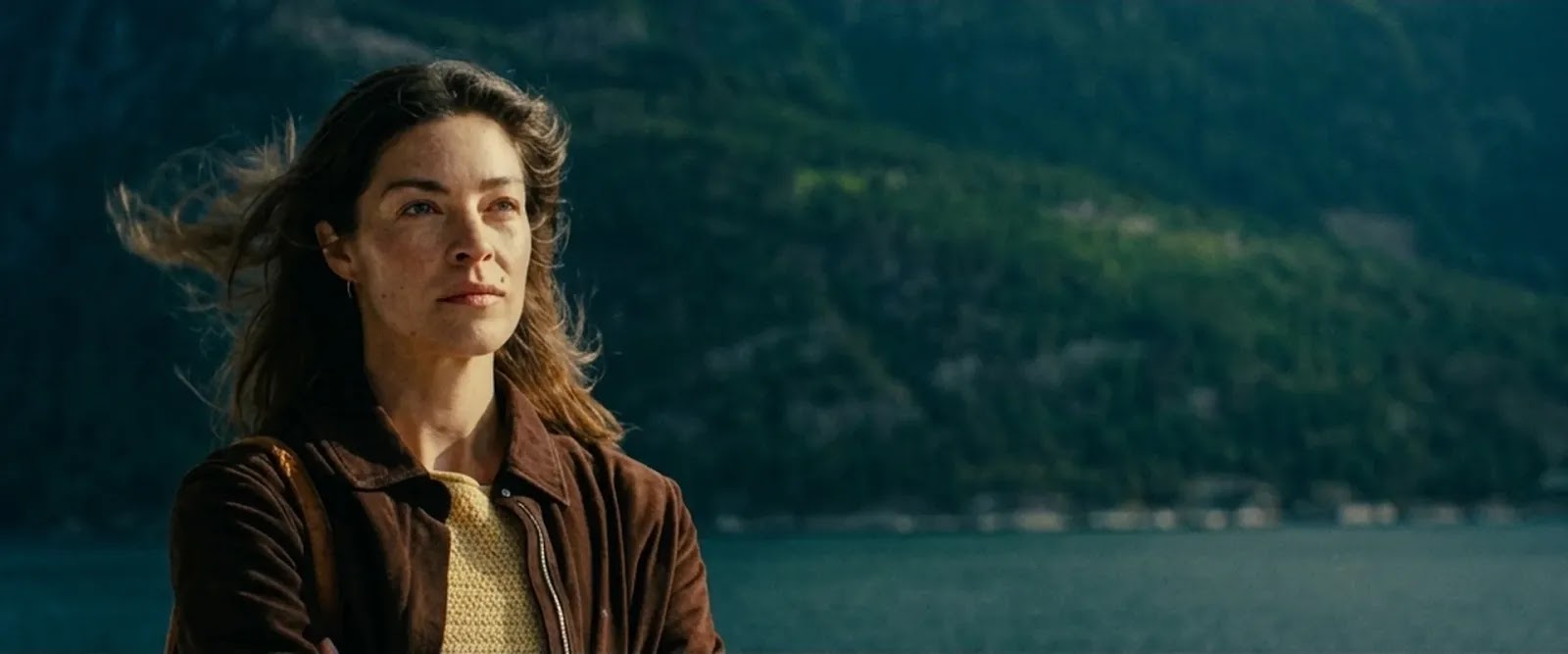
The mystery that runs the season is Ramona’s paternity. Annie arrives at Sterling Point to settle the estate and instead finds Ramona living there, a sister she never knew about, and the two of them start pulling threads their family spent years knotting shut. For most of the season the evidence points at Joe (Jeffrey Dean Morgan), a local man who once loved Goldie and now raises a son, Ellis, who becomes Annie’s love interest. There is a mixtape, there are old legal papers, and everything lines up on Joe. Joe is a red herring the show actually earns, a decent man with a real history with Goldie, so suspecting him never feels like a cheat. Then the DNA test lands, and the answer is stranger: Ramona is the daughter of Goldie and Steven, the same Steven who flew home to New York with two adopted kids and never said a word. A small detail seals it. Ramona is colorblind, and so is Steven. What Annie is really chasing underneath all of this is not a culprit but a mother she barely remembers, the same ache that ran under We Live in Time, and the island is the one solid thing left that her mom actually touched. One night in the cabin a hazy memory of her mother surfaces and turns out to be real, and that single recovered image is why she cannot bring herself to sell. By the time the paternity question resolves, Annie and Ramona have gone from wary strangers to something like family, which is what gives the final swap its sting. The finale refuses the tidy version. Instead of a reunion, the sisters split the inheritance of their parents between them. The show frames it almost that bluntly: Annie gets to be the girl with the dead mother on the island, Ramona gets to be the girl with the living father in the city, and each of them chooses which parent-shaped absence she would rather fill. Ramona leaves with Steven and Connor, Annie stays with Ellis, and Prime Video has not confirmed a second season, though Park has talked about where one would go.
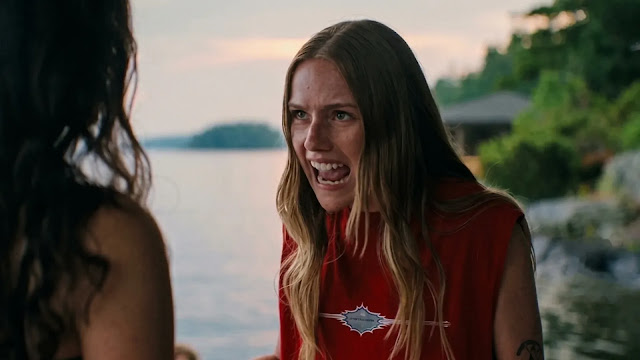
The 93% Comes Down to Megan Park
This is the part that separates Sterling Point from the pile. It sits at 93% on Rotten Tomatoes, a number YA island-mysteries almost never see, and the reason has a name: Megan Park. Before this, Park wrote and directed The Fallout, her 2021 debut that followed a high-schooler, played by Jenna Ortega, through the numb weeks after surviving a school shooting. It won both the Grand Jury and Audience prizes at SXSW for exactly the thing Sterling Point needed most: young people filmed the way they actually feel things, with no glossy soundtrack telling you when to care. So a plot that reads absurd on the page, hidden sister, secret dad, colorblind clue, plays instead as a grief story wearing a mystery’s clothes. The whodunit is a delivery system for a girl who lost her mother too young to keep the memories. It helps that Ella Rubin underplays Annie rather than performing the sadness, and that the show leans into an early-aughts nostalgia that gives it a lived-in, pre-smartphone calm. For the record, it is not based on a book, no matter how much it feels adapted from one. Park is an original who just gets asked about the imaginary novel constantly. If you want the contrast, look at My Life with the Walter Boys, another streaming teen drama built from a real book that critics shrugged at. Sterling Point invents its own story and gets the better reviews. The critics’ consensus lands on the same idea, a coming-of-age story that plays a cut above its genre, and an 88% audience score says viewers agree.
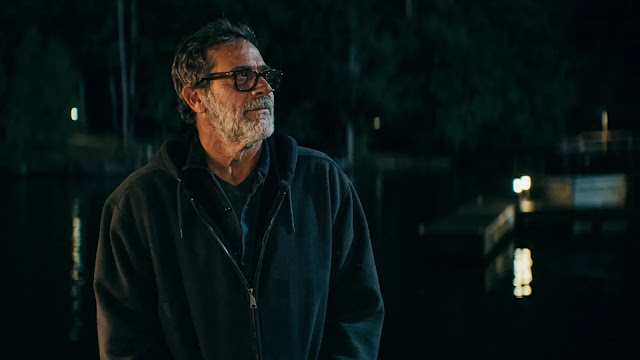
The sisters trading places is the move a lesser show wouldn’t dare. No group hug, no tidy island reunion, just two girls splitting a dead mother and a living father between them and deciding that counts as fair. On paper it should collapse. Park makes it hold, the kind of ending a show earns only when it trusts you to sit with a hard choice instead of walking it back.