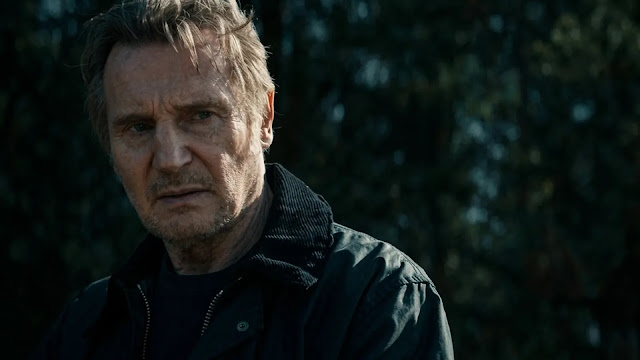
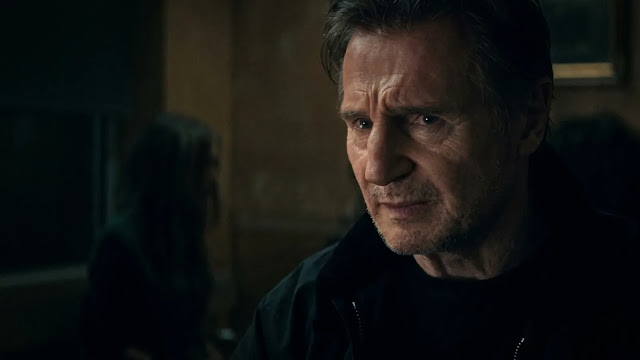
Liam Neeson has spent the last decade playing more or less the same man: a soft-spoken widower with a particular set of skills, dropped into an airport, a train, a snowplow, some interchangeable American city. The movies blur together, almost on purpose. In the Land of Saints and Sinners is the one that doesn’t blur, and the reason is simple. For once, the retired killer he plays comes from the same ground Neeson does. It is a 2023 thriller that quietly landed on Netflix and keeps climbing the movie chart two years later, and critics who usually shrug at his output called this one his best in years. They are right, and it has less to do with the gunfights than with where the film is standing.
A Killer Who Reads
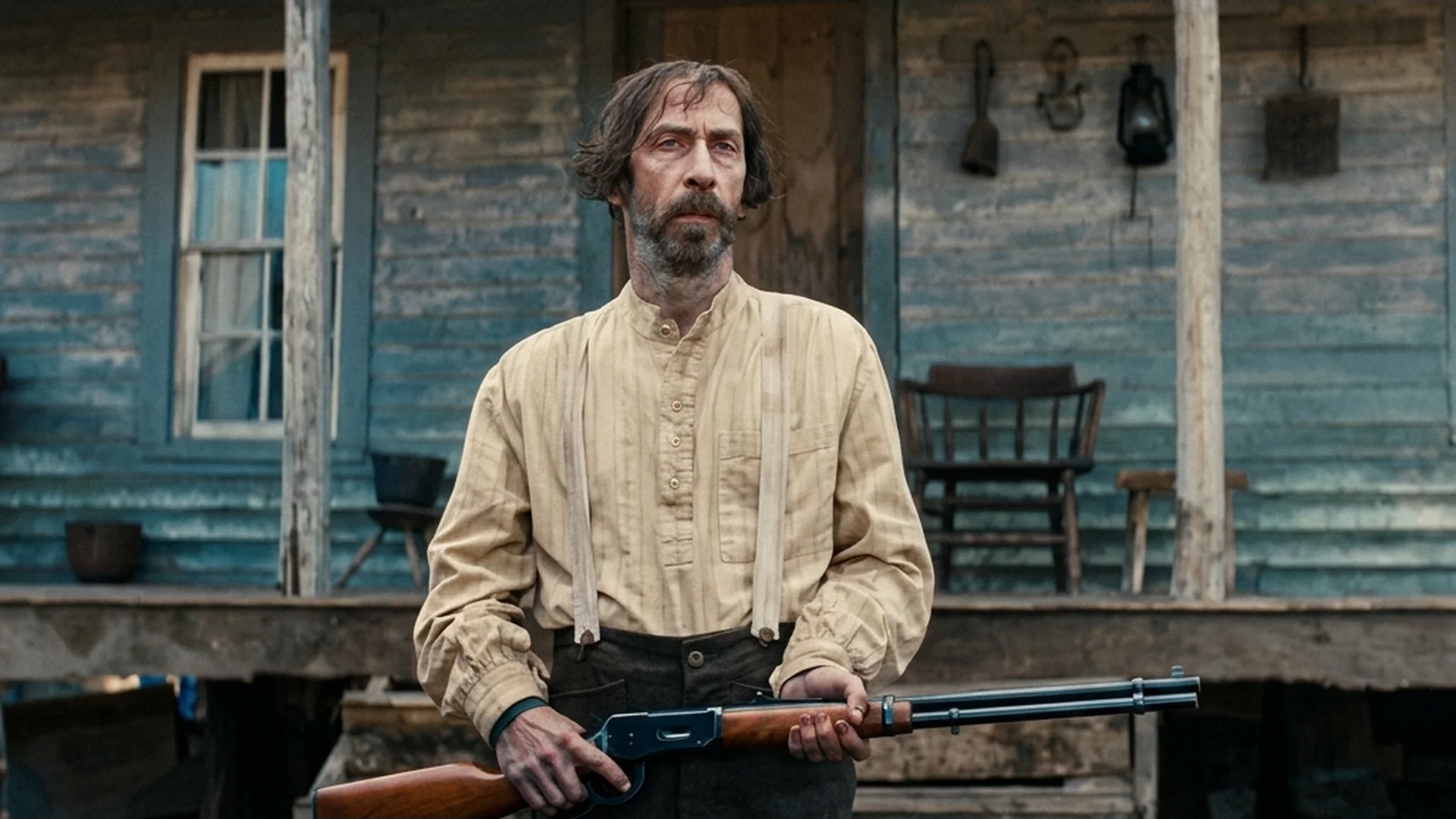
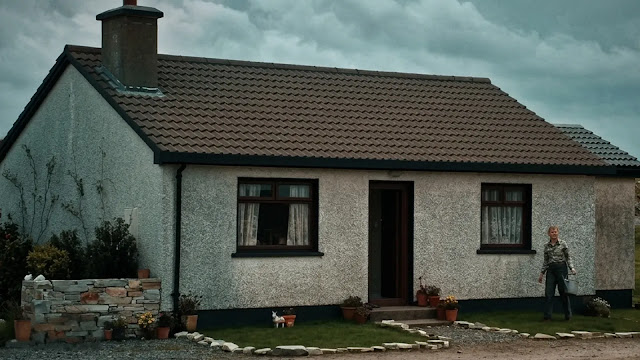
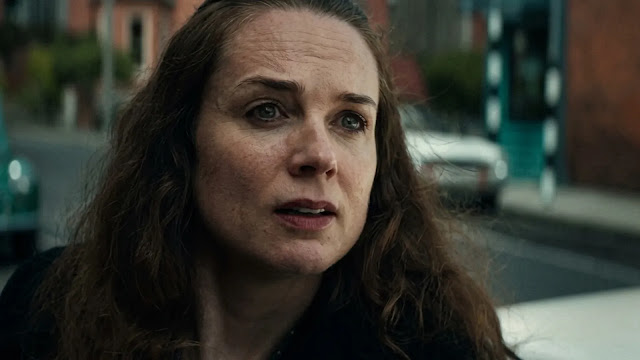
Finbar Murphy runs a small life in Glencolmcille, a coastal village in County Donegal, in 1974. He tends a garden, works through a stack of novels, and keeps up an easy friendship with the local Garda, Vinnie (Ciaran Hinds). What the village does not know is that he is also a contract killer, retired in his own head if not quite on paper, who spent years doing work for a local crime boss named Robert McQue (Colm Meaney). The story arrives in the shape of Doireann McCann (Kerry Condon), a Provisional IRA leader who flees south into the village after a bombing in Belfast that killed six people, three of them children. Her crew settles in and starts leaning on the locals, and when the trouble edges toward the handful of people Finbar keeps an eye on, among them Sinead, the widowed woman who runs the pub (Sarah Greene), the bookish old man stops pretending he is done. That is the engine of the film: a man who wants to be left alone, and a true believer who cannot leave anyone alone. It is the same setup that powers Old Henry, another story about a violent past catching up with a man who thought he had buried it in the countryside.
The Ireland Neeson Actually Knows
This is where the film separates from the pack. Neeson was born into a Catholic family in Ballymena, Northern Ireland, in 1952, and grew up through the worst years of the Troubles. He has talked about feeling like a second-class citizen in a Protestant-majority town, about the caution you learn when the violence around you is sorted by which church you attend. As a boy of thirteen or fourteen, by his own account, he would sneak into the church hall of Ian Paisley, the firebrand Protestant preacher, just to hear him speak, a Catholic kid drawn toward the very voice stoking the divide around him. That is the ear this film is made with, someone who grew up close enough to the conflict to read it as human rather than abstract. Finbar’s watchfulness, the way he reads a room before he reads a page, feels lived-in rather than acted, the wariness of a man who came up in this exact world. Setting the story in 1974 puts it in the same decade Neeson spent as a young man a short drive from the border, and the film treats the Troubles not as a backdrop for stunts but as the pressure warping every choice on screen. Doireann plays as more than a cartoon villain: she is certain she stands with the saints, and that certainty is what lets her kill children for the cause. Against her, Finbar’s tired, private code reads like the last sane position in the room.
The supporting bench is stacked with Irish talent doing understated work. Kerry Condon came to this straight from her Oscar-nominated turn in The Banshees of Inisherin, Colm Meaney and Ciaran Hinds anchor the village, and Jack Gleeson, long stepped back from acting after Game of Thrones, surfaces as a young man Finbar takes under his wing. None of it reinvents the geriatric-action template. Metacritic lands at a middling 60, and if you want the plot to surprise you, it won’t; the thing moves at the pace of a man who has decided he has nowhere to be. It isn’t based on a true story, though it borrows the real texture of the period down to the border geography. What it has that the airport-and-snowplow movies don’t is a reason to exist beyond the paycheck, which is roughly what Pierce Brosnan and James Caan found in Fast Charlie, another late-career thriller that runs on actors who know exactly what they’re doing.
Neeson will make three more of these next year, and most of them will evaporate on contact. This one holds, because it is the rare late-career thriller that knows the ground under its feet. Put it on for the shootouts if you must. What stays with you is the bookish killer at his kitchen table, a novel open in front of him, one eye on the door.