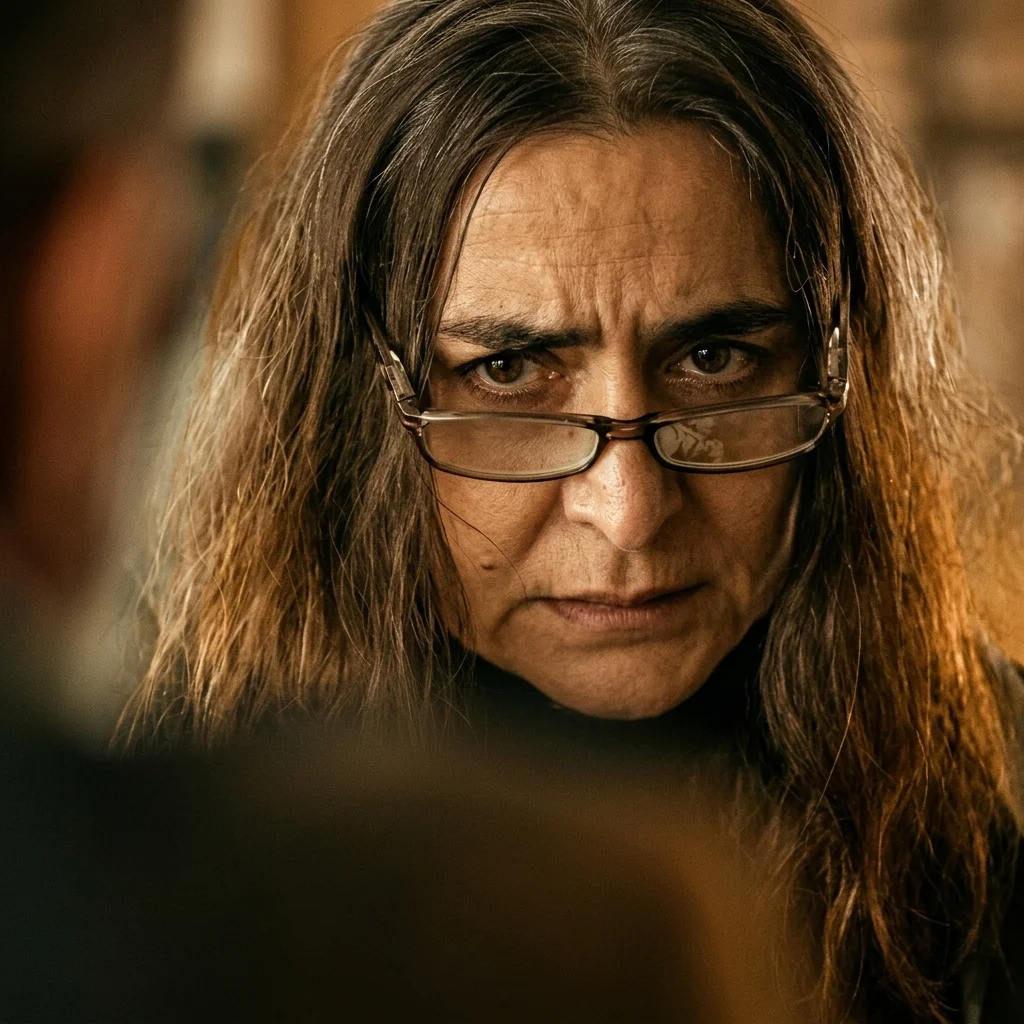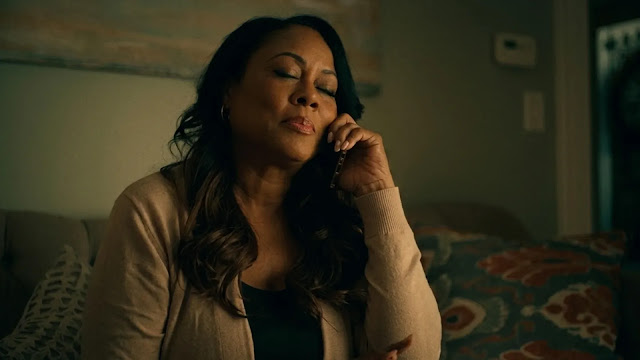
Yes, The Dating App Killer: The Monica White Story is based on real events, and the woman in the title lived through them. Monica White is a real person. In late 2020 she matched with a man named Anthony Robinson on a dating app, dated him for a few months, and ended it in early 2021 after his behavior turned frightening. Months later, Robinson began killing women he met the same way. He is now known as the “Shopping Cart Killer,” and he is serving life in prison. The Lifetime film, directed by former Law and Order actress Elisabeth Rohm, premiered in February and has since climbed the Netflix charts, telling the story of the one who walked away before the murders started.
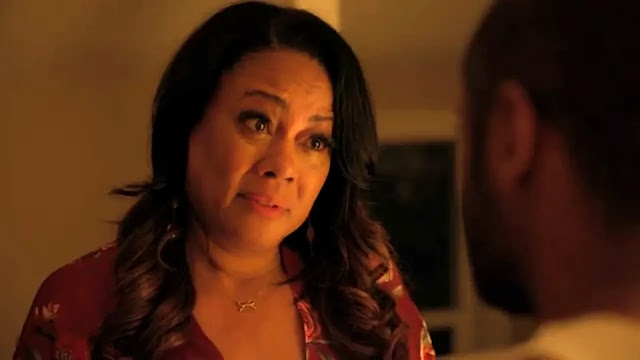
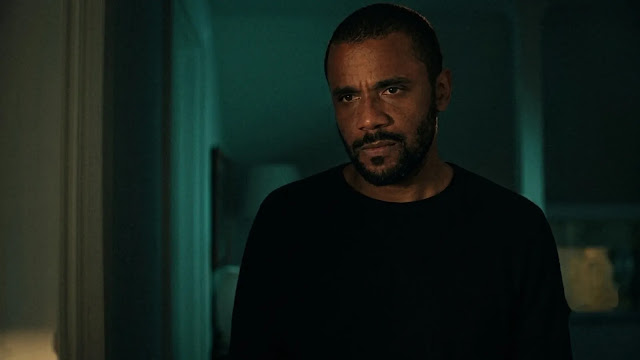
That framing is worth pausing on. Most true crime is built around the victims or the killer. This film gives its title, and its point of view, to the person who got out in time. Lela Rochon plays Monica, and Jarod Joseph plays Robinson.
What Really Happened to Monica White
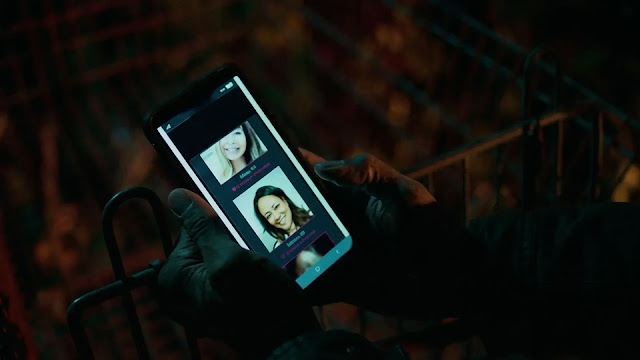
Monica White met Robinson on the app Tagged in late 2020. He lived in Harrisonburg, Virginia; she lived in Mechanicsburg, Pennsylvania. In January 2021 he traveled to visit her, and by her own account the visits turned alarming fast. He grabbed her by the neck, and on another occasion tried to tie her up. On a trip timed to her birthday, he urinated in her bed. She ended the relationship, and the moment she did, his manner changed.
What is chilling about her account in hindsight is how little it left open to interpretation. These were not subtle warning signs. She read them for what they were and walked, and that decision is the reason there is a film named for her rather than about her. The movie leans into that near miss, using her memory of those early visits as the spine of a thriller most viewers will already know the ending to. It makes for a strange kind of suspense. We are not waiting to find out whether she survives, since the title has already told us she does. We are watching how close an ordinary bad date came to something far worse.
The Shopping Cart Killer, and Where He Is Now
After White left, Robinson kept using the same kind of app to find new women. In the fall of 2021 he killed two of them in Harrisonburg, Allene “Beth” Redmon in October and Tonita Smith in November. Surveillance footage showed him leaving hotel rooms pushing shopping carts draped with sheets, which is how he earned the nickname. The women’s bodies were later found on a nearby hillside. Investigators described a consistent pattern: he met the women through online dating, arranged to see them at motels, and used the carts to move them afterward.
Investigators later tied Robinson to more deaths. Remains connected to him were recovered in Fairfax County, Virginia, and he has been examined in cases in Washington, DC, and Maryland, though he has not been charged in those. In all, authorities have linked him to the deaths of several women across the region, and his case crossed more than one jurisdiction before it reached a courtroom. In January 2025 a jury took roughly thirty minutes to convict him on all counts in the Harrisonburg killings, including aggravated murder and concealing a body. He was sentenced to life in prison in 2026 and remains held in Virginia. If you follow true crime that keeps its focus on the real people involved, a recent Netflix docuseries about a college town takes the same care with the victims it covers.
Putting the Survivor at the Center
As a film, this is standard Lifetime, a competent thriller that hits the beats you expect, and its ratings reflect that. Lifetime has built its brand on women-in-peril stories for decades, usually told from inside the danger. This one is told from just outside it, from the vantage of the woman who got out, which is a small but real shift for the format. What gives it weight is not the craft but the real gap it dramatizes. Monica White met Robinson the same way his victims did, on the same kind of app, and faced the same escalation. The difference between her story and theirs came down to one ordinary decision, made early, to stop answering and get out.
That is an uncomfortable thing to sit with, and the movie does not pretend otherwise. It never suggests the victims failed to see what Monica saw, because that is not the lesson. The point is quieter and harder: how narrow the margin was, and how much can hang on a single early instinct. It is the rare true-crime film that leaves you thinking about a choice someone made instead of a crime scene. Centering the woman who survived is the most honest thing this otherwise ordinary film does, and it puts the story in good company with another dramatized true case that made headlines long before it became a movie.