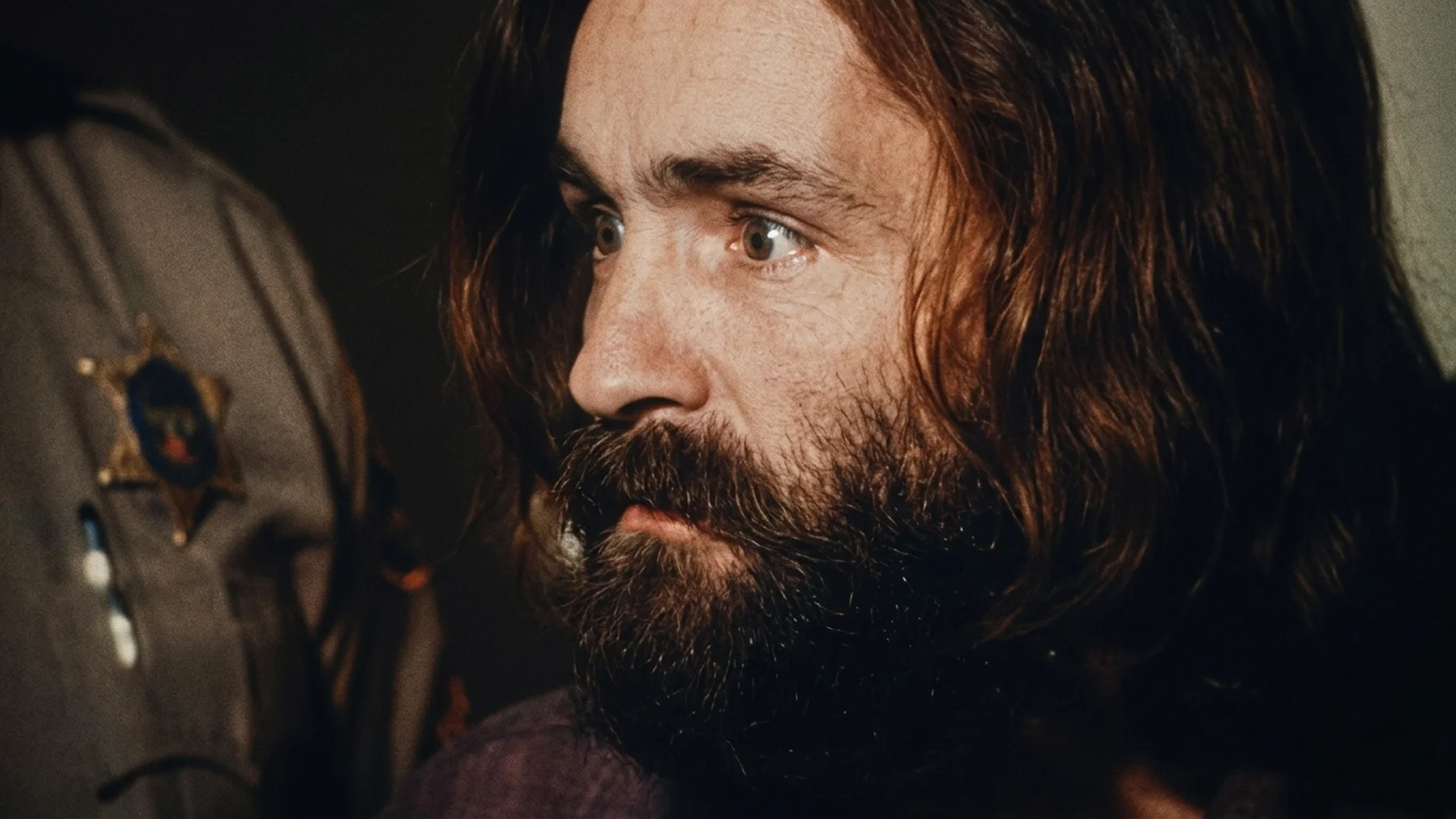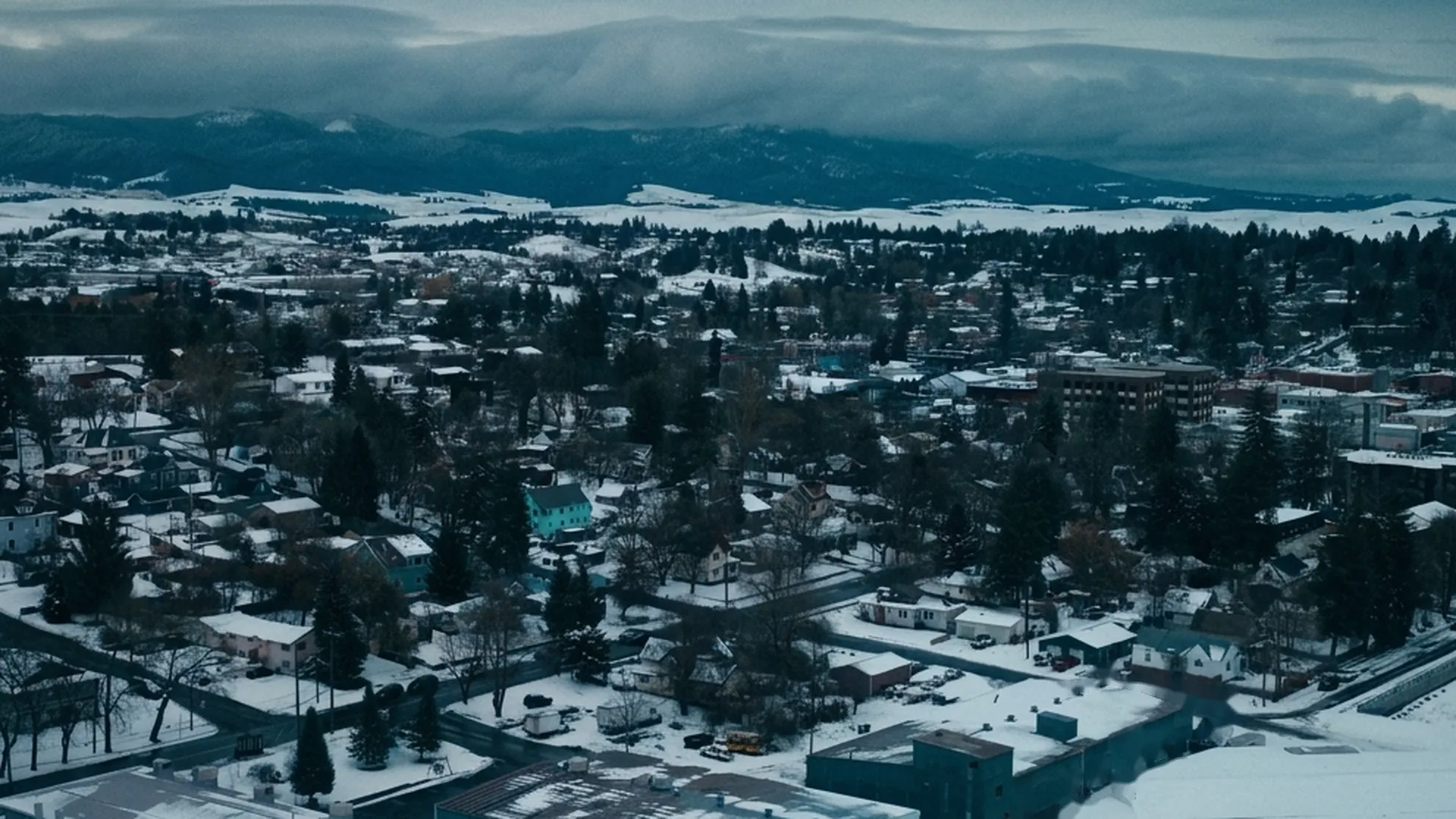
Most true crime hurries toward the person who did it, angling for the interrogation room, the profile, the scene where a detective finally explains the mind behind the knife. The Idaho Murders: College Nightmare, the three-part Netflix series that landed on July 29, walks the other way, and that decision is the most interesting thing about it.
The facts are grim and, by now, widely known. In November 2022, four University of Idaho students were stabbed to death in an off-campus house in the small town of Moscow, Idaho: Madison Mogen and Kaylee Goncalves, both 21, and Xana Kernodle and Ethan Chapin, both 20. Bryan Kohberger, a criminology graduate student who lived a short drive across the state line, was arrested weeks later. What the series does with that story is quieter and stranger than the coverage that surrounded it.
A Case Solved Without an Answer
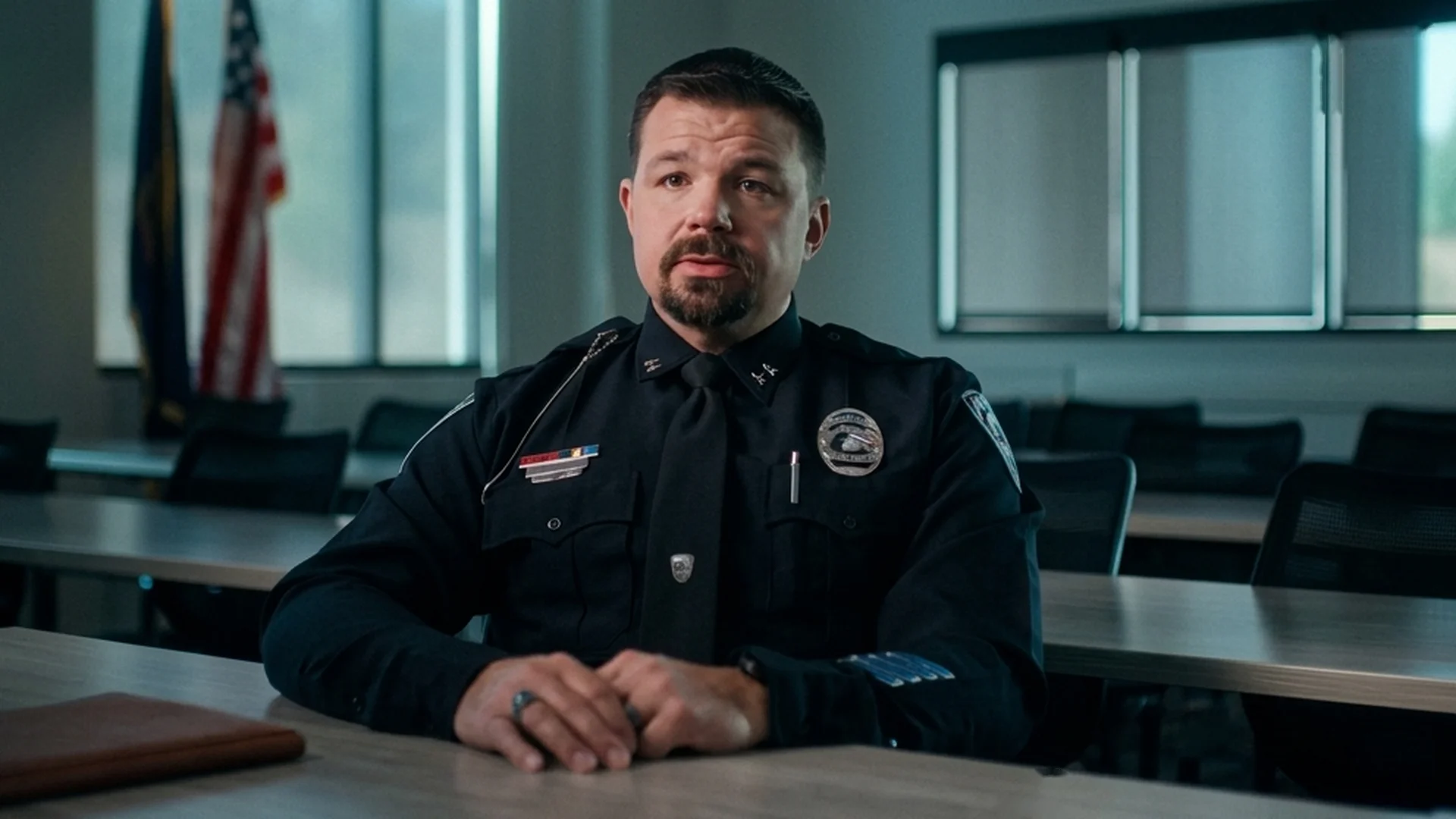
In July 2025, Kohberger pleaded guilty to all four killings and accepted a life sentence, a deal that spared him the death penalty and spared the families a trial. It also skipped the one proceeding where a motive usually enters the public record. He admitted what he did and never said why he did it. Moscow’s police chief puts the hole plainly on camera: investigators still cannot explain why these four students, or why this house. The evidence that convicted him is concrete: DNA on a knife sheath, a white sedan caught on neighborhood cameras, phone data that went dark during the window of the attack. None of it answers the question the families keep asking. And the timing gives the film an uneasy charge. As it reached Netflix, Kohberger told the New York Times from prison that he had filed to challenge his conviction and now claims he is innocent. For the families, a plea meant to close the case has now reopened it on camera. The room that might have produced a why never convened, and even the settled question of who is suddenly being pulled back open.
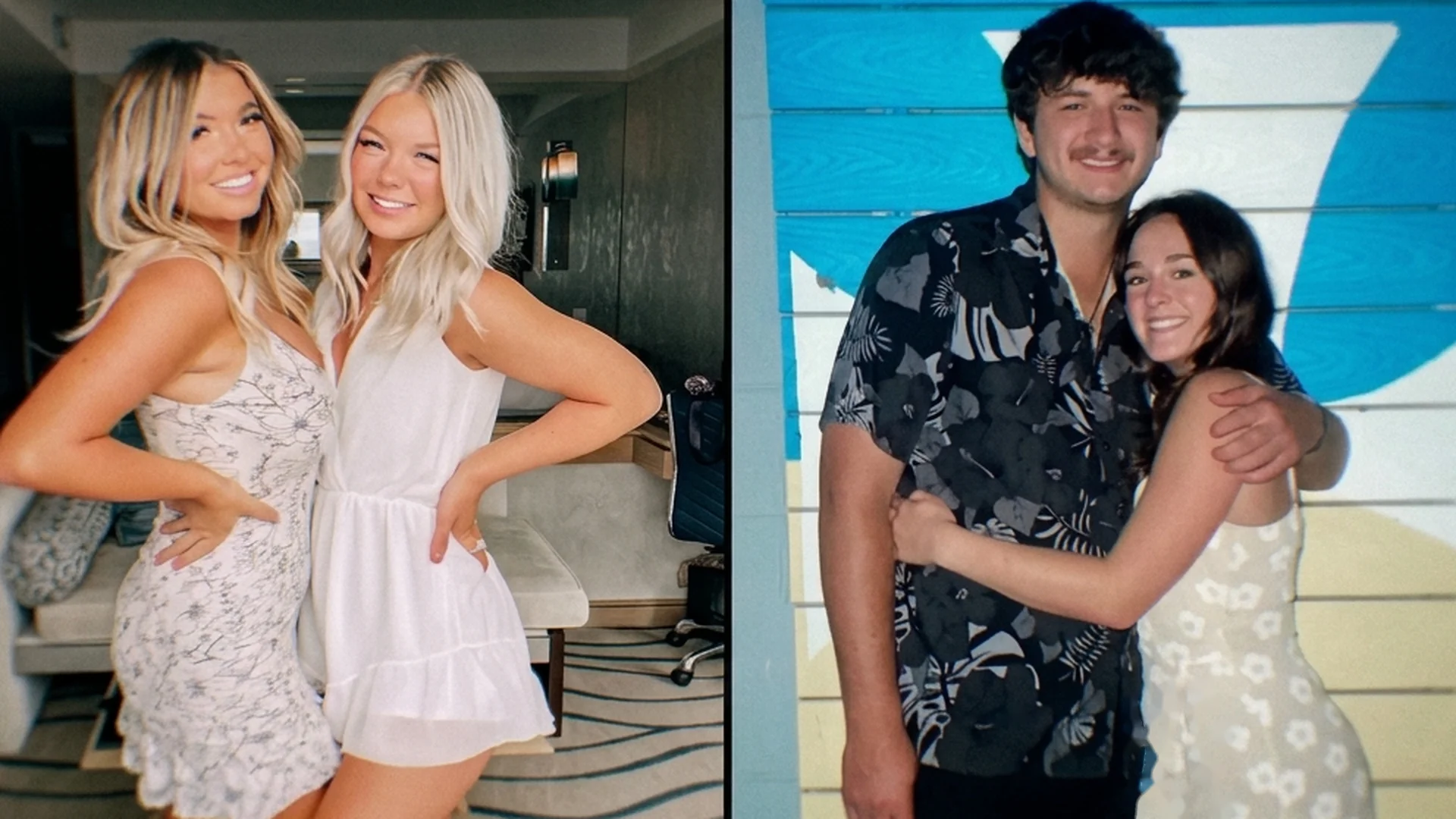
Keeping Four People in the Frame
Faced with that silence, director Skye Borgman (Abducted in Plain Sight) makes a choice that sounds simple and turns out to be the whole design: she gives most of three hours to the four students rather than the man who killed them. Home videos, texts between friends, and long interviews with the families fill the screen, so Madison, Kaylee, Xana, and Ethan arrive as specific people with in-jokes and weekend plans, not names on a case file. It is the same instinct that made My Grandfather Charles Manson worth a look: aim the camera at the person a famous crime buried instead of the monster it made marketable. Joe Berlinger, one of the biggest names in the genre, sits in the background here as an executive producer, and you can feel the hand staying off the wheel.
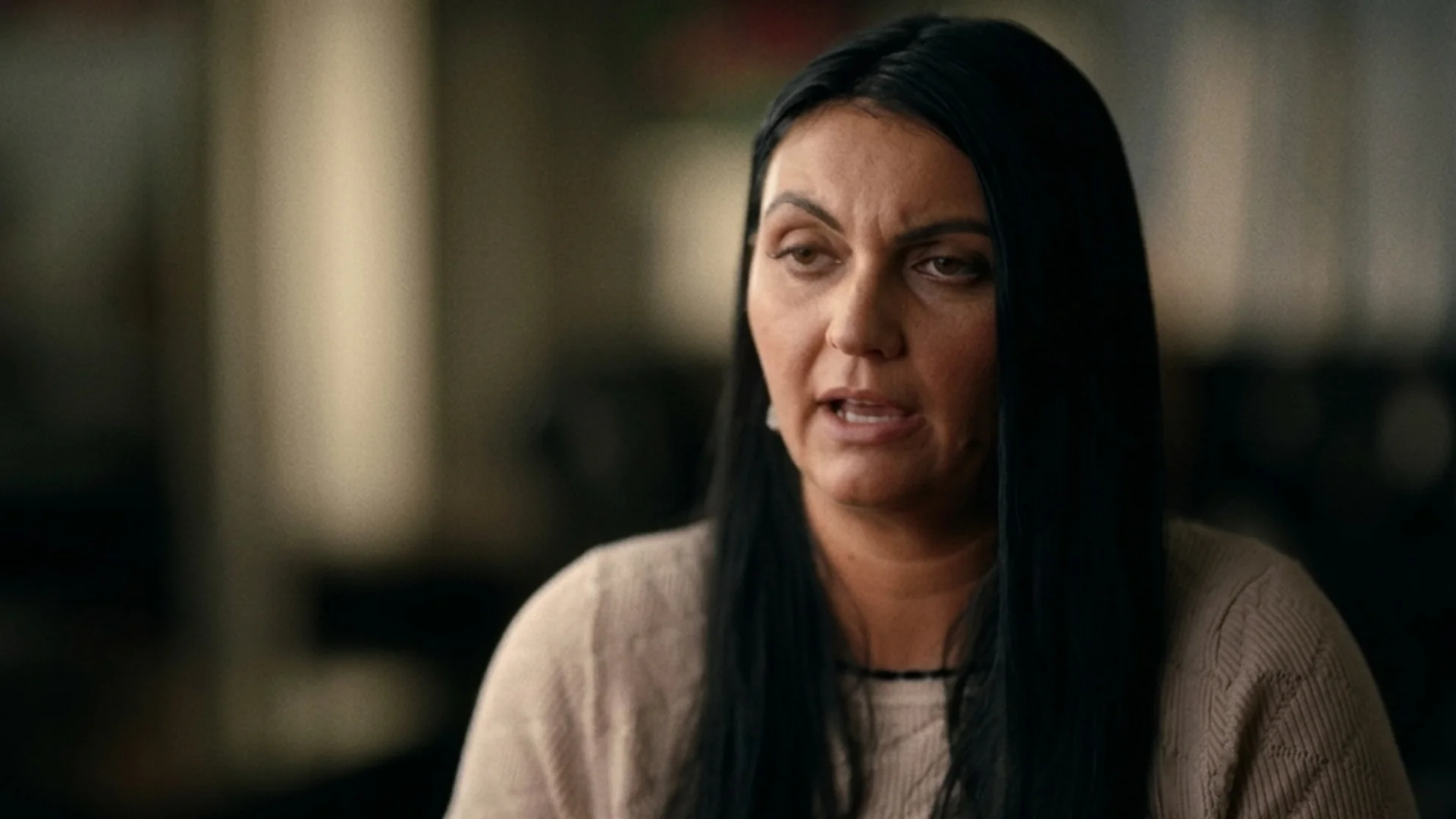
The Families Carry the Story
Without a trial, the story has no courtroom to give it shape, so the families become its spine. Kaylee’s sister, Ethan’s parents, Madison’s friends: they sit for interviews that dwell less on the crime and more on the ordinary texture of four lives, and the film trusts them to carry long stretches on their own. Some of the most affecting footage is also the least dramatic, a birthday, a road trip, a group photo taken weeks before. By the third hour you know their faces the way you know a friend’s. The series makes its argument by feel here instead of by statement. It insists, simply by slowing down, that these were people first and a case second, and it dares you to look away.
What It Gives You, and What It Holds Back
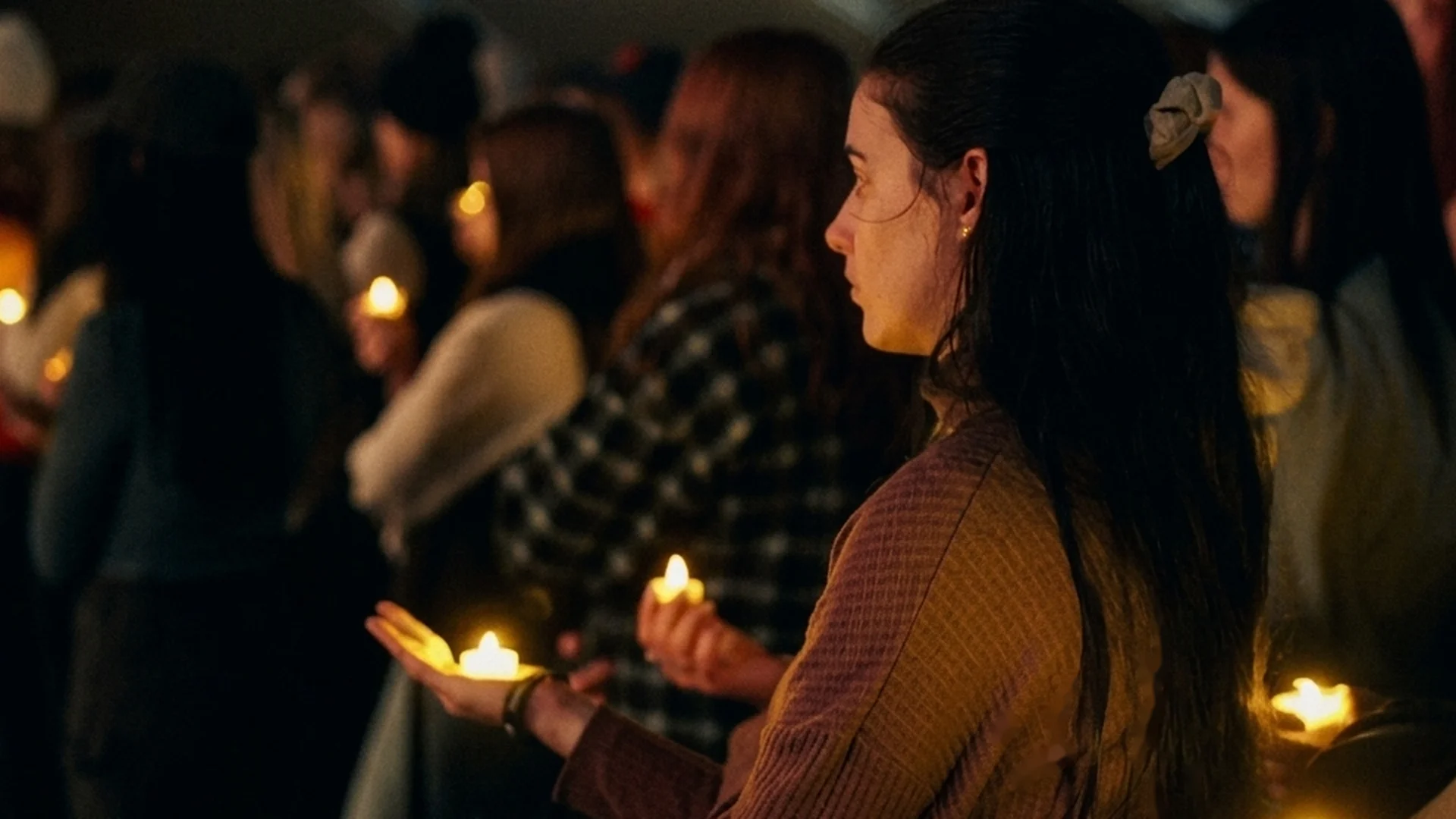
This is where I think the series earns its running time. Borgman uses real 911 calls and police footage, and she refuses to cut them into a thrill; the material is allowed to sit, which is what makes it register as something that happened to real students on an ordinary week. Viewers who come for a forensic breakdown, or for a psychological read on Kohberger, will leave restless, because the film declines to guess at a mind it cannot reach. That restraint is honest, and it is also a ceiling: a case this heavily covered has little fresh information to reveal, so the series offers understanding where some will want answers. Instadocs: Alex Murdaugh faced the same limit and beat it with a courtroom; here there is no verdict scene to lean on, only people and their grief. The last hour lingers on the town itself, the candlelight vigils and the emptied house on King Road, and lets the community stand in for the closure the courtroom never delivered. The case has a suspect, a plea, and a sentence, and still no reply to the only question that matters to the ones left behind. Borgman decides the honest thing to do with that silence is to keep looking at the four faces a little longer, and by the last hour it is hard to say she is wrong.