In June, Supergirl was a punchline. DC’s new film, only the second in a rebooted universe, opened to brutal reviews and worse math, one of the loudest box office misfires of the year. Six weeks later, the same movie is the number one title people are renting at home. It did not get recut. Nothing about it changed except the room you watch it in, and that turns out to be everything.
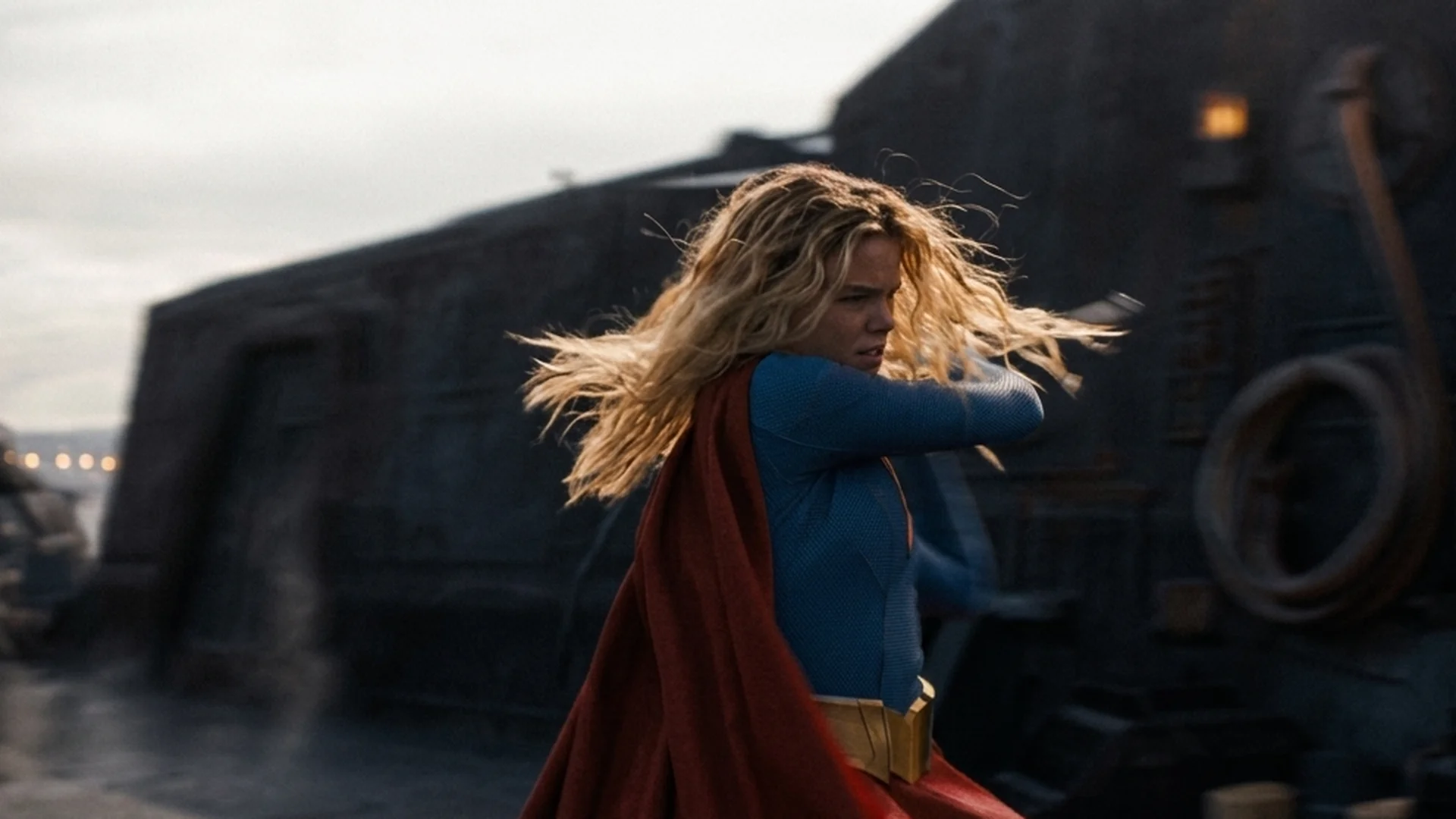
Directed by Craig Gillespie and starring Milly Alcock as Kara Zor-El, Supergirl was sold as a tentpole, a franchise cornerstone meant to prop up a shaky new DC Universe. That is the version audiences rejected in theaters. The version now climbing the rental charts is a much smaller, stranger movie than the marketing ever admitted.
What Supergirl Actually Is
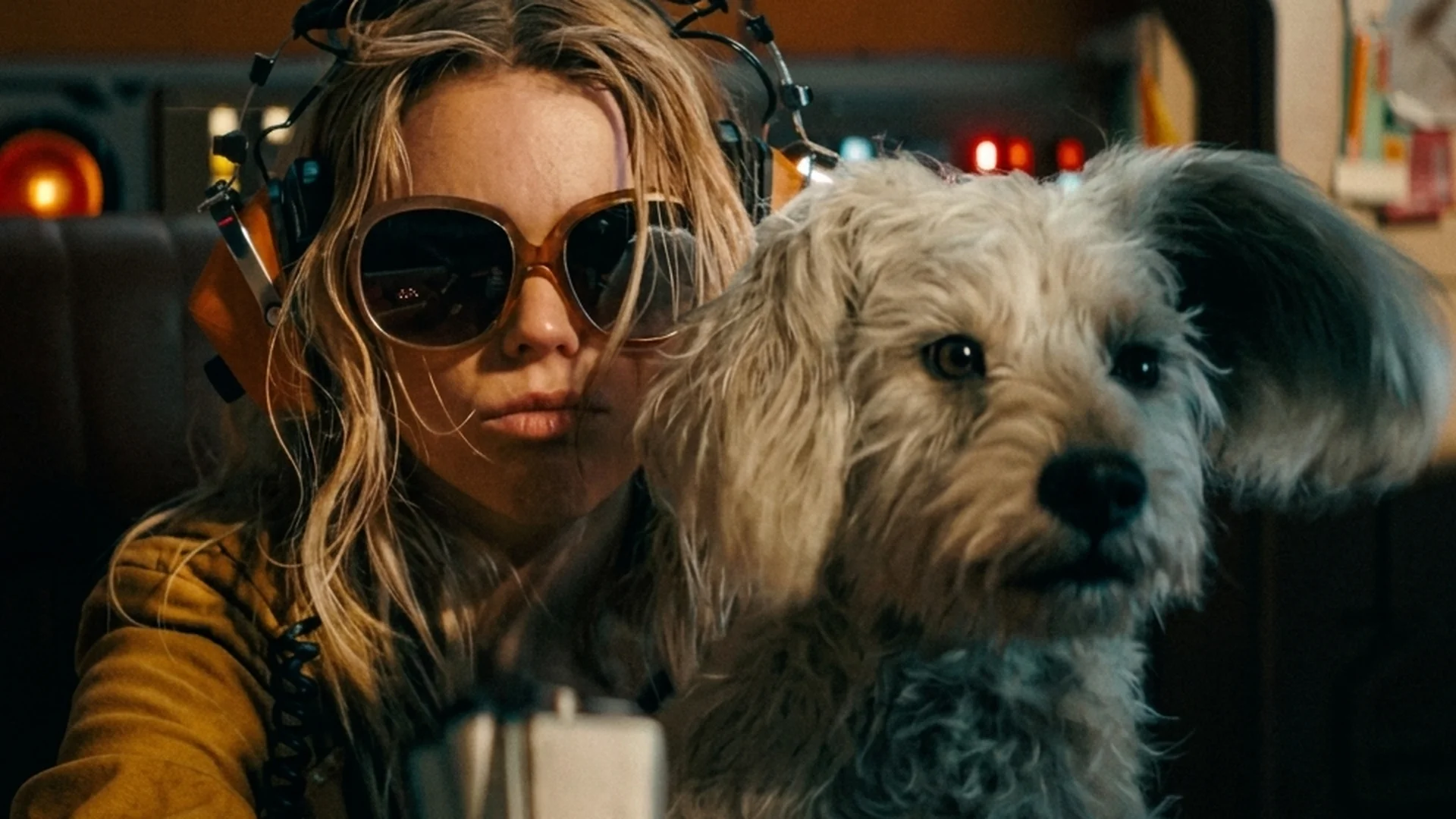
Underneath the cape, this is a space western about grief. Kara spends much of the film drunk and adrift, bar-hopping on red-sun planets where she has no powers, trying to drink away the loss of her home and her people. She gets pulled into the orbit of Ruthye, an orphan girl chasing the outlaw Krem, who killed the child’s father and, in the process, poisons Kara’s dog Krypto and steals her ship. What follows is less a superhero adventure than a revenge road trip across a lawless galaxy, with the most powerful being in the room mostly powerless and mostly sad. The best stretches are just Kara and Ruthye in a battered ship, two wounded people circling the same grief from opposite ends.
That is a strange thing for a franchise launch to be, and you can feel the movie fighting its own budget. The action beats and universe-building feel bolted on, there to reassure a studio that this is still a Supergirl blockbuster. The revenge story underneath wants to be quieter and meaner. The two never fuse, which is a real problem in a theater and a much smaller one on a couch.

The June Wipeout
So it flopped, hard. Being only the second film in a brand-new DC Universe made the miss sting more, and it sharpened the industry’s doubt about whether the reboot could hold. Critics were not kind: the reviews ran from shallow to flat to actively unpleasant, and the consensus was that a decent idea had been buried under bad pacing, a forgettable villain, and a script that keeps stripping Kara of her powers to manufacture suspense. The one thing almost everyone agreed on was Alcock. Fresh off House of the Dragon, she plays Kara’s exhaustion and buried rage as the real special effect, holding the center of a movie that keeps collapsing around her. It is the same trap Anya Taylor-Joy walked into on Apple this month, a magnetic lead doing better work than the film deserves.
The Rental-Store Comeback
Then it hit digital on July 28, and within two days it was the top rental on Apple’s store. Part of that is simple curiosity: a famous flop is its own kind of advertisement, and I will admit that worked on me too. But part of it is that the format finally fits the film. A ticket is a bet on an event; a rental is a small, forgiving wager on a quiet night. Nobody pays eight dollars to rent a universe-redefining spectacle. You rent it for a rainy ninety minutes, and at that scale a small, sad space western with a great lead is not a disappointment but a find. Ordinary Angels is having the same kind of at-home second act right now, a modest movie meeting the audience that theaters could not deliver. It is a small thing, one store’s rental chart. But it is the kind of quiet correction that happens constantly now, a film the theaters turned away finding the exact viewers it was built for, one download at a time. The multiplex punishes movies for being smaller than their price tag. The rental store does the opposite.

The Kill, and the Verdict
The film’s boldest swing is also its most divisive, so skip the rest of this paragraph if you want the ending clean. When Kara finally corners Krem, she kills him. In Tom King’s comic, she talks Ruthye out of vengeance and lets him live, and the whole point is a hero who refuses the easy exit. The movie takes the opposite road. In a theater, breaking Superman’s one sacred rule at the launch of a new universe looked like a franchise losing its nerve. On a rented copy at home, it plays as the one real surprise in an otherwise safe movie. It is not a good movie, but for Alcock, and for the strange sad little film hiding inside the blockbuster, it is worth renting in a way its June reputation would never suggest. Supergirl was never going to save the DCU, and it did not. The theater was simply the wrong room for it.