Ordinary Angels opened quietly in early 2024, to modest business and politely mixed reviews, and then slipped off to streaming the way small faith-based dramas usually do. Two years later it sits in the Netflix top three, and plenty of people are meeting it for the first time. The strange part is that the movie itself is not really what pulled them in. The true story it tells is.
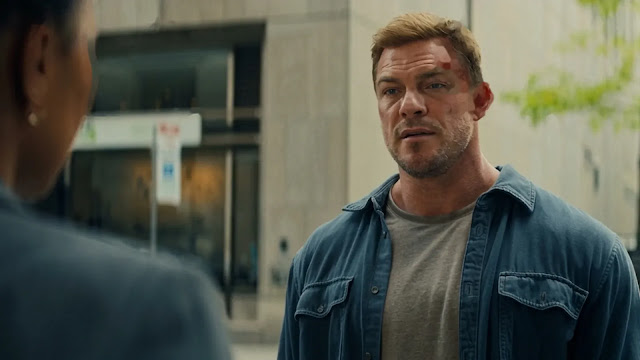
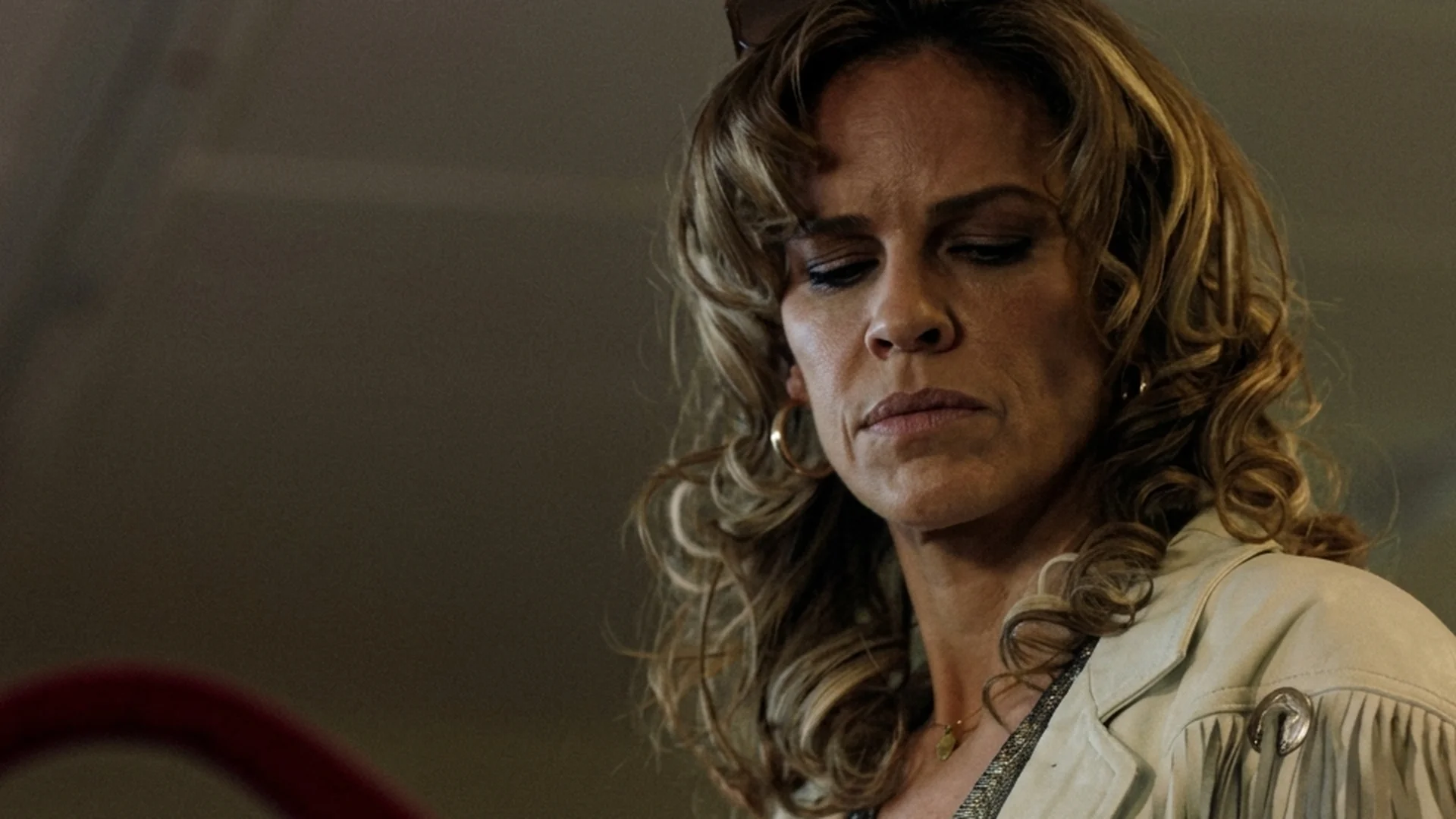
Directed by Jon Gunn, the film stars Hilary Swank as Sharon Stevens, a hard-drinking Kentucky hairdresser, and Alan Ritchson, the mountainous star of Reacher, as a widowed father with a dying child. That casting is a curiosity on its own. But what actually happened in Louisville in the winter of 1994 is something else, and it is the reason this small movie refuses to disappear.
What Actually Happened in Louisville
In 1994, Ed Schmitt was a widower raising two young daughters, Michelle and Ashley, both born with a congenital liver disease. Three-year-old Michelle was running out of time on the transplant list. Sharon Stevens, a hairdresser who read about the family in the newspaper, decided their problem was hers to solve. The bills were the kind that break a family slowly: years of specialist care for two sick children, and a place on a transplant list that only moves when someone else’s child dies. She had no money of her own to give, so she set out to raise it, turning fundraising into a second full-time job and rallying the whole town dollar by dollar.
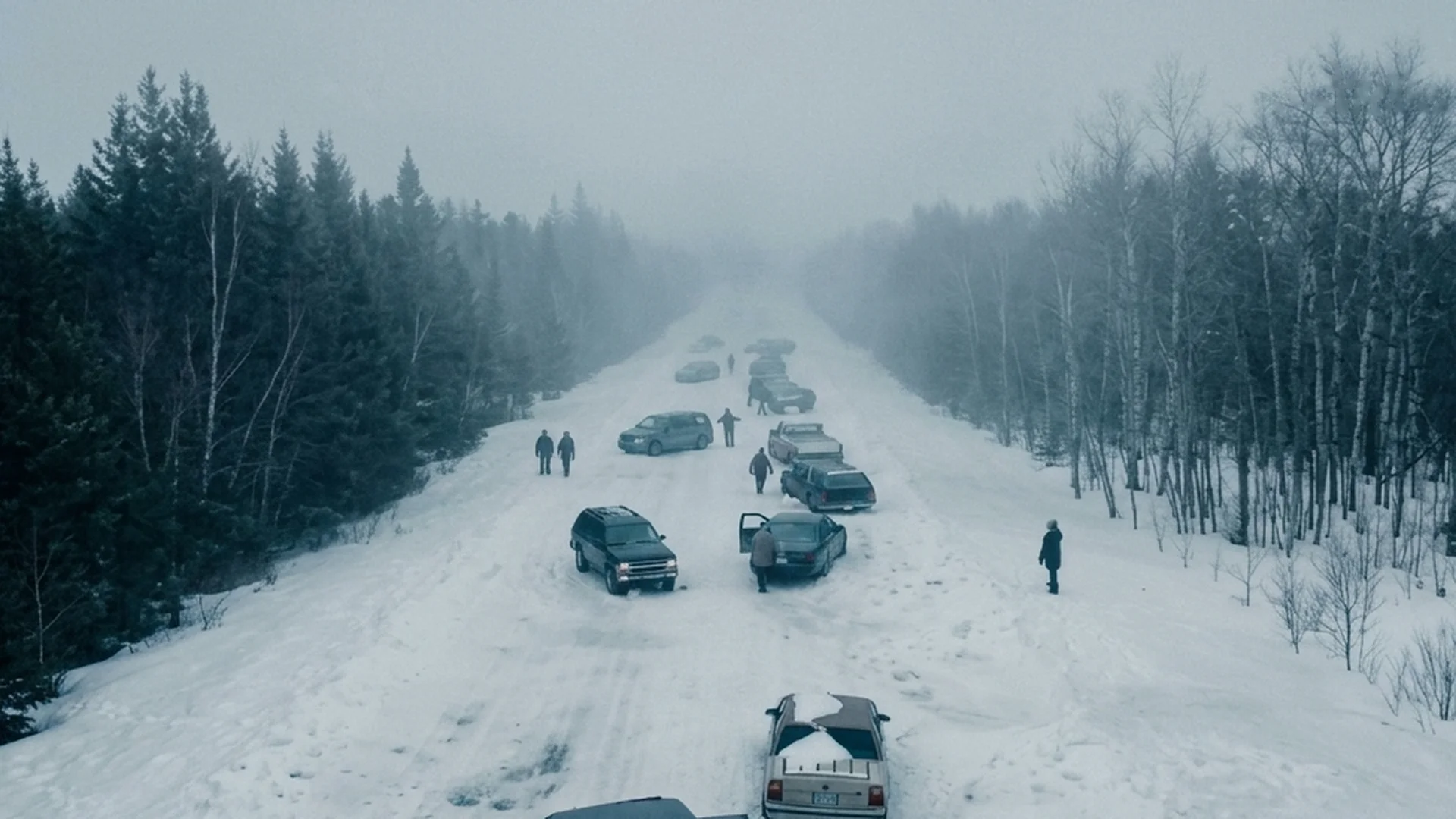
Then the weather turned the story into something close to myth. A liver became available in Omaha just as the Kentucky Blizzard buried Louisville under record snow, with temperatures far below zero and the highways shut. The organ was on a clock and the roads were gone. So the town went outside and made a way: neighbors cleared a path and carved out a landing spot for the helicopter, digging a dying toddler’s only route to a hospital out of the snow by hand. Hundreds of strangers turned out with shovels, plows opened a lane, and a snowbound city bent itself toward one small girl it knew only from a newspaper story. Michelle got her transplant at nearly the last possible moment, and she lived. The odds against every piece lining up, a matching liver, a plane, a cleared path, a surgical team, all inside the hours the organ stayed usable, are the kind no screenwriter would dare invent. People in Louisville still call her the Snow Baby, and 2024 marked thirty years since the night they saved her.
The Movie Around It
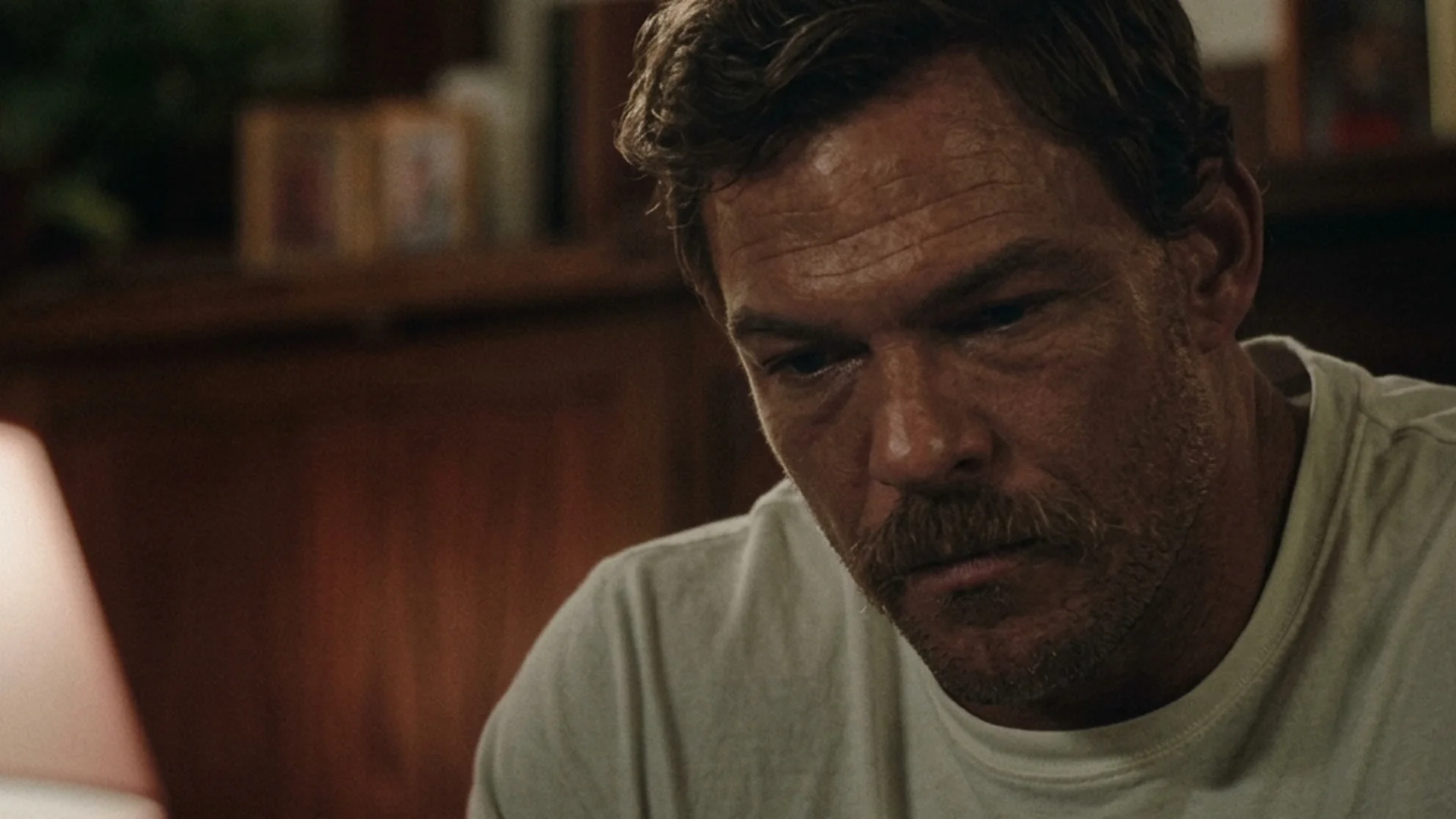
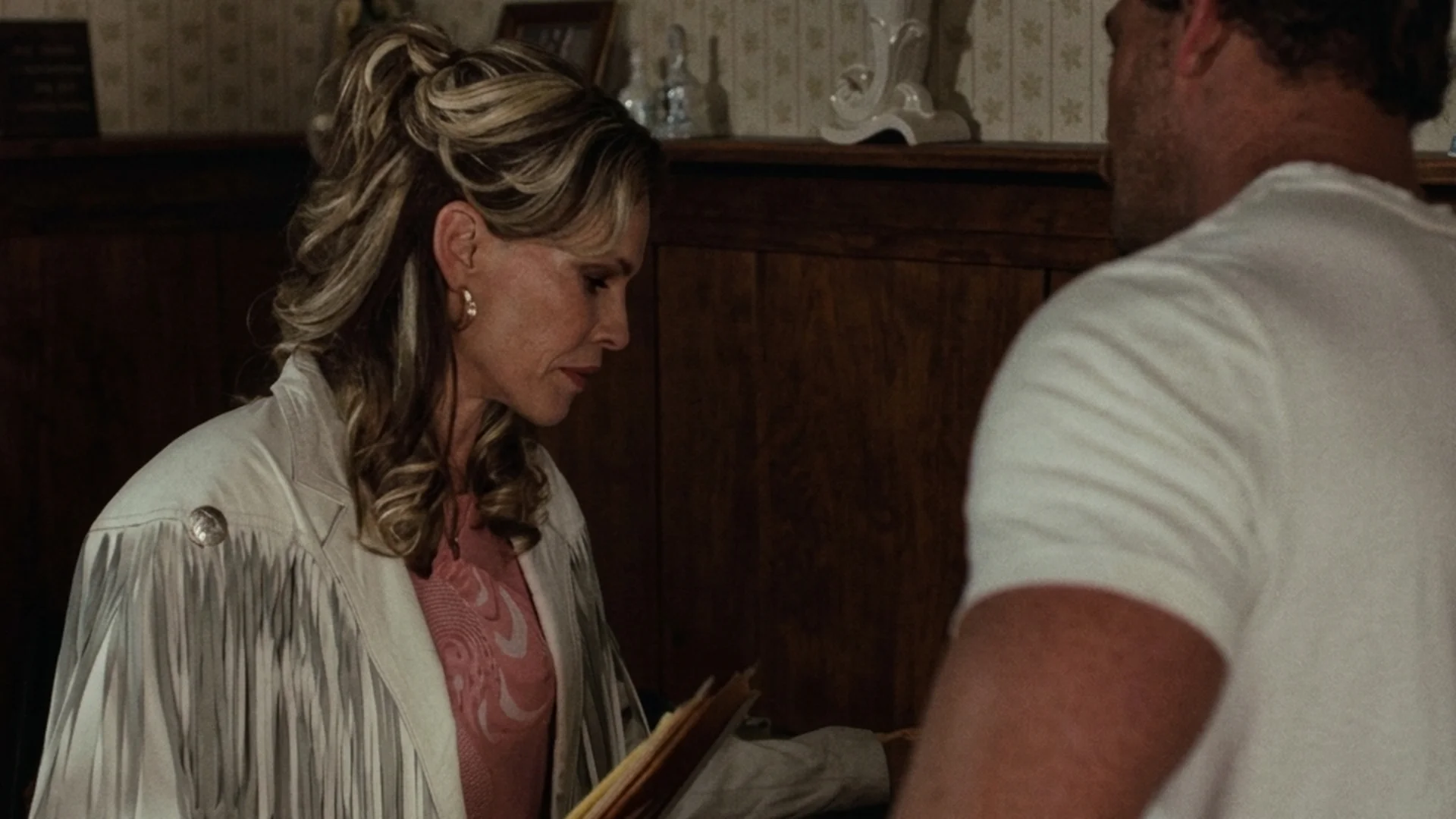
The film built around that event is sincere and a little clumsy. Critics called it emotionally manipulative, and they were not wrong; Jon Gunn stages every beat for maximum tears, the supporting characters run to type, and the last stretch leans hard on the strings. Swank commits fully to Sharon’s mess and grief, and Ritchson, trading Reacher’s fists for a broken man’s stillness, is better than the material around him. It is the kind of true-story movie that trusts the events to carry it, the way Roofman leaned on the sheer strangeness of its real fugitive. The difference is that Ordinary Angels has an astonishing thing to build on, and it mostly gets out of the way and lets that thing happen.
A Second Life on Streaming
None of this explains the timing. A modest 2024 weepy does not usually climb a 2026 chart on its own. But feel-good true stories keep a long, quiet tail on streaming, where a title can sit unnoticed for months and then catch, passed hand to hand as the thing to put on when you want to feel something uncomplicated. Old Henry found the same kind of second life on the streaming charts a year after almost no one saw it in theaters. Ordinary Angels is riding that wave now, and the algorithm has simply caught up to what word of mouth already decided: this is a good cry, and the good cry is true.
The Ordinary and the Not
That is the small paradox in the title. The movie is ordinary, competent and sentimental and just what you expect. The event it is based on is not ordinary at all. A town that owed the Schmitts nothing walked out into the worst storm in its memory and dug a road to a stranger’s three-year-old, and it worked. I came to it braced against this kind of movie, and it got me anyway, on the strength of the facts more than the filmmaking. You can feel the film straining to earn its ending, and you can also feel that it does not need to, because the ending already happened once, for real. Watch it for Swank if you like, or for the novelty of Alan Ritchson near tears. But the reason it keeps climbing is older and plainer than the movie: people still want proof that ordinary neighbors will, once in a while, move a mountain of snow for a child they have never met. This is that proof, dressed up a little. The dressing is forgettable, but what actually happened is not.