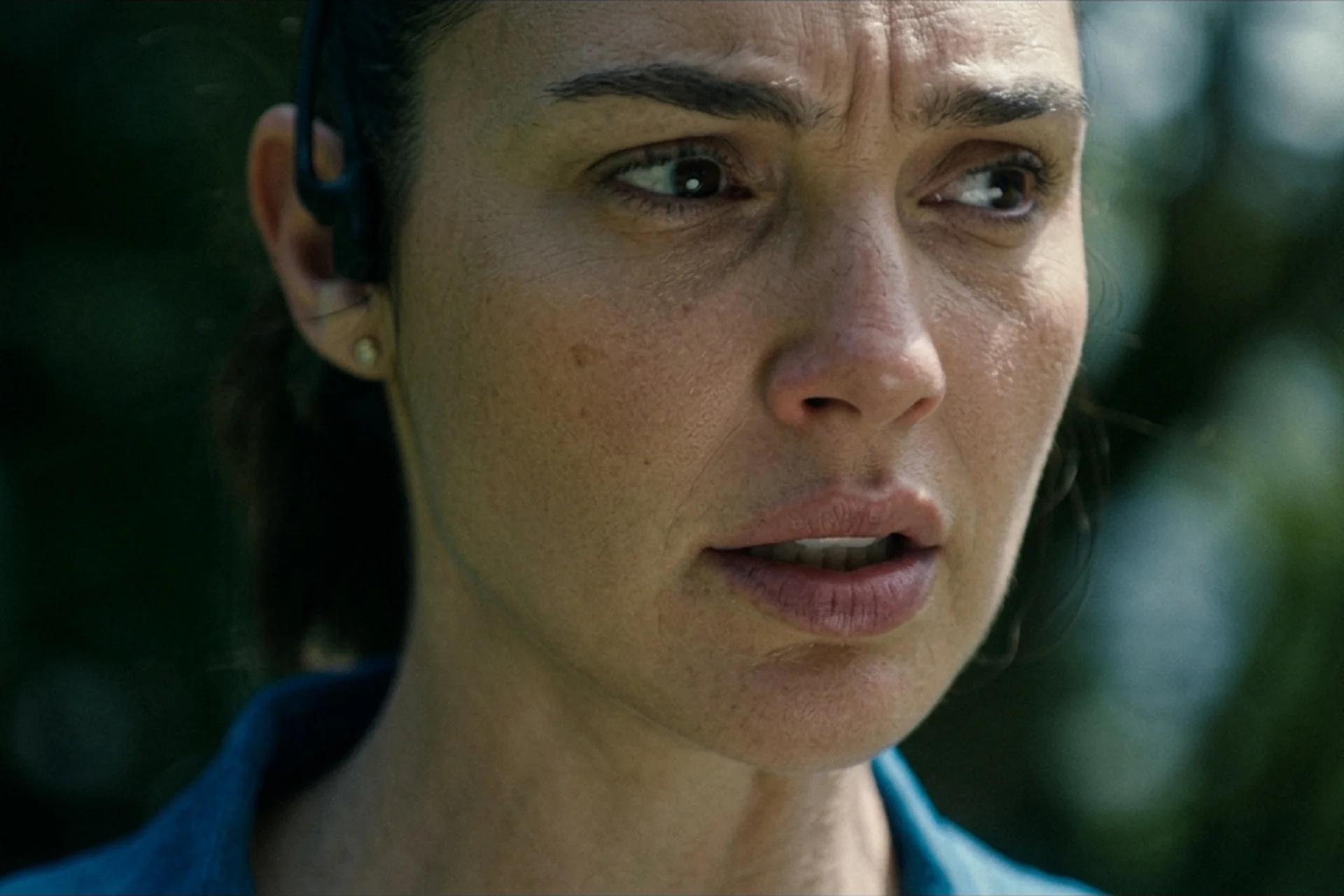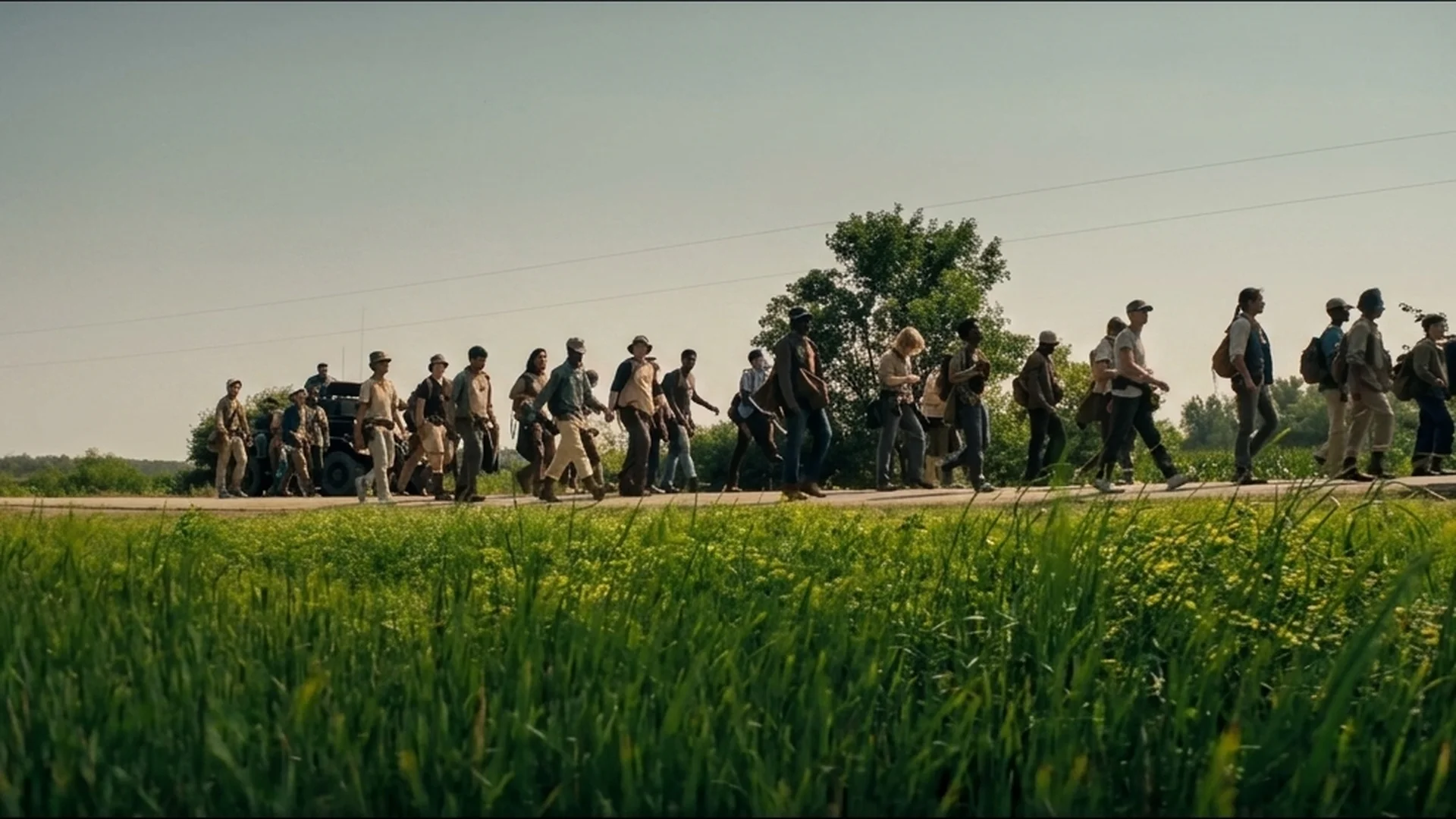
A standard handgun needs about five pounds of pressure on the trigger to fire. Glock once turned that number into a selling point: five pounds was light enough that the pull would not throw off your aim. 5lbs of Pressure takes that grim little fact and builds a whole movie around it, and the question it keeps circling is how short the distance is between a man who would never kill anyone and a man who just did.
Phil Allocco’s 2024 crime drama arrived on Netflix in the United States on June 21, 2026, and within two days it had climbed to number three on the movie chart, the kind of quiet second life a film only gets on streaming. It is worth knowing how it ends before you start, because the ending is where the movie finally says what it has been holding back the whole time. Spoilers follow.
The Man Who Came Back
Adam, played by Luke Evans, has just finished a sixteen-year sentence for killing a man, and against the advice of everyone in his life he goes home. Home is the same neighborhood where the killing happened, where his ex Donna still lives and where the son he barely knows, Jimmy, has grown into a young man without him. Adam is not chasing a clean redemption. He is chasing the smaller, harder thing of being allowed back into a room he was thrown out of, and Evans plays him with a stillness that keeps suggesting how much effort that restraint costs. Jimmy, played by Rudy Pankow, does not make it easy on him, and he should not. The film is good about that. A son does not owe his father a second chance just because the father has finally shown up wanting one.
Running alongside Adam is a second story that the film keeps cutting back to. Mike, played by Rory Culkin, is a slow, eager kid living under the thumb of his drug-dealing uncle Leff, played by Alex Pettyfer. Mike wants to prove himself with a score of his own. For most of the movie these two men have nothing to do with each other, which is exactly the point. The film is laying two separate fuses and counting on you to forget they are heading for the same spark.
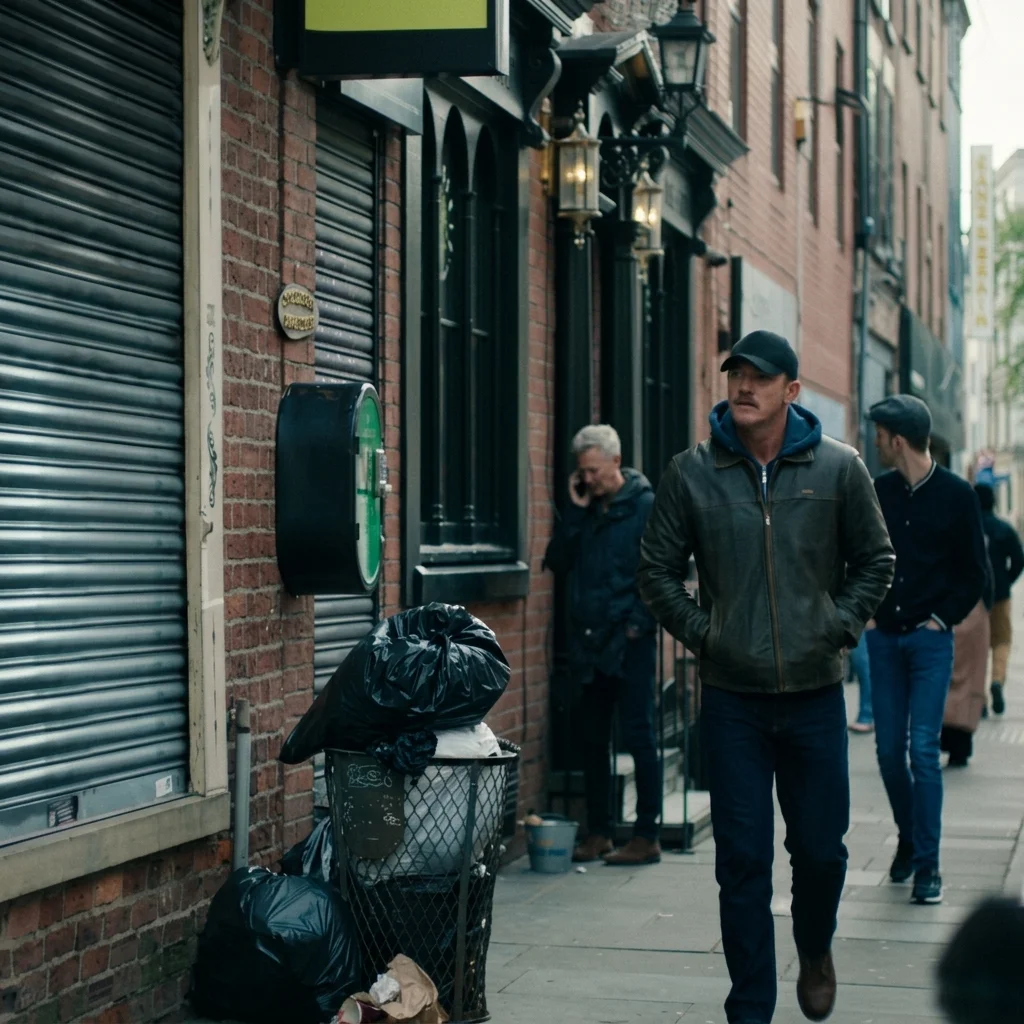
The Bar, After Closing
The two fuses meet at the bar where Adam now works, after closing time. Eli, the brother of the man Adam killed all those years ago, has been falling apart, betrayed by his girlfriend and blaming Adam for his mother’s collapse. He corners Adam at gunpoint and demands to know why his brother had to die. Before Adam can answer, Mike walks in to rob the place, swings his gun toward Eli, and the room comes apart. Eli and Mike fire at the same time. Mike takes a bullet to the head and dies. Eli is hit in the leg and lives.
What Adam does next is the film’s whole argument compressed into thirty seconds. He could let Eli take the fall for two bodies. Instead he offers to clean it up so that Eli walks away the hero who stopped an armed robbery. It is the most generous act in the movie, and Eli answers it by raising the gun and shooting Adam dead anyway. The grief was never going to be talked down by five pounds of restraint. In the aftermath Adam is celebrated as the brave man who died protecting the bar, a hero built on a lie, while Eli survives knowing he killed his own best friend and handed sainthood to the man he hated most.
The Real Night Behind It
A lot of people search whether this one actually happened, and the honest answer is in between. The plot is invented, but the pressure under it is not. Allocco has said the film grew out of a night from his own youth, when a young man held him at gunpoint for hours before letting him go. A week later that same young man shot and killed someone. You can feel that memory pressing on every scene. The movie is not interested in the spectacle of a murder. It cares about the ordinary kid in the hours before one, the version of him that still had a week left.

The Split Between Critics and Crowds
On the major review aggregators the film sits at 57 percent from critics and 68 percent from audiences, and that gap is the most interesting thing about its reception. Critics wanted a tighter thriller and found the convergence too tidy, the dialogue too flat. They are not wrong on the mechanics. But the eleven-point lift from regular viewers points to something the structure is doing on purpose. It is the same split that met Glen Powell’s How to Make a Killing, where the critics and the crowd parted ways. A revenge thriller is supposed to pay you off, to let the wronged man land the blow and the audience exhale. 5lbs of Pressure refuses that exhale. The man who reaches for grace dies for it. Eli takes his revenge and it hollows him out. Nobody is redeemed. What is left is the pressure, and the matter of who happened to be standing where when it let go.
That fatalism is also why the movie plays better on Netflix than it ever did in a theater. You are not buying a ticket to watch a hero win. You are sitting with a small, grim parable about how thin the wall is, and a streaming queue is a more honest place to meet it than a packed cinema. The title was the thesis all along. Five pounds is almost nothing. It is the weight of a full coffee cup, a paperback, a decision you cannot take back. The film spends ninety minutes asking what stands between a person and that weight, and its bleak final answer is: not much, and not for long.