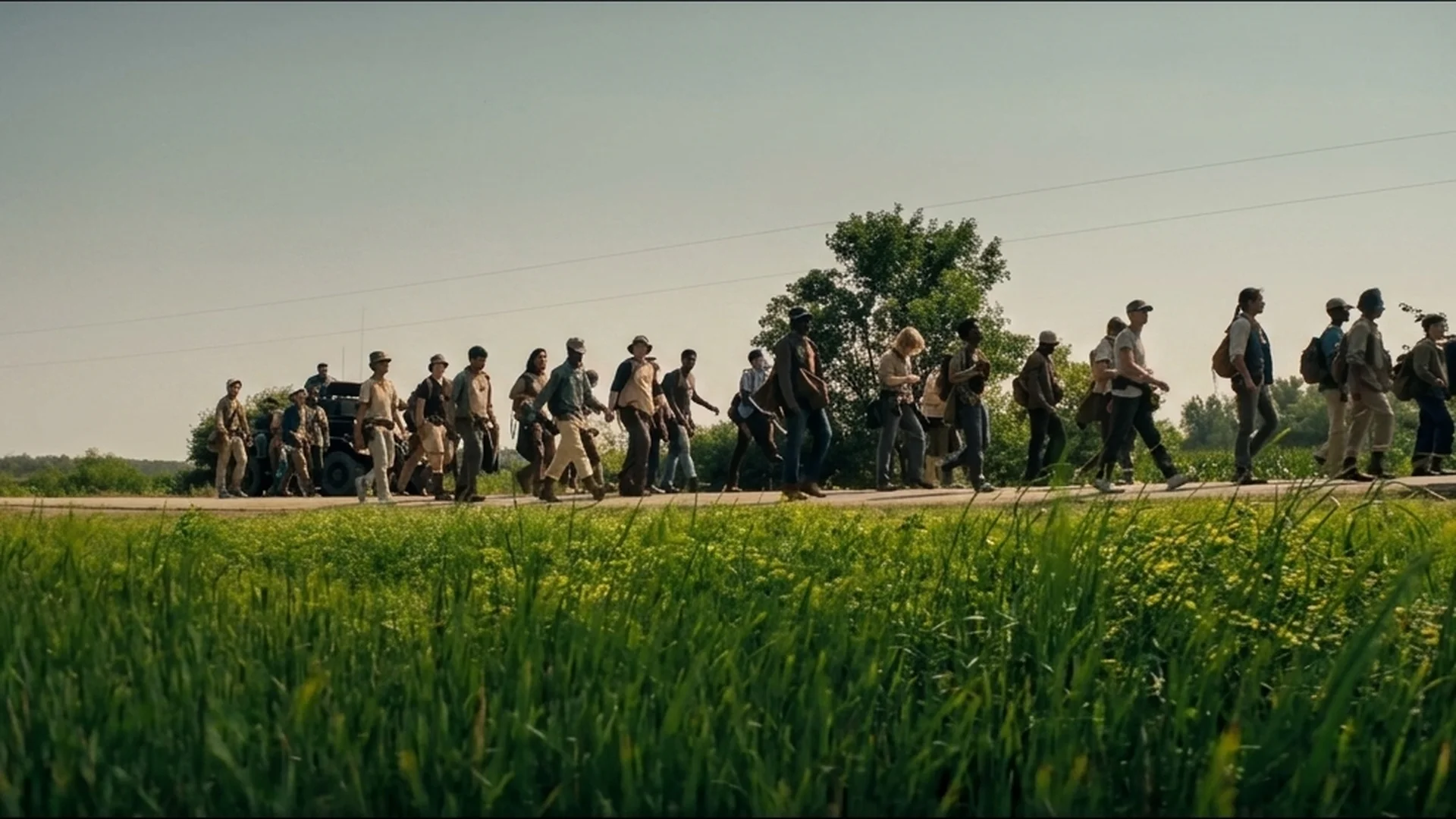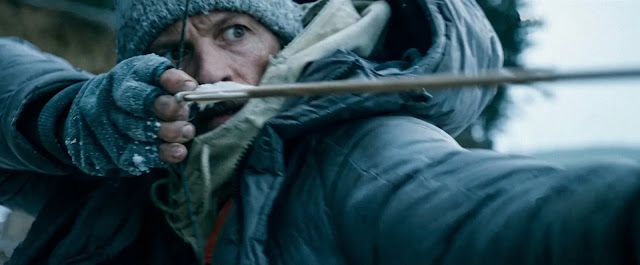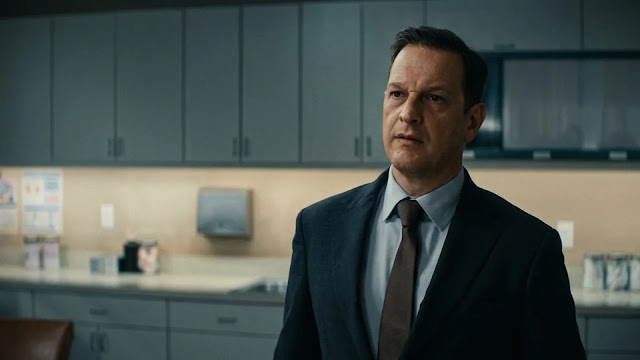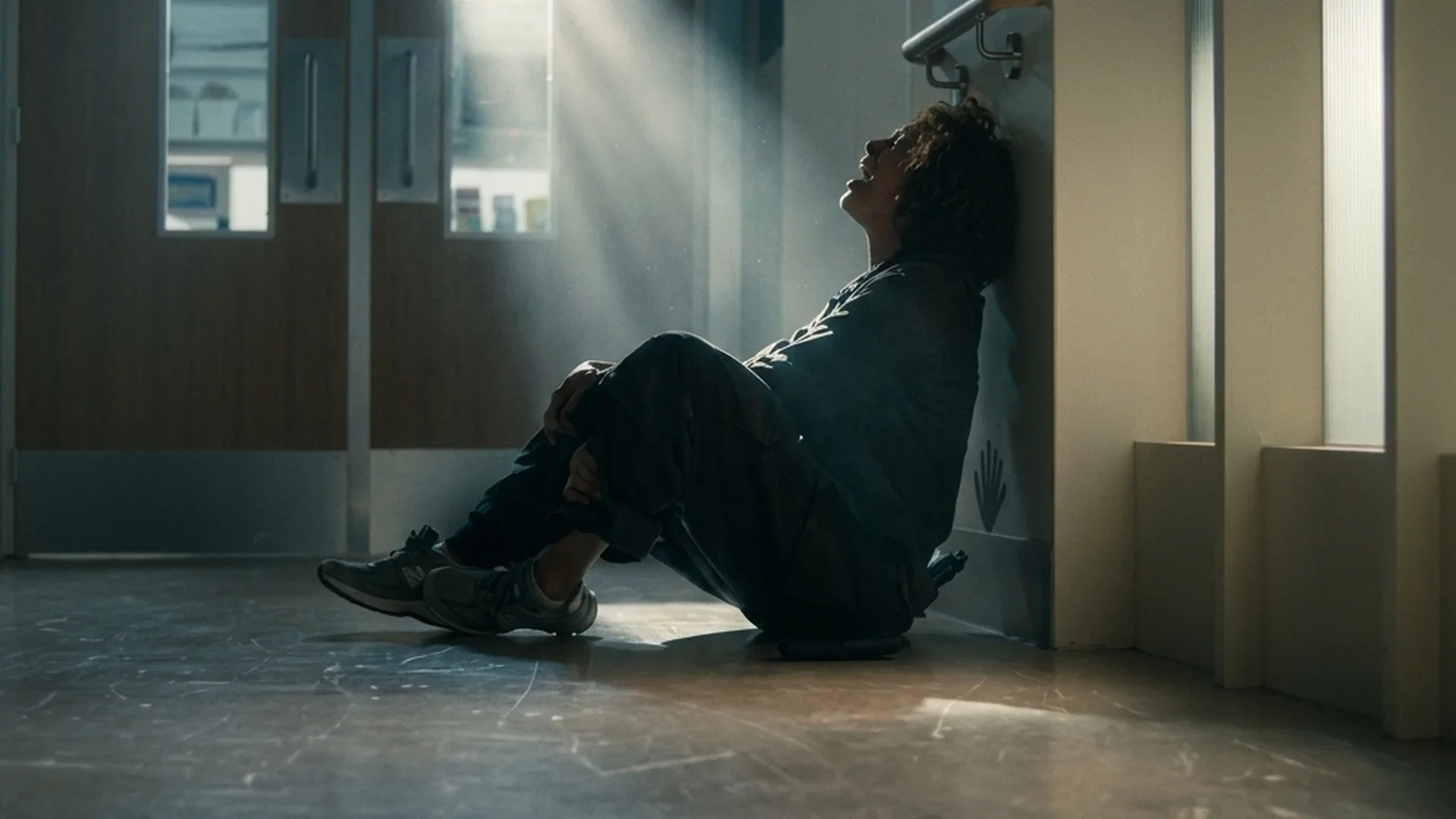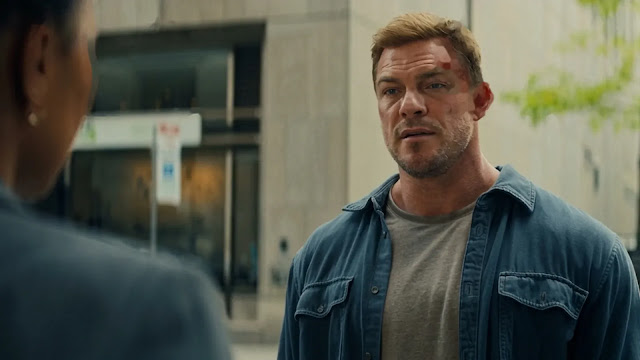
I finish a lot of prestige dramas, and I could not tell you, under oath, how most of them ended. Modern streaming runs on debt. Season two hands you a cliffhanger and expects you to still be holding it a year later, when season three finally turns up. Reacher owes you nothing. You can walk into any season of it cold and lose track of nothing, because there is nothing to lose track of.
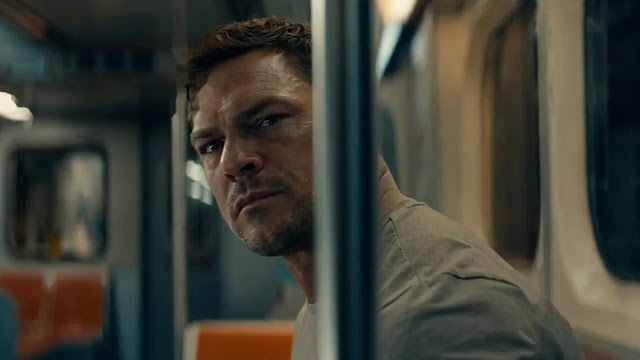
Season four landed on Prime Video on August 12 and went straight to number one. It adapts Gone Tomorrow, and it opens the way the best Reacher stories do, with one small, awful problem. On a late-night Philadelphia subway car, Reacher clocks a woman sitting wrong and starts running a mental checklist for a suicide bomber. He is right that something is off, but wrong about what. Pull that thread and it opens onto a government conspiracy, which is a wider canvas than this show usually paints on.
This is the part I keep turning over. Reacher does not adapt Lee Child’s novels in order, and it never has. Season one was Killing Floor, Child’s first book. Season two jumped to Bad Luck and Trouble, his eleventh. Season three doubled back to Persuader, the seventh. Season four now picks up Gone Tomorrow, the thirteenth. The show reaches into a shelf of more than thirty novels and grabs whichever one it feels like.
Most shows could not survive that. Serialized drama is a chain, and the order of the links is the story. Reacher is built the other way. He is a former military cop the size of a door, with no house, no phone, and no arc to finish. Dropped into a town, he finds a wrong that needs a large man to fix it, fixes it, and walks to the next town carrying nothing but a folding toothbrush. He does not grow, does not learn a lesson, and is exactly the same man in book thirteen as he was in book one. That is precisely why you can film them in any order.
Lee Child has said as much. The looseness of the series, he noted, gave the show the liberty to take any order it wanted. That is not a knock on the books. It is the whole design. Reacher was engineered to be endlessly repeatable, a hero with no continuity to protect, and the television version simply inherited that freedom. It is the same logic that lets a softer, soapier neighbor like Ransom Canyon run as a comfort machine that could roll on forever, fed by a deep enough well of novels to never run dry.
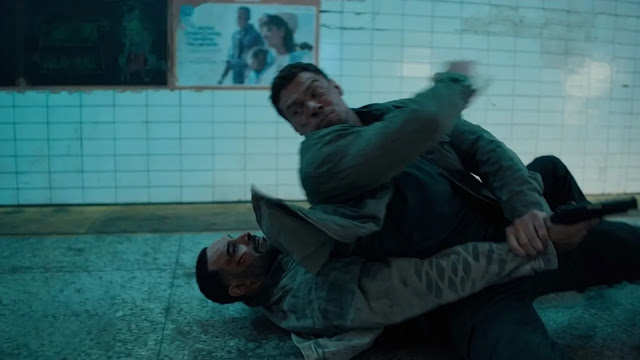
What the show is faithful to is not chronology but feeling. Alan Ritchson, unhappy with the action in season two, took over the fight choreography starting in season three, and you can see the result in how the violence lands now, blunt and fast and a little ridiculous. The fidelity is to the sensation of a Reacher book, the bone-crunching efficiency of a man who has already done the math on everyone in the room. The order was never the point. The feeling is.
That makes Reacher a strange fit for this moment, in the best way. Nearly every other big streaming drama is busy training you to remember, closing each season on a debt you are supposed to hold. Reacher hands you a clean case and shuts it. You could give a friend season four as their very first Reacher and they would be fine. Try that with almost anything else in your queue.
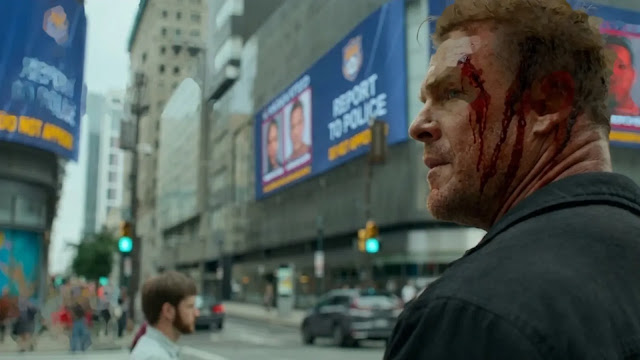
Which is what makes this season a real test. A government conspiracy is, by nature, a longer chain. It wants to sprawl, to keep threads open, to become the sort of thing you have to take notes on. The reviews have split right along that seam. The season sits at a strong but lower score than its predecessors, and critics have landed everywhere from best yet to least satisfying. Some love the bigger stakes. The move toward espionage puts it in the company of another Prime thriller shaped by its moment, though Reacher has more of its own shape to lose in the trade. Others feel the show straining against that shape, reaching for a scale that fights the clean, closed pleasure it is known for.
I lean toward the skeptics, but only gently, because the appeal here is so particular. Reacher works because it asks nothing of your memory and everything of your attention for eight hours, then lets you walk. A conspiracy that begs you to remember is a different animal from a drifter who forgets you the second he leaves town. Season four is betting it can be both at once. Whether that bet honors the character or slowly buries him is the only cliffhanger this show has ever really offered.