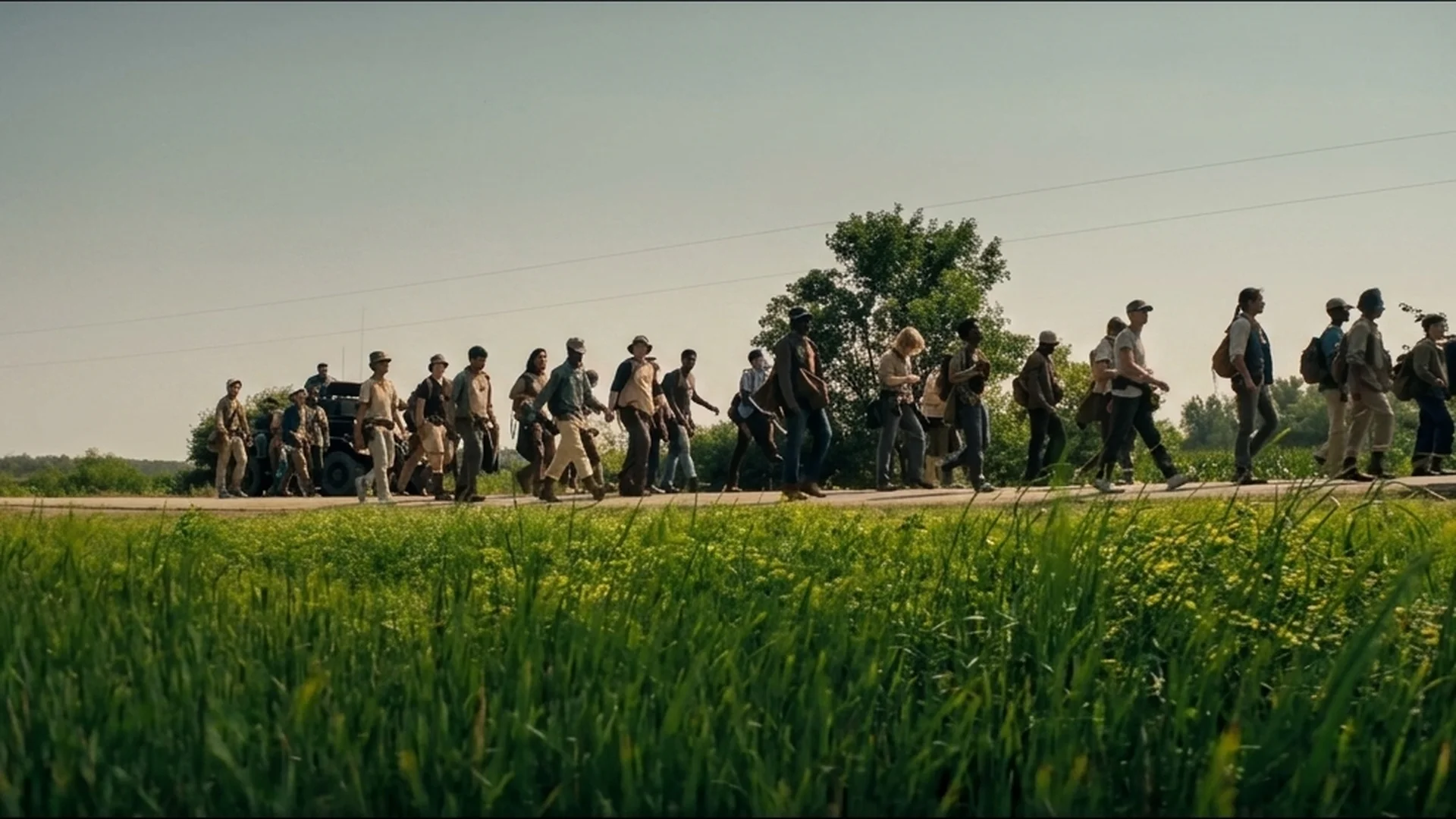
The rules of the Long Walk fit in a single breath. Fifty teenage boys, one from each state, start walking down a two-lane highway. Slow down and you collect a warning; collect three, and a soldier shoots you where you stand, which the game cheerfully calls buying your ticket. The last boy on his feet wins more money than he could ever spend, plus one wish, for anything he wants. There is no finish line. The road just goes on until forty-nine boys are dead.
Francis Lawrence’s film of Stephen King’s novel arrived on HBO Max on July 10 and was the number one movie on the platform within days, ten months after a theatrical run that turned a twenty-million-dollar budget into sixty-three million. Undertone made the same trip earlier this summer, theater to the top of the HBO Max chart. The viewers meeting The Long Walk at home now tend to leave it with the same two questions: what did that ending mean, and why is it nothing like the book. The short answer is that the movie keeps King’s cruelty and replaces his despair. I think it chose honestly, and the long answer is worth walking through.
The Game and the Man Who Runs It
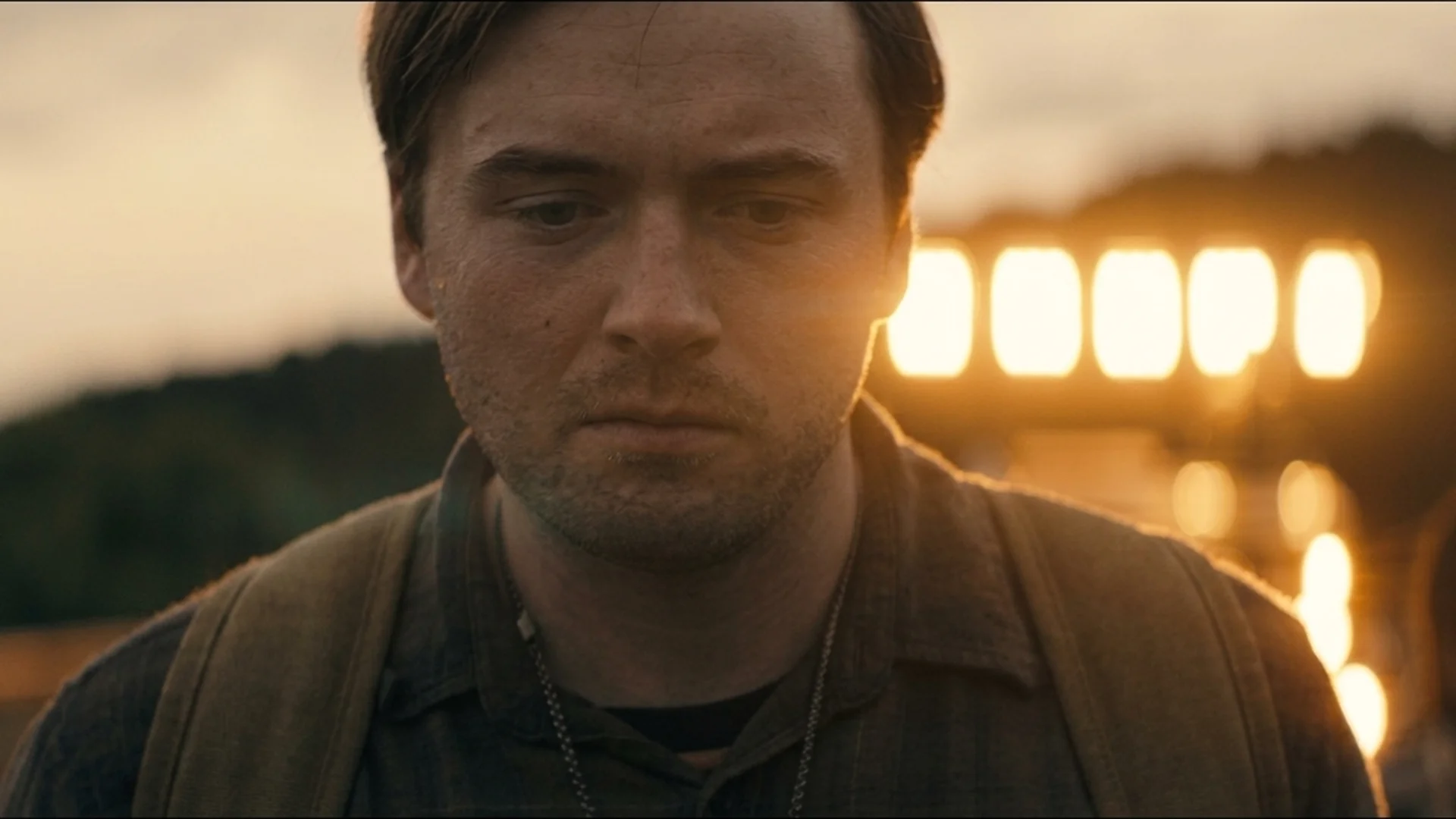
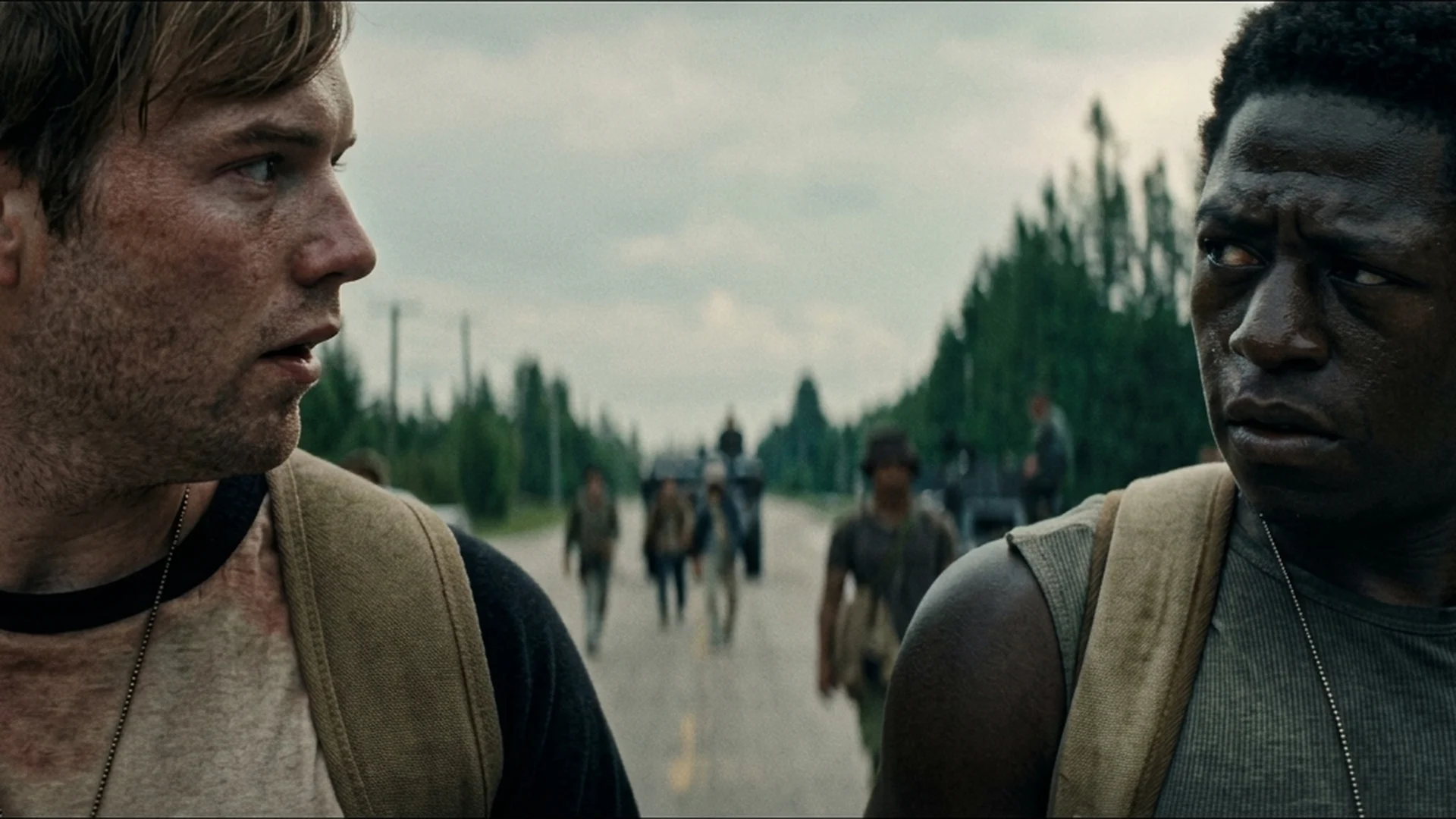
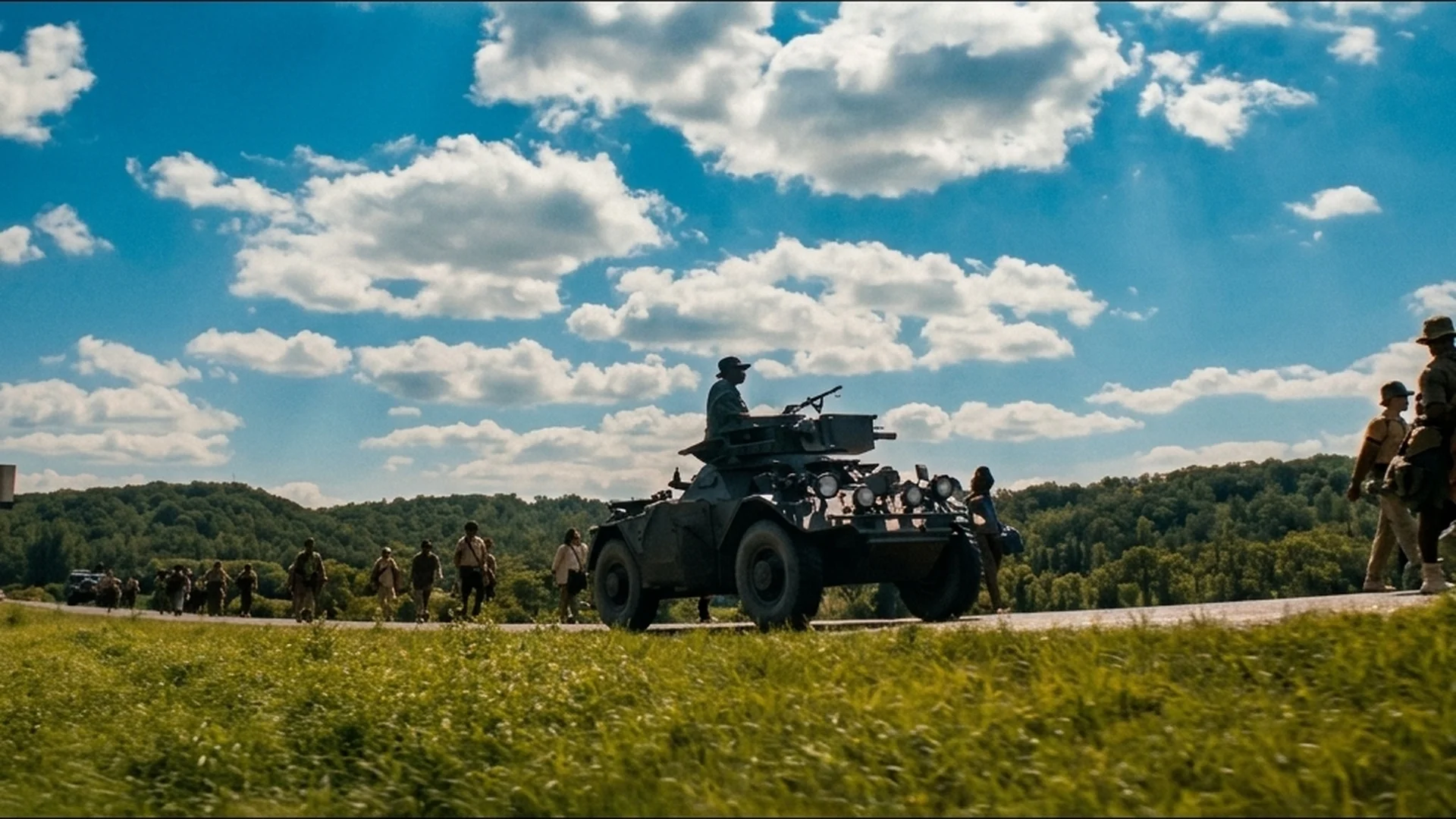
The film sets the Walk in a rundown alternate America governed by a military regime, which broadcasts the contest every year as patriotic programming: endurance as virtue, obedience as entertainment. Ray Garraty (Cooper Hoffman, Philip Seymour Hoffman’s son) signs up with a private reason. His father was executed by the regime, and Ray has come to the starting line intending to get close to the man who runs the Walk. Peter McVries (David Jonsson, the unnerving android of Alien: Romulus) falls in step beside him, and the friendship that grows between them becomes the spine of the movie.
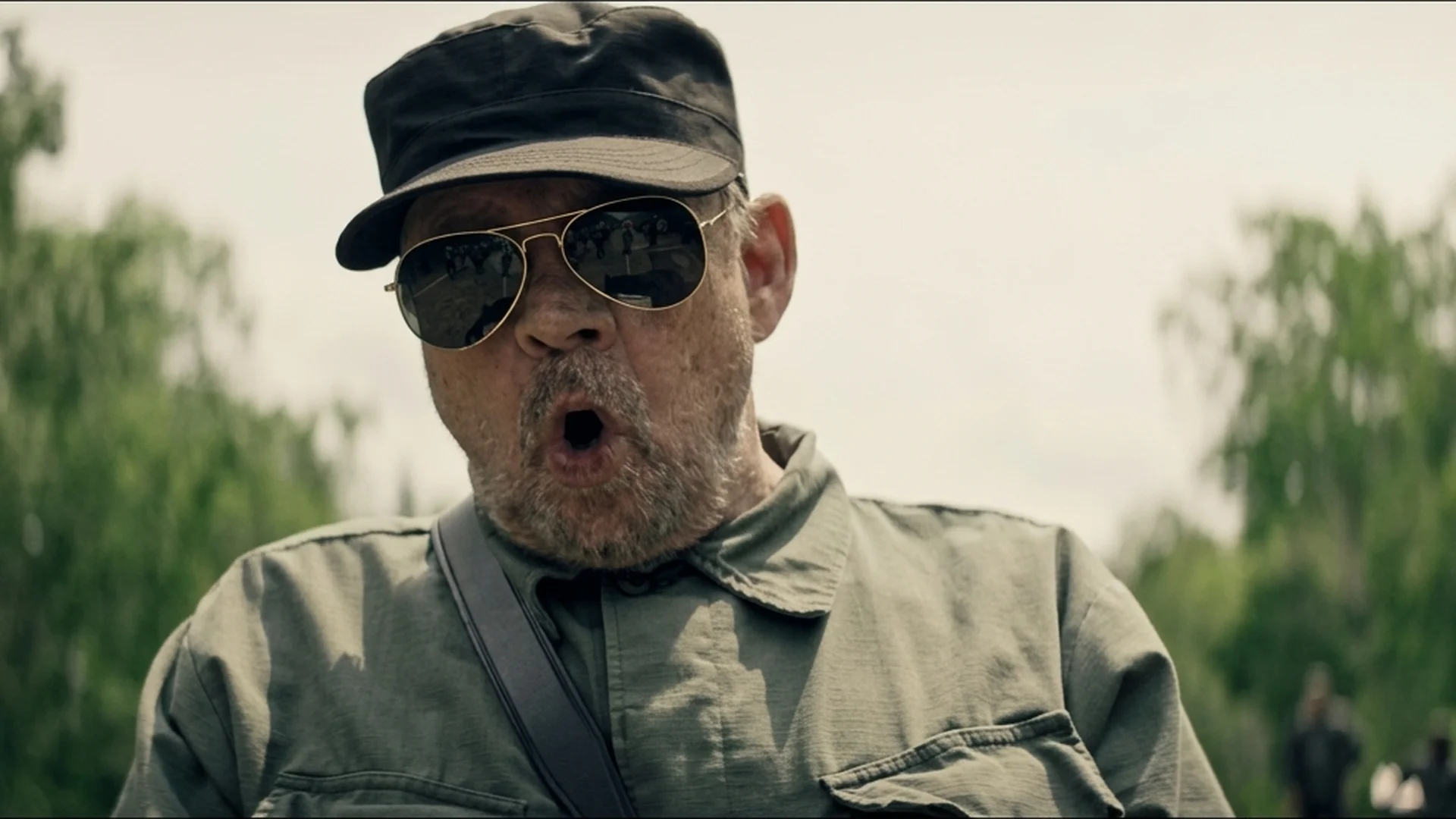
The man in question is the Major, played by Mark Hamill as a gravel-voiced salesman of sacrifice. It is casting against every warm thing you remember about him, and it lands. Screenwriter JT Mollner, who wrote the lean thriller Strange Darling, keeps the machinery simple and gives the rest of the pack, Charlie Plummer and Ben Wang among them, enough room that every ticket costs you something.
The Ending King Wrote First
King started this story in 1966, as a college freshman in Maine, before Carrie, before fame, before the name Stephen King meant anything to anyone. It was the first novel he ever wrote, and it reached print in 1979 under his Richard Bachman pseudonym. For nearly half a century afterward it defeated every filmmaker who circled it. George Romero was attached at one point. Frank Darabont, who made The Shawshank Redemption and The Green Mile out of King’s pages, held the rights for years and never shot a frame.
The book’s final page is the reason the material scared people. In the novel the field is a hundred boys, and Garraty outlasts all ninety-nine of the others; by the time the crowd is chanting his name, there is nobody left inside him to hear it. He looks past the Major’s approaching jeep, fixes on a dark figure up the road that only he can see, and keeps walking. The prize is never collected. In King’s version, winning is just dying a little later than everybody else.
That is a devastating paragraph and an almost impossible shot. The collapse happens inside Garraty’s mind, where prose can live and a camera cannot go. Any faithful filming would end on a boy staggering up an empty road, with the meaning locked out of frame. I suspect that is the wall Romero and Darabont kept hitting.
The Rain, the Wish, and the Carbine
The movie ends in a downpour, with two boys left. McVries decides it first: he stops, kneels, and waits for the rifles, meaning to hand his friend the win. Garraty pulls him up and begs him to walk a little further together. Then, while McVries is still holding that promise, Garraty stops walking himself and takes the ticket meant for his friend. It is the only lie he tells in the film, and he pays for it with everything he has.
So McVries wins. Asked to name his wish, he requests a soldier’s carbine, and he uses it: the Major falls dead in front of his own cameras, the revenge Garraty had walked all those miles to take. Then McVries turns and walks off into the rain. The film never shows what happens to him afterward, and it does not have to. A regime that shoots boys for slowing down was never going to file that shot under forgiveness.
The Trade the Movie Makes
You can call the new ending a betrayal, and some longtime readers have. I read it as a trade, made with open eyes. The book says the machine hollows out even its winner. The movie says the machine can be made to bleed, and it prices that sentence honestly: one boy dead on the road, the other spending his fortune on a rifle and his future on the trigger. Nobody gets saved. What changes is where the story points its last ounce of strength, inward at collapse or outward at the man holding the microphone. Obsession pulled a version of the same move this year, a love that could only finish its work through a death.
As filmmaking, it earns the nerve. Two hours of boys walking has no business holding together, and it holds, mostly on Hoffman’s crumbling openness and Jonsson’s watchful calm; the 88 percent critics’ score from last fall was no rounding error. My one reservation is that a story shaped like a straight line has nowhere to hide its repetition, and you feel the middle miles in your own legs, which may be intentional and is still a cost. What stays with you is the swap itself. King, as a college freshman, wrote an ending where winning and losing arrive at the same place. The movie hands its ending to a friendship, and lets love pull the trigger the dead boy never could.
1 thought on “The Long Walk Ending Explained — Why the Movie Doesn’t End Like the Book”