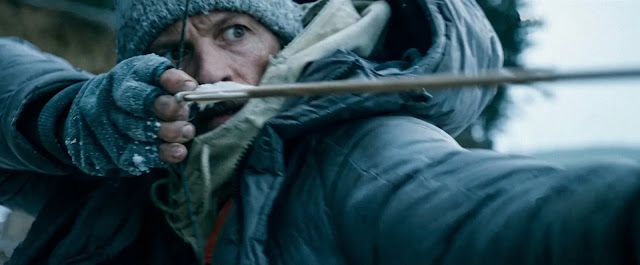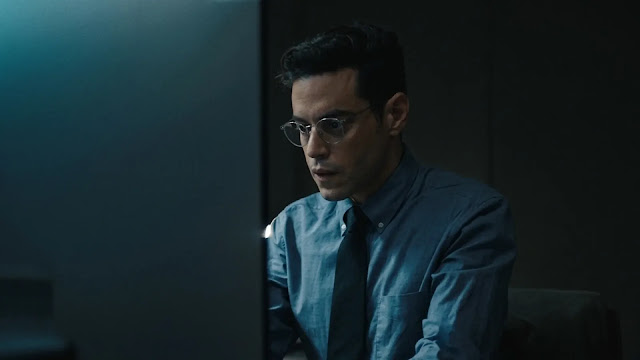
Charlie Heller is a CIA codebreaker who is brilliant with patterns and useless with a gun. When his wife is killed in a terrorist attack in London and his superiors decide the case isn’t worth chasing, he does the only thing a man like that can do. He blackmails the agency into training him, then goes after the people responsible himself. That is the whole engine of The Amateur, the Rami Malek thriller now streaming on Prime Video. It’s a strong hook, and it’s also a very old one. Hollywood told this exact story in 1981, and holding the two versions side by side turns out to be more interesting than either film on its own.
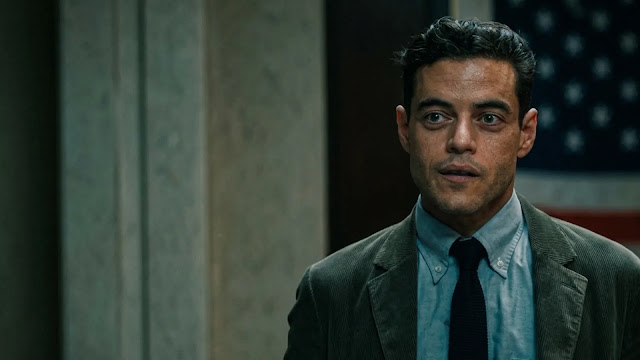
A Codebreaker Who Can’t Fire a Gun
Heller is a desk analyst, not a field agent, and the movie works hard to keep him bad at everything an action hero is supposed to be good at. He flinches at violence, he can’t fight, and when he finally corners a target, he doesn’t win with a gun. Instead he rigs a hotel pool to explode at the push of a button. Malek plays him with a familiar stillness, all watchfulness and held breath, which suits a man whose only real weapon is his attention. Rachel Brosnahan plays the wife he loses, and Laurence Fishburne the reluctant handler ordered to train him. Fishburne’s veteran becomes the film’s voice of doubt, the professional who keeps warning that wanting revenge and surviving it are two different things. Malek also produced the movie, and you can feel the idea he wanted to protect: the avenger never turns into a killer in the usual sense. He stays an analyst who has decided to aim his skills at people instead of code. It’s the same world Wardriver moved through, where the person with real power never touched a weapon, only a keyboard.

The Same Story, Forty-Four Years Apart
The film doesn’t pretend the premise is new. The Amateur is based on Robert Littell’s 1981 novel, which was filmed the same year with John Savage as Heller and Christopher Plummer beside him, directed by Charles Jarrott and set mostly in Prague. That version was a knotty Cold War spy thriller in the tradition of Three Days of the Condor, leaning on the paranoia of its moment, all rain-slicked streets and men in overcoats trading secrets. But it hangs on the very same spine: a codebreaker whose wife is murdered forces the CIA to make him into the thing it won’t become for him. Watch the two back to back and the bones are identical, down to the grief that starts the whole machine. It’s rare to find a remake this faithful to the shape of the original and this different in texture. What changes is the toolbox. The 1981 Heller had to out-maneuver professionals with tradecraft, patience, and nerve. The 2025 Heller lives in a world that already runs on code, and that turns his desk job into a superpower.
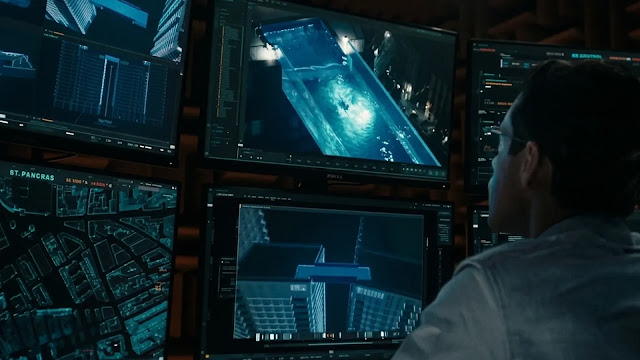
The Amateur’s Weapon Keeps Up With the Times
This is the part I keep turning over. The amateur’s edge in this story has always been whatever frontier the professionals underestimate. In 1981, that was a low-key technician who understood the new machines better than the field agents did. In 2025, it’s a man who can move through surveillance systems, bank records, and locked doors without leaving his chair. The fantasy underneath both films is the same, and it’s a durable one. The least threatening person in the building is secretly the most dangerous, and nobody sees it coming because he looks like he belongs at a desk. That is why the story keeps getting remade instead of retired. The costume changes with the decade, and the wish stays exactly where it is. It’s a colder, lonelier take on the spy fantasy that shows like The Agency keep running, where the decisive work happens in back rooms rather than gunfights.
What the Update Can’t Fix
The upgrade doesn’t fix everything. The plot gets more implausible the longer it runs, and the set pieces built around Heller’s hacking start to strain once you notice how obligingly the world bends to his keystrokes. A lot of reviews landed on the same word for the film: distant. Malek’s control, the thing that makes the character believable, also holds you at arm’s length, so the revenge never quite burns the way it should. The film is sharpest in its first half, while Heller is still learning what he’s willing to do, and thinner once he gets good at it. It sits at a middling score on most aggregators, the kind of number that means competent but not urgent. My honest read is that the 2025 version carries more feeling than the analog original and less of its tangled pleasure, a smart premise executed unevenly. Still, the reason it exists, and existed in 1981, and will almost certainly exist again, is simple enough. We like imagining that the quietest person in the room is the one to be afraid of.