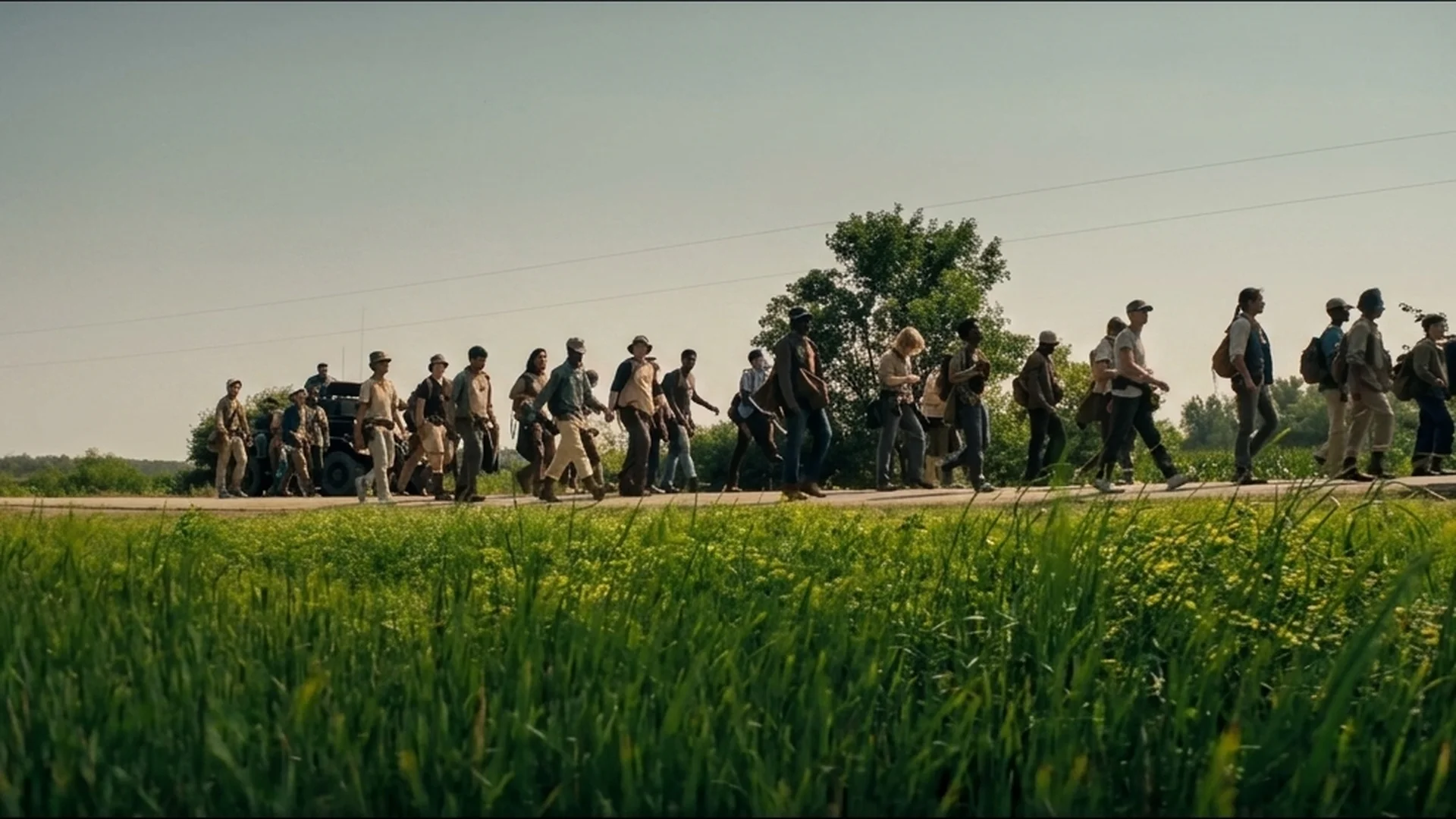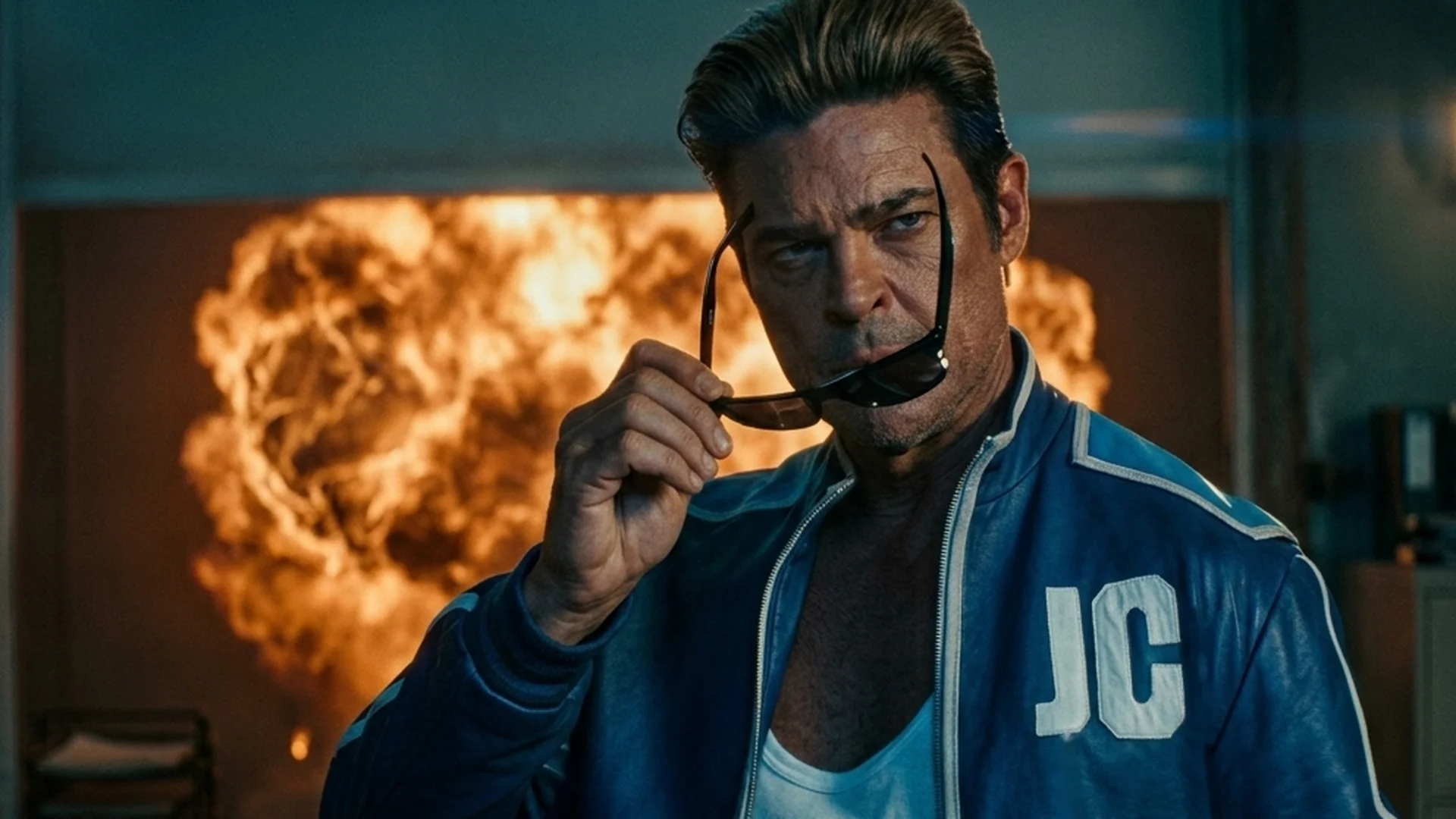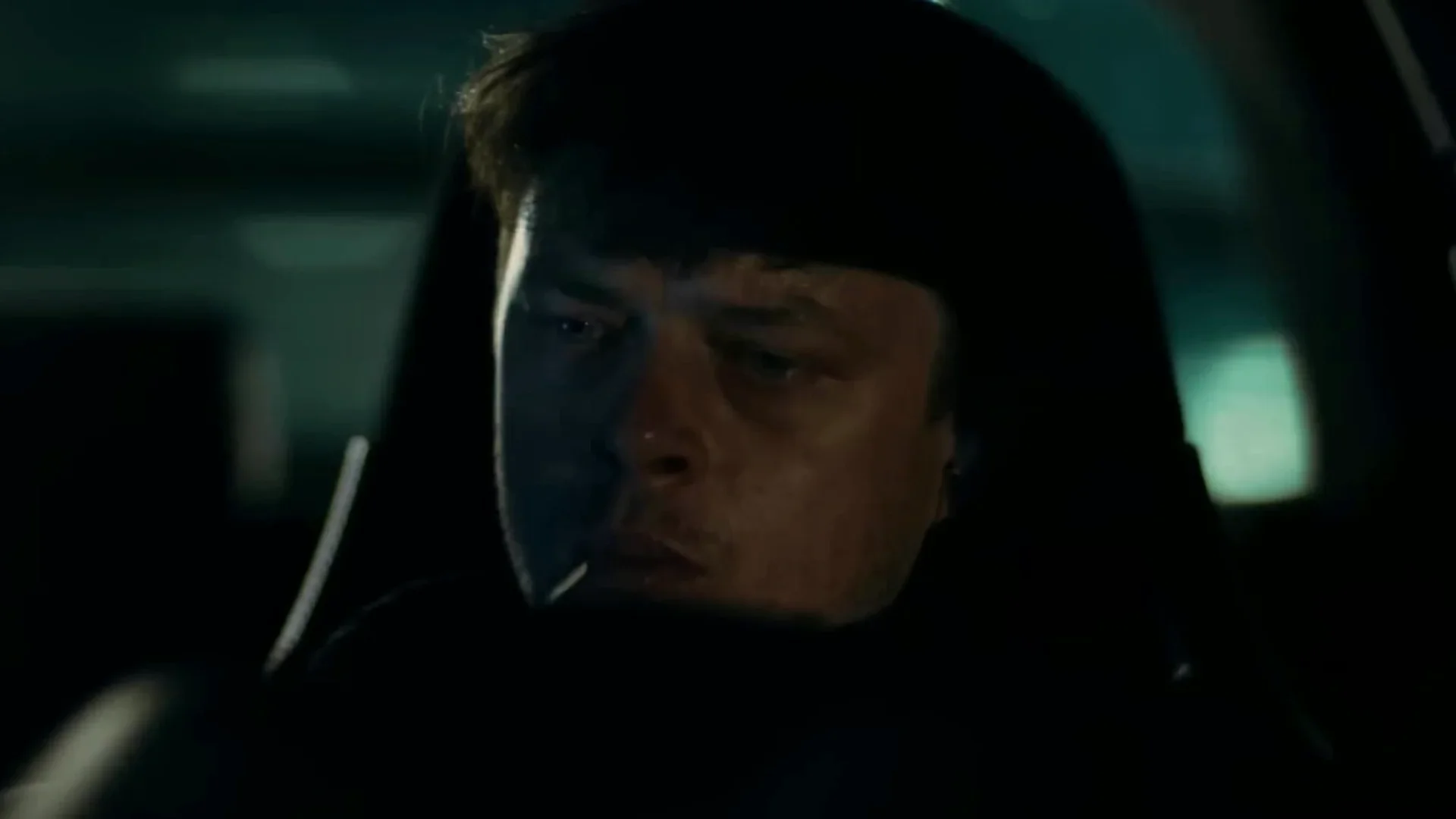
The title of Wardriver is a real thing. Wardriving is the practice of cruising a city with a laptop, sweeping for wireless networks to break into, stealing while you keep moving so you never have to look at anyone you take from. That distance is the whole story Cole tells himself: if he is never in the room, no one really gets hurt. The movie exists to walk him into the room.
Turn back now if the heist is still ahead of you. Everyone in Wardriver is running a con, and the last person to work out whose con it really is happens to be Cole, the one who thought he was pulling it. He is the mark. The job was built to use him and then bury him, and the reason he survives is a stranger who hated his own boss more than he cared about the plan.
How Cole Gets Pulled In
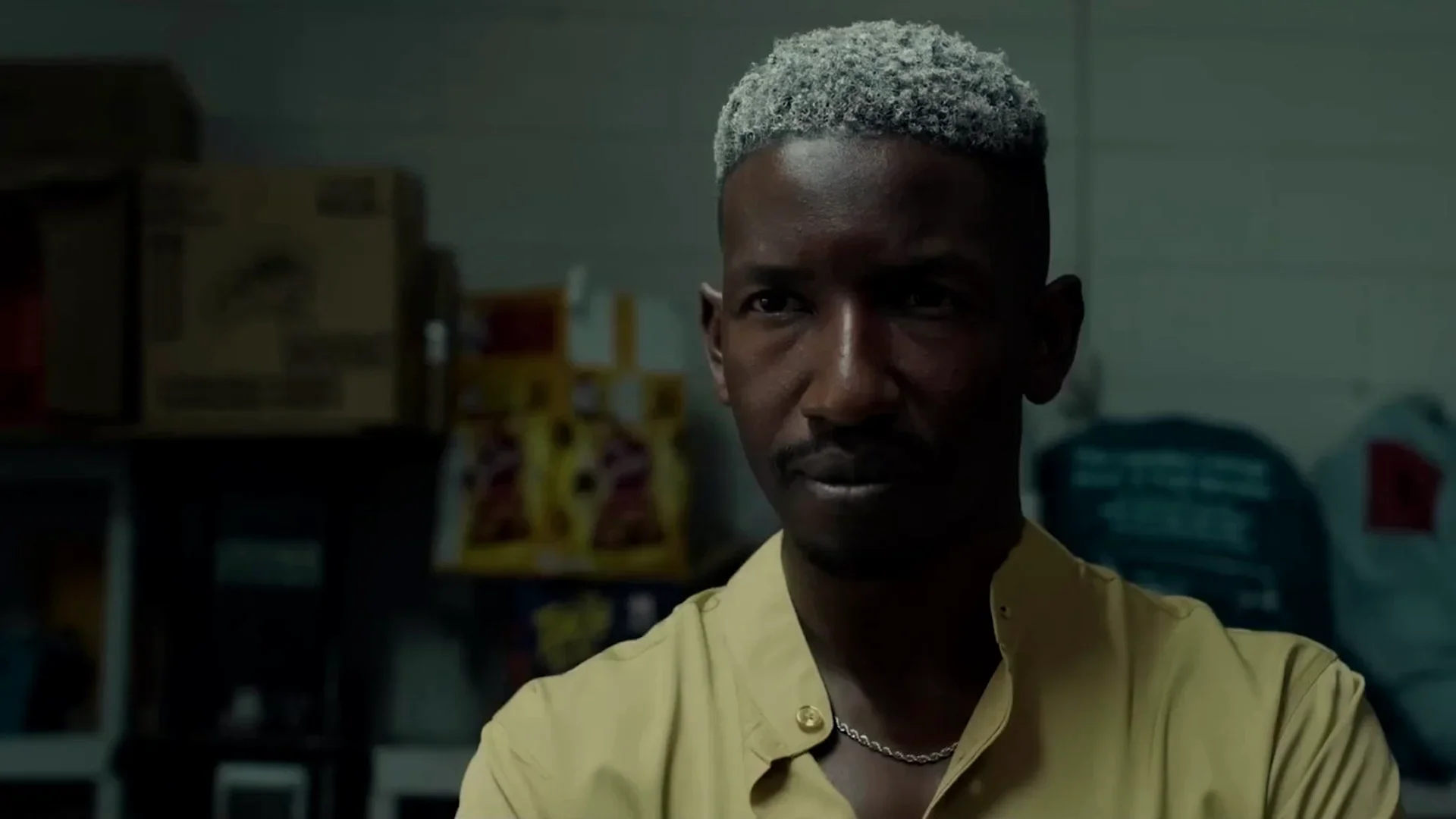
Cole (Dane DeHaan) is a small-time hacker who works alone from his car and tells himself the same lie every night. That routine ends when Oscar (Mamoudou Athie), a black-market tech predator, corners him into a million-dollar job. The target is Bilson (Jeffrey Donovan), a mob lawyer sitting on a laundered fortune, and the way in runs through Sarah (Sasha Calle), a woman Cole is steered toward and told to trust. On paper it is a straight heist: case the house, beat the security, take the cash, split it with his partner Doug (William Belleau). Cole thinks he is the one calculating the risk. He is being calculated.

The Con Underneath the Con
The reveal is that Sarah and Oscar are the ones running the board, together, and have been from the first meeting. They are involved, and Cole is the tool they picked to drain Bilson without their own fingerprints on it. The night of the job, Sarah takes Bilson out and lifts his phone before dinner, then hands it to Oscar; that phone controls Bilson’s home security, which is how Cole walks into a wired house and out with the money. He clears every bag but leaves a door open behind him, and Bilson’s wife comes home to realize the place has been hit. The design was always for Oscar and Sarah to vanish with the cash once Cole had carried the risk, with Cole himself as the loose end to be cut.

How Cole Gets Out Alive
What saves Cole is not cleverness but somebody else’s grudge. A man on Bilson’s payroll, who despises the boss he works for, figures out what Sarah and Oscar are doing and tips Cole off before the trap closes. Warned, Cole is no longer the man walking blind into his own execution. It is a sour kind of luck, a rescue that owes nothing to his own cleverness and everything to a stranger’s resentment for a boss who probably deserved it. The film keeps the aftermath deliberately unsettled: Cole and Doug come away with bags of money and go their separate ways, and we are not handed a tidy account of what happens to any of them next. Cole makes a point of letting it be known that he learned Sarah’s real alias, the one detail that says he is not entirely a fool anymore.
What the Ending Is Actually About
Wardriver ends on consequence, not escape. Cole spends the film convinced that distance is the same thing as innocence, that a crime committed through a screen from a moving car does not land on a real person. The con strips that away by making him the person it lands on: watched, used, nearly killed, forced for once to see the operation from the inside of the mark. The wardriver who never had to look at the people he robbed ends up watched, handled, and set up by two who studied him the way he studies networks. He gets out with money, but not with the story he told himself. I think that is the smartest thing the movie does, and it is why the unresolved final stretch feels earned rather than evasive. Sarah is left as a maybe, a door not quite shut, which is about as much comfort as a movie this cold is willing to hand you.
Is It Worth Watching?
For a lean ninety-four minutes, yes. Director Rebecca Thomas shoots the hacking as something physical and nervy rather than rows of glowing text, and Dane DeHaan is well cast as a man whose confidence is mostly a shield. The plot leans on noir furniture you have seen before, the femme fatale and the double-cross and the honest thief, and it does not reinvent any of it. What it does have is a clean idea under the hood and the discipline not to bail Cole out with a happy ending. If you want a tight crime thriller that respects your time and does not pretend its antihero is a good guy, it earns the watch.