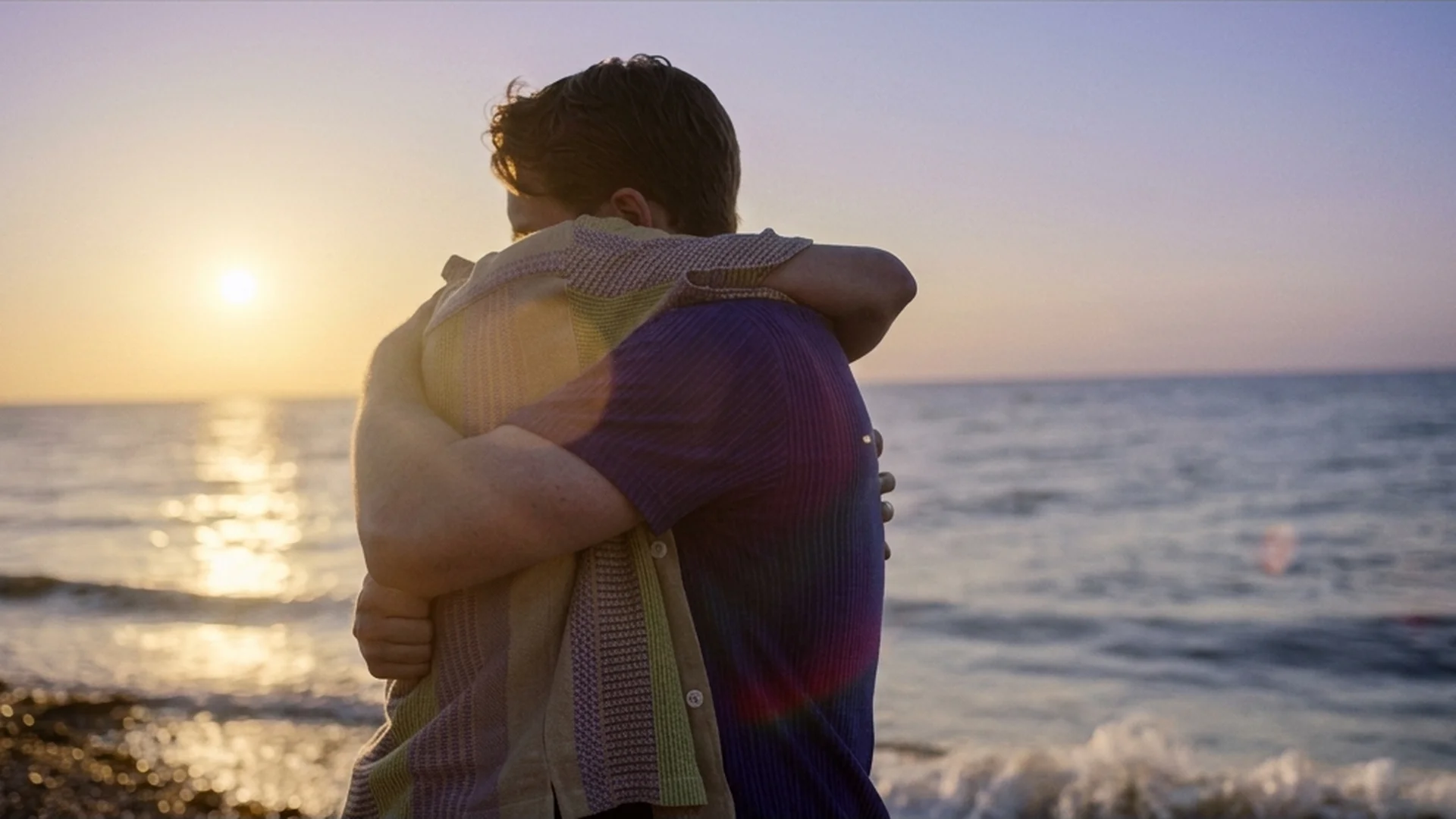
I have a soft spot for the kind of show that trusts small moments to carry the weight. Heartstopper built four years of television out of them: a hand held on a school bus, the particular terror of sending a first text, animated leaves drifting into the corner of the frame every time two boys let themselves realize they liked each other. On July 17 it ends, as a film called Heartstopper Forever, standing in for the fourth season it will never get. And the thing I keep turning over is how odd an assignment that is for this show in particular. Heartstopper spent three seasons proving that a queer teenage love story was allowed to be ordinary and safe. Now it has to prove something harder.
What Heartstopper Was Actually Doing
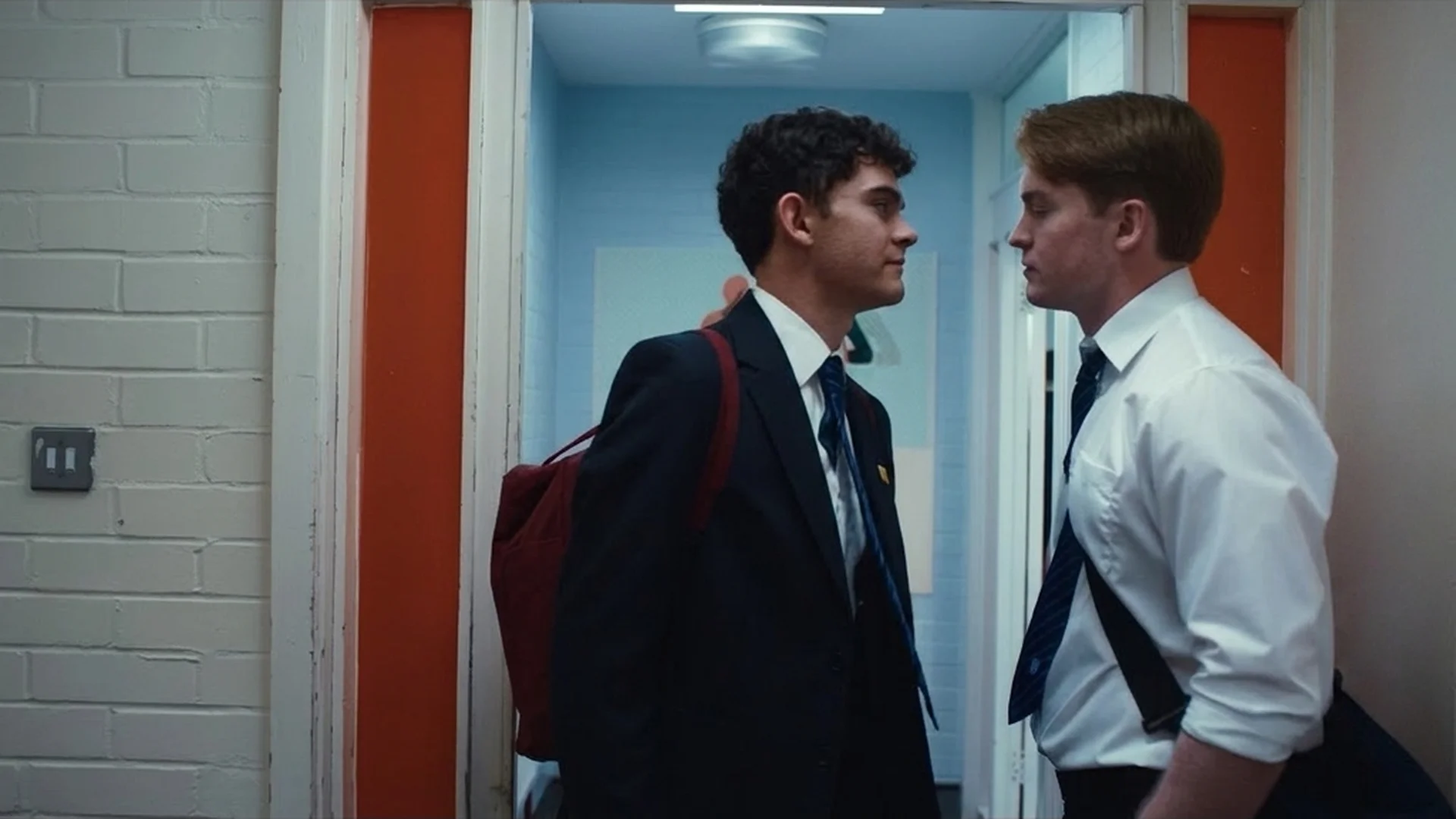
It is easy to file Heartstopper under comfort television and leave it there. Cozy, low-stakes, a little twee. That description is accurate, and it misses what the show was up to. For decades the default queer coming-of-age story ran on pain: the beating, the funeral, the boy who does not get to grow up. Heartstopper’s argument, made without raising its voice, was that none of that was required. Nick and Charlie get bullies and bad days and a real, careful storyline about Charlie’s eating disorder, but the series never asks them to bleed for the privilege of being together. The tenderness was the whole point. Alice Oseman, who created the graphic novels and wrote every episode, said it flatly in a recent interview: it is okay to want a happy ending. Wash Westmoreland is directing the film, and his best work, Still Alice and Colette, is about grown people carrying love and loss without losing their footing. He is a steady pair of hands for a story that suddenly has to grow up inside two hours.
The Film It Chose to Be
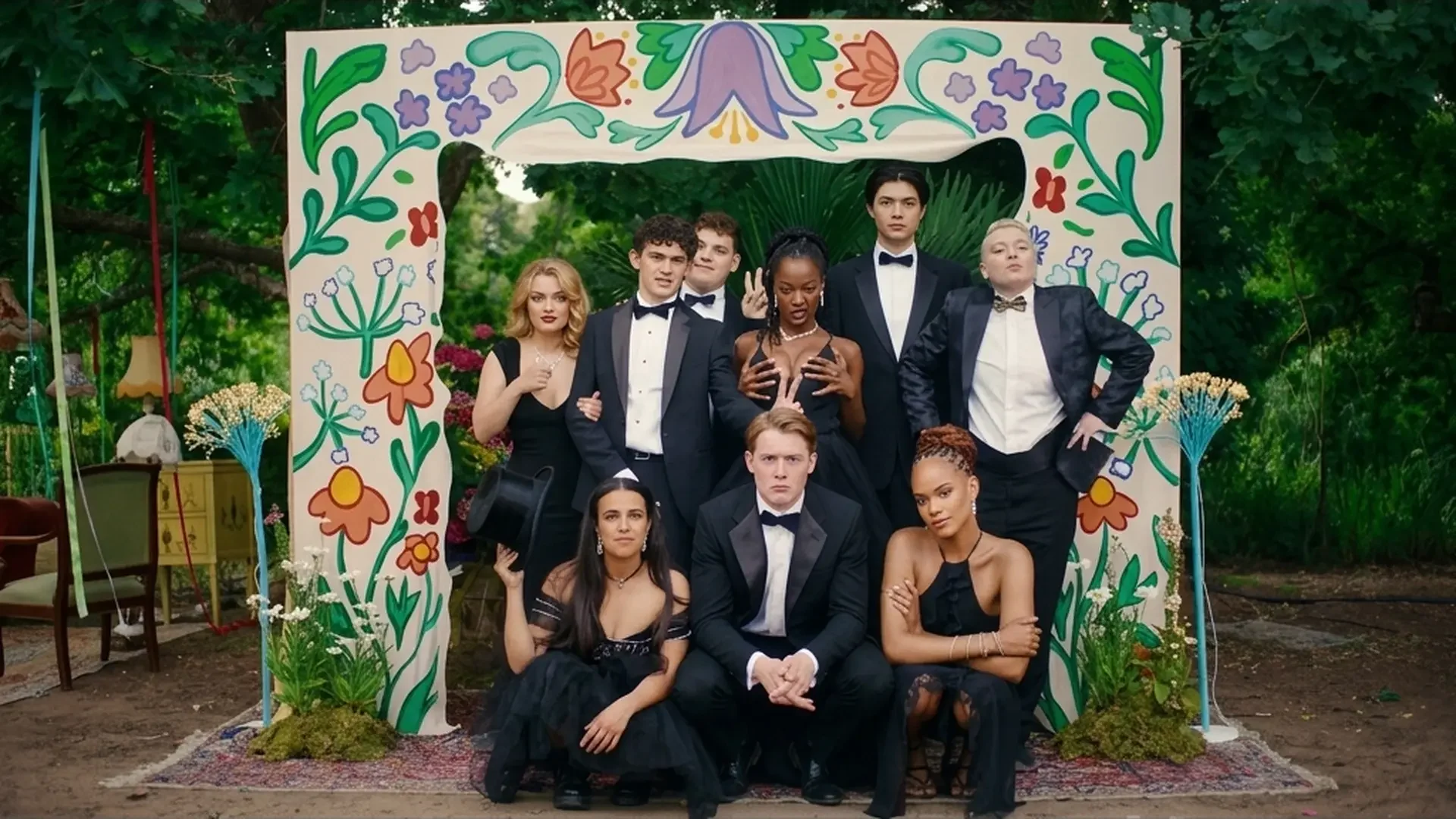
That is the promise the finale has to keep, which is why the format turns out to matter. Netflix reportedly folded a planned fourth season into a single film after season three’s numbers slipped, and that sounds like an accountant’s call. Oseman tells a different story, and I believe hers. She says she always knew the ending arrived at the moment Nick leaves for university and the shared world of school is over. A film, she points out, means two hours straight in this company instead of a scatter of half-hour episodes. The movie adapts the sixth and final graphic novel along with her novella Nick and Charlie, the book that dug into this very parting years ago on the page. And it lands on an image she settled on early and never second-guessed: a book of memories. For a story this attentive to the small stuff, closing on a record of it feels right. It also gives the whole ensemble, Elle and Tao, Tara and Darcy, one last room to share instead of a farewell tour of separate exits.
The First Time the Show Lets Distance In
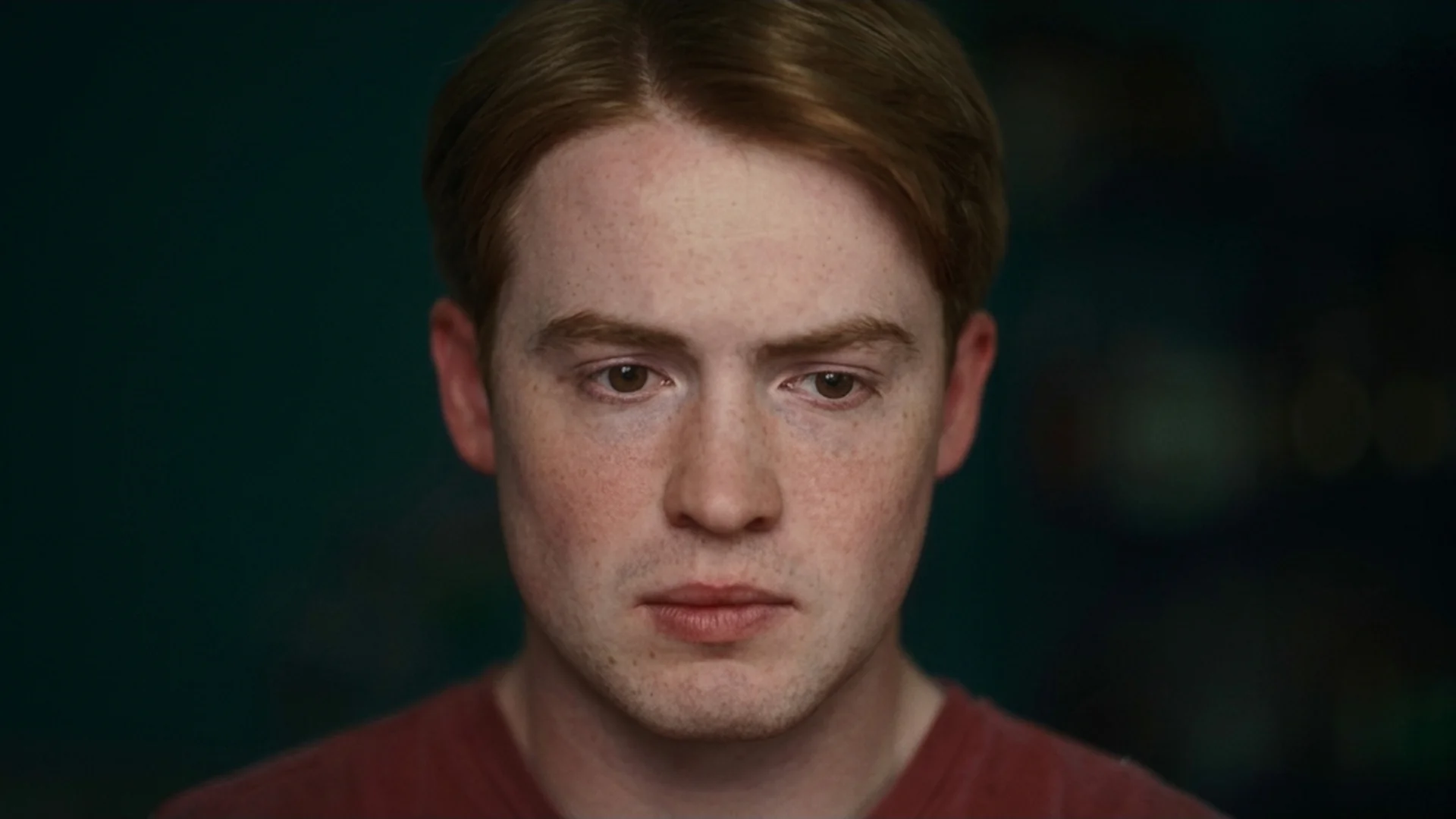
This is the part that makes me curious instead of nervous. Every season of Heartstopper has been about getting closer. The finale is about the reverse. Nick is leaving; Charlie is staying. The central threat is not a villain but a train timetable, and the fear sitting under it, the one Oseman has named out loud: Nick is not sure who he is without Charlie beside him. That is the first destabilizing thing the show has let itself feel. A story built on nearness now has to look straight at separation and decide whether its whole worldview survives contact with real distance. A lot of series would reach for a breakup and a weepy reunion right here, the way most romances do. This is a different kind of queer love story, and I suspect it is after something less loud and more honest: that two people can love each other and still have to release the shape their love used to take.
Ending on a Hi
The companion documentary Netflix releases a week later is called Heartstopper: Ending on a Hi. It is a good joke and a better mission statement. Hi is the first word Nick and Charlie ever say to each other; the whole series grew out of that syllable. To end on it is to insist that goodbyes and hellos are cut from the same small cloth. Oseman has called the finale bittersweet, sad to leave these characters and proud to have ended them exactly as she wanted. That, I think, is the real test in front of the movie, the same test that faces any beloved series when it decides how to end. Not whether it will make you cry, but whether a show that made its name on the ordinary magic of everyday life can close the book without pretending the closing is easy, and without breaking its promise that these kids get to be all right. If it manages both at once, it will have earned the forever in its title.