Yes. A Child of My Own, currently the fourth most watched film on Netflix in the United States, is built on a real case, and the true story is colder than the soft one the movie opens with. For its first stretch, the film plays like a warm melodrama about a woman aching to become a mother. Then it stops, turns to the camera, and reveals itself as a documentary about a kidnapping. The gap between those two halves is the whole point.
What Actually Happened
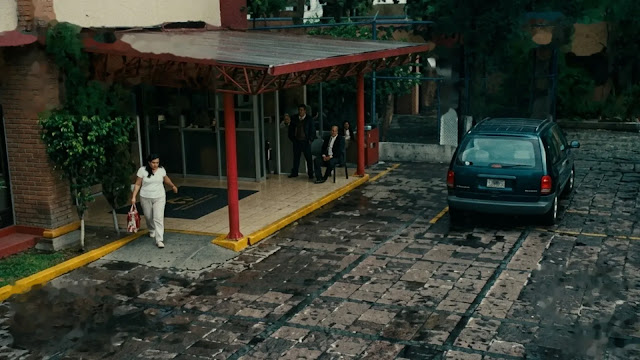
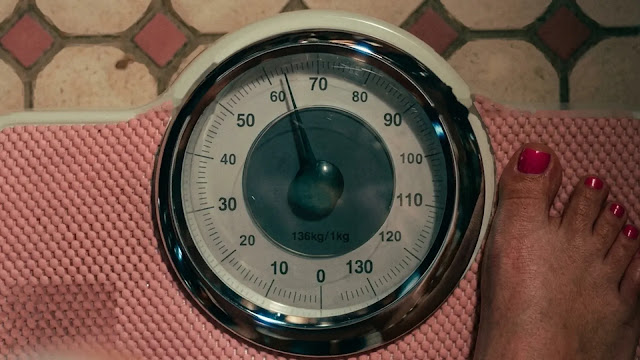
In 2009, Eleonor Alejandra Marin Mendoza, known as Ale, took a newborn from a Mexico City hospital where she worked. She had spent months faking a pregnancy, using doctored medical records and steady weight gain until everyone around her believed a baby was on the way. What unsettles most is how ordinary the machinery was. She did not grab a child in a panic. The deception was slow and deliberate, planned over months by a woman who held a job inside the very building she would take from and let a whole circle of family and coworkers celebrate a pregnancy that never existed. Security footage later showed her entering the hospital around noon with an empty shopping bag and leaving near half past six with the infant hidden inside it. Police found her roughly eight hours later in a nearby hotel room, the baby with her, her husband Arturo at her side. The child belonged to a woman named Mayra Navarro, who appears in the film to tell her own side of it. That single fact, a mother speaking on camera about the day her baby vanished, is what keeps the movie honest.
The Fairy Tale the Film Tells First
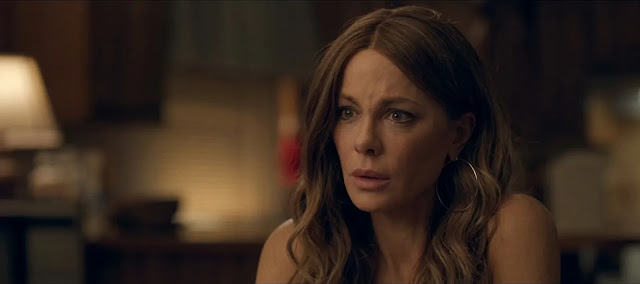
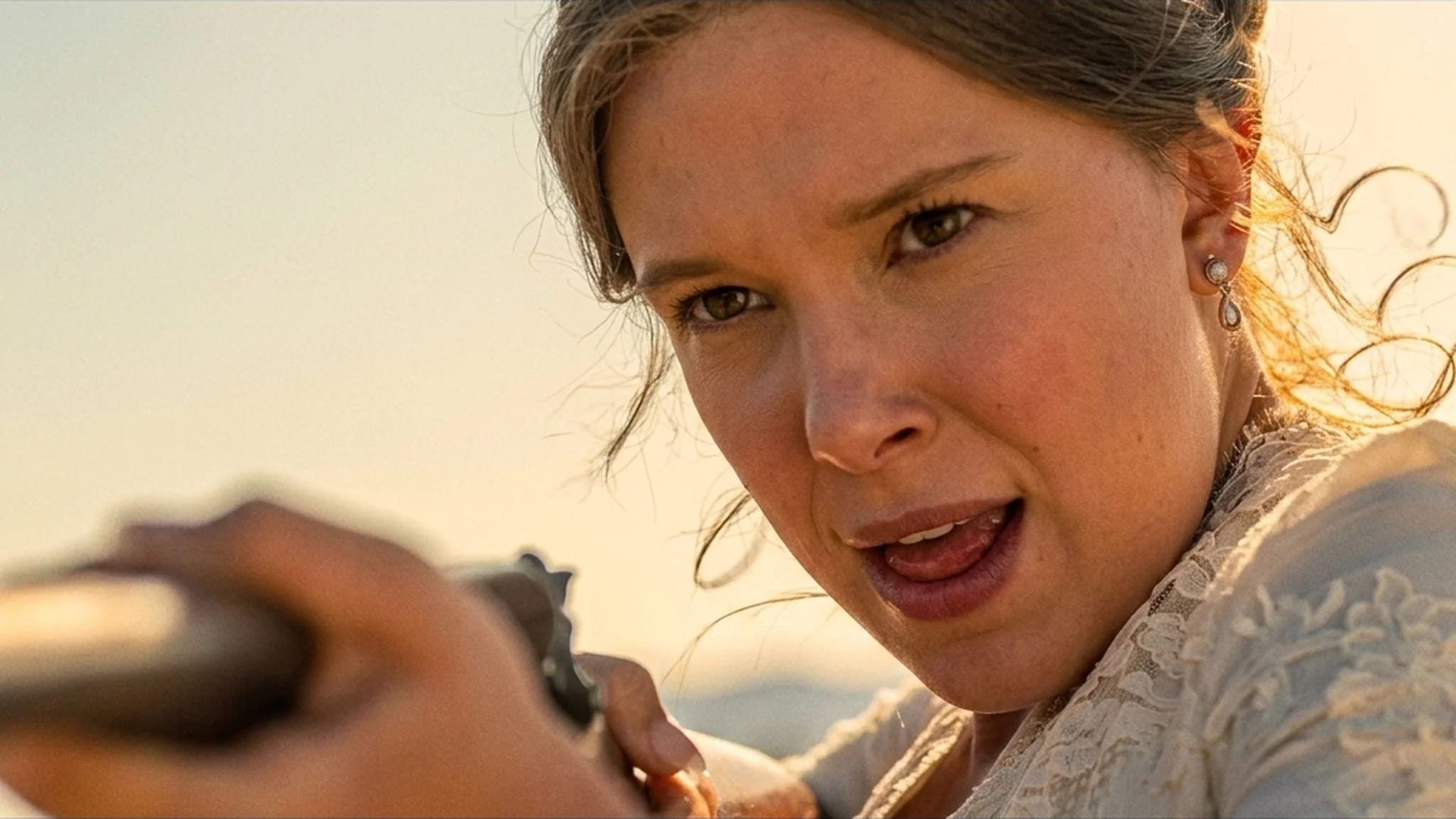
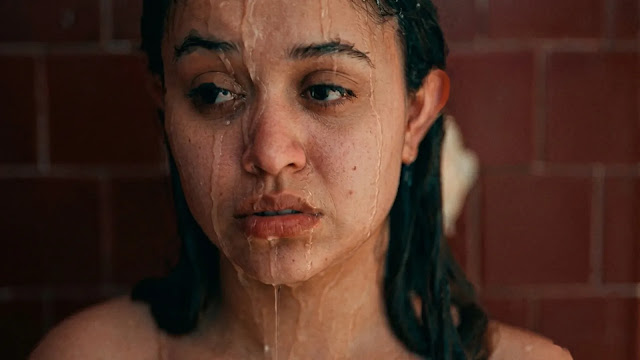
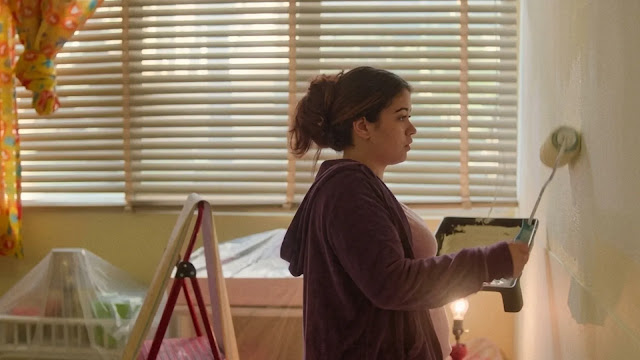
Here is where the director does something bold. Maite Alberdi, a two time Oscar nominee for The Mole Agent and The Eternal Memory, gives the film’s first fifty minutes to a dramatized version of events, acted by a cast and shot like a soft domestic drama. She has called this the fairy tale, the story Ale tells herself in order to survive. The choice fits the rest of Alberdi’s work. The Mole Agent followed an old man playing detective inside a care home, and The Eternal Memory sat with a couple as Alzheimer’s took him. Her real subject has always been the stories people build to stay standing, which makes Ale, a woman who edited her own reality for months, precisely her kind of subject. Only once you have settled into that version does the documentary walk in and take it apart, letting the real Ale, the real Mayra, and others speak for themselves. It is a risky structure, close to the trick that powers another recent true crime documentary, because it asks you to sympathize with the comforting lie before it shows you the wreckage underneath. When it works, you feel for a moment how a person could narrate her way clean around the truth. That turn matters most for Mayra Navarro. The film hands the woman whose child was taken the power to break the pretty version open, and her grief is exactly what the fairy tale was built to shut out. Alberdi’s documentary, which premiered at the Berlin Film Festival in February, could have coasted on the lurid hook alone. It chooses instead to sit with the harder question of who gets to author a story that damaged more than one life.
Where Ale Is Now
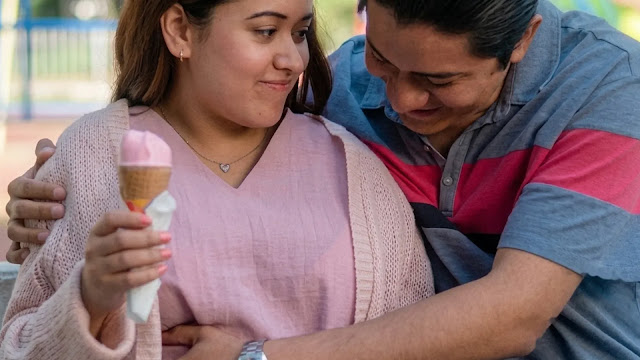
The aftermath refuses the tidy shape of the opening. Ale served more than thirteen years, entering prison at twenty six and leaving in 2023 at thirty nine. Arturo, who believed the baby was his own, spent two and a half years locked up before he was acquitted. Those years are their own measure of how far the lie reached, since Arturo was, in his own way, one more person Ale had fooled. The strangest note lands at the very end. Ale now helps raise Arturo’s biological son, born to another woman, and the film closes on the three of them together at a playground. It is not forgiveness, and not quite peace, but some arrangement the people involved built so they could keep living, stranger and truer than any fairy tale. That refusal to invent a clean ending puts the film in the same company as another story that lives in the seam between the real and the invented.
So the answer to the question people keep typing is a firm yes, with an asterisk. The kidnapping is real, the names are real, the footage of that shopping bag is real. What Alberdi invents is the tone of the first hour, and she invents it on purpose, so that the moment it falls away lands like a door opening onto a colder room. A Child of My Own gives Ale a full hour to narrate her own innocence, then lets Mayra and that grainy footage answer back. What lingers is not the crime but how calmly Ale still tells her side, as if the softer story might somehow still win.