On the third day of giving sworn testimony against Boeing, John Barnett was found dead in his parked truck in Charleston. He had left a note that ended, “I hope Boeing pays.” Freefall: A Reckoning for Boeing, now on Netflix and already one of the platform’s most watched films, builds itself around that morning. It also builds itself around a question it cannot fully answer. How does a company keep failing this way, and keep walking away from it?
The Reckoning That Did Not Stick
Freefall is a sequel. In 2022, director Rory Kennedy made Downfall: The Case Against Boeing, about the two 737 MAX crashes that together killed 346 people, Lion Air Flight 610 in 2018 and Ethiopian Airlines Flight 302 in 2019. Both were traced to an automated system that pushed the planes’ noses down based on a single faulty sensor, and to a company that had played down how much pilots needed to know about it. Downfall was a long fight over who was to blame, and Kennedy thought she had finished telling it. “When we finished that film, Boeing ultimately had taken responsibility,” she has said. Then, “soon after the 737 Max got back into the air, I started seeing the headlines again.”
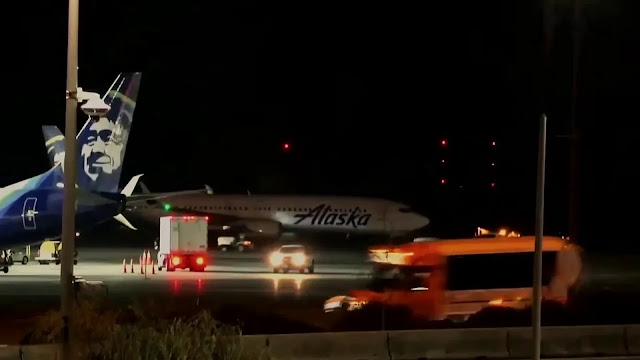
The new headlines were hard to wave off. In January 2024, a door plug tore off an Alaska Airlines 737 MAX at altitude, leaving a hole in the side of a full passenger jet. Freefall reads that blowout as proof of its thesis: the culture Downfall exposed was never actually fixed, only quieted long enough for the planes to fly again. The film gathers a fresh wave of insiders who say the same rot is still there, and it hands them the floor.
Who John Barnett Was
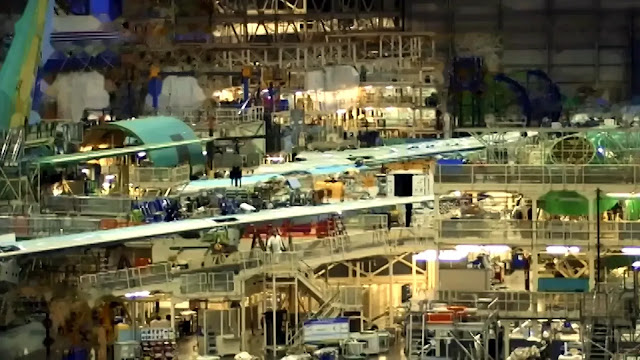
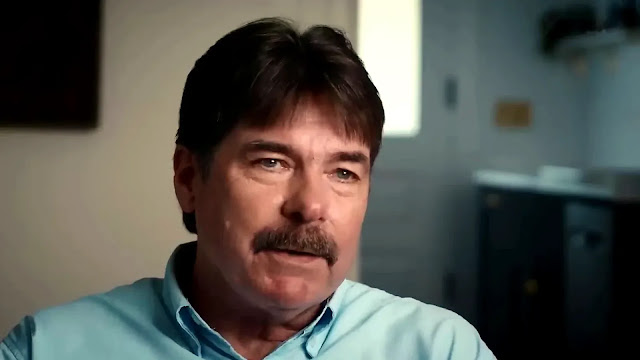
Barnett spent thirty-two years in quality control at Boeing’s plant in Charleston, South Carolina, where the 787 Dreamliner is built. He documented what he found there: ill-fitting pipes, holes left in fuselages, metal slivers near wiring that could spark. Most alarming, he warned that a large share of the jets’ emergency oxygen systems might not deliver air when passengers needed it. Management, by his account, answered those reports with harassment and reassignment until he retired in 2017 and sued the company for damaging his reputation. His death came on March 19, 2024, in the middle of the deposition in that suit. The Charleston County coroner ruled it a self-inflicted gunshot wound and found no physical evidence of foul play. The people who knew him were less settled. His lawyers said they saw no sign he would take his own life, and a friend recalled him telling her, “If anything happens to me, it is not suicide.” Freefall holds both of those things at once, without pretending it can resolve them.
A System That Keeps Getting Away
Around Barnett, the film gathers others who stayed and kept talking. Sam Salehpour, an engineer, describes fuselage sections forced together with gaps that could shorten a plane’s safe life. Merle Meyers and Roy Irvin describe inspectors overruled and outsourced work no one checked closely enough. Then Freefall follows what happened in the courts, where Boeing worked out a deal that let it avoid criminal prosecution as long as it stayed out of trouble for a stretch of years. The families of the crash victims, who appear throughout, name the arrangement for what it looks like from where they sit: a company judged too important to punish. That phrase is not only grief talking. Boeing is one of the last great American manufacturers, a top defense contractor and half of the duopoly that builds the world’s airliners. Grounding it or breaking it up carries costs that governments flinch from, and that flinch is the leverage the families believe the company keeps spending. What they keep saying, in different words, is that they do not want another payment. They want to see a person held responsible, and that is the one outcome the deals have been built to prevent. Kennedy does not sensationalize the point. She lets documents, timelines, and unhurried testimony carry it, and she gives the whistleblowers the plain dignity of people who turned out to be right and paid for it. That restraint is what makes the anger land, and what keeps the film clear of the conspiracy talk that has swirled around Barnett’s name online. This is a documentary about a system failing the people caught inside it, and the reckoning of the title turns out to be the bitter joke folded into it. The reckoning keeps getting scheduled, and it keeps not arriving.
Freefall does not solve John Barnett’s death, because it cannot. What it does instead is refuse to let the case close in silence. It ends with the planes still in the air and the families still waiting, and with one man’s note asking for the single thing the system has spent years engineering its way around. Boeing has not paid, not in the way Barnett meant it. The documentary’s real work is making sure that sentence stays on the record.