On the night of 21 December 1988, a bomb hidden in a cassette player brought down Pan Am Flight 103 over the Scottish town of Lockerbie, and 270 people were killed in the air and on the ground. What followed became the largest criminal investigation in British history. The Bombing of Pan Am 103, the six-part BBC and Netflix drama now among the most-watched shows on the service, tells the story of that investigation with a remarkable amount of restraint. Then it does something a procedural is not supposed to do. It refuses to hand you a clean ending, walking you all the way to a conviction and then leaving you standing in the doubt.
The Investigation That Spanned the World
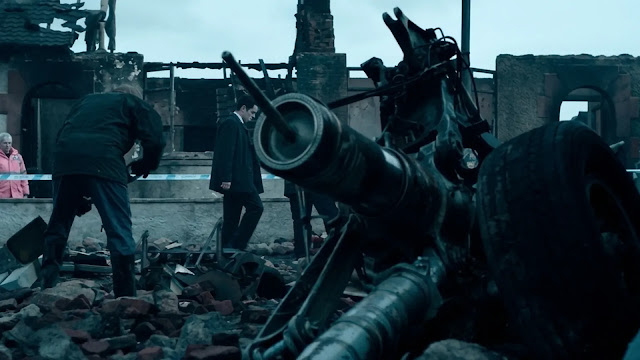
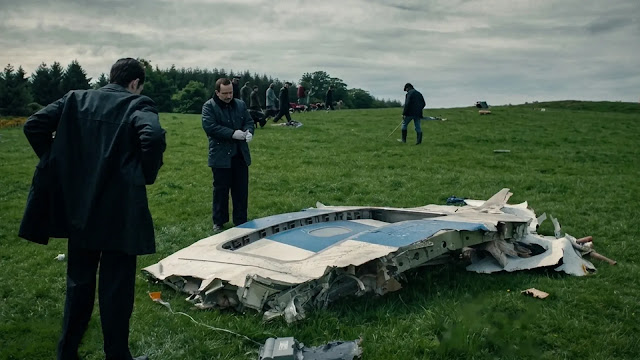
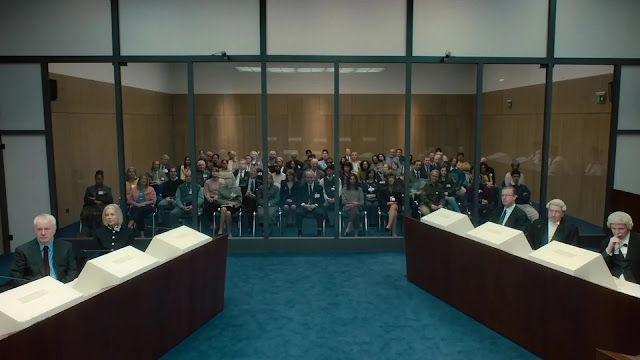
The facts the series is built on are not in question. Thirty-eight minutes after takeoff from London, the plane exploded at 31,000 feet. Everyone aboard was killed, along with eleven residents of Lockerbie when the wreckage fell on their houses. From World Productions, the company behind Line of Duty, the drama follows the case outward from that Scottish hillside, through the United States and Malta, to a specially convened Scottish court at Camp Zeist in the Netherlands. That court was unprecedented in itself, a piece of Scotland set down on a former air base, three judges and no jury, assembled to try a crime no ordinary courtroom could hold. It is dry by design. There are no slow-motion fireballs and no swelling music laid over the grief, only investigators walking a debris field spread across eighty miles, and families waiting for someone to tell them what happened and why. The show trusts that the facts are heavy enough to carry themselves, and they are.
The Fragment That Convicted a Country
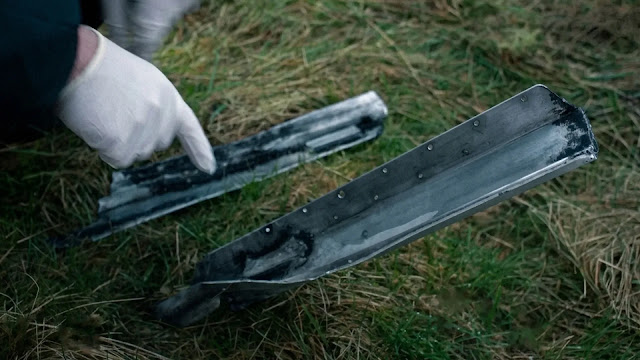
The break in the case came from almost nothing. Investigators recovered a fingernail-sized piece of a printed circuit board, part of an MST-13 timer, and traced it to a Swiss firm that had supplied such timers to Libya. A scrap of scorched clothing led them to a shop in Malta, where the owner, Tony Gauci, said he remembered selling those clothes to a Libyan man. Out of a debris field the size of a county, the whole case narrowed onto a shirt and a sliver of green board. That is the detective story the series tells well, the vast machinery of a global investigation collapsing down to two small objects on a table. It belongs beside Maternal Instinct, another true story where the hardest part is how ordinary the pieces are.
What the Ending Actually Tells You
Here is where the case landed. In January 2001, the court convicted Abdelbaset al-Megrahi, a Libyan intelligence officer, and set a minimum sentence of twenty years. His co-accused, Al Amin Khalifa Fhimah, was acquitted and went home. The verdict looked like an ending. It did not stay one.
The two pillars of the conviction did not hold still. On later examination, the circuit board fragment did not metallurgically match the timers actually sold to Libya, a gap the court could not explain. Gauci, the shopkeeper whose memory anchored the case, had described the buyer inconsistently for years, and it later emerged that he stood to collect a United States reward reported in the millions, something the defense was never told. In 2007 the Scottish Criminal Cases Review Commission concluded that the conviction might have been a miscarriage of justice and referred it back for appeal. Megrahi dropped that appeal in 2009, days before Scotland released him on compassionate grounds as he was dying of cancer. He died in Tripoli in 2012, insisting to the end that he was innocent. In 2020, American prosecutors charged a third Libyan, Abu Agila Masud, as the man who built the bomb, and his trial still lies ahead. Nearly forty years on, the case is not closed.
The Closure It Refuses to Give
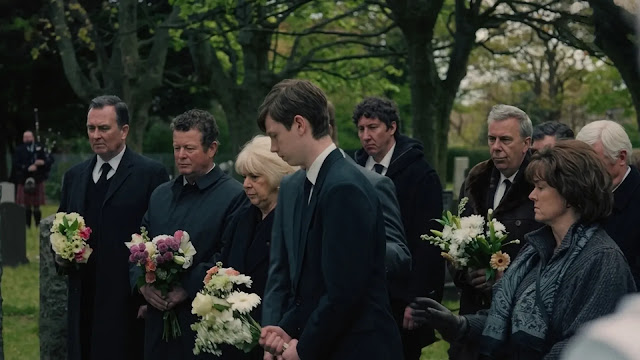
I think that refusal is the whole point of it. A show this careful could have ended on the guilty verdict and let you feel that justice had been done, because that is what the genre exists to deliver. Instead it holds the verdict and the doubt in the same hand and stays there. The real subject of The Bombing of Pan Am 103 is not the identity of the bomber. It is the almost unbearable pressure that settles on an investigation when 270 families need an answer, and what that pressure can do to the distance between a conviction and the truth. That same discomfort ran under Shipwrecked, another disaster where the hardest question was who would answer for it. The series honors the dead not by pretending the case is solved, but by refusing to look away from how much of it still is not.
The families are still waiting. Some believe the right man was convicted, some believe he was framed, and a courtroom may yet hear from the man accused of building the bomb. A lesser drama would have chosen a side and rolled the credits. This one leaves the question where it actually lives, unfinished, in the cold air over a small Scottish town.