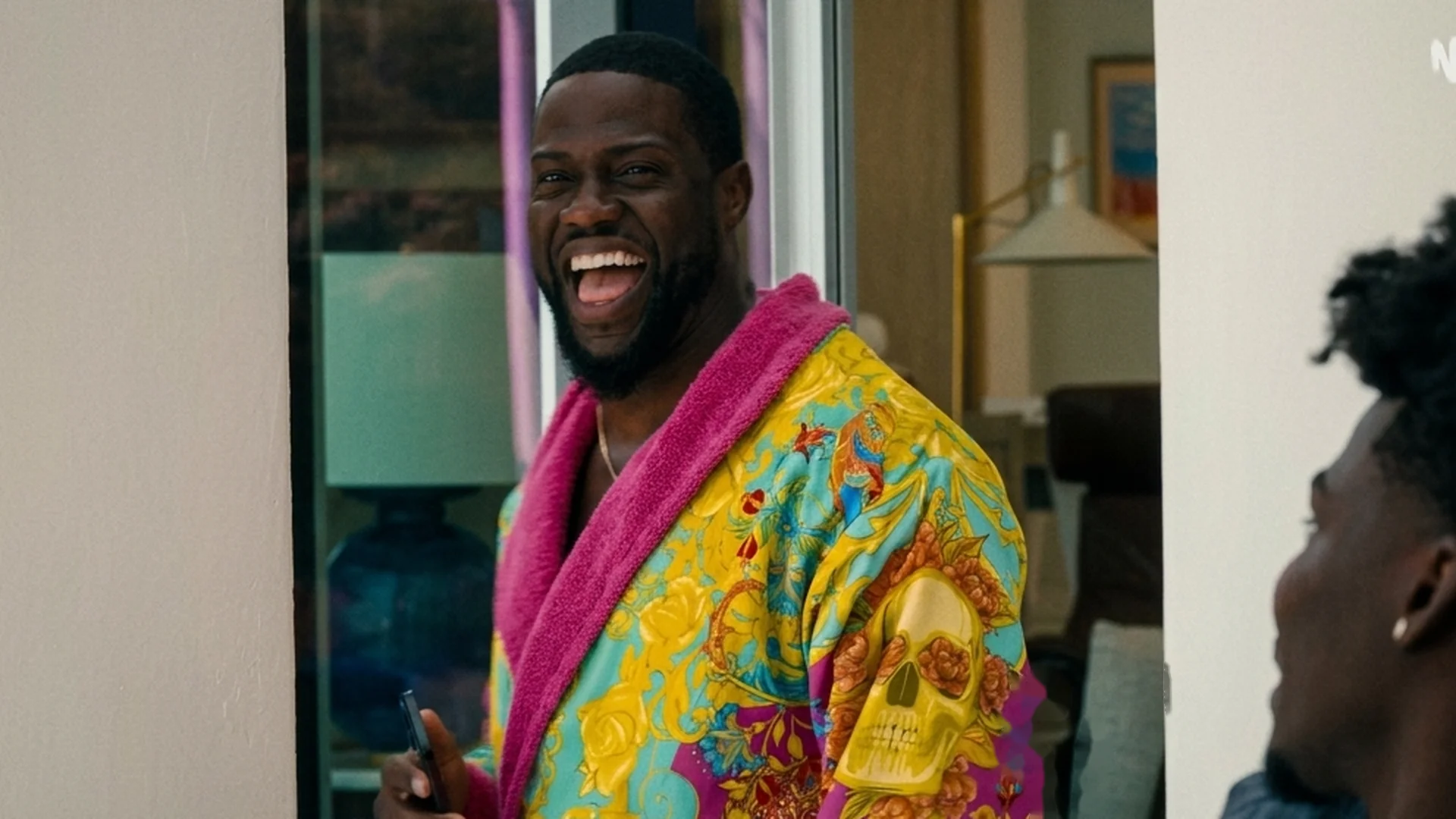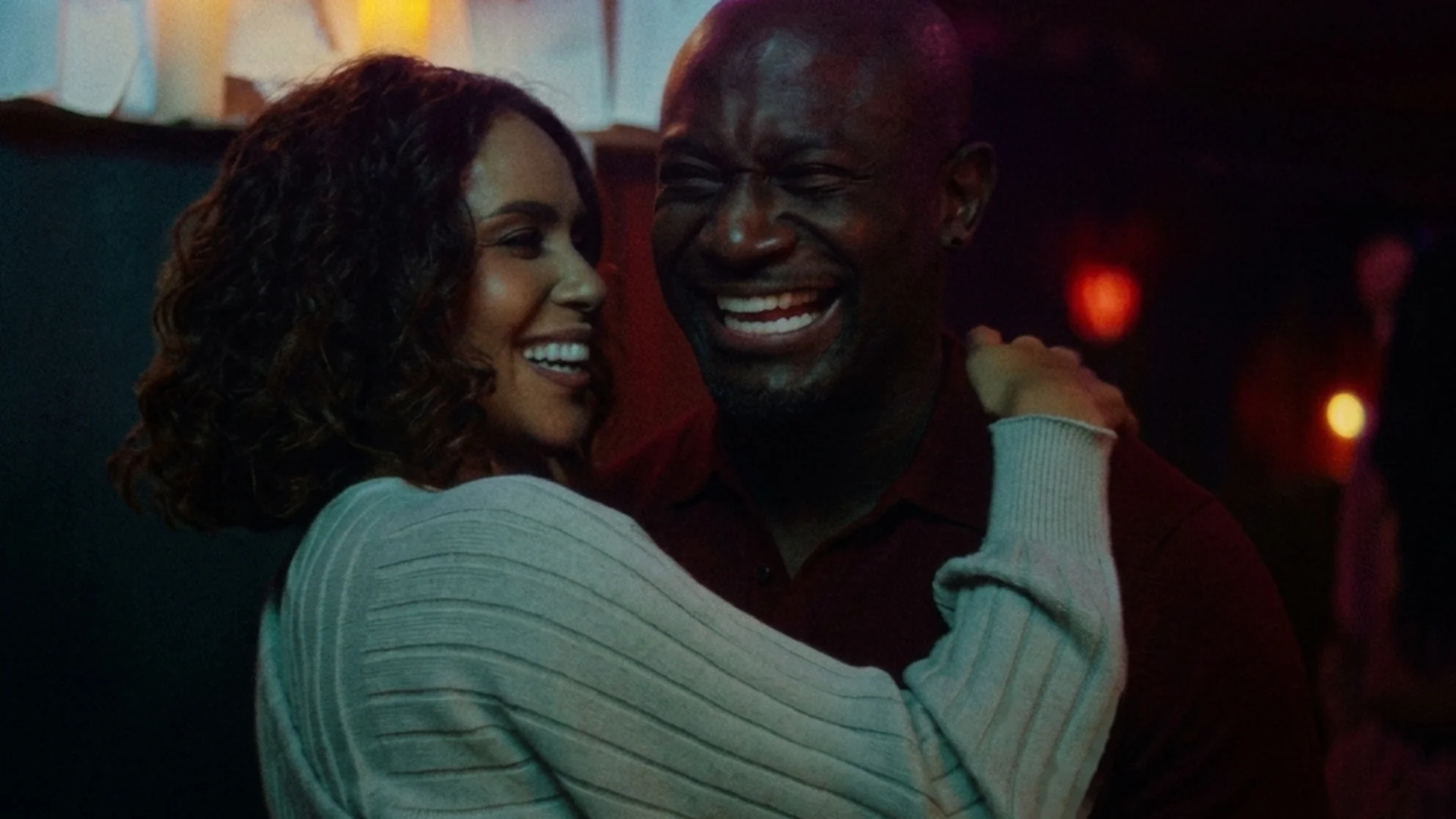
A small Lifetime movie is sitting at number two on Netflix right now, one slot behind a Kevin Hart comedy that cost many times its budget, and the reason has almost nothing to do with 2025. His, Hers & Ours works because of a bet Terry McMillan placed more than thirty years ago and never once backed away from: that grown Black women, including women well past the age Hollywood usually stops looking at them, want to watch themselves fall in love on a screen. Everyone else eventually got out of that business. She turned it into a brand.
Two Parents and One Very Awkward Doorstep
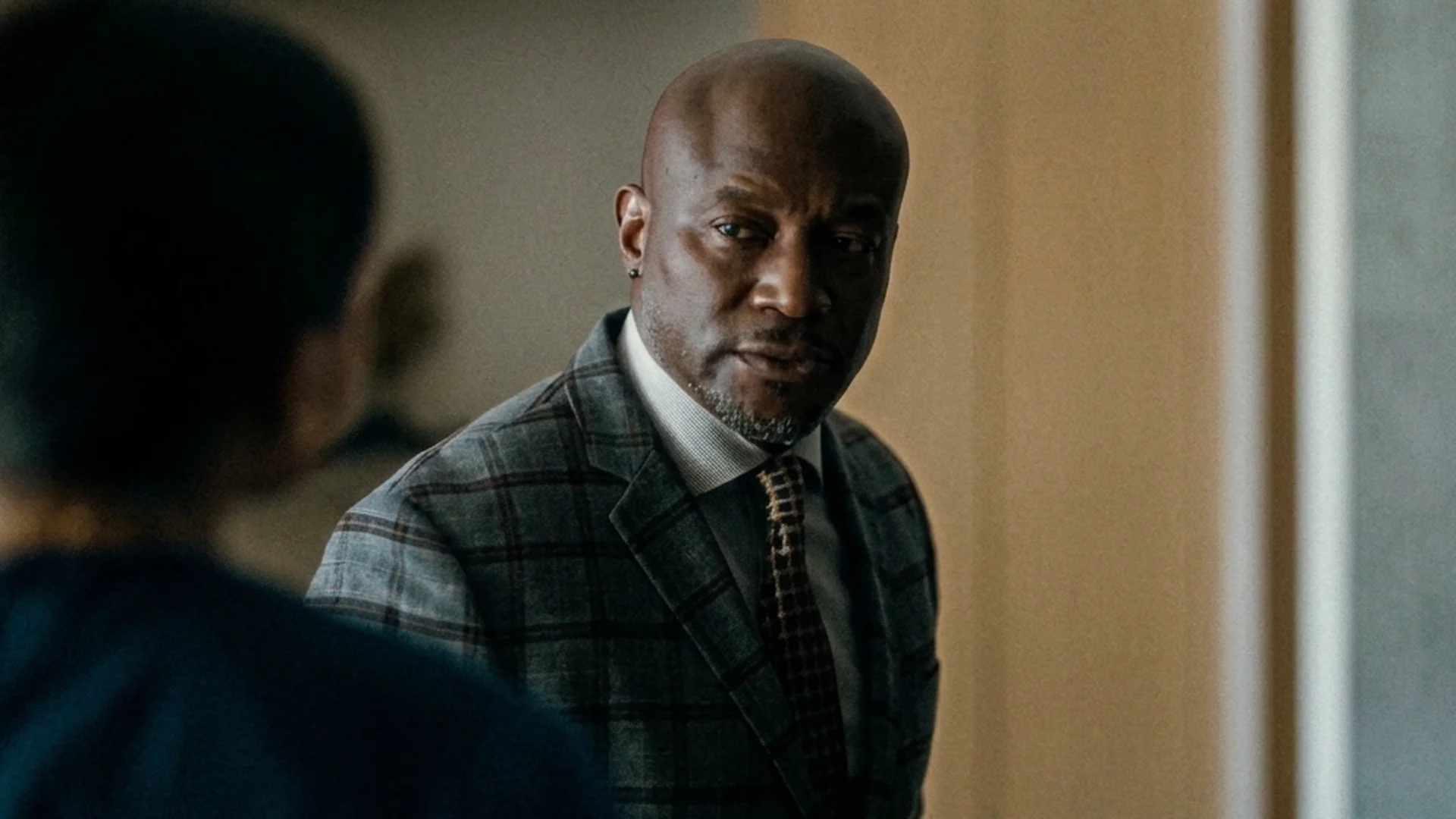
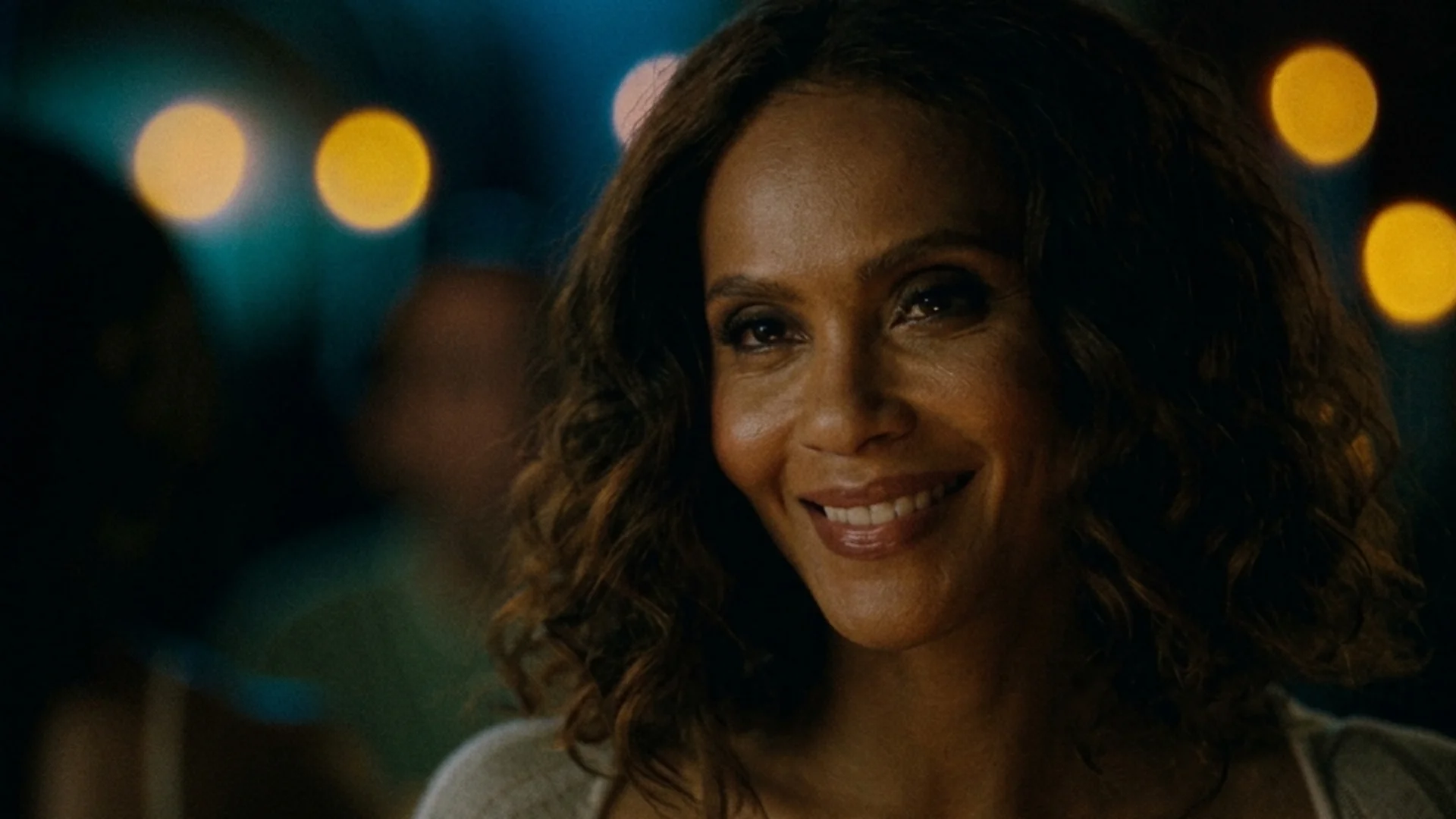
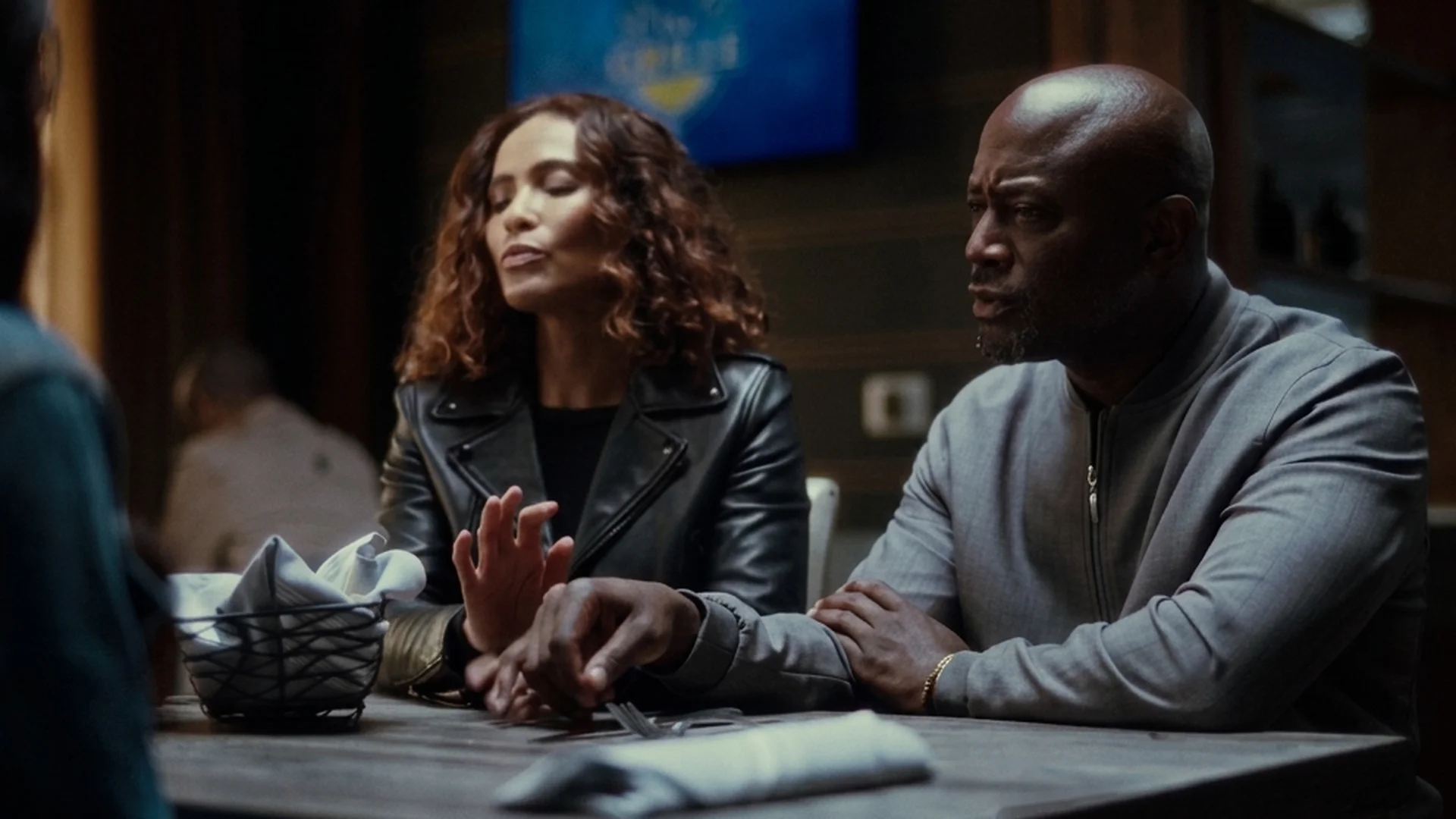
The setup is a sitcom premise played dead straight. Darius, played by Taye Diggs, is a single father who walks in on his teenage daughter with her boyfriend and throws the boy out of the house. A few days later the boy’s mother, Kelly, played by Lesley-Ann Brandt, shows up on his doorstep to tell him precisely what she thinks of a man who would humiliate her son. They are built to dislike each other. Instead they keep inventing reasons to be in the same room, and the film relaxes into what it actually cares about: two people who have already been married, already been left, already raised children mostly on their own, working out whether they have the nerve to risk it one more time. Diggs and Brandt play it without the shine of a first romance. The complication is not whether they like each other, it is how you fold a new love into two families that were not asking for one. The kids complicate it twice over. Darius and Kelly cannot simply date, because every dinner and every school pickup turns into a small negotiation over who is allowed to know what, and when, and the film is patient enough to let that awkwardness breathe instead of sprinting past it. It is the same grown-up appetite that turned Reminders of Him into a hit, a story that respects how much its adults have already survived.
The Bet McMillan Made in 1992
To see why this modest film travels, you have to go back to Waiting to Exhale. McMillan’s 1992 novel about four Black women looking for love became a 1995 film with Whitney Houston and Angela Bassett, and it proved something publishers and studios had been missing for years, that the audience was enormous and had been sitting there the whole time. The title alone turned into shorthand for a feeling, four women holding their breath for a love worth finally exhaling for, and millions of readers recognized that ache the moment they saw the words on a book cover. The industry gave the aftershock a name, the “Terry McMillan Effect.” Three years later she pushed the idea further. How Stella Got Her Groove Back, which earned her a six-million-dollar contract before a page of it was filmed, put a wealthy Black woman over forty on screen as someone desired, sensual, and fully in charge of her own life, which was close to unheard of at the time. That is the McMillan signature, the line running under everything with her name on it: wanting and being wanted does not come with an expiration date.
A Genre Hollywood Dropped, Now a Standing Order
Having proven the audience existed, Hollywood mostly stopped serving it. The theatrical grown-up romance thinned out to almost nothing, and the Black version of it nearly vanished from cinemas altogether. So it moved. Terry McMillan Presents launched on Lifetime for the network’s fortieth anniversary and has been steadily turning out these movies ever since, His, Hers & Ours among them, alongside titles like Forever and Tempted by Love. The lineage is not hidden, either. An earlier film in the banner brought back Loretta Devine and Lela Rochon, two of the women from Waiting to Exhale itself. What used to be a cultural event is now a dependable supply, the same move that let a comfort reboot like Little House on the Prairie find a huge new audience by going straight to streaming. When Netflix picked one of these up, the crowd that never actually left carried it to number two in a matter of days. I think the reflexive snobbery toward Lifetime movies misses what is happening here. A studio can spend a hundred million dollars chasing an audience it does not understand and still lose the week to a modest banner that knows exactly who it is talking to. That is not luck, and it is worth taking seriously. His, Hers & Ours is not a great movie, and it is not pretending to be one. It is warm, competent, and a little old-fashioned, and it treats two middle-aged hearts as though they are still fully in the game. For a lot of people, that is the rarest thing on the whole menu. McMillan understood it in 1992. Everyone else is finally catching up to her reruns.