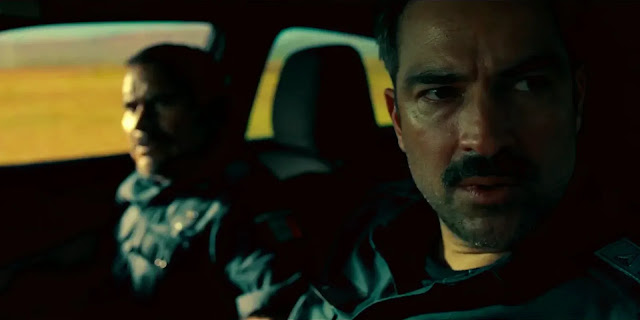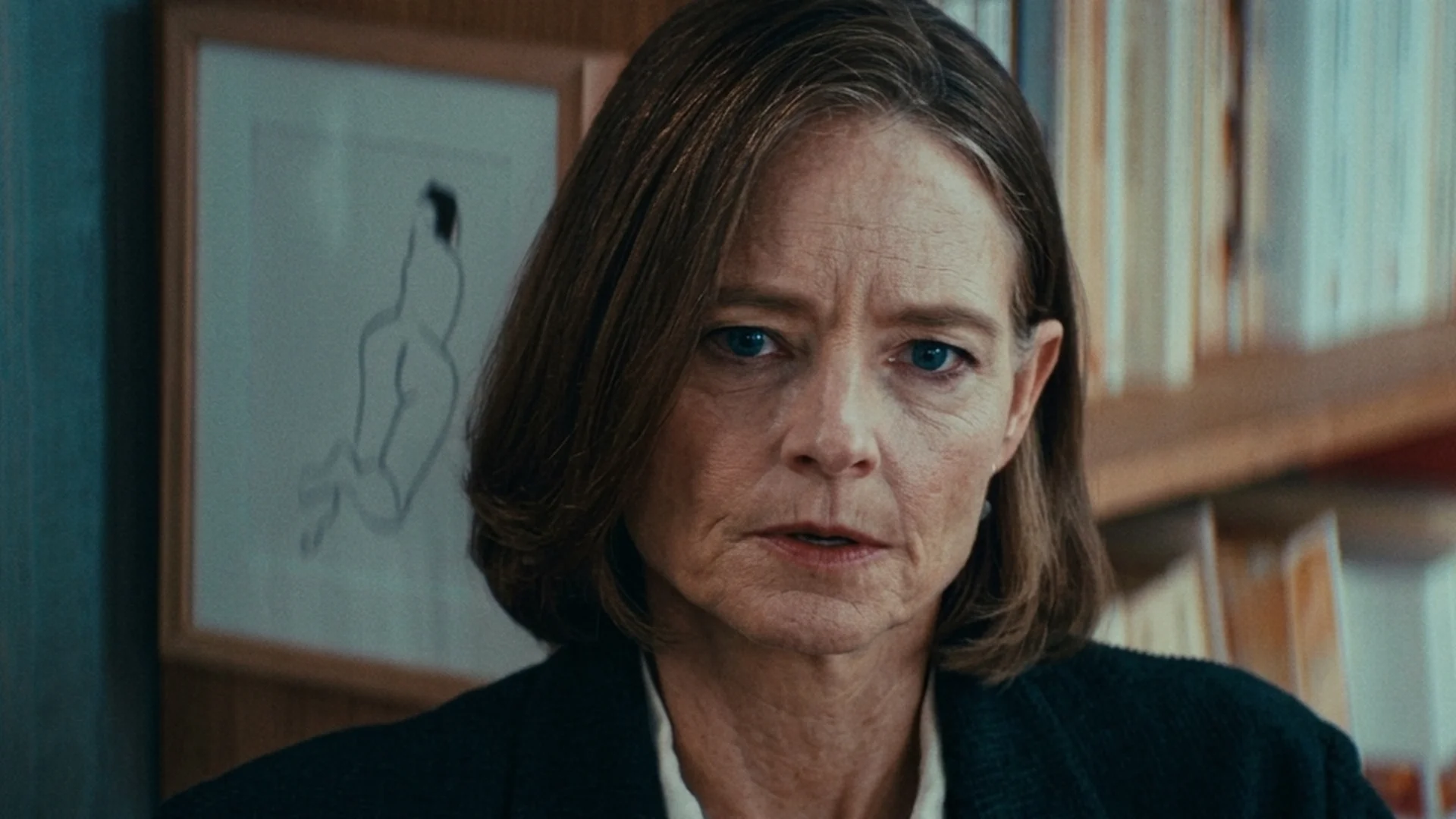
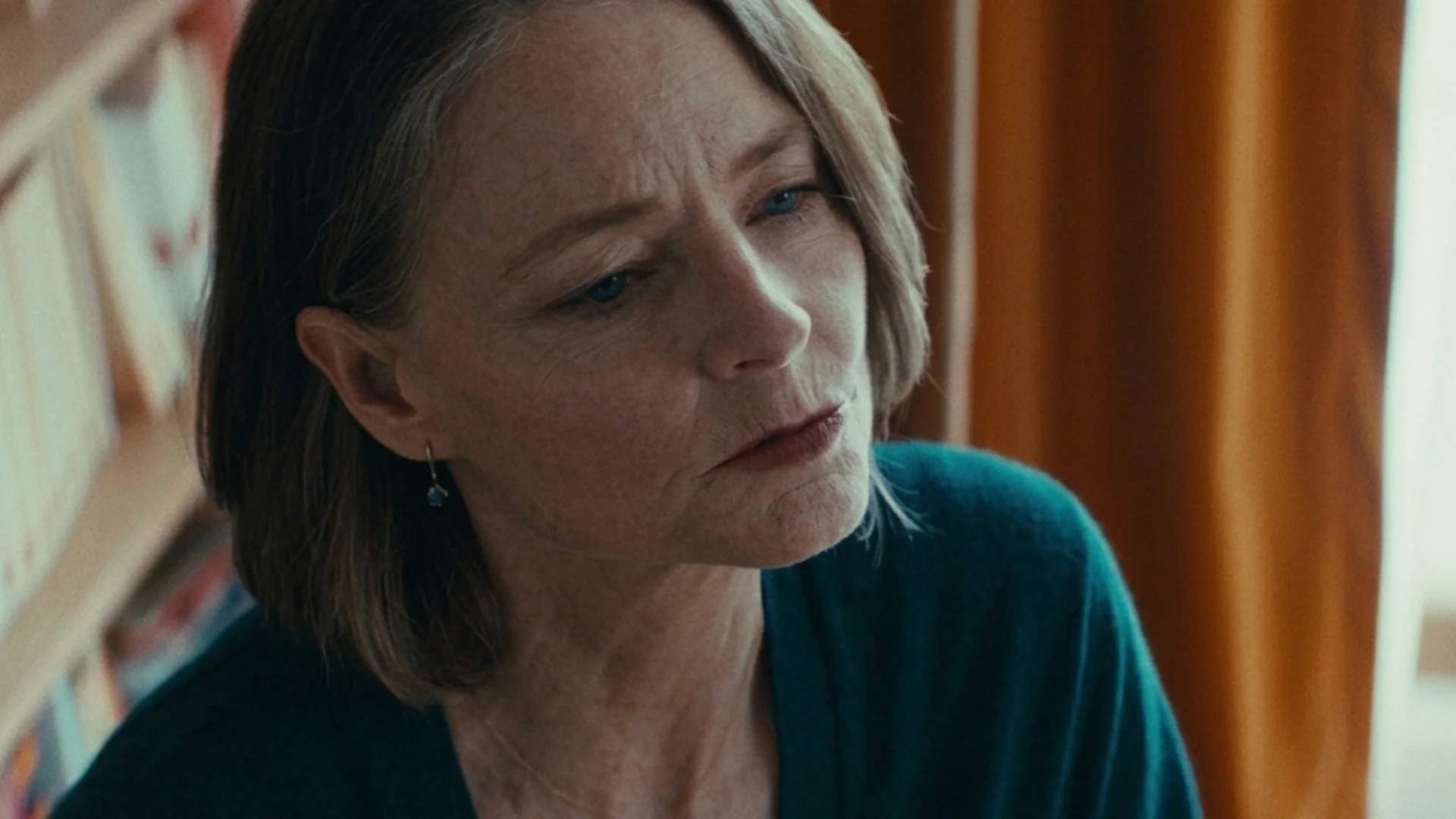
Jodie Foster has spoken French since she was a child. She spent twelve years at the Lycée Français in Los Angeles, and for decades she has dubbed her own performances into French for the release prints, so audiences there have been hearing her, in her own voice, all along. The one thing she had never done was carry a French film alone. Directors asked. She kept saying no, and she has been candid about the reason: she was afraid. A Private Life, Rebecca Zlotowski’s sleek Netflix mystery, is the role she finally stopped being scared of, and she plays it start to finish in a language most Americans never knew she had.
That fear turns out to be the right way into the movie, because A Private Life is about a woman who is fluent in something and still cannot make herself hear it.
The Death That Will Not Sit Still
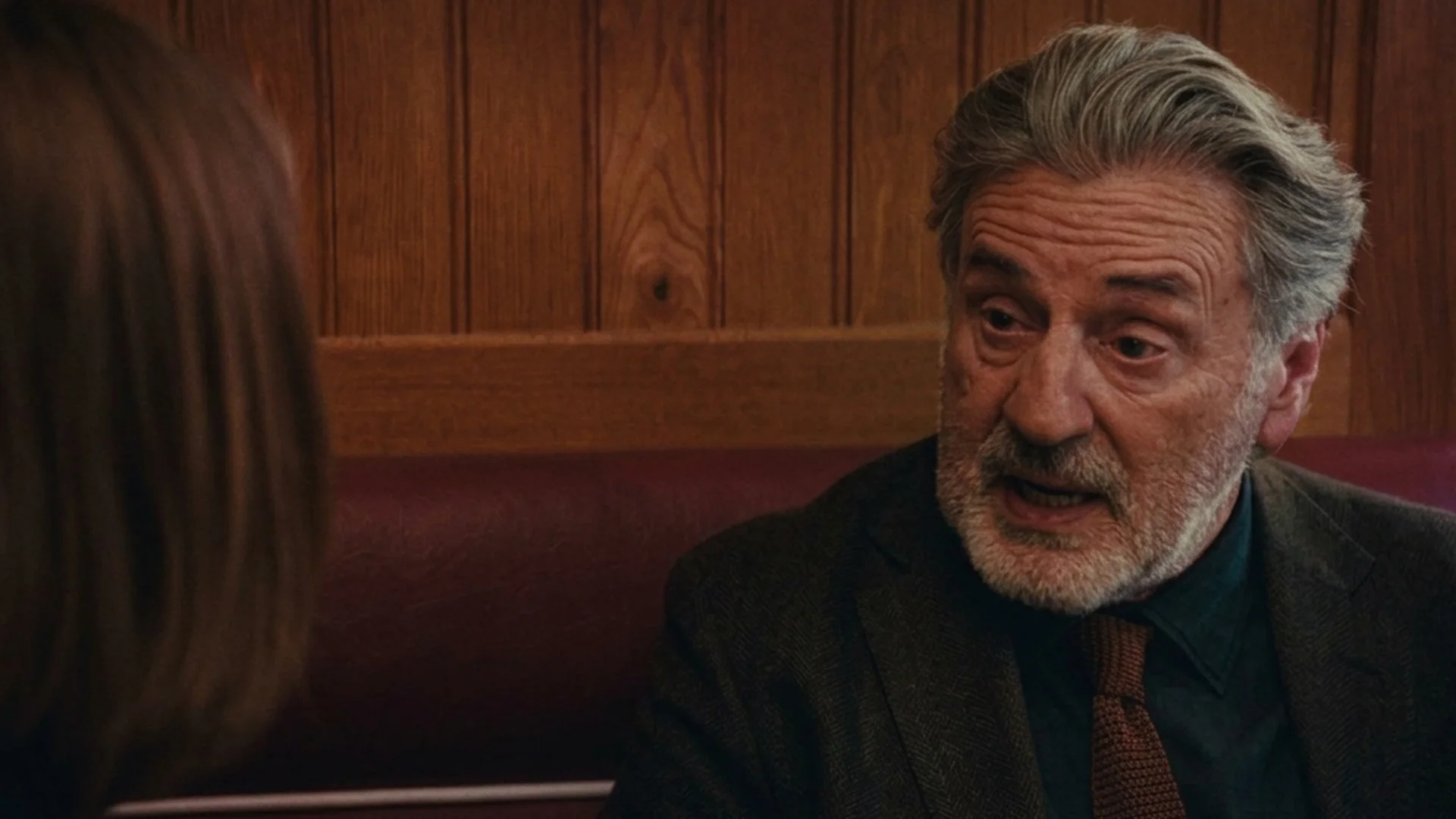
Foster plays Lilian Steiner, a respected Paris psychoanalyst who learns that one of her patients, Paula, has died. Paula overdosed on medication Lilian had prescribed, and at the wake her husband, Simon, says out loud the thing Lilian most fears: that her doctor failed her. On paper it is a suicide. But the numbers on the prescription do not match what Lilian actually wrote, and Paula left a note. A woman whose entire profession is listening for the thing underneath the thing cannot let this one be plain. She decides Paula was murdered, and she begins to dig.
The Role She Was Too Scared to Take
There is a version of this film that plays in English, with the same beats, and it would be a smaller thing. Foster in French is not a stunt. It is the engine of the performance. She plays Lilian one degree off her own axis, a formidable woman operating just outside her native fluency, and that faint foreignness is exactly what the character is doing emotionally. Lilian reads everyone in the room and misreads herself. Watching a two-time Oscar winner work in her second language, precise but never quite weightless, you feel the gap between mastery and ease, which is the gap the whole movie lives in. This is French cinema’s home ground, the register where Nothing to Lose buried a real moral dilemma inside a hostage thriller, and Zlotowski trusts it without blinking.
What Actually Happened to Paula
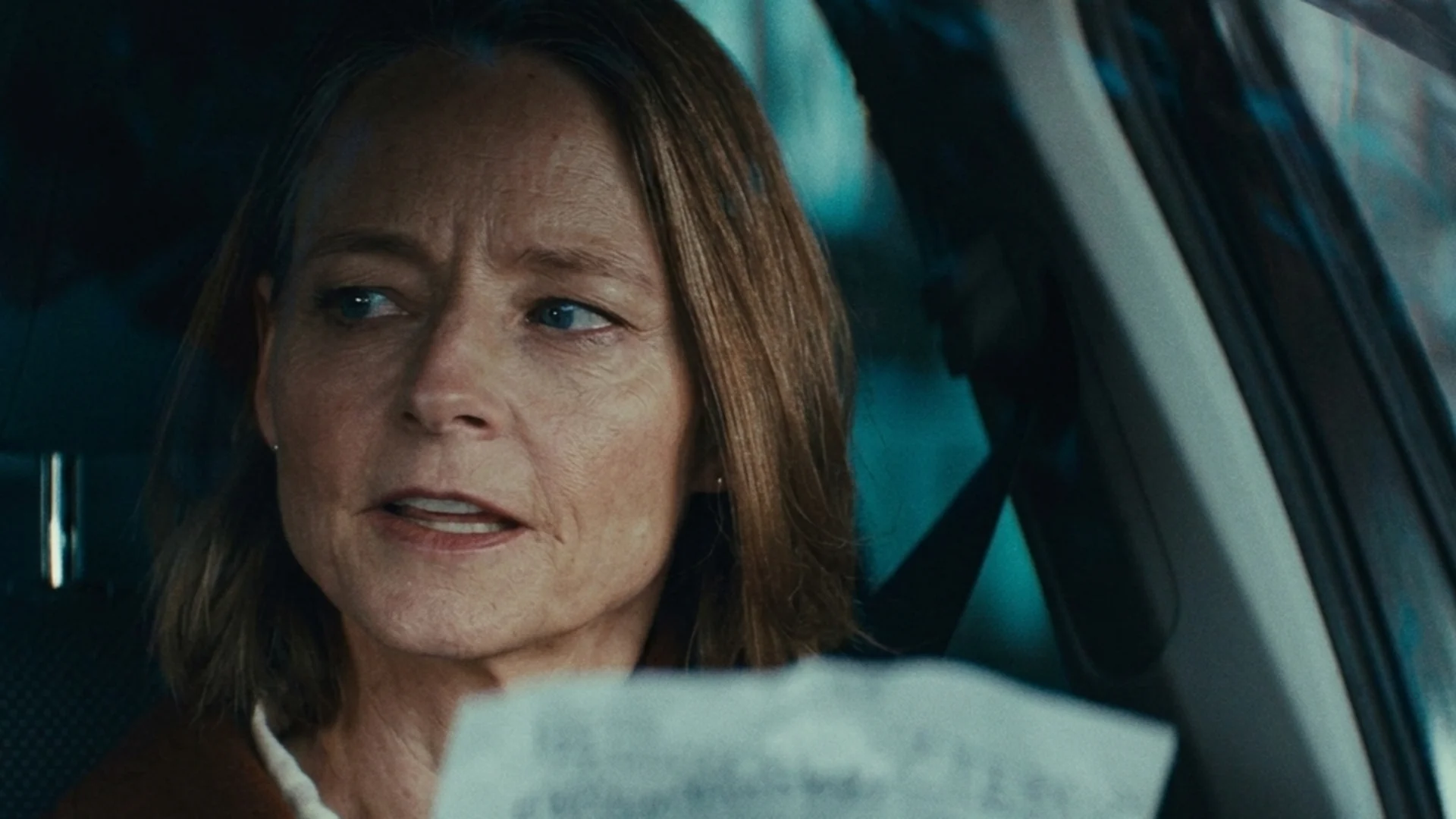
Here is the answer you came for. Paula was not murdered. The investigation keeps circling Simon, who did carry the doctored prescription to the pharmacy, and for a long stretch the film lets you believe the husband did it. The truth arrives through Paula’s own final session recording. Paula had poisoned her aunt, Pearl, the relative from whom she had just inherited a large sum of money. The altered prescription and the note were a confession all along. Paula took the pills herself, hollowed out by what she had done to Pearl. The mystery Lilian assembled had a body in it after all, just not the one she was searching for, and a killer too, just not a living one to catch. There was a second wound beneath the first. Paula had been afraid that her own daughter would turn on her if the girl ever discovered that Simon was not her biological father, and the money from Pearl had only pulled the knot tighter. By the time Lilian went hunting for a murderer, Paula had been cornered from every direction for months, and none of it was the kind of thing a doctor could have caught in a fifty-minute session.
The Wrong Question
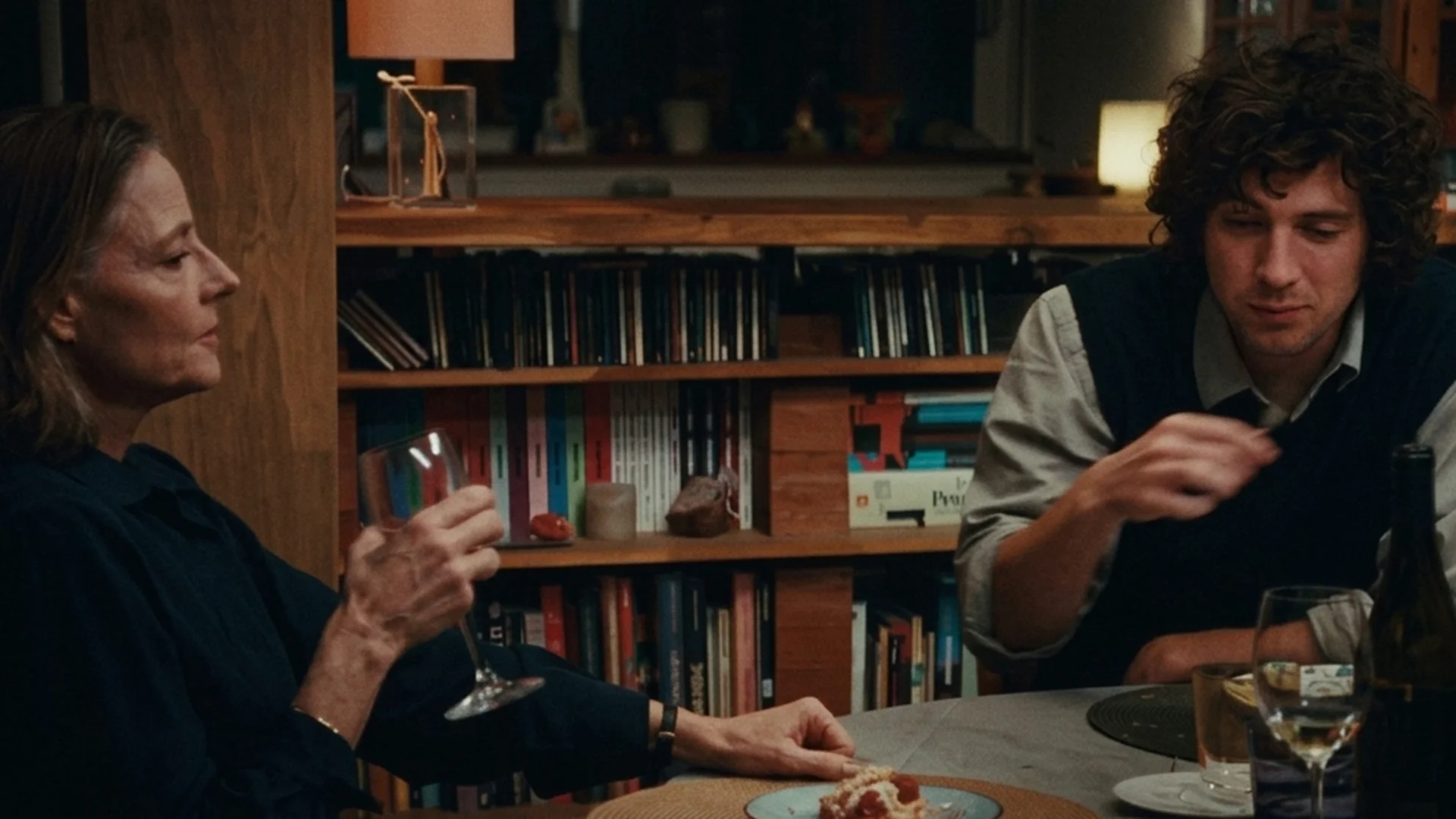
Which is why “who killed Paula” is the wrong question, and I think Zlotowski knows it is. Lilian’s own analyst, Goldstein, says the quiet part aloud: she is assembling a murder out of loose pieces because a murder is easier to sit with than a patient who simply chose to leave. The anticlimax some reviewers held against the film is the film. A whodunit that resolves into a woman’s grief is not a thriller that dropped its ending. It is a character study that put on a thriller’s coat to get you in the room. The real case Lilian cracks is her own. She has spent the movie fluent in everyone but herself, and the cost of that has been quietly stacking up at home, in a son she keeps not hearing. It belongs beside Echo Valley, another recent thriller where a woman keeps rewriting a death she cannot accept. Foster grounds all of it, magnetic and obsessive, a doctor out of her depth who would rather solve a crime than feel a loss.
A Fear Worth Naming
Foster spent a career fluent in a language she was too frightened to lead in, and at sixty-plus she finally led. Lilian spends a movie fluent in other people and deaf to herself, and by the end she starts, barely, to listen. The pleasure of A Private Life is watching the two of them, the actress and the woman she is playing, arrive at the same small brave act from opposite directions: saying the hard thing out loud in the language you were most afraid to say it in.