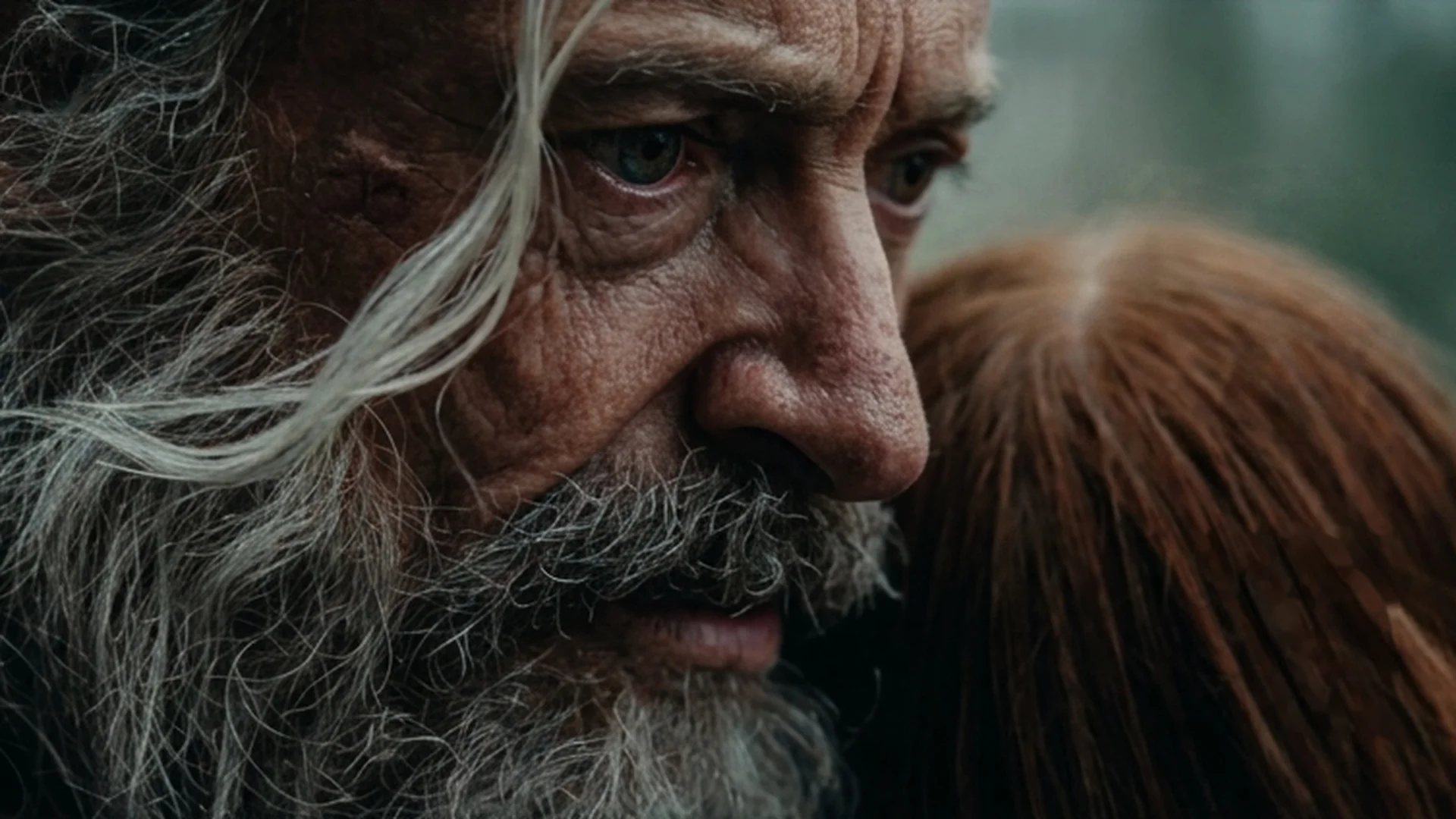
Every Robin Hood movie you have seen ends long before this one begins. The arrows find their mark, the Merry Men scatter into the greenwood, the Sheriff gets his comeuppance, and the legend rides off intact. The Death of Robin Hood, the A24 drama starring Hugh Jackman that opened in theaters in June and has since arrived on digital, starts where all of those stop: with an old man, alone, waiting to die.
Directed by Michael Sarnoski, who made Pig and A Quiet Place: Day One, it is less an adventure than a deathbed, and it means that as praise for itself. Set in 1247, decades after the exploits that made his name, Robin is a haunted recluse who gets pulled into one last raid to help Little John, played by Bill Skarsgård, take back his farm. The raid goes wrong, Robin is badly wounded, and a prioress takes him into her care. What happens next is not a rescue. It is a reckoning.
The Story the Ballads Kept Quiet
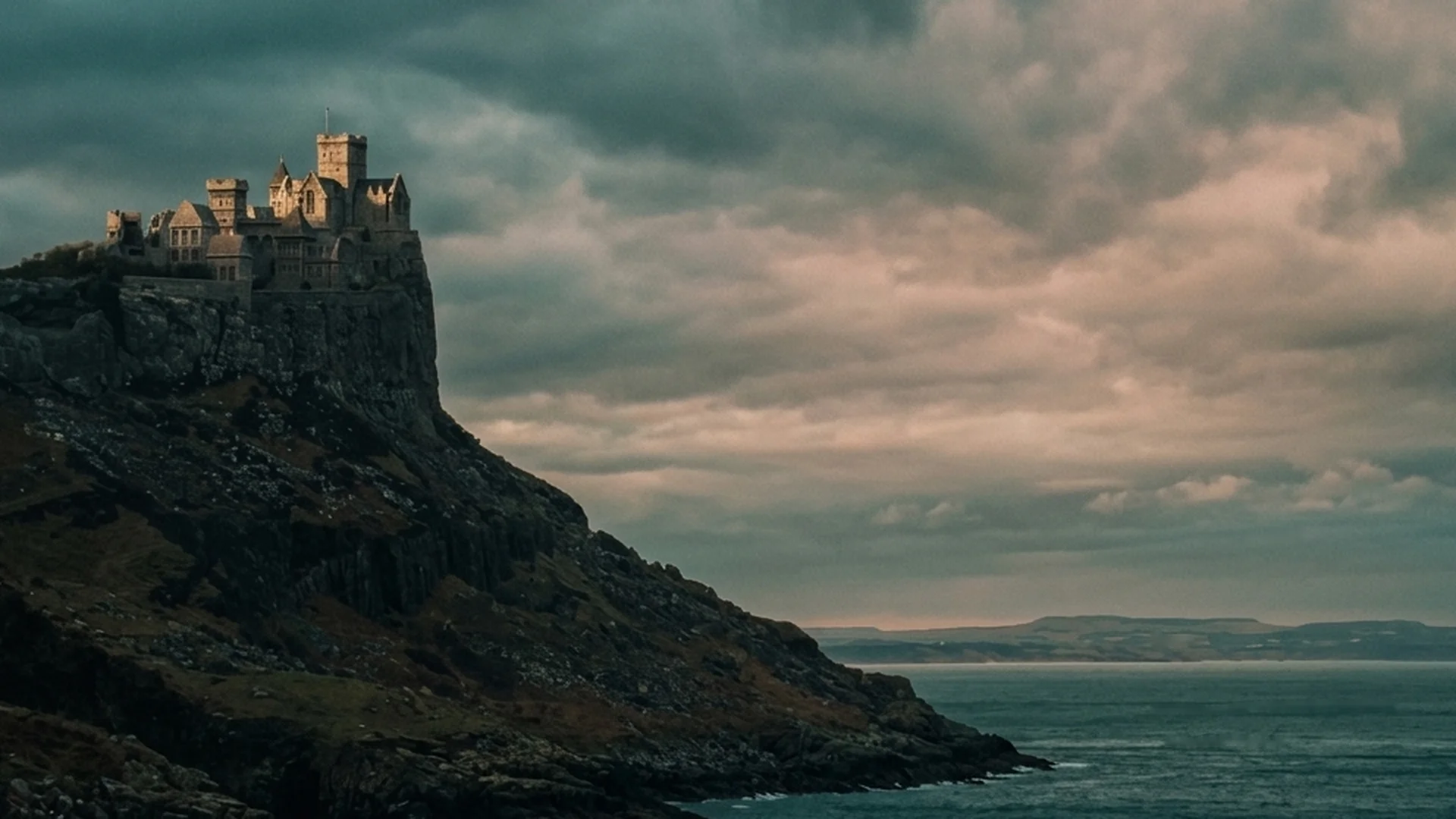
The title is not a spoiler; it is a promise, and it comes from a real place. There is a seventeenth-century ballad called “Robin Hood’s Death,” in which the outlaw, old and ailing, is bled to death by a treacherous prioress at Kirklees. Sarnoski takes that grim footnote, the one chapter every adventure film skips, and builds his entire movie inside it. Gone are Sherwood, the archery contest, the men in Lincoln green. What is left is a cold, muddy medieval England shot on 35mm in Northern Ireland, where the bow is a tool for killing and the folk hero is a man who has done a great deal of it. It is a bold thing to strip a beloved myth down to its worst day, and Sarnoski, who tends to make small, grief-heavy films, treats that day with the patience of a man who has no interest in cheering you up. The old ballad even ends with Robin loosing one last arrow and asking to be buried where it falls, and Sarnoski holds on to that image like a confession.
A Killer in a House of Mercy
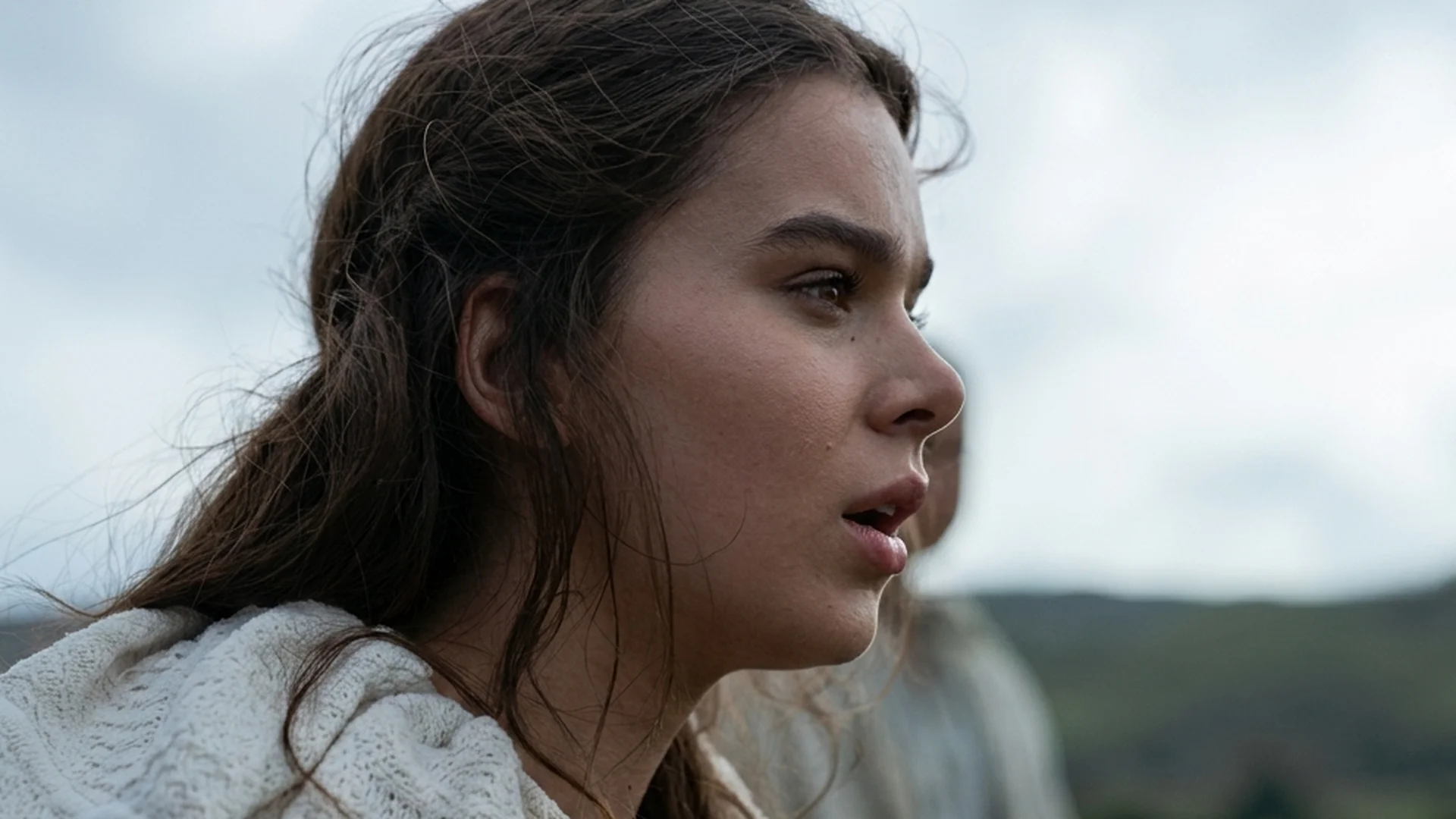
The prioress is Sister Brigid, played by Jodie Comer with a composure the film keeps testing. She takes in a man she has every reason to fear, and the movie’s central question grows out of that choice: whether someone who has killed, even for causes he believed in, has any right to peace at the end. An orphaned girl named Margaret drifts around the edges of it, a small reminder of the innocence that Robin’s world keeps grinding up. If you have followed this site for a while, you have met this shape before in Old Henry, another spare Western about an aging man whose mild present hides a violent, legendary past. The Death of Robin Hood is that same idea pushed all the way to the grave, and it is not shy about how uncomfortable the answer might be. Comer plays Brigid as neither a saint nor a pushover; her mercy is a decision she has to keep making, and the film respects how much it costs her.
Jackman Sheds the Showman
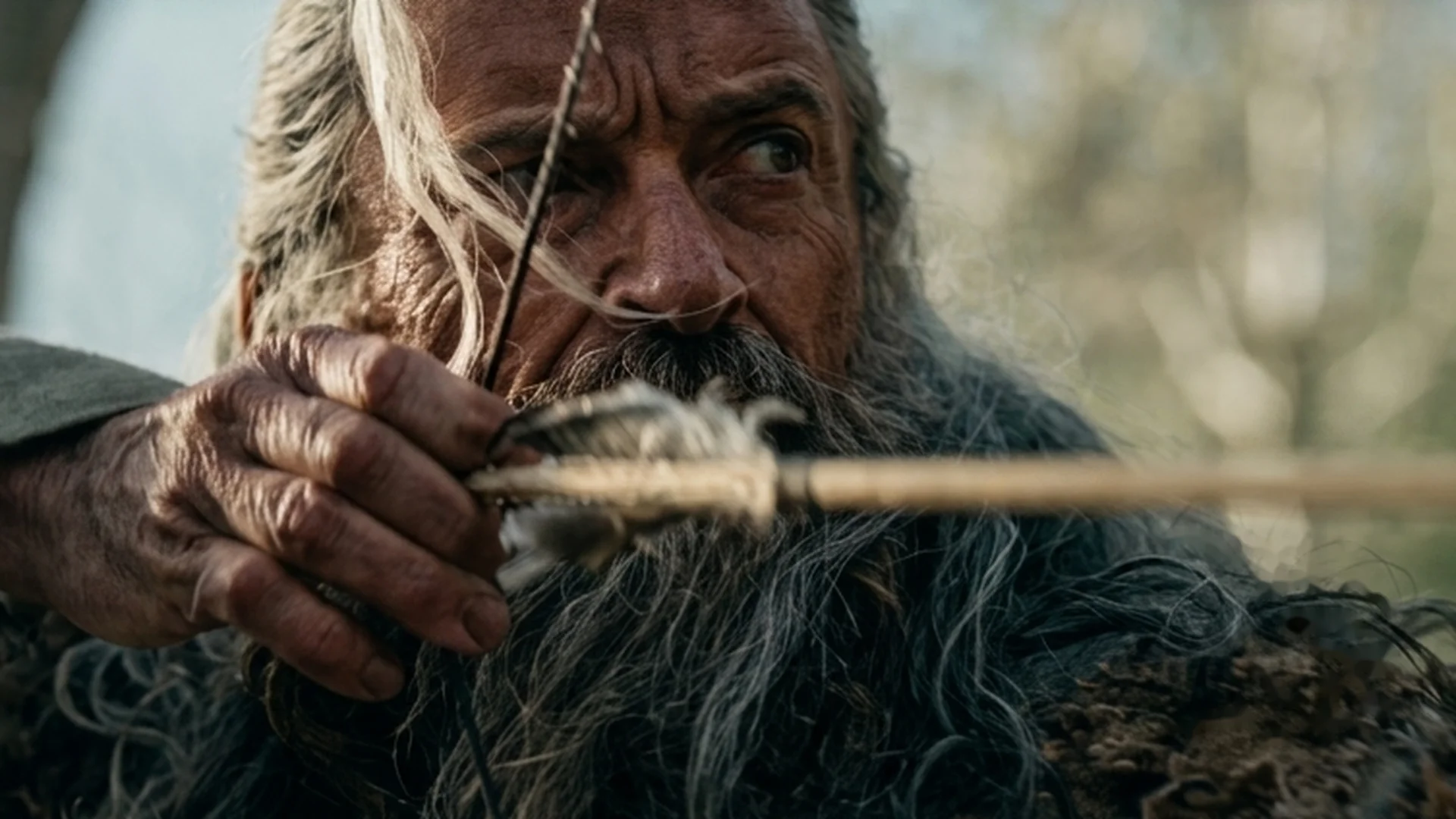
Jackman is the reason it holds together. There is no wink here, no roguish charm, none of the showman who has carried musicals and X-Men for thirty years. He plays Robin as a wrecked body and a heavier conscience, all gray beard and haunted eyes, and he lets the character be difficult to like. When he finally draws the bow, it is not a flourish; it is exhausting, the labor of a man doing the one thing he was ever good at. It puts him alongside other late-career reckonings, like Pierce Brosnan’s aging hit man in Fast Charlie, where the pleasure is watching a star trade glamour for weight. The violence, when it lands, is blunt and joyless, and the film wants you to feel every ounce of what it takes out of him. He is using his whole physical presence to play a man with almost nothing left.
What the Ending Costs
This will not be for everyone, and it does not want to be. It is slow, it is grim, and it withholds nearly every pleasure the name Robin Hood promises. Come in wanting swashbuckling and you will feel cheated; come in willing to sit with a dying man and it hands you something rare, a folk hero given his mortality back. Sarnoski refuses to tell you outright whether Robin is forgiven, and I found that refusal braver than any duel the film could have staged. It asks for patience and a certain stomach for sorrow, and it gives that patience something back, a portrait of a hero finally allowed to be a man. The legend always got a glorious life. Here, finally, it gets a death worth the same attention, quiet and human and earned. Not every hero should outrun his ending. This one, at last, stops running.