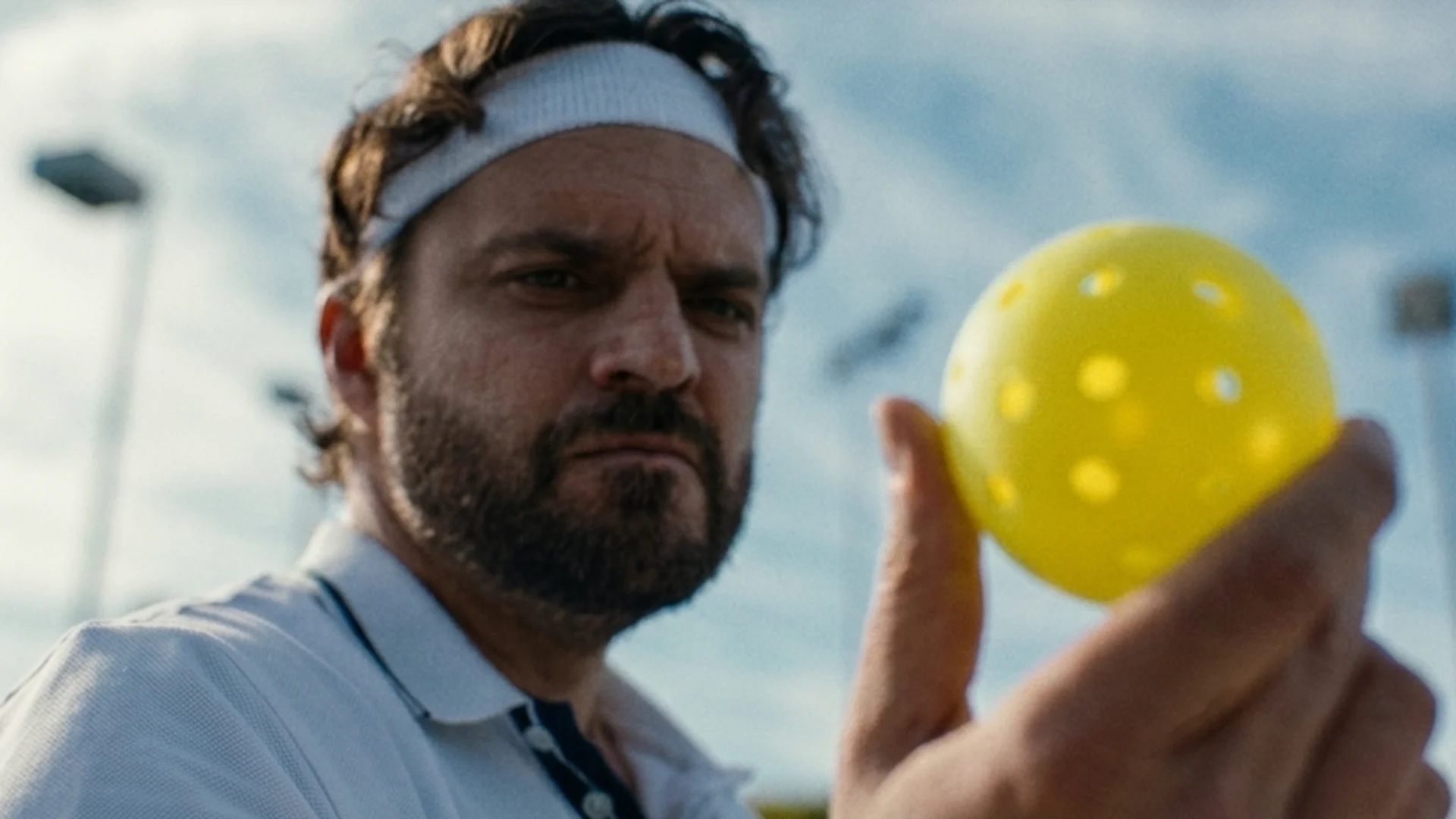
Pickleball is the sport serious tennis players love to roll their eyes at: too easy, too social, played on a shrunken court with a wiffle ball and a paddle. The Dink, now the number one movie on Apple TV+, is the film version of that eye-roll and its answer at the same time. It is small, friendly, a little goofy, and perfectly happy being all three.
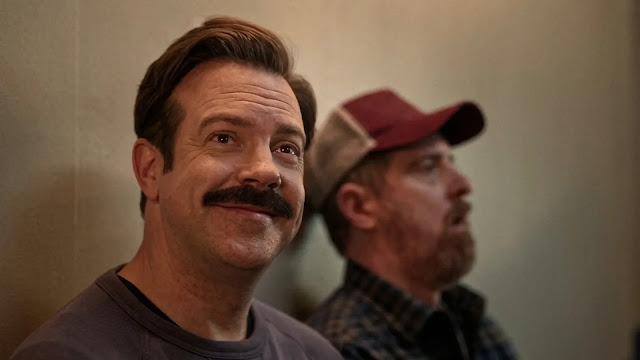
Jake Johnson plays Dustin Boyd, a former junior tennis prodigy who peaked at seventeen and has coasted on the nickname “The Hammer” ever since, license plate included. A bad shoulder and a blunt doctor push him toward the one court he has spent his whole life mocking. What follows is a redemption arc you can see coming from the opening serve, and the movie is relaxed enough to admit it. That ease turns out to be the entire pitch. Even the title is a wink at it: a dink is pickleball’s softest shot, the little drop that wins on touch instead of power, which is the exact opposite of a guy who built a whole identity around being The Hammer.
From Tennis Royalty to a Wiffle Ball
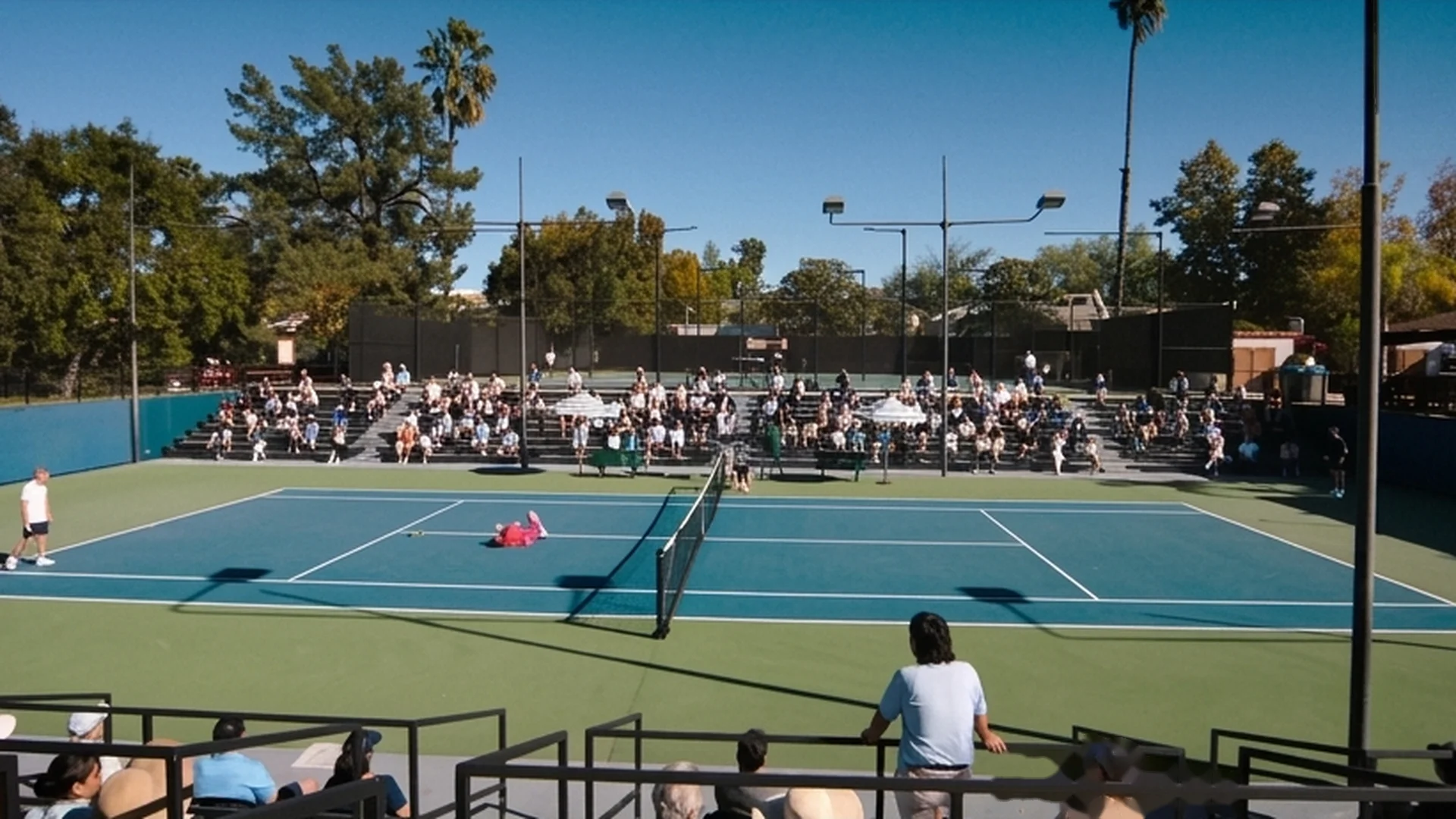
Boyd’s real problem is not his shoulder; it is his pride, and the film is smart to make his father the source of both. Ed Harris plays the club patriarch with a deadpan chill that treats pickleball the way a wine snob treats a juice box. The tennis world in the movie is all pressed whites and quiet money, and Boyd was raised to believe anything easier than tennis sits beneath him. Pickleball, with its retirees and its potlucks and its round-robin sign-up sheets, is his personal humiliation. It is also, of course, the exact place he starts learning how to be a person again. The joke lands because Harris never winks at it; he plays the snobbery straight, which makes Boyd’s slow surrender to the paddle feel earned rather than cute.
A Sport, and a Movie, That Just Want You to Relax
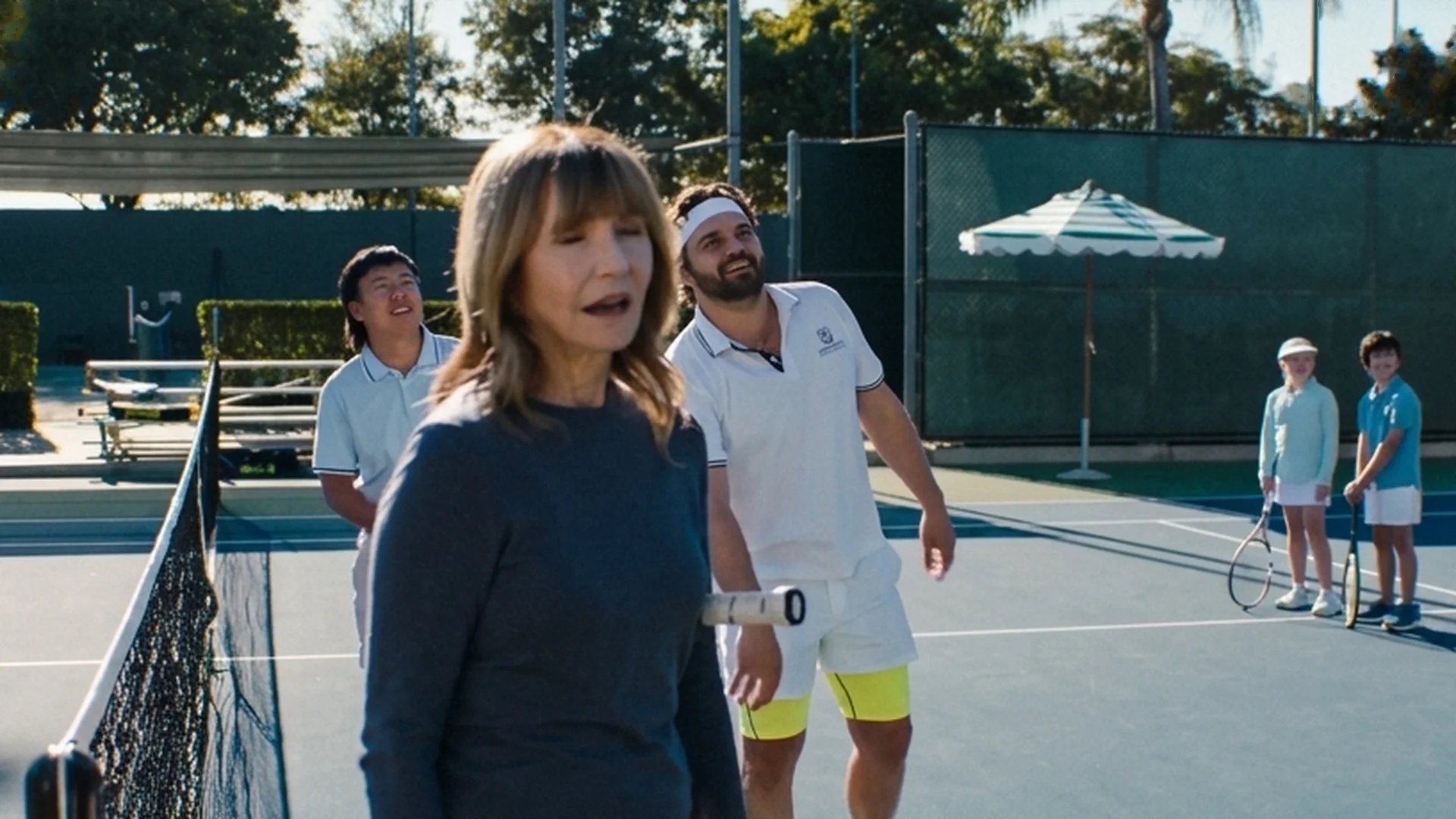
Here is where The Dink wins you over, if it is going to. The director and writer are real picklers, and it shows in the small stuff: the etiquette of open play, the paddle taps after a point, the way a doubles court turns four strangers into a temporary family for twenty minutes. Mary Steenburgen is the warm center of it as Candace, an older player who quietly adopts Boyd and never once talks down to him. Candace is the film’s whole idea in one character: she is not trying to win anything, she is just there for the game and the company after it, and the movie lets Boyd slowly catch the same easy bug. The film has no real interest in stakes; it wants you loose and smiling, the same easy pleasure a comfort watch like My Royal Nemesis runs on. If you came for a sports drama with a lump in its throat, you will be waiting a long time, because that is not the game this movie signed up to play.
The Cast Shows Up to Play
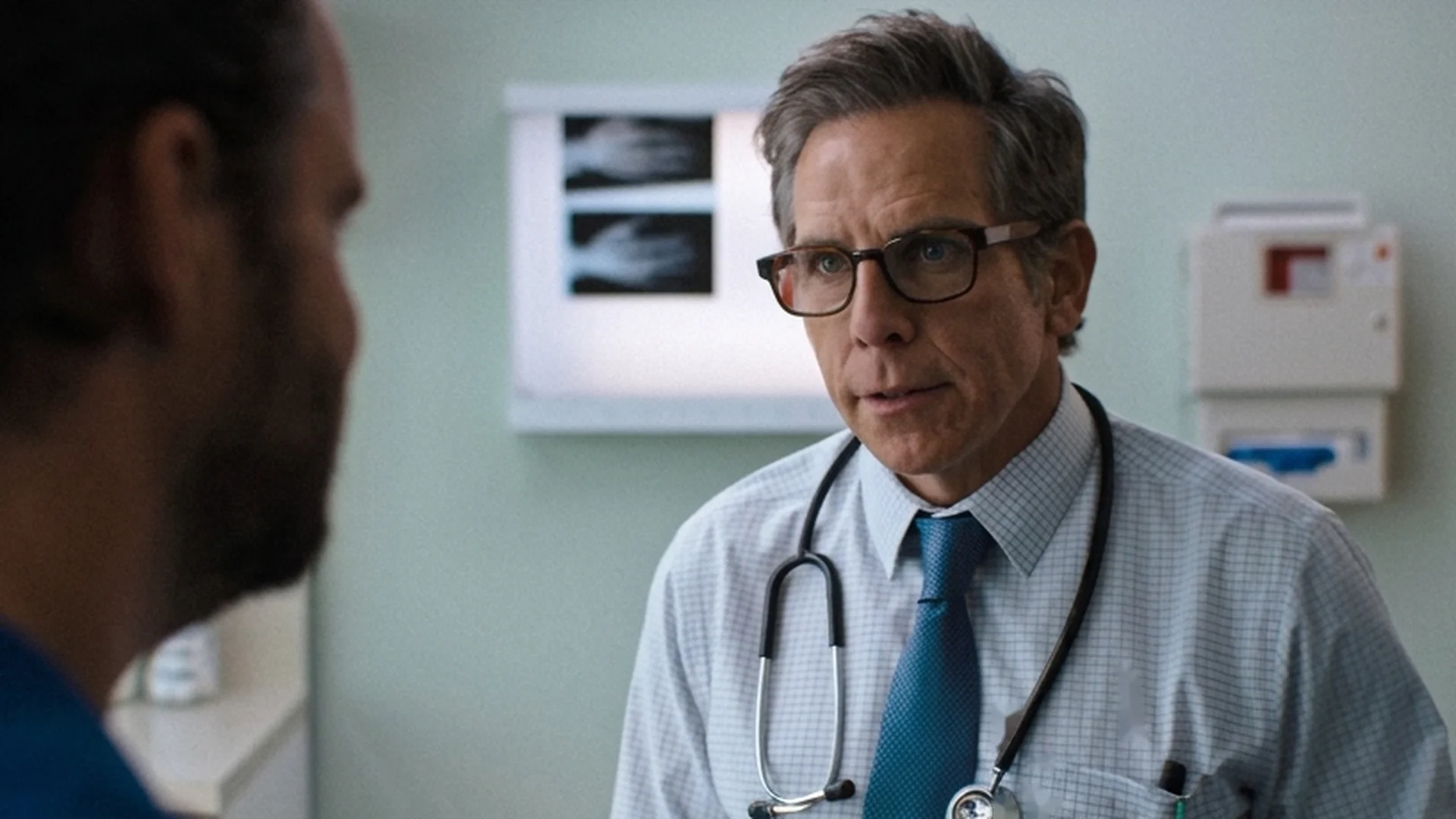
The supporting bench is where the movie relaxes into pure hangout comedy. Ben Stiller, who also produced, turns up as a doctor whose bedside manner tips straight into cringe, and Patton Oswalt plays a pickleball evangelist with the zeal of a man who has found religion. The real flex, though, is the tennis royalty. Andy Roddick appears as Boyd’s final opponent, and John McEnroe narrates the climactic match while eating snacks, which is a sentence I did not expect to write about a pickleball movie. That casting is the whole thesis in miniature: the sport tennis looks down on gets the tennis greats to show up and bless it anyway. The gag never turns mean, which matters; the movie is fond of pickleball, and it wants you fond of it too. It is an easygoing, veteran-heavy ensemble, the company that carries a low-stakes comfort watch like The Four Seasons Season 2, where the point is simply the people in the room.
An Easy Win on a Sunny Court
None of this adds up to great cinema, and the reviews have said so; the harsher ones call it vanilla, formulaic, the kind of thing you half-watch while making dinner. They are not wrong about the shape of it. But grading The Dink against prestige drama is like grading a Saturday rec game against Wimbledon, and it misreads the assignment. The split in the reviews is really a split in expectations: walk in wanting Wimbledon and it plays thin, walk in wanting a Saturday at the local courts and it delivers. The movie wants to be a sunny, ninety-minute hang with a likable lead, a few big laughs, and a warm bath of an ending, and on that court it wins in straight sets. Like the sport it loves, it has a low ceiling and an even lower barrier to entry, and it is a very good time while it lasts. Sometimes that is the whole win.
1 thought on “The Dink on Apple TV+ — The Pickleball Comedy That Plays Just Like the Sport”