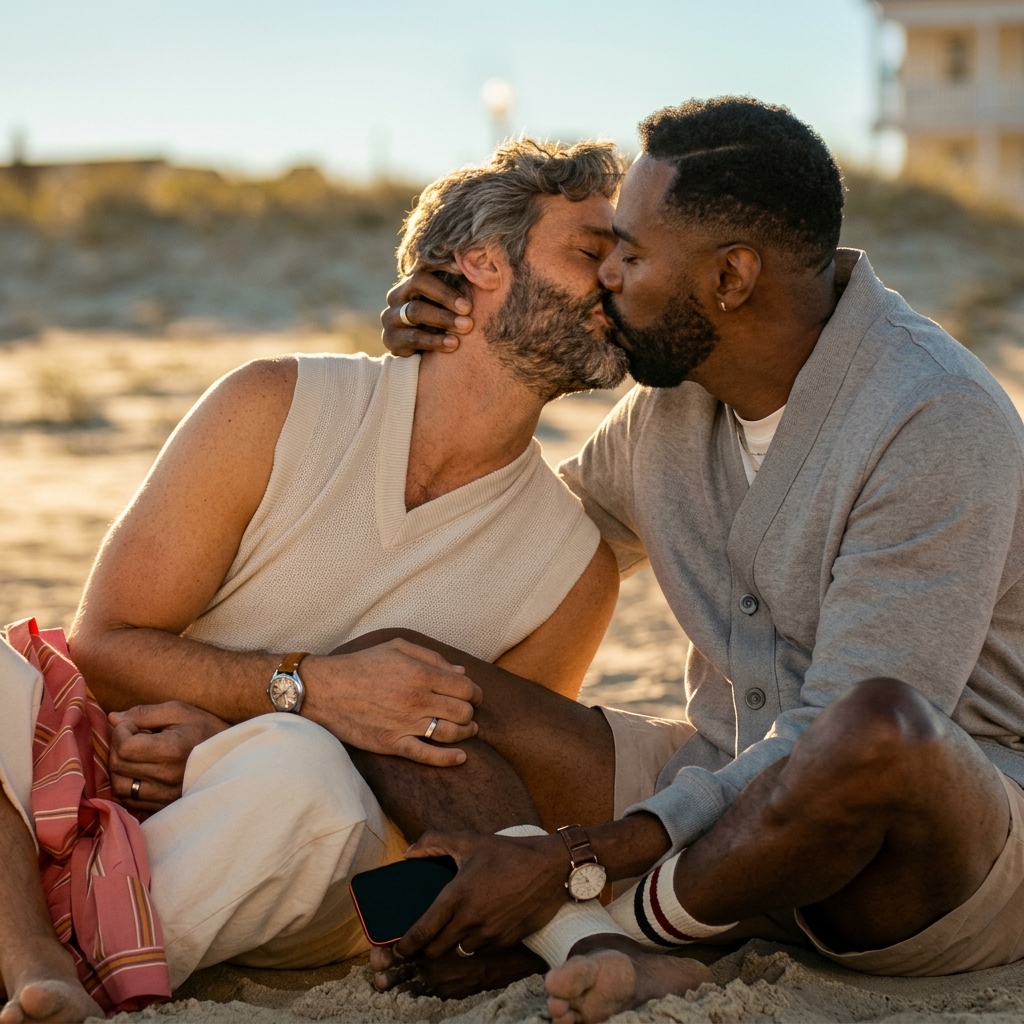
he most disciplined thing The Four Seasons Season 2 does is refuse to let Nick haunt it.
Steve Carell’s character was, in the first season, the kind of person a group of friends organizes itself around without quite realizing it — the one whose choices set the terms, whose appetites defined the social weather. His death in the season finale, accidental and almost offhandedly sudden, left a structural vacancy that the show could have filled in any number of ways. It could have given him flashback episodes, voice-over letters, grief-triggered visions. It chose, instead, to make his absence the season’s primary fact and let the other characters expand into the room he vacated. That is a harder choice than it sounds, and Season 2 — eight episodes, streaming now, already sitting at number one in the US — earns it more often than not.
<The Best Decision The Four Seasons Season 2 Makes>
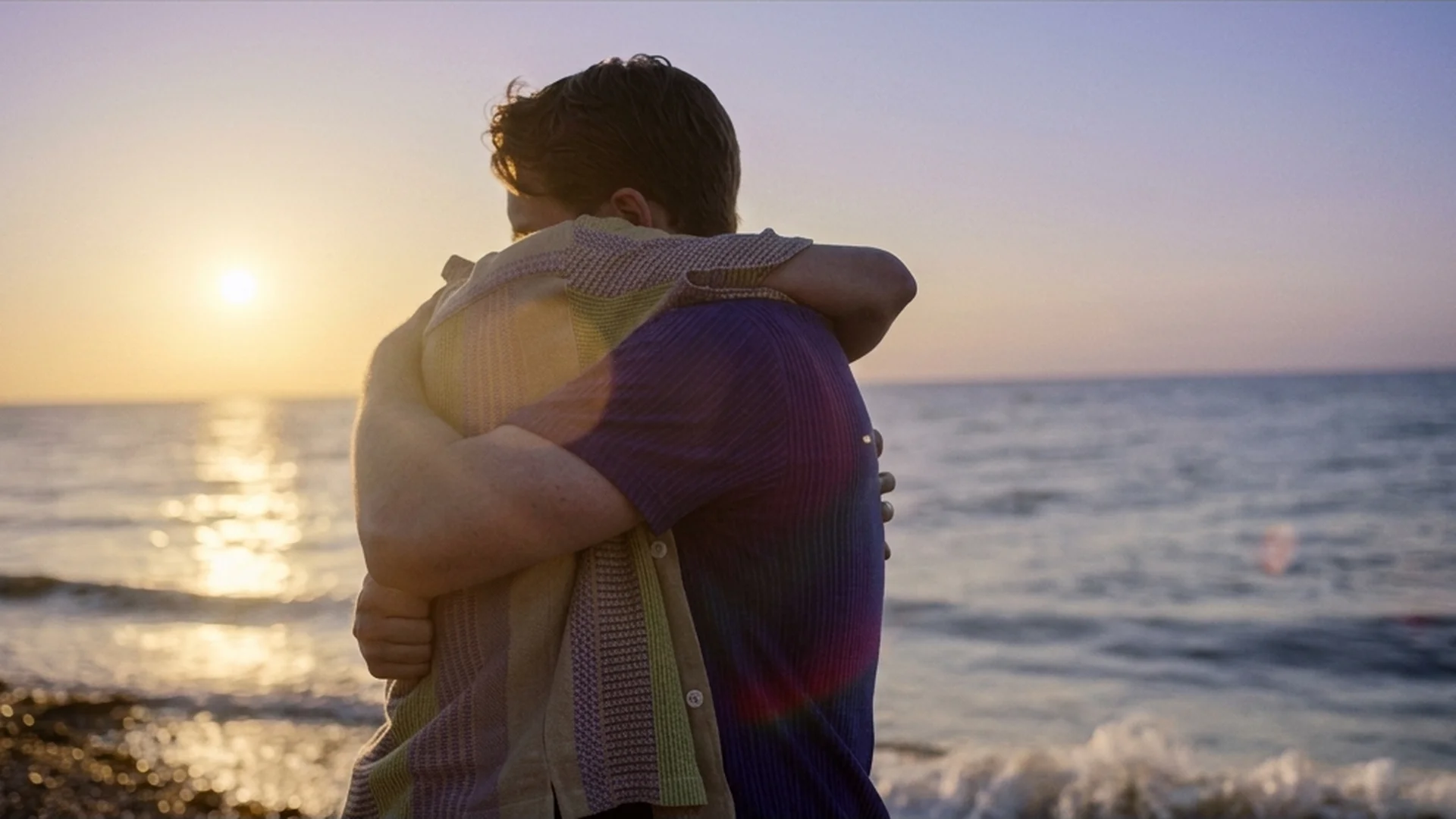
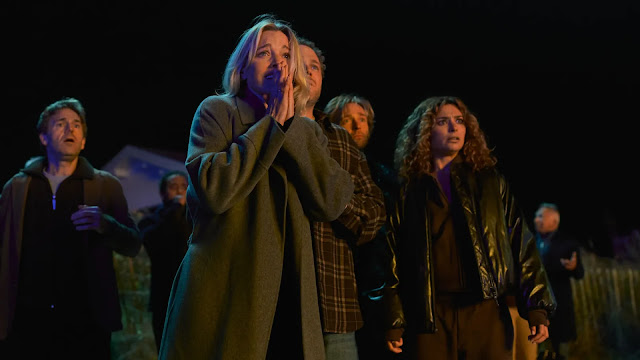
The show’s quarterly structure — one vacation per season of the year, two episodes per trip — remains intact. Spring is the Catskills, where the group hikes in to scatter Nick’s ashes. Summer is the Jersey Shore. Fall returns to the lake house Nick once shared with Anne. Winter lands the whole group in the Italian Alps. What follows, across those four trips, is a quiet inventory of who these people are without him — and what the season discovers in that vacancy is worth the eight hours.
What the writing does best in Season 2 is treat each vacation not as an occasion for update but as an occasion for truth. These are people who can only be fully honest with each other when they’re away from their real lives, and Nick’s death makes that arrangement more fragile and, somehow, more necessary. The annual ritual that once felt like a charming premise now carries genuine weight.
<Kerri Kenney-Silver Is the Reason to Watch>
Kerri Kenney-Silver spent the first season in a largely reactive role, absorbing other characters’ choices with a kind of rueful composure that suggested more going on underneath than the writing was able to reach. Season 2 reaches. Nick’s death turns out to be the event that, perversely, gives Anne her life back — and the show traces that paradox with more patience and specificity than anything it attempted in its first run.
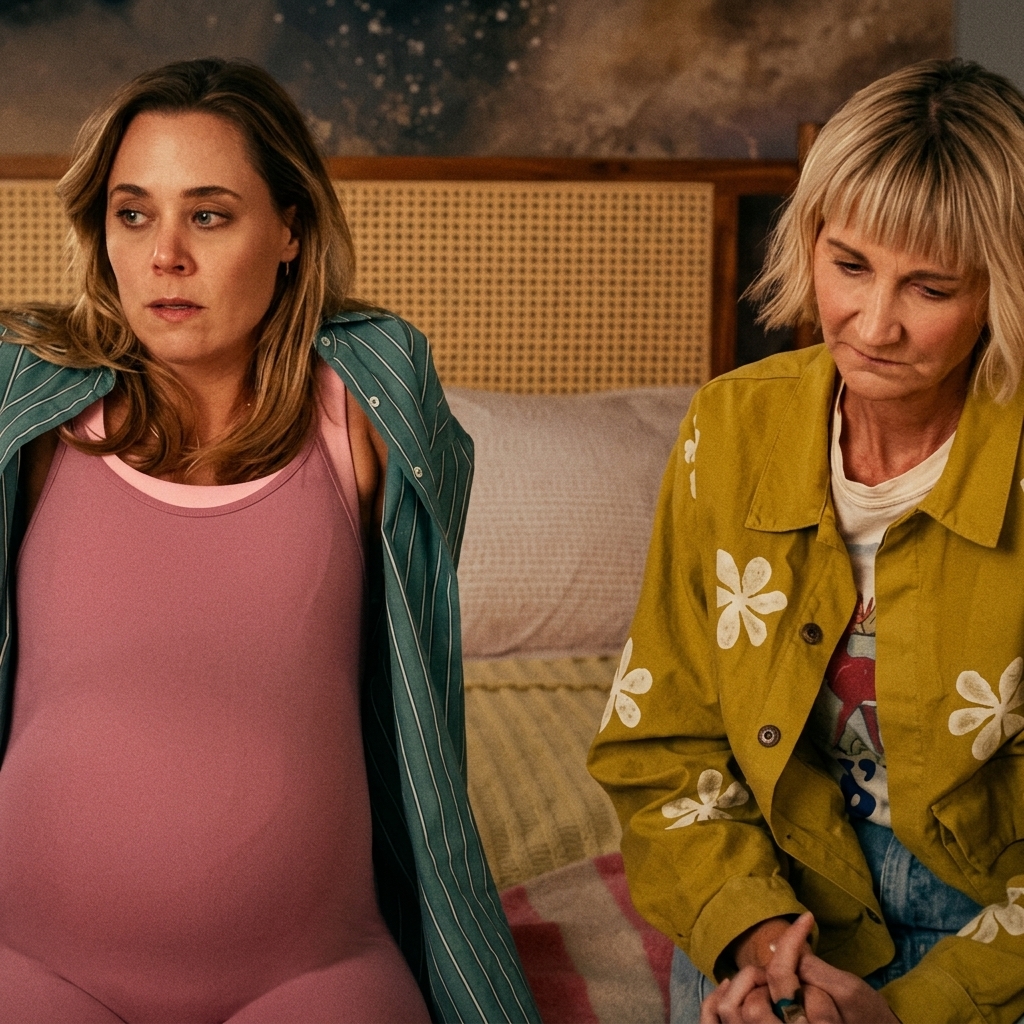
For Anne, the inventory produces surprises. She navigates the legal and emotional complications of Nick’s unfinalized divorce and Ginny’s pregnancy with a steadiness that reads less like strength than like a woman discovering she had it all along. She allows herself a tentative romantic connection on the Jersey Shore — not triumphant, not redemptive in the obvious way, just present. And in what turns out to be the season’s most unexpected structural decision, she ends up sharing a home with Ginny and the baby: the woman Nick left her for and the child he fathered with her. The show commits to the improbability of this arrangement with a seriousness it earns scene by scene, rather than asking you to accept it as a given.
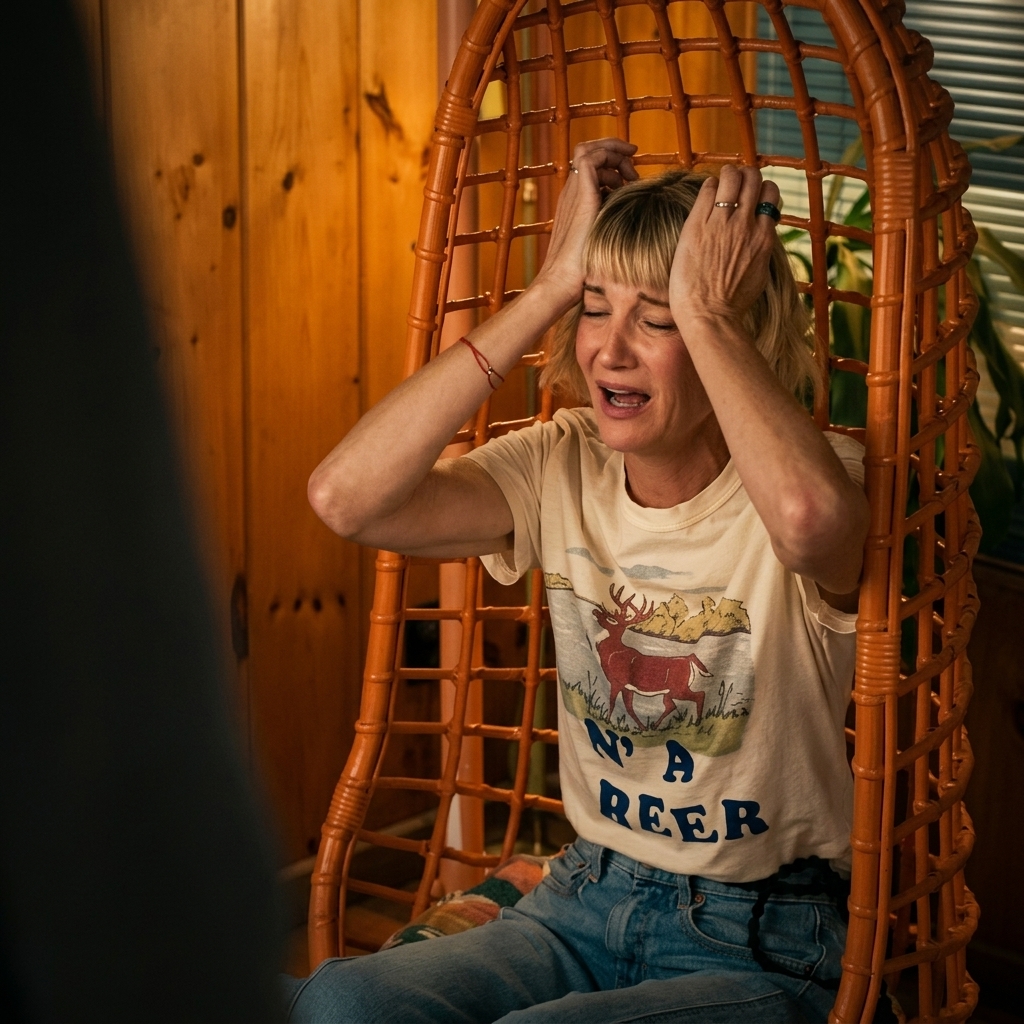
“No one’s allowed me to do dramatic scenes,” Kenney-Silver has said in interviews. Season 2 allows her, and she makes significant use of the permission. There is a late-season flashback to a COVID Thanksgiving, a locked-down gathering that reveals Nick was having an affair during the period his friends remember as bonding — a revision of shared memory that the episode handles with restraint and lets land with real weight. What it does to Anne’s story, retroactively, is complicate her grief into something more accurate: not the clean mourning of a woman who lost a good man, but the messier reckoning of someone who has been handed, at last, a version of the truth.
<Where Season 2 Loses Its Footing>
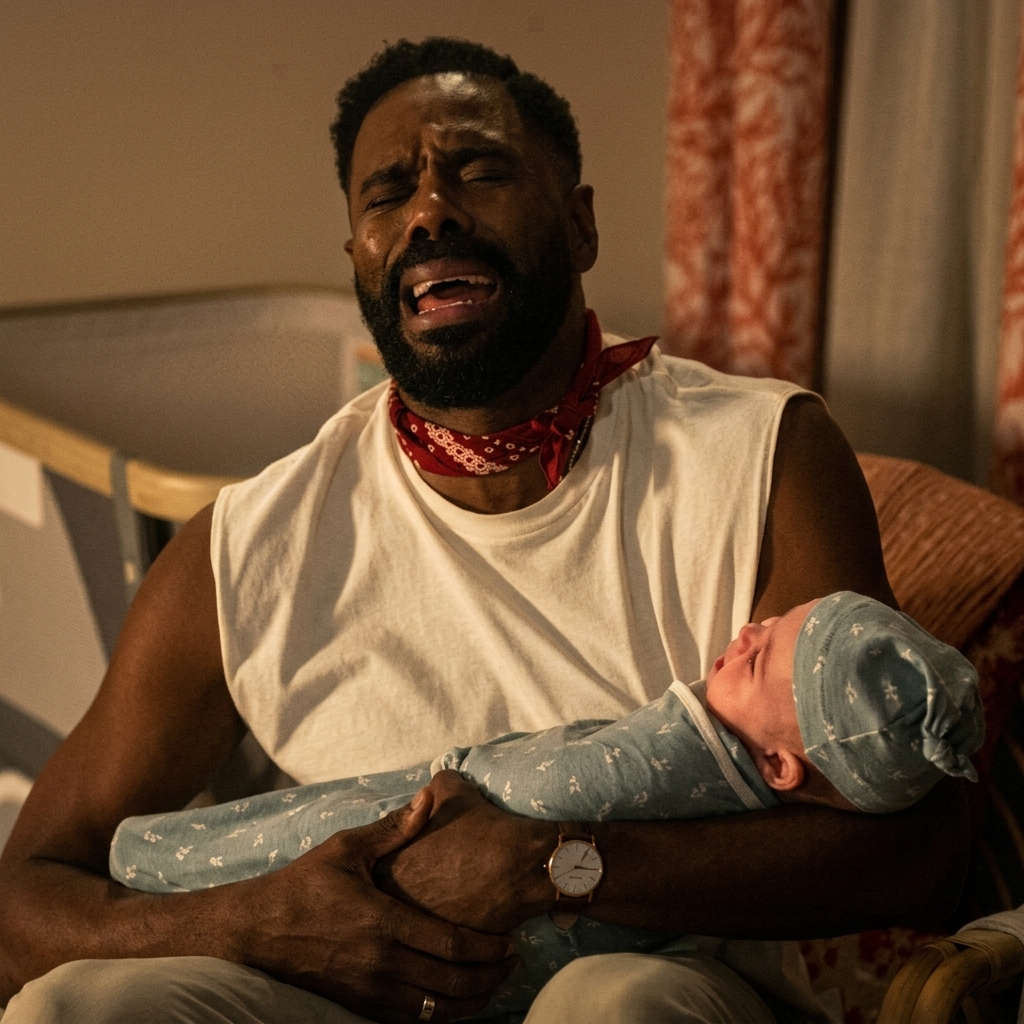
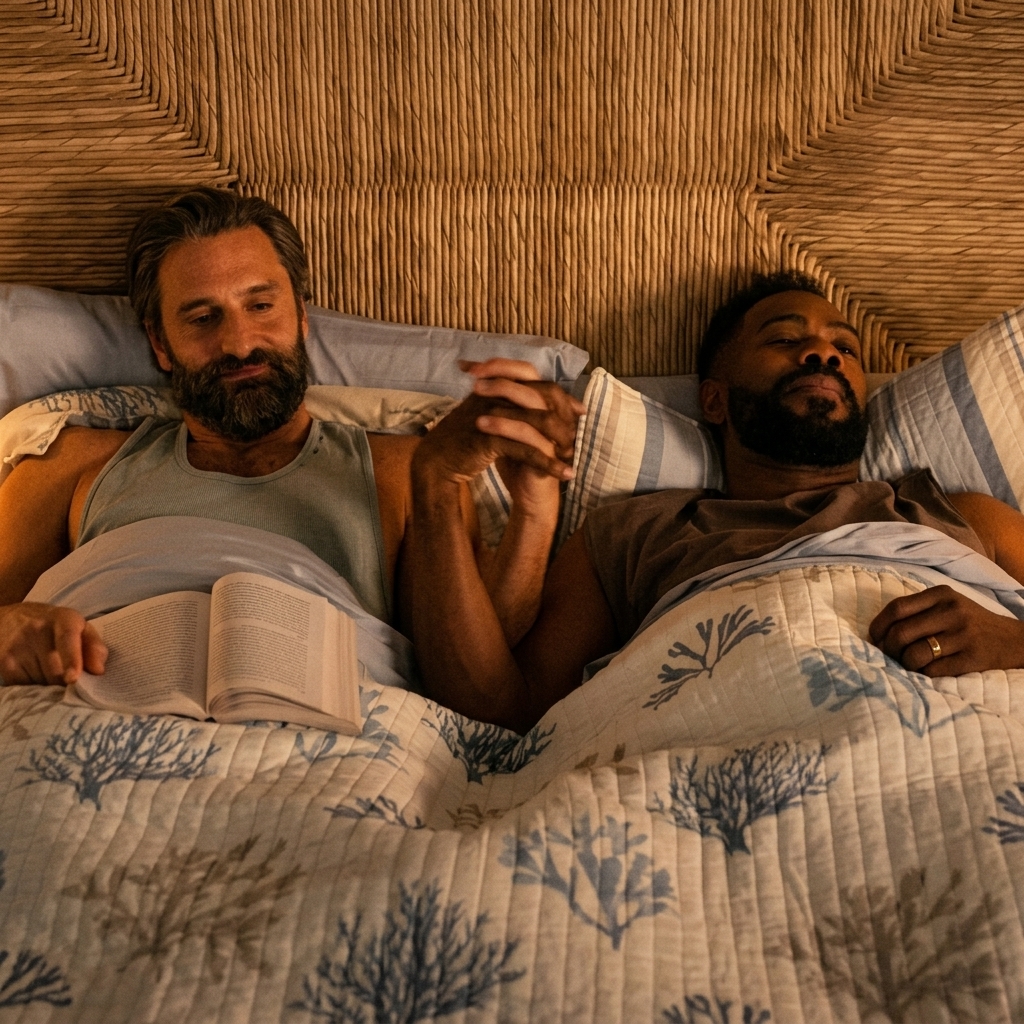
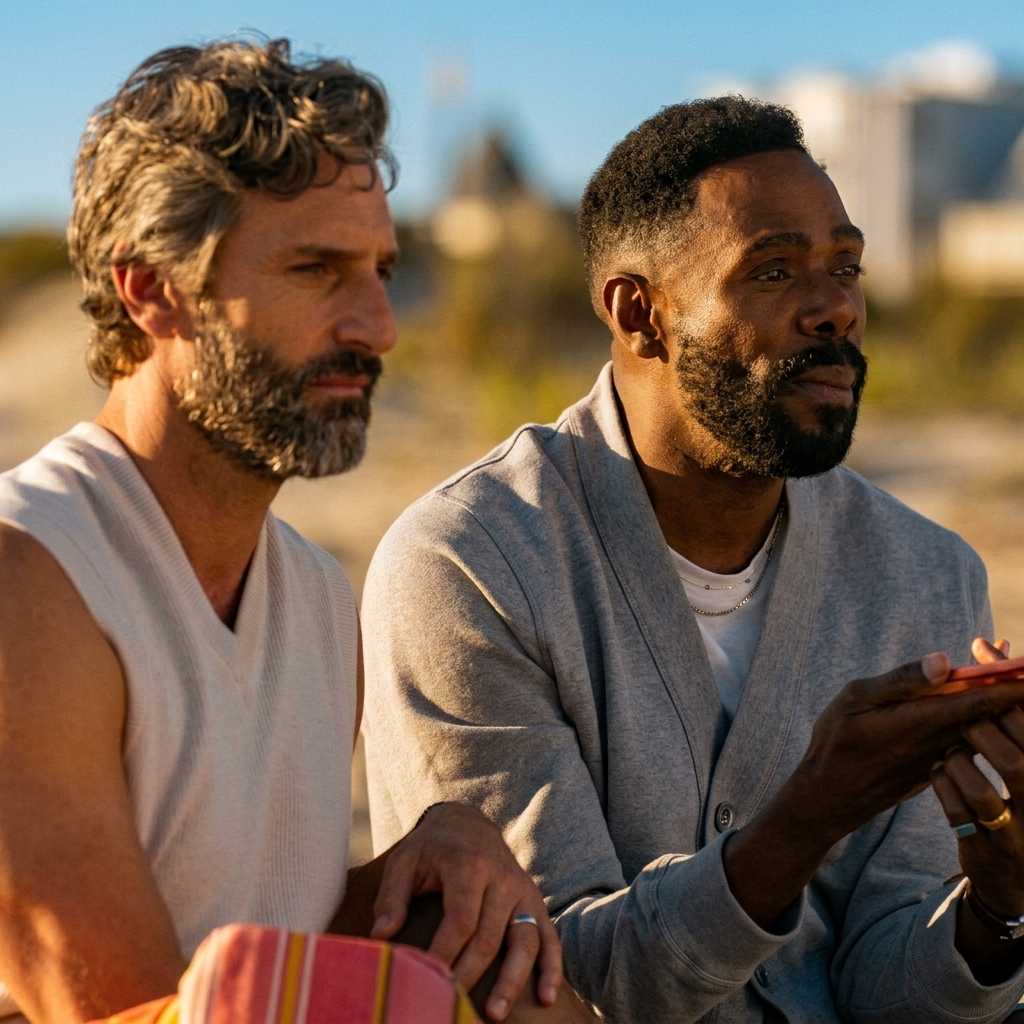
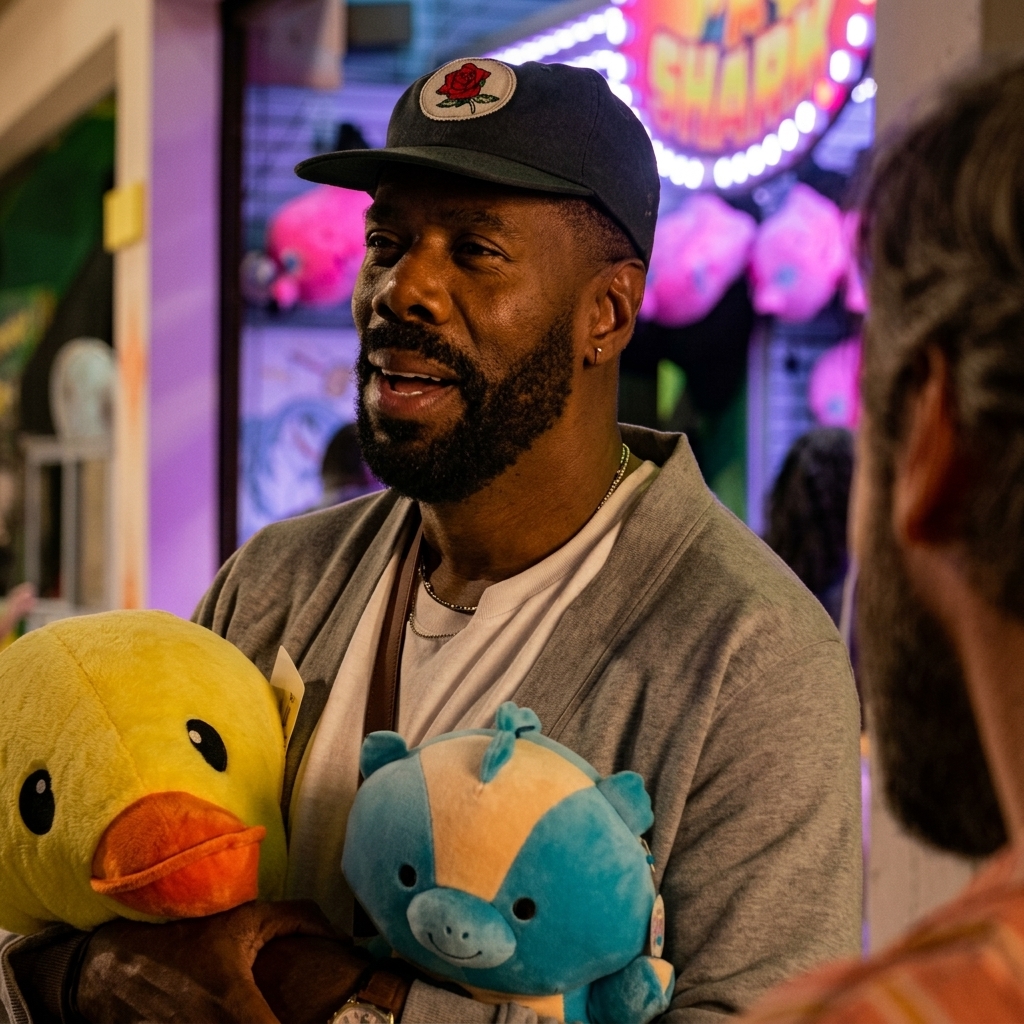
The Danny and Claude storyline is the season’s most persistent frustration. Colman Domingo and Marco Calvani are never less than watchable — Domingo in particular has a quality of settled attention that makes even underwritten scenes feel inhabited — but their debate about whether to have children via surrogacy runs the same circuit too many times. The conclusion, when it comes, registers more as relief than as drama. There’s a scene where Danny holds Ginny’s newborn and the camera holds on his face just long enough; that single moment contains more of what the storyline is reaching for than the surrounding episodes manage to supply.
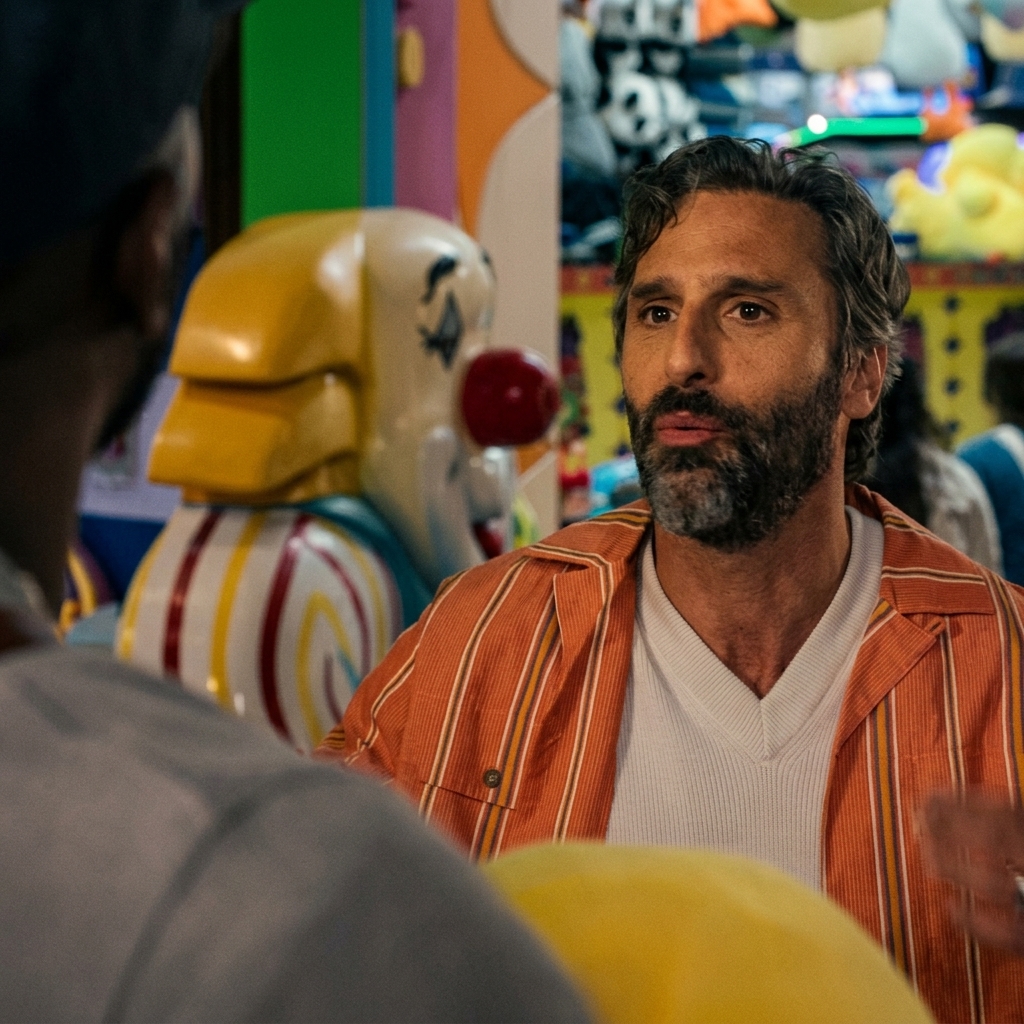
The structural issue most critics have flagged is also real. The show asks us to believe that these five people conduct their entire friendship within four annual vacations — that major life changes accumulate invisibly between trips and are disclosed at the table with drinks in hand. Revelations arrive that feel fresh to the characters but that we are expected to receive as if they’ve been building for months. If the show committed more fully to the artificiality, the conceit might become a structural argument. As it stands, it remains somewhere in between.
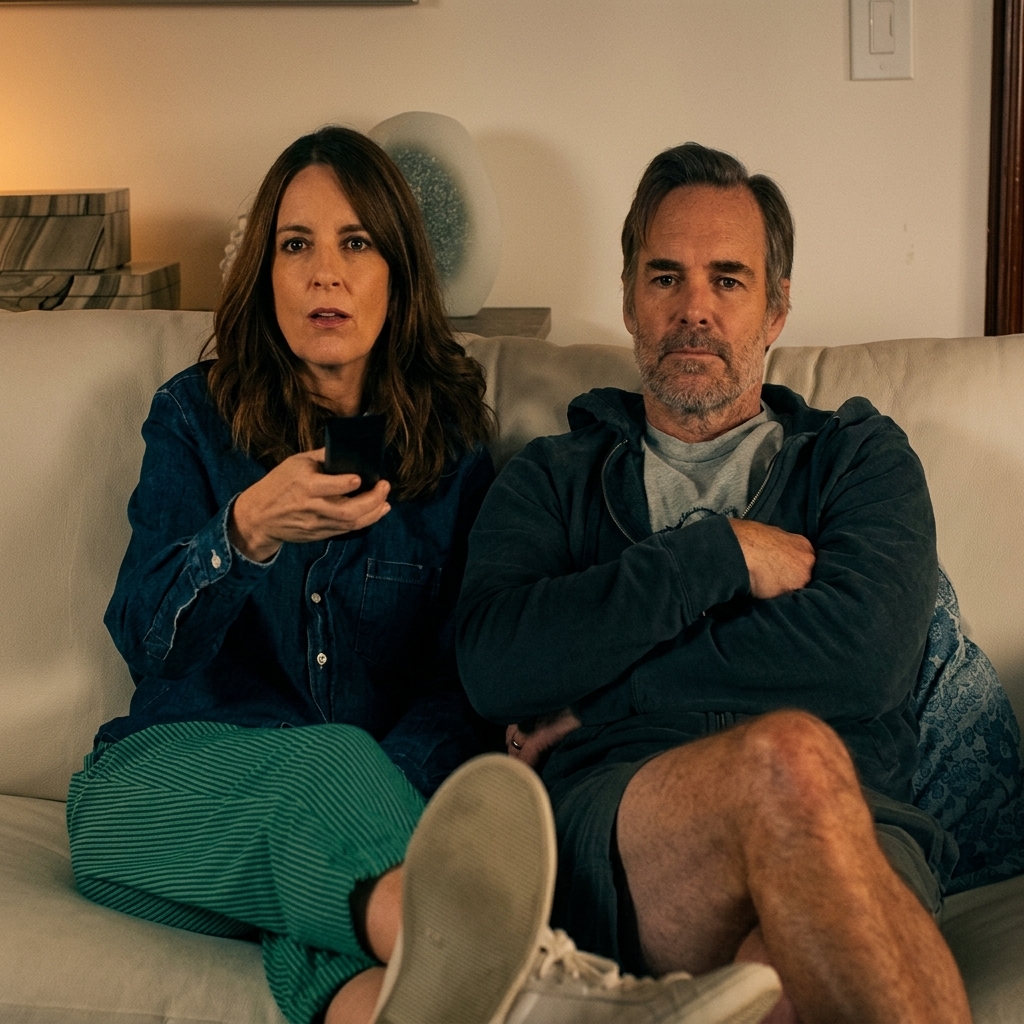
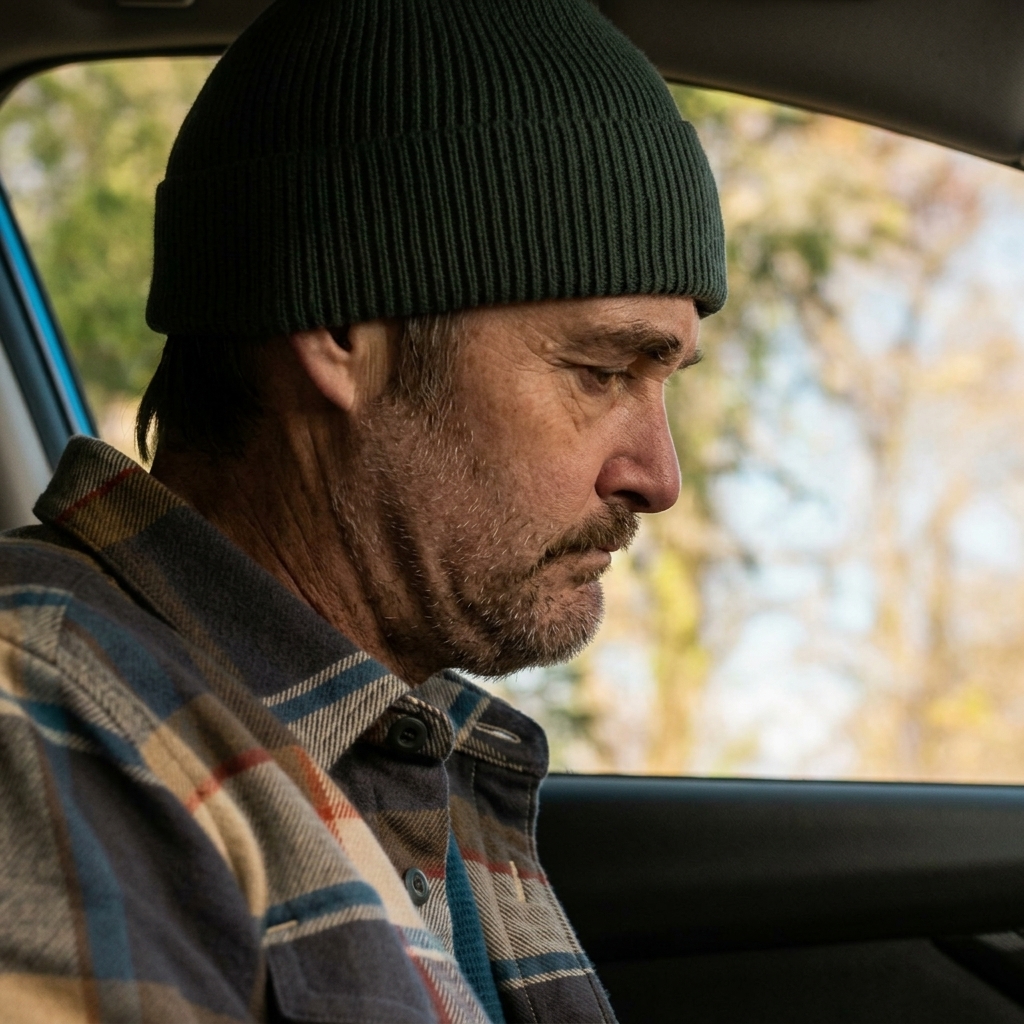
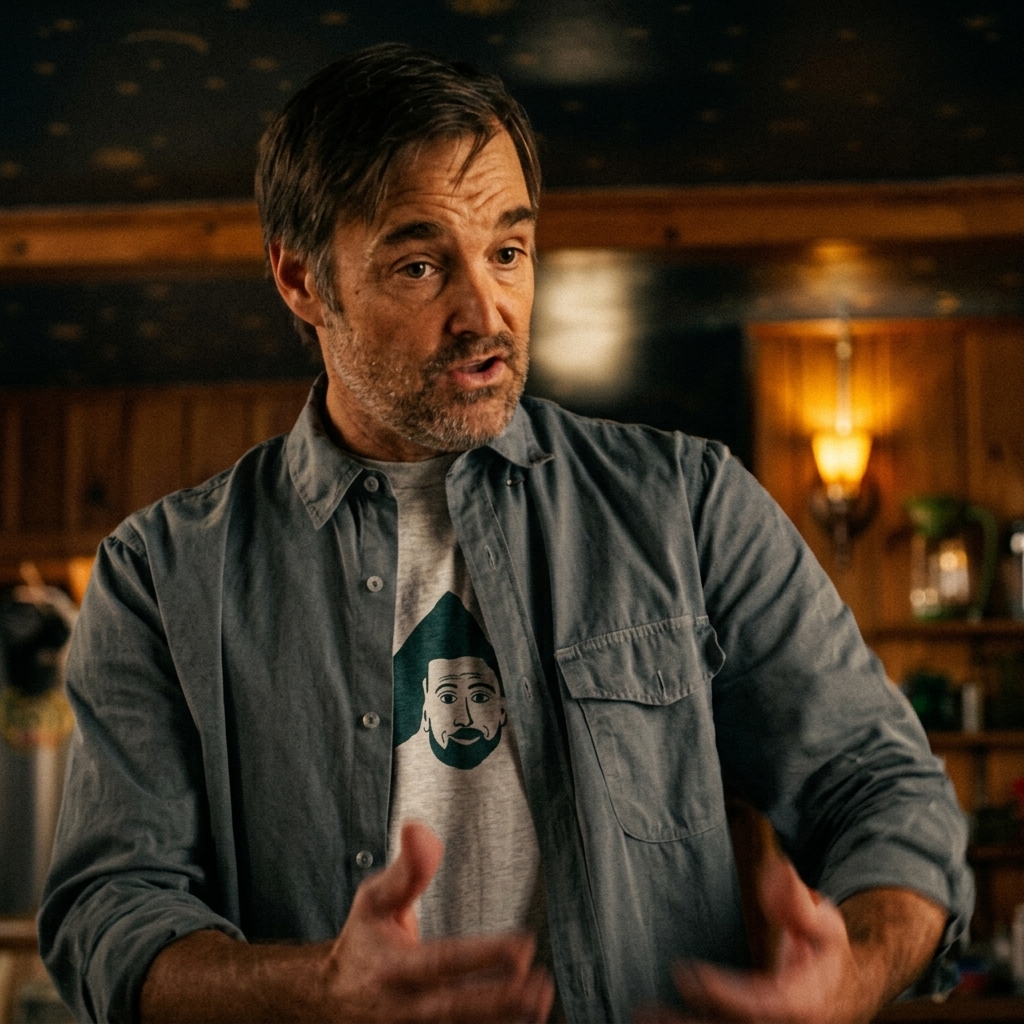
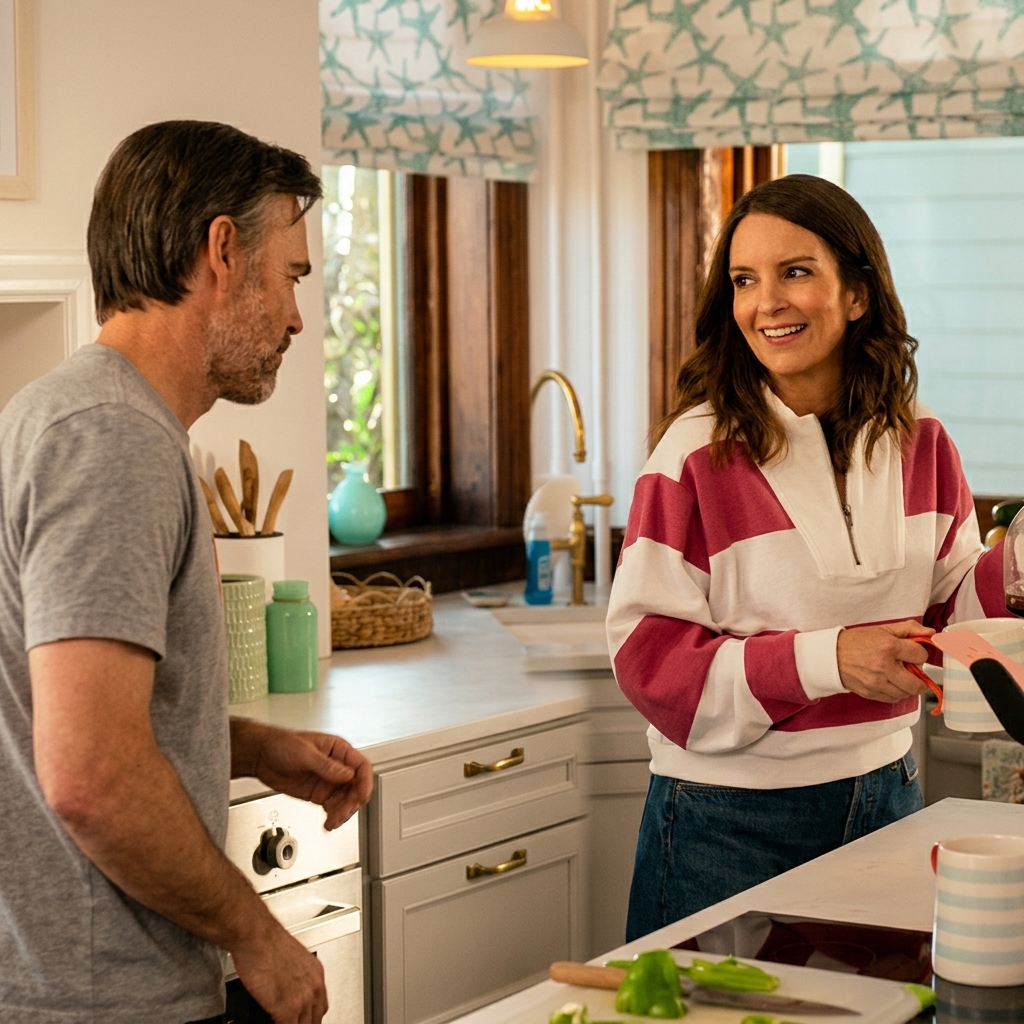
Tina Fey, who created the show alongside Lang Fisher and Tracey Wigfield and plays Kate, is harder to assess here than in Season 1. Kate is often doing the work that holds scenes together rather than driving them — exhausted competence that Fey plays with real precision, even when the writing around her is thinner than it should be. Will Forte’s Jack is the season’s most relatable and most limited figure: the one who cannot metabolize Nick’s death, who makes grief into a wall rather than a passage. Forte resists the temptation to make that more sympathetic than it is, which is accurate, and occasionally difficult to sit with.

<Italy, and What This Netflix Show Is Really About>
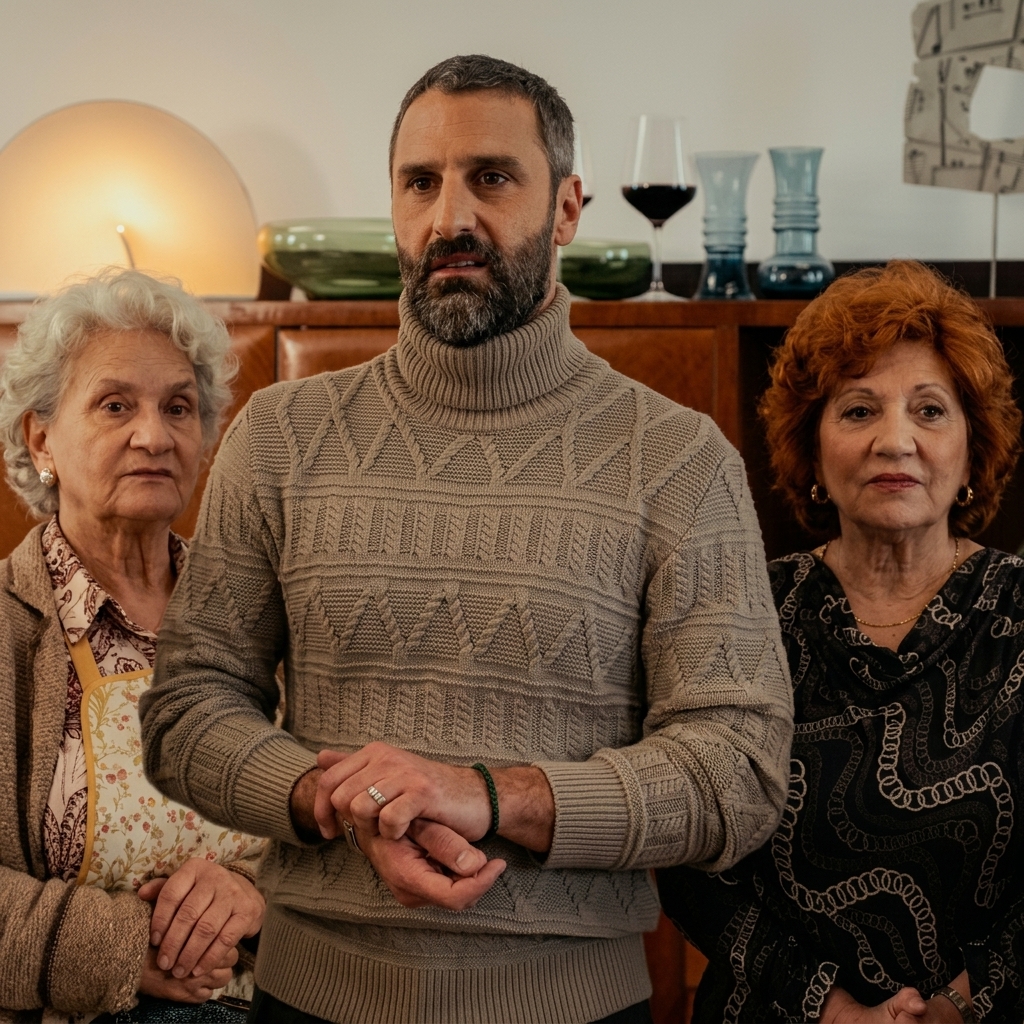
The Italy episodes are worth the wait. Something relaxes in the final two hours — the dialogue finds a looser, more exploratory register, the locations stop serving as backdrop and start doing some of the emotional work, and the ensemble, freed from the familiar geography of upstate New York, seems to have more room to move. The scene in which the group gathers at a dinner table in the Alps is the best the show has done at capturing what it is actually about: the texture of a friendship that has outlasted the circumstances that created it, and the mutual decision, year after year, to keep showing up.
Season 2’s Rotten Tomatoes score has climbed above Season 1’s. The Metacritic number has gone up more sharply still. These numbers reflect something real: this is a more assured, if quieter, season of television. The comedy is less confident. The drama has found its footing. Alan Alda, whose 1981 film gave the series its premise, appears briefly as Anne’s father — a presence that registers as more than a cameo, a passing of the baton to something he couldn’t have anticipated when he made the original.

If you came for the ensemble’s sparring and the breezy accumulation of character jokes that defined Season 1, this season will feel like a retreat. If you came to find out what these people are made of when the structure of their friendship is tested by something they cannot joke their way through, this is the more interesting version.
Nick stays dead. The four seasons continue. What grows in his absence is, it turns out, worth watching.