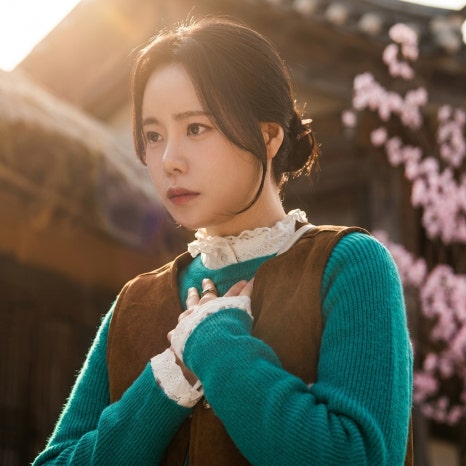
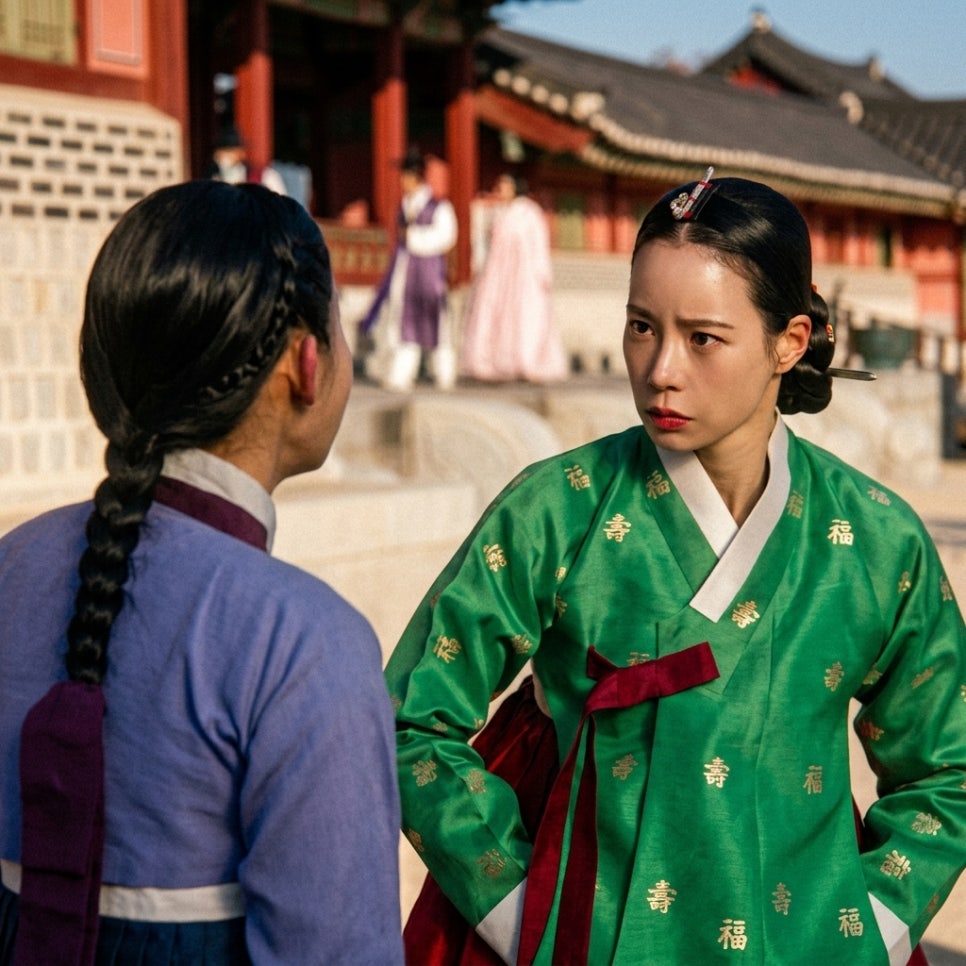
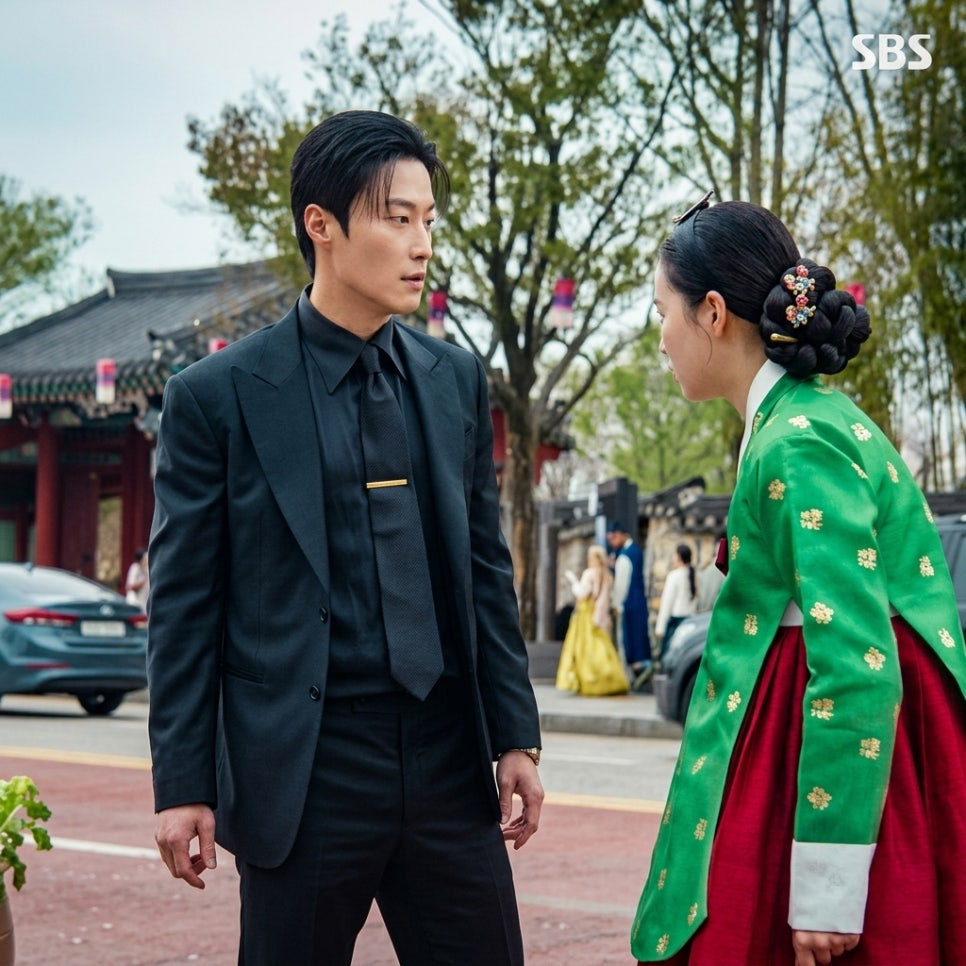
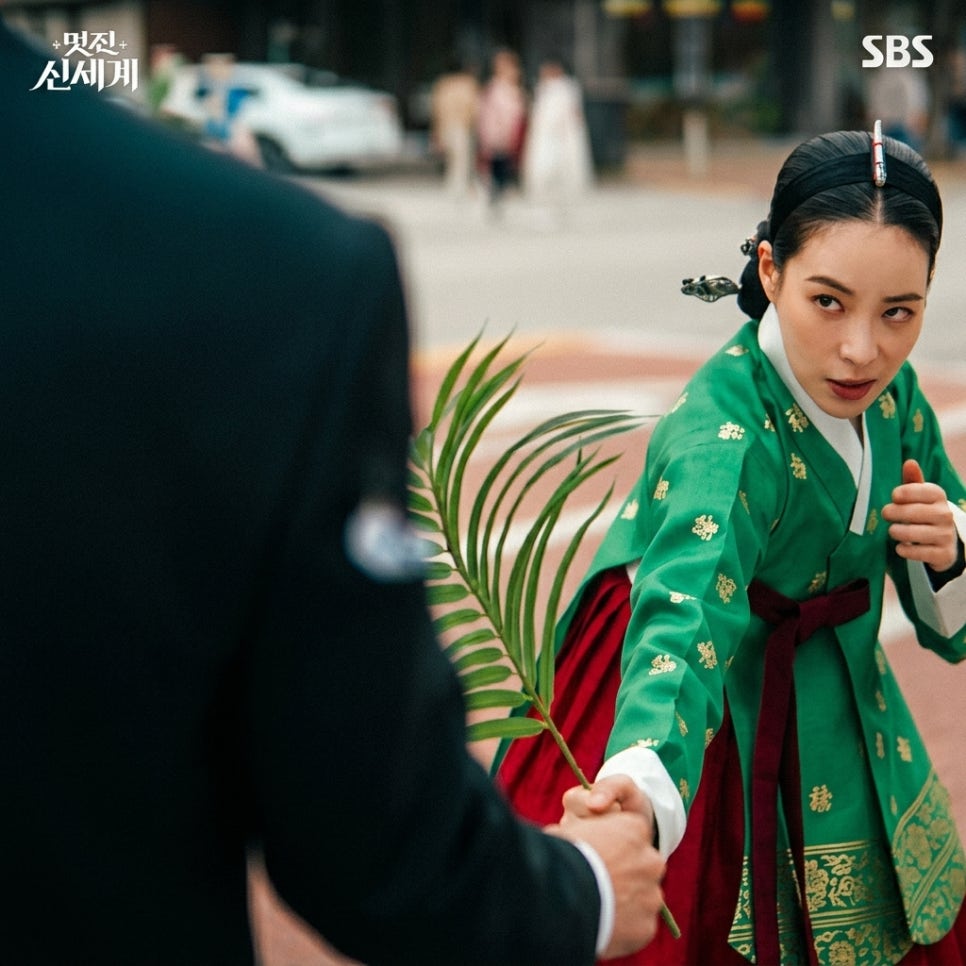
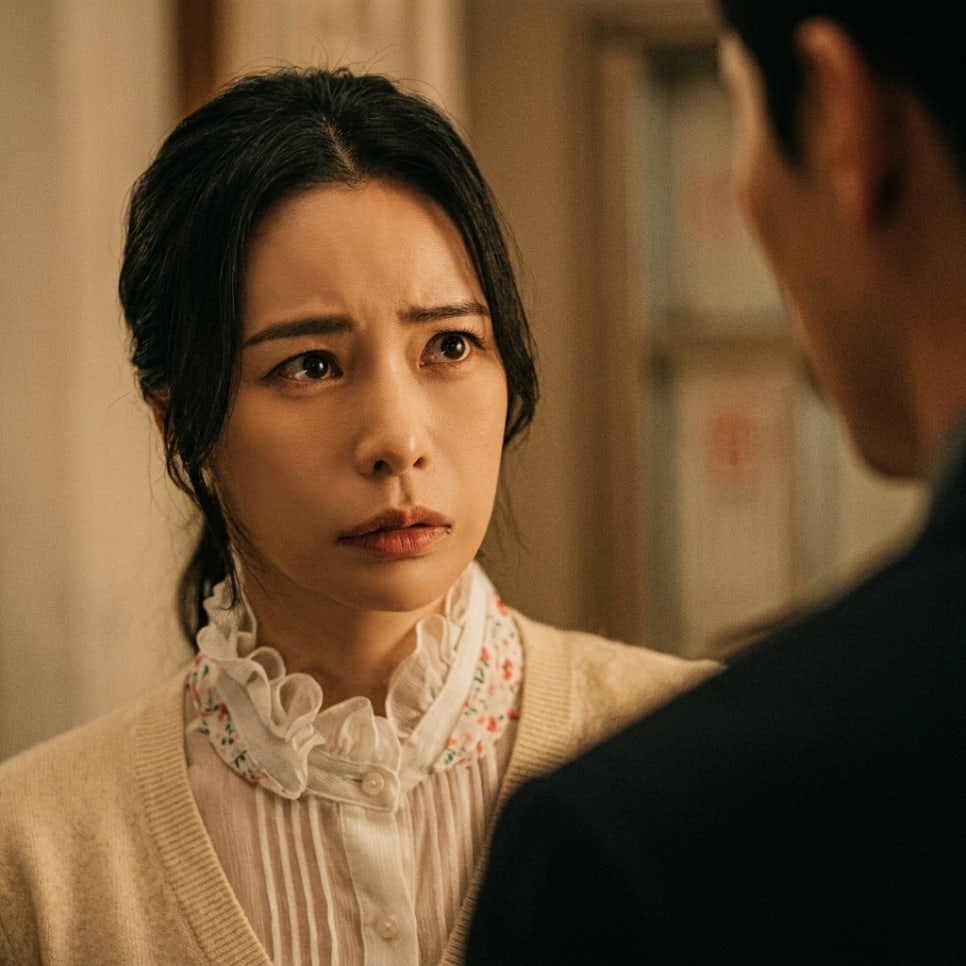
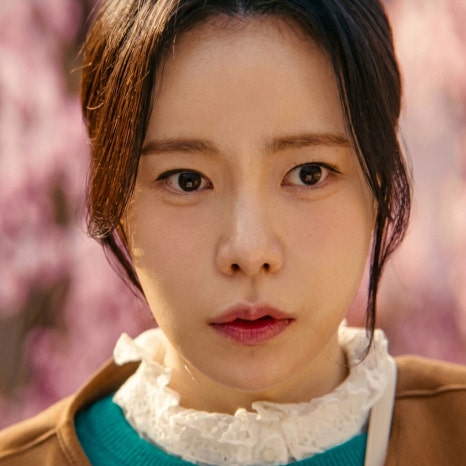
There is a specific pleasure that Korean romantic comedies do better than almost anyone else: the slow, reluctant fall. Two people who should despise each other, trapped in circumstances that keep forcing them together, discovering — against their better judgment and everyone’s best interests — that they cannot stop thinking about the other person. My Royal Nemesis does this with a twist that makes the formula feel genuinely fresh: one of the protagonists has been dead for three hundred years.
My Royal Nemesis (멋진 신세계 in Korean, which translates roughly as “Brave New World”) is a 14-episode romantic fantasy drama that premiered on SBS in South Korea on May 8, 2026, and is now streaming on Netflix globally. It has spent weeks near the top of Netflix’s non-English TV chart, reaching number one in the global rankings and landing in the top ten across 44 countries. If you haven’t watched it yet, here is what you need to know.
The Premise
In 1700s Joseon, a woman named Kang Dan-shim has clawed her way from the lowest social class to become a royal concubine of the highest rank. She did it through intelligence, audacity, and a total refusal to apologize for wanting power in a world that told her she wasn’t allowed to want anything. Then she is executed — falsely accused, politically maneuvered out of existence — and her soul, rather than passing on, finds itself inhabiting the body of a struggling modern-day actress named Shin Seo-ri.
Shin Seo-ri is twenty-first century Seoul’s version of someone the world has also largely written off: broke, unrecognized, living on the margins of an industry that doesn’t particularly care whether she succeeds. Into this body steps Kang Dan-shim’s soul — and three hundred years of accumulated fury, political instinct, and refusal to be underestimated.
The man she keeps colliding with is Cha Se-gye (Heo Nam-jun), described by the show as “a monster born of capitalism”: the heir to a conglomerate empire, accustomed to getting what he wants, and completely unprepared for someone who doesn’t particularly care who he is. Their dynamic is the engine of the series, and it runs on the charge of two people who are ostensibly enemies discovering that the other person is the only one in the room worth paying attention to.
Why Im Ji-yeon Makes This Work
The premise lives or dies on Im Ji-yeon’s performance, and she delivers one of the most physically and emotionally demanding roles I’ve seen in a Korean drama this year. She is playing two distinct people sharing one body — Shin Seo-ri’s uncertainty and Kang Dan-shim’s absolute certainty — and the transitions between them are never clunky. There are moments when you can see exactly which woman is looking out of the same eyes, and the switch happens with an ease that makes you forget you’re watching technique.
Heo Nam-jun matches her. Cha Se-gye is a character who could easily become a caricature — the cold, impossibly wealthy man who melts — but Heo plays him with enough visible internal complication to make the eventual thaw feel earned rather than inevitable. The scene in which he watches Shin Seo-ri handle a situation his money and status couldn’t have solved, and simply doesn’t know what to do with the feeling it produces, is a small masterpiece of restrained performance.
What the Show Understands About Power
My Royal Nemesis is funnier than its premise suggests, but it is also doing something more interesting underneath the comedy. Kang Dan-shim spent her first life navigating a system that was designed to exclude her. The twenty-first century system that Shin Seo-ri inhabits is different in its specifics and depressingly similar in its fundamentals: the entertainment industry runs on hierarchies, connections, and the willingness of those at the bottom to accept the terms set by those at the top.
Kang Dan-shim, having survived one version of this, is constitutionally unable to accept the other. The comedy of the show comes from watching a Joseon-era political operator encounter corporate Korea and discover that the tactics are largely the same. The heart of the show comes from watching her realize that the woman whose body she inhabits has her own quiet forms of resilience, and that perhaps the lesson runs in both directions.
Should You Watch It?
If you are new to Korean drama, My Royal Nemesis is a reasonable entry point. It is not as emotionally demanding as some of the genre’s more serious offerings, and it moves quickly enough that you don’t need deep familiarity with Korean historical drama conventions to follow it. The body-possession premise — a common Korean drama device called “빙의” (bingui) — is explained through character behavior rather than exposition, which makes it accessible without being condescending.
If you already watch Korean drama, you don’t need a recommendation. You’re already watching it.